
Kyoto Autumn Packing Guide: Layering & Gear for Momiji
Disclosure: To help support our website, some of the links below are affiliate links. This means that if you choose to make a purchase, we will earn a commission at no additional cost to you.
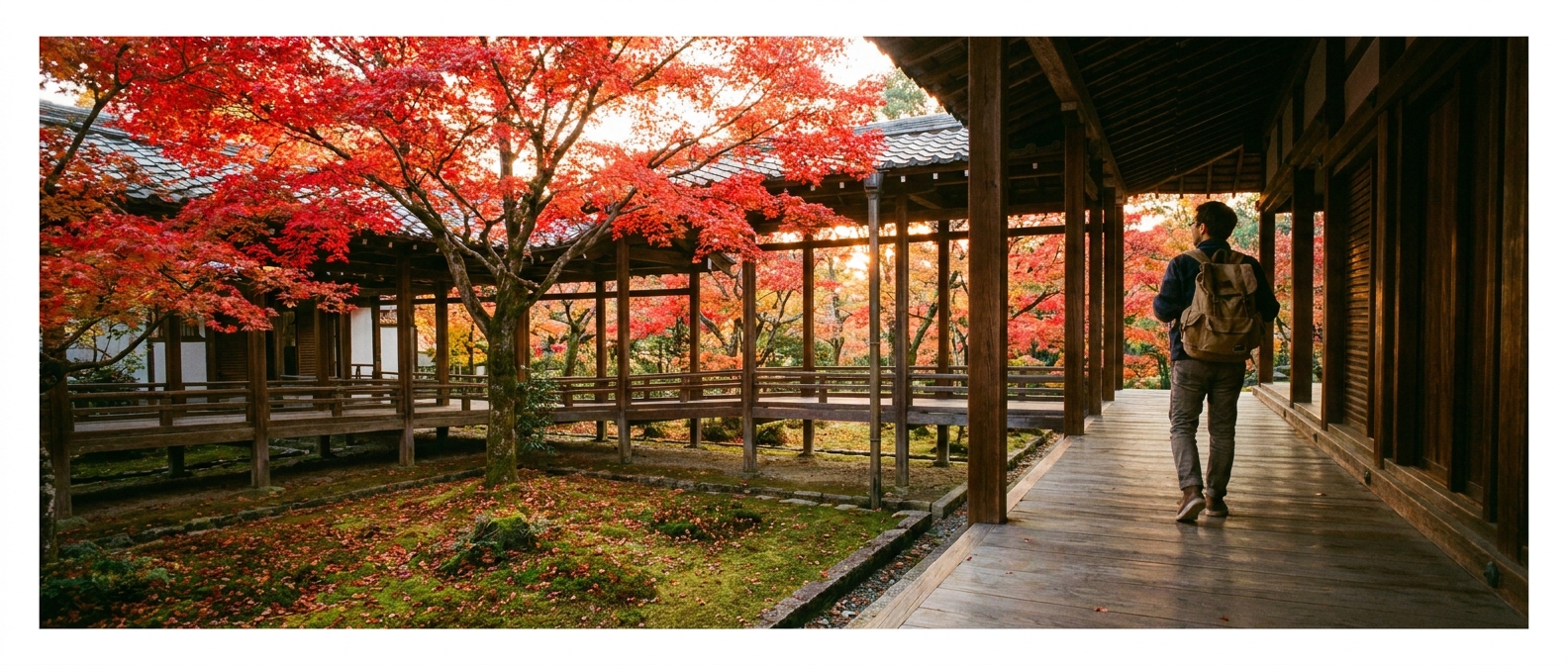
Table Of Contents
Kyoto in late November is a sensory masterpiece. The Momiji (autumn leaf) season transforms the city’s 1,600 temples into a sea of fiery maples and golden gingkos. However, for the unprepared traveler, this beauty comes with a significant physical tax. Looking ahead to the 2026 season, travelers will face record-breaking foot traffic, so you must prepare to navigate dense crowds, climb thousands of stone steps at Fushimi Inari, and move comfortably between chilly outdoors and heated temple interiors. This Kyoto Autumn Packing Guide focuses on the practical essentials you need to handle these conditions comfortably.
This isn’t just about looking the part; it’s about logistical survival. The “Kyoto Paradox” is real: you need the rugged support of a hiking boot for the hills of Arashiyama, but the effortless ease of a slipper for the ten or more temples you will enter daily. This Kyoto Autumn Packing Guide focuses on the logistical friction points of Kyoto—specifically the unique demands placed on your feet and your wardrobe—to ensure your focus remains on the scenery, not your physical discomfort.
Navigating the "Shoes-Off" Circuit: Temple Etiquette and Logistics
Kyoto’s most iconic sites—including the Silver Pavilion (Ginkaku-ji), Nijo Castle, and the sub-temples of Daitoku-ji—require visitors to remove their footwear before entering wooden halls and tatami rooms. While this sounds simple, the reality during the peak of autumn is a logistical hurdle.
The Genkan Bottleneck
During the Momiji season, the genkan (entryway) of a popular temple can become a chaotic choke point. Imagine fifty people trying to exit a temple simultaneously while another fifty are trying to enter. Fumbling with complex laces, tight buckles, or stubborn boots while dozens of people wait behind you is a major source of “traveler anxiety.”
To mitigate this, the “Slip-On Mandate” is your best friend. Choose footwear with high-rebound “step-in” technology, such as Kizik or specialized travel loafers that feature a reinforced heel. This allows you to exit a temple and be moving toward the next garden in seconds, hands-free, while others are still struggling with their heels on the cold stone.
The “Cold Floor” Factor
While the air outside may be a crisp 12°C (54°F), the ancient wooden floors of temples are significantly colder. These structures are designed for summer ventilation, meaning they retain the damp chill of autumn. Walking through a sprawling complex like Nanzen-ji in thin socks can lead to numbing discomfort that ruins the meditative experience.
The Temple Sock Hack: Always carry a pair of thick, dark-colored wool socks in your daypack. Slip them on over your walking socks before entering a temple to provide a thermal barrier against the cold wood. Dark colors are preferred; they maintain a respectful, discreet aesthetic and don’t show the dust of ancient floorboards.
Cultural Etiquette of the Entryway
When you remove your shoes, do not just leave them in a heap. If there are no lockers, place your shoes neatly to the side, pointing away from the temple entrance. It is a small gesture of respect that marks you as a culturally literate traveler.
Strasbourg Christmas Market Packing & Footwear Guide for essential winter layering and shoe recommendations.
Conquering the Three Terrains: From Gion to Fushimi Inari
Kyoto is not a flat city. Your itinerary will likely span three distinct geological challenges that require more than just a standard gym sneaker.
Terrain 1: The Vertical Ascent (Fushimi Inari & Arashiyama)
To reach the higher, less crowded viewpoints of the 10,000 Torii gates at Fushimi Inari, you will climb thousands of uneven stone steps. This is where “heel lockdown” fit becomes critical. If your slip-ons are too loose, you will develop blisters on the descent. Look for technical knits that hug the midfoot while allowing the toes to splay.
Terrain 2: The Philosopher’s Path (Hard Stone & Gravel)
This 2km walk is stunning, but the repetitive impact on hard stone and packed gravel can cause “Kyoto Foot”—a localized plantar fasciitis flare-up—by mid-afternoon. Prioritize footwear with a hybrid outsole—something that offers the grip of a hiking shoe but the high-rebound foam cushioning of a marathon runner. Brands like Allbirds or the On Cloud series are popular here for their ability to absorb shock on unforgiving surfaces.
Terrain 3: The Wet Cobblestones of Gion and Pontocho
Autumn in Kyoto often brings Shigure—brief, unpredictable passing showers. The narrow, historic alleys of Gion become slick and treacherous. Ensure your footwear has a slip-resistant rubber sole. If you anticipate rain, a water-resistant knit (like Vessi) is superior to heavy leather; it breathes better during the humid transitions into the Kyoto Subway or the crowded Nishiki Market.
Transit Tip: Kyoto’s bus system is often faster than the subway for temple-hopping, but it is incredibly crowded in autumn. You will likely be standing for 30–40 minutes at a time. The anti-fatigue properties of your shoes are just as important for the bus ride as they are for the mountain hike.
Seoul Autumn Travel Tips: Foliage Timing & Weather to align your itinerary with peak autumn colors.
The Layering Blueprint: Managing the 10°C Temperature Swing
Kyoto’s autumn climate is characterized by Murasaki-dachi—a purple-hued morning chill that gives way to a surprisingly warm, sunny afternoon.
- The Morning (7:00 AM – 10:00 AM): Temperatures often hover around 8°C–10°C. If you are heading to Arashiyama early to beat the crowds, a wind-resistant outer shell is vital.
- The Afternoon Peak (1:00 PM – 3:00 PM): The sun reflecting off the stone temples can push temperatures to 20°C (68°F).
- The “Crowd Heat” Effect: Inside the Kyoto City Bus or the crowded interior of a temple’s museum, the ambient temperature rises significantly due to the sheer volume of people.
The Packing Strategy
- Base Layer: Moisture-wicking merino wool is the gold standard. It prevents the “chilled sweat” feeling when you stop moving after a hike up to the Kiyomizu-dera stage.
- The Mid-Layer: A technical fleece or a lightweight down vest that can be compressed into a small ball and stuffed into a daypack.
- The Aesthetic Balance: Kyoto is a sophisticated, traditional city. Avoid “neon” hiking gear or overly distressed streetwear. Opt for neutral tones—navy, charcoal, forest green—that allow you to transition from a mountain temple to a high-end Kaiseki dinner without looking like you just finished a triathlon.
- The Power Factor: Carry a slim power bank in your jacket pocket. The cold weather combined with constant GPS navigation for bus routes and the heavy use of camera apps will drain your phone battery 30% faster than usual.
Practical Logistics & Packing Overview
To survive a 20,000-step day in Kyoto, your packing list must be edited for efficiency and physical support.
- Footwear: One pair of high-performance slip-on walking shoes (broken in for at least 30 miles before arrival) and one pair of “recovery” slides or compression socks to wear inside your Ryokan or hotel at night.
- Socks: 3 pairs of merino wool blend socks (moisture-wicking) and 2 pairs of “temple socks” (thick, dark wool).
- Outerwear: A water-repellent trench or a lightweight “puffer” jacket.
- Accessories: A secure, crossbody bag for easy access to your “ICOCA” transit card and temple entrance fees. Note that most temples are cash-only, usually charging between 500 and 800 yen. Keep your bag in front of you; while Kyoto is safe, the dense crowds at the Sannenzaka slope are prime spots for accidental bumps.
The “Emergency Kit”: Blister cushions (Compeed), ibuprofen, and a small microfiber towel. The towel is essential if you decide to use a public “foot bath” (ashiyu) in Arashiyama to soothe your tired arches.
2026 Planning Timeline
- June 2026: Research and select your footwear.
- July 2026: Purchase and begin “Indoor Break-in” to ensure no hot spots.
- August–September 2026: Full outdoor testing. You should aim for a “50-mile stress test” before the trip.
- October 2026: Finalize your layering system and procure your “temple socks.”
Mastering Sub-Zero Photography in Tromsø.
Related FAQs
You can, but you will likely find it frustrating. The constant tying and untying in crowded, cramped entryways is physically draining and slows down your entire group. In Kyoto, slip-ons aren’t just a fashion choice; they are a tool for efficiency.
While not forbidden, Kyoto is more conservative than Tokyo or Osaka. If you wear leggings for the hike up Fushimi Inari, consider layering a long tunic or a light skirt over them when visiting formal temples like Kinkaku-ji (The Golden Pavilion) to align with local modesty norms and the city’s refined atmosphere.
A standard “Low-Impact” day in Kyoto (visiting 2–3 flat temples) is roughly 12,000 steps. A “High-Impact” day (Arashiyama plus Fushimi Inari) can easily exceed 25,000 steps. Do not bring shoes you haven’t tested for at least 5 miles of continuous walking.
Kyoto’s temples are arguably at their most beautiful in the rain—the moss turns a vibrant emerald. However, the wooden walkways and stone stairs become incredibly slippery. If your shoes don’t have a high-grip rubber sole (like Vibram), exercise extreme caution on the stairs of the Sannenzaka and Ninenzaka slopes.
Unless you are dining at a Michelin-starred French restaurant, “smart casual” is the rule. A clean, neutral-colored technical slip-on or a leather loafer is perfectly acceptable for 95% of Kyoto’s dining scene, including high-end Kaiseki establishments.
Final Thought
Kyoto’s momiji season rewards travelers who solve the logistics before they arrive. Get the footwear, the layering, and the temple-floor etiquette right, and the ten-temple day, the stone steps at Fushimi Inari, and the sudden afternoon warmth all become part of the experience rather than an obstacle to it.
Pack light, pack smart, and let the maples do the rest.

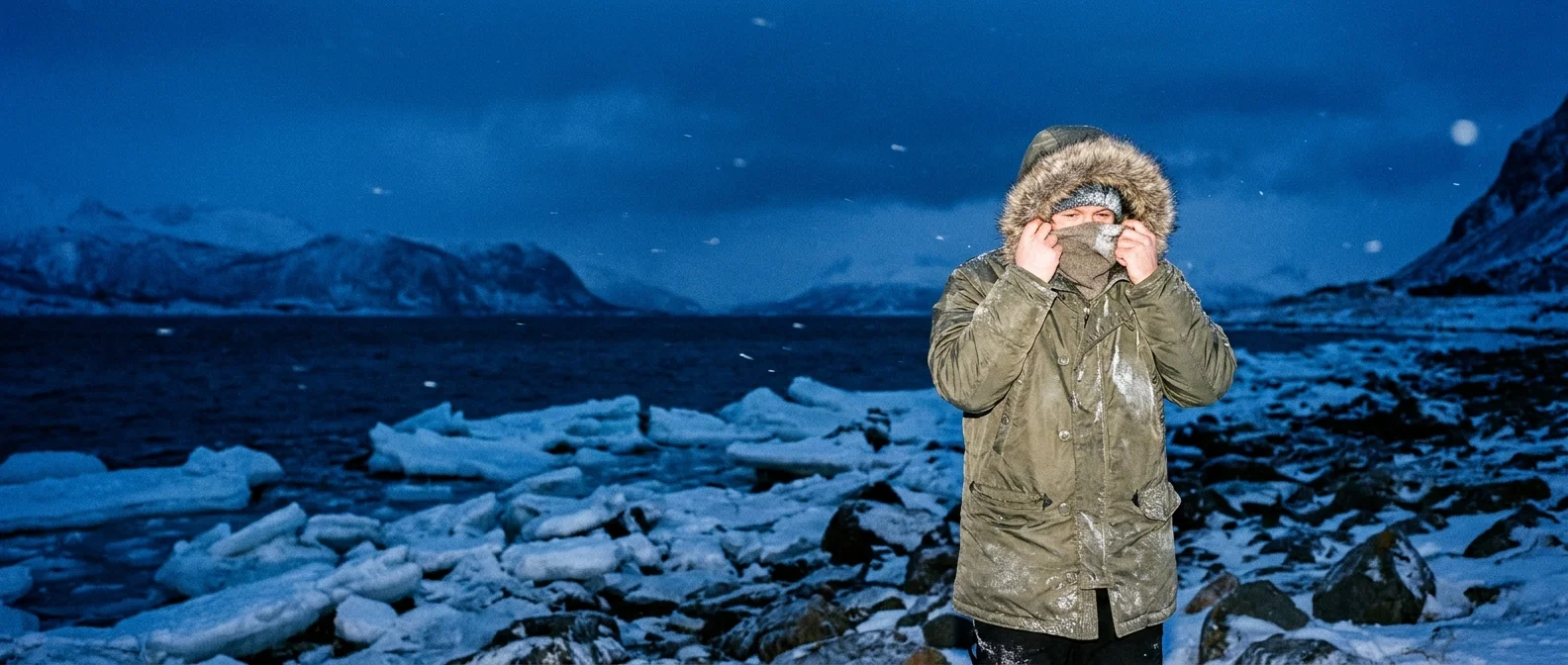
As the sun dips below the horizon during the Polar Night, travelers heading to Northern Norway face a unique challenge: staying warm through prolonged exposure to freezing temperatures. During a four-hour stationary Aurora vigil, inland temperatures can drop to -25°C, making ordinary winter clothing inadequate. This Tromsø Winter Packing List helps you move beyond everyday […]
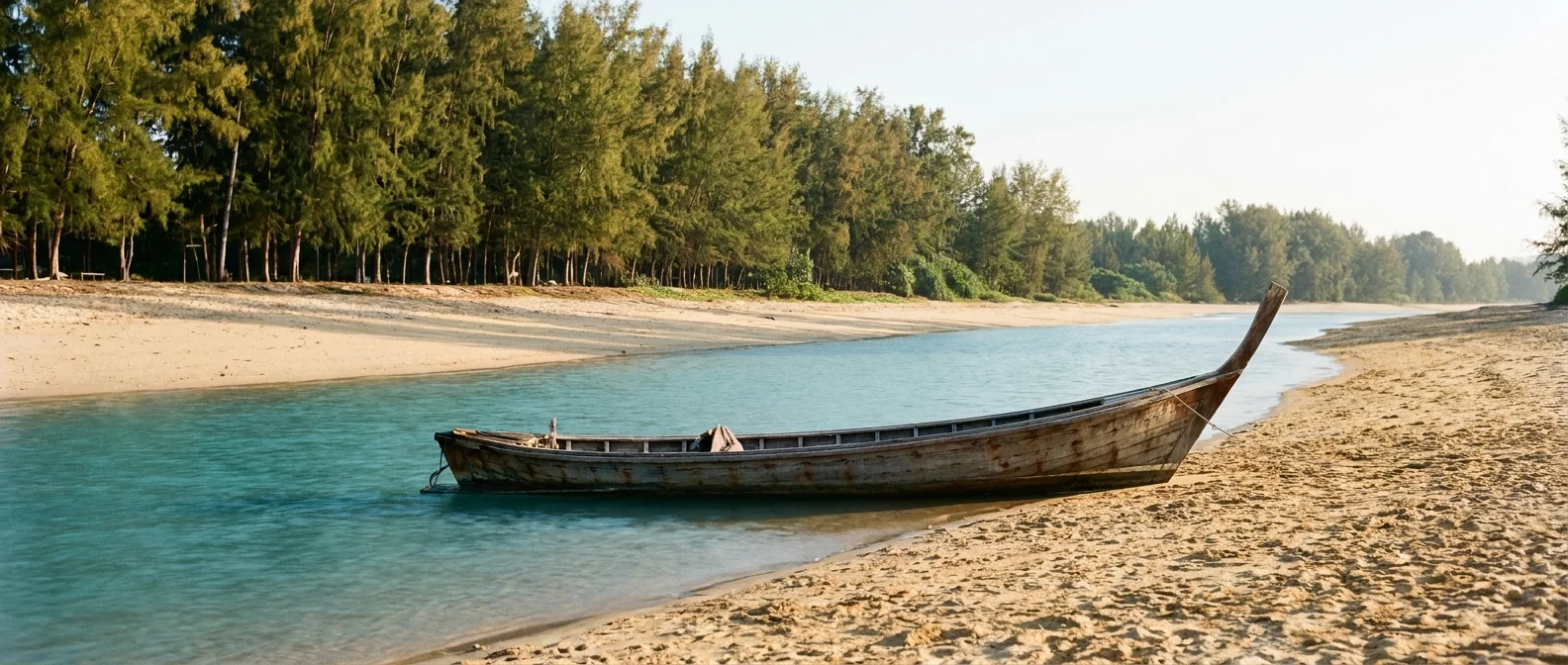
The upcoming season of The White Lotus has sparked global interest in Thailand’s luxurious resorts and stunning coastal escapes. However, finding the best quiet beaches in Phuket requires looking beyond the neon lights, busy nightlife, and crowds of Patong. The growing popularity of White Lotus Thailand has encouraged travelers to seek secluded, sustainable boutique hotels […]
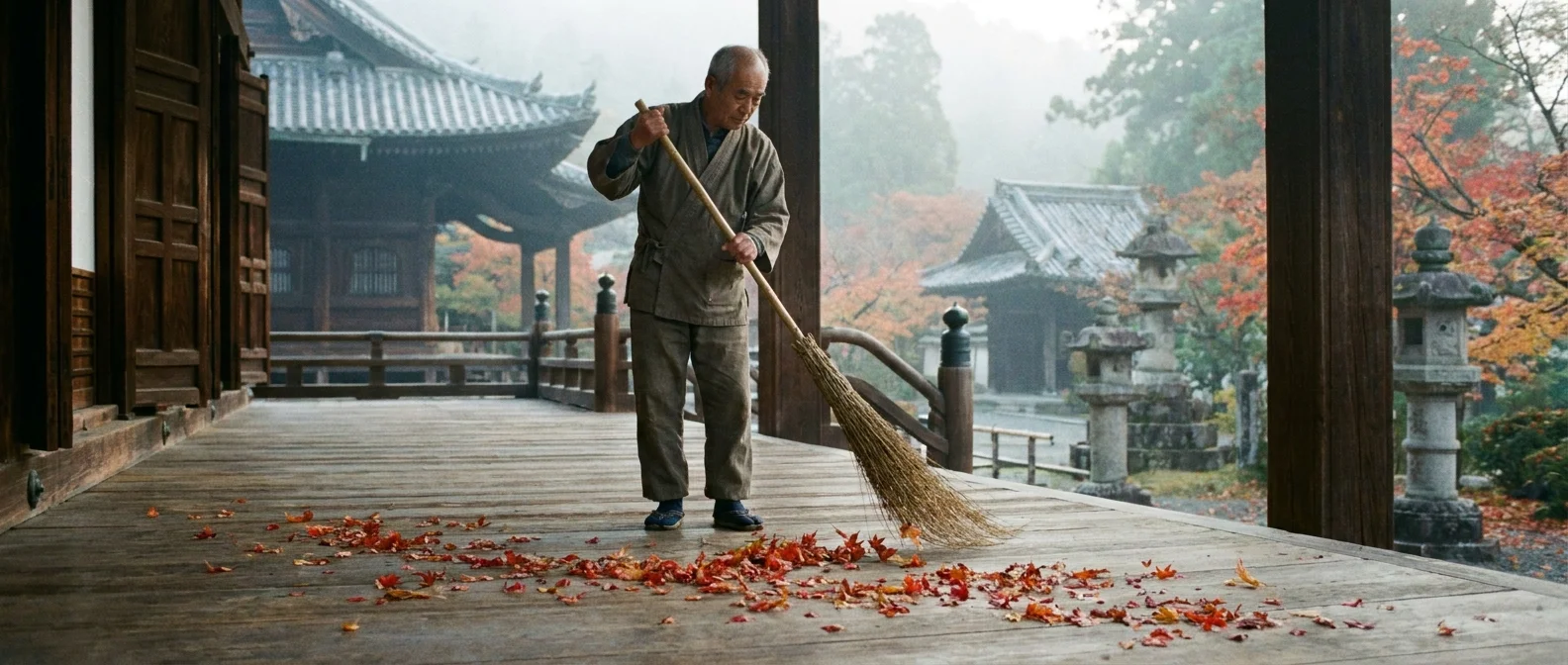
The arrival of the koyo (autumn foliage) season transforms Kyoto into a breathtaking sea of fiery red maples and golden ginkgo trees, but overtourism and gridlocked traffic can spoil the experience. Every traveler wants to know: how do you avoid crowds in Kyoto autumn? This guide offers a practical, subway-first strategy for exploring Kyoto in […]