
3-Day Kyoto Autumn Itinerary: Beat the Crowds
Disclosure: To help support our website, some of the links below are affiliate links. This means that if you choose to make a purchase, we will earn a commission at no additional cost to you.
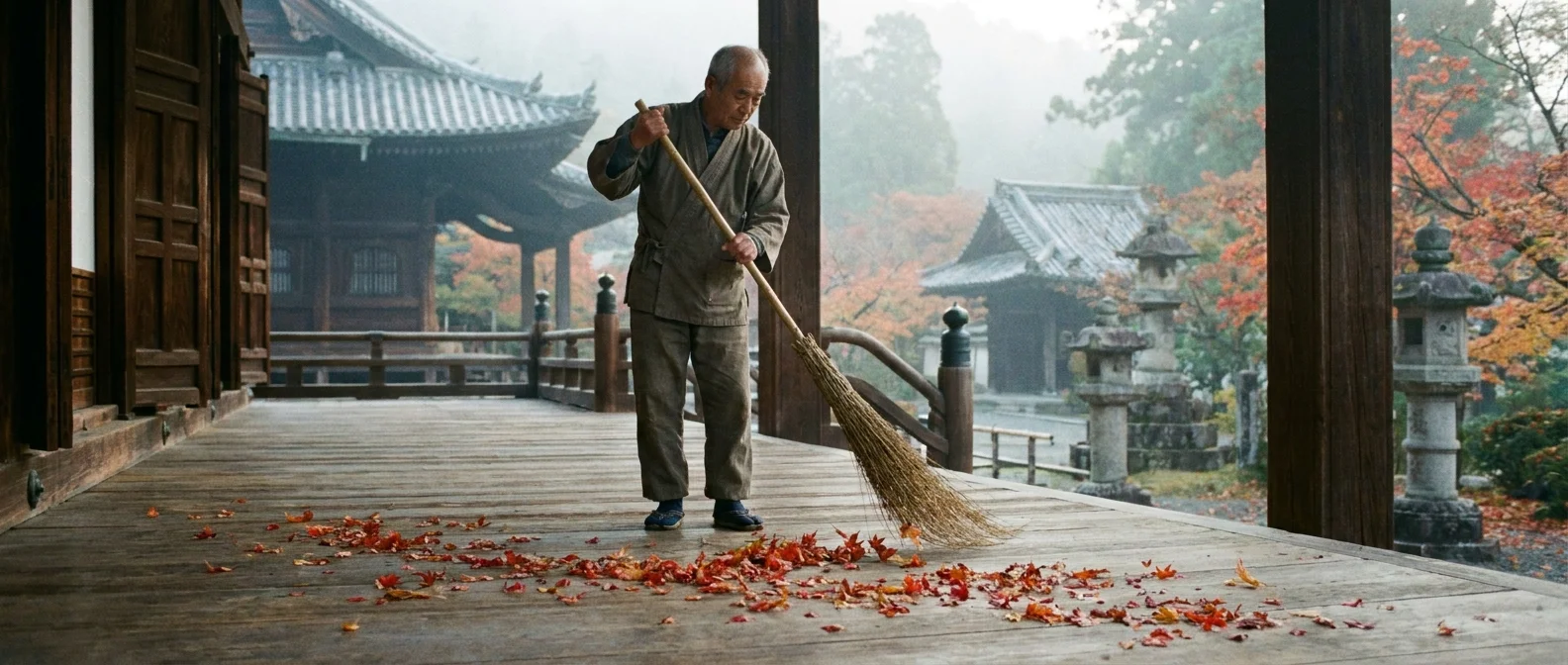
Table Of Contents
- Quick Answer
- The Subway-First Strategy: Navigating the Kyoto Travel Congestion Forecast
- Day 1: Arashiyama Early-Bird and the Scenic West
- Day 2: The Higashiyama Autumn Walking Route
- Day 3: Northern Escapes and Imperial Elegance
- Weather, Packing, and Temple Etiquette
- Mistakes First-Timers Make
- Related FAQs
- Closing
The arrival of the koyo (autumn foliage) season transforms Kyoto into a breathtaking sea of fiery red maples and golden ginkgo trees, but overtourism and gridlocked traffic can spoil the experience. Every traveler wants to know: how do you avoid crowds in Kyoto autumn? This guide offers a practical, subway-first strategy for exploring Kyoto in 2026, helping you bypass long bus queues and spend more time discovering beautiful temples, peaceful gardens, and vibrant autumn landscapes. Our Kyoto Autumn Itinerary prioritizes early-morning visits, efficient subway connections, and private rail lines to help you reach popular attractions before the biggest crowds arrive.
You’ll also discover how to plan your daily routes, choose quieter sightseeing spots, and make the most of limited travel time without rushing between destinations. With smart timing and reliable transport options, you can experience Kyoto’s spectacular fall colors while enjoying a more relaxed and rewarding journey.
Quick Answer
- Peak Window: November 20 to December 5, 2026 (City Center); mid-November for northern areas like Ohara.
- The Golden Rule: Arrive at major sites by 7:00 AM; the tour bus wave hits at 9:30 AM.
- Transit Strategy: Use the Kyoto City Subway (Karasuma and Tozai lines) and private rail (Keihan and Hankyu) exclusively; avoid city buses during daylight hours.
- Booking Note: Secure Imperial Villa permits and high-end Ryokans 3 to 4 months in advance.
| Month | Avg. Temp (Day/Night) | Crowd Level | Best For |
|---|---|---|---|
| Early Nov | 17°C / 8°C | Moderate | Northern Kyoto (Ohara, Kurama) |
| Late Nov | 14°C / 5°C | Extreme | Peak foliage in Higashiyama and Arashiyama |
| Early Dec | 12°C / 3°C | High | Night illuminations and fallen leaf carpets |
The Subway-First Strategy: Navigating the Kyoto Travel Congestion Forecast
The biggest mistake travelers make is trusting Google Maps’ bus suggestions. During peak foliage, buses are often too full to board, and surface traffic can turn a 15-minute trip into a 60-minute crawl. The Kyoto travel congestion forecast for late November predicts near total paralysis on the roads surrounding Kyoto Station and the Shijo Kawaramachi intersection.
Kyoto bus vs subway in autumn
The logistical superiority of the Kyoto subway-first strategy cannot be overstated. The Karasuma (North-South) and Tozai (East-West) lines serve as the spine of your movement. While the 1,100 JPY Subway and Bus One-Day Pass exists, the subway portion is your only guarantee of punctuality.
During the peak foliage weeks, the queue for the number 206 bus at Kyoto Station can exceed 30 minutes just to board. Once on board, the bus must navigate the narrow, single-lane streets of Higashiyama. In contrast, the Tozai Line delivers you to Keage Station in 15 minutes from the city center, placing you within a 10-minute walk of Nanzen-ji and Eikando. When comparing Kyoto bus vs subway in autumn, the subway wins on every metric except proximity to the temple gates. You will walk more, but you will see more.
Private rail and digital transit cards
Beyond the municipal subway, two private rail lines are essential. The Keihan Main Line runs parallel to the Kamo River and provides the fastest access to Fushimi Inari, Tofuku-ji, and the Gion district. The Hankyu Line connects central Kyoto (Kawaramachi) to Arashiyama in the west.
To navigate these different systems without stopping at ticket machines, you must use an ICOCA, Suica, or Pasmo card. These digital transit cards work across all lines and can be topped up at any station or via Apple Wallet. However, remember that Kyoto remains a cash-heavy environment for spiritual sites. Most temples charge between 500 JPY and 1,000 JPY (approximately 3.50 USD to 7.00 USD) for entry, and they rarely accept credit cards or digital payments. If you are arriving from Kansai International Airport (KIX), the JR Haruka Express takes 75 minutes and is the most reliable way to enter the city.
Day 1: Arashiyama Early-Bird and the Scenic West
Arashiyama is the epicenter of Kyoto’s autumn beauty, but the Togetsukyo Bridge becomes a standstill by mid-morning. To see this area without the stress of thousands of other tourists, you must commit to an early start.
The 7:00 AM rule at the bamboo grove
A successful Kyoto autumn itinerary avoiding crowds starts with a 7:00 AM arrival at the Arashiyama Bamboo Grove. To achieve this, take the JR Sagano Line from Kyoto Station (Platform 32 or 33) no later than 6:30 AM. The ride takes roughly 20 minutes to Saga-Arashiyama Station.
By 7:00 AM, the light filters through the stalks with minimal interference from selfie sticks. By 8:30 AM, the first wave of tour buses arrives, and the narrow path becomes a bottleneck. After the grove, head immediately to Tenryu-ji Temple when it opens at 8:30 AM. The Sogenchi Pond Garden here is a masterpiece of “borrowed scenery,” using the autumn colors of the surrounding mountains as a backdrop. Arriving even 90 minutes later results in shoulder-to-shoulder walking on the temple’s wooden verandas.
Riverside dining and hidden temples
For lunch, avoid the main street of Arashiyama. Instead, book a table at Hanana for their signature Tai-chazuke (sea bream with sesame sauce and green tea over rice). This restaurant is popular, so arriving at 11:00 AM for the first seating is the only way to avoid a 90-minute wait.
In the afternoon, escape the main Arashiyama crush by heading further north. A 20-minute walk or a short taxi ride leads to Otagi Nenbutsu-ji. This temple features 1,200 whimsical stone rakan statues, each with a different facial expression. Because it is located at the edge of the Sagano district, it receives a fraction of the visitors seen at the Bamboo Grove. This is where Kyoto early bird private tours often take clients to find peace during the peak season.
Day 2: The Higashiyama Autumn Walking Route
Higashiyama contains the highest density of must-see sites, requiring a tactical approach to avoid the tour bus wave that hits the eastern hills by 10:00 AM.
The southern Higashiyama loop
Your Higashiyama autumn walking route begins at Kiyomizu-dera at 6:00 AM. This is the temple’s official opening time. Watching the sun rise over the city from the massive wooden stage is a singular experience. The maple trees in the valley below the stage turn a deep crimson, creating a “sea of fire” effect.
By 8:00 AM, begin your descent through Sannenzaka and Ninenzaka. These preserved streets are famous for their wooden merchant houses and stone steps. If you walk them before the shops open at 10:00 AM, you can appreciate the architecture without the crowds. Note that photography is strictly regulated in the nearby Gion district. Look for signs indicating private alleys: the fine for unauthorized photography in these areas is 10,000 JPY. Respect the privacy of the residents and the Geiko who live there.
Nanzen-ji and the night illuminations
To transition to Northern Higashiyama, use the Tozai Subway Line to Keage Station. This avoids the gridlock on Higashioji Road. Near Nanzen-ji, stop for a traditional lunch of Yudofu (boiled tofu). This is a Kyoto specialty, particularly comforting in the crisp November air.
The evening is dedicated to Kyoto night illumination temples. Many sites, such as Eikando and Kodai-ji, reopen after dark with spectacular lighting displays. The mistake most visitors make is joining the queue at 5:00 PM for the sunset opening. Instead, eat an early dinner at 4:30 PM and join the line at 7:30 PM. This “second wave” strategy allows you to enter as the first group of sunset seekers is leaving, significantly reducing your wait time. Eikando is widely considered the best for foliage, but it is also the most crowded: expect a 20- to 30-minute wait even with the late arrival strategy.
Day 3: Northern Escapes and Imperial Elegance
On your final day, move away from the city center to where the foliage peaks earlier and the crowds are thinner. The northern reaches of Kyoto offer a more rural, contemplative atmosphere.
Ohara: the rural foliage retreat
Ohara is a forested valley about 60 minutes north of central Kyoto. To get there, take the Route 17 bus from Kyoto Station or, more efficiently, take the Karasuma Subway Line to the terminal station at Kokusaikaikan and transfer to a shorter bus ride (Route 19). This area typically peaks 5 to 7 days earlier than downtown Kyoto, making it ideal for mid-November visits.
The primary destination is Sanzen-in Temple. The moss gardens here, dotted with small stone Jizo statues, are covered in fallen maple leaves in late autumn. While in Ohara, try the local Shibazuke (red shiso pickles), which are fermented in the valley using traditional methods. The air here is noticeably cooler, and the pace is slower than in the Gion or Arashiyama districts.
The permit-only crowd killers
The ultimate way to ensure a crowd-free experience is to book sites that require permits. The Katsura Imperial Villa and Shugakuin Imperial Villa are managed by the Imperial Household Agency. Capacity is strictly limited by law, and visitors must join a guided tour (available in English via audio guide).
You must book these 3 months in advance via the official Imperial Household Agency website. If you miss the online window, a small number of same-day tickets are sometimes available at the Kyoto Imperial Park office, but this is a gamble during autumn. These villas represent the pinnacle of Japanese garden design, and because there are never more than 20 to 30 people in a group, they offer the quietest foliage viewing in the city. This is a key component of Kyoto early bird private tours and high-end independent planning.
Weather, Packing, and Temple Etiquette
Kyoto’s autumn weather is crisp and dry, but the physical requirements of temple hopping are unique. You will be moving between heated trains and unheated, drafty temple halls throughout the day.
Layering for the shigure and cold floors
When considering what to wear in Kyoto in November, prepare for a temperature range of 12°C to 17°C during the day and as low as 3°C at night. The “Shigure” refers to light, passing showers common in late autumn. A lightweight, water-resistant shell or a compact umbrella is necessary.
The most important factor is the “Cold Floor Factor.” In almost every temple, you must remove your shoes at the entrance and walk on ancient, unheated wooden floors or tatami mats. By late November, these floors are freezing. Wear thick, thermal wool socks. If you wear thin cotton socks, your feet will be numb within ten minutes of entering a large complex like Nanzen-ji or Chion-in.
Footwear and physical pacing
Choosing the best shoes for Kyoto temple walking is a balance between support and convenience. You will likely exceed 15,000 steps daily. However, because you will be removing your shoes 5 to 10 times a day, avoid boots with complex lacing systems. Slip-on walking shoes or sneakers with elastic laces are the professional choice.
Always check your socks for holes before leaving your hotel. It is a matter of etiquette and personal pride in Japan to have clean, intact socks when entering a home or temple. Additionally, carry a small tote bag in your daypack. Many temples provide plastic bags for your shoes, but having your own reusable bag is more sustainable and often easier to manage when navigating crowded entryways.
Mistakes First-Timers Make
1. The bus pass obsession: Many travelers buy a bus pass because it seems economical. During autumn, you will spend half your day standing in line or sitting in traffic. The fix is to use the subway and walk the last mile: you will beat the bus every time.
2. Relying on credit cards: Assuming major temples are tech forward is a mistake. Always carry at least 10,000 JPY in cash for entrance fees, small food stalls, and amulets.
3. Ignoring the Gion signs: Taking photos of Geiko or Maiko, or entering private alleys in Gion, is a serious breach of local etiquette. Look for the “No Photography” signs: fines are real and strictly enforced by local neighborhood associations.
4. Kyoto Station locker roulette: Expecting to find an empty luggage locker at 10:00 AM is unrealistic. The fix is to use hotel to hotel luggage forwarding (Takkyubin) so you never have to visit a locker at the station.
Related FAQs
The peak window for the city center is generally November 20 to December 5. However, the “Shigure” (autumn rain) can cause leaves to drop early. Northern areas like Ohara peak about a week earlier, in mid-November.
No. The JR Pass is only valid on JR trains (like the Sagano Line to Arashiyama) and a very limited number of JR-branded buses. It does not work on the Kyoto City Subway or the standard green city buses.
Yes, the lighting design at temples like Eikando and Kodai-ji is world class. However, they are only worth it if you use the “late arrival” strategy (arriving after 7:30 PM) to avoid the 90-minute entry lines that form at sunset.
Focus on layers. The temperature fluctuates significantly between day and night. Most importantly, pack thick socks and slip-on shoes, as the “shoe removal” reality of temple visits means your feet will be on cold wood floors frequently.
Kyoto Station is superior for transit and day trips. Gion offers more atmosphere and evening dining options. For the best of both, consider the Nakagyo district near the Karasuma-Oike subway intersection, which allows you to access both subway lines easily.
Focus on the northern districts like Ohara or the Enryaku-ji complex on Mt. Hiei. These require more effort to reach (usually a combination of subway and bus or a cable car), which naturally filters out the largest crowds.
Closing
With your subway-first strategy and early bird permits secured, you are ready to experience Kyoto’s autumn splendor without the stress of the crowds. Your next step is to check the Imperial Household Agency website to see if booking windows for November 2026 have opened.

The upcoming season of The White Lotus has sparked global interest in Thailand’s luxurious resorts and stunning coastal escapes. However, finding the best quiet beaches in Phuket requires looking beyond the neon lights, busy nightlife, and crowds of Patong. The growing popularity of White Lotus Thailand has encouraged travelers to seek secluded, sustainable boutique hotels […]
The arrival of the koyo (autumn foliage) season transforms Kyoto into a breathtaking sea of fiery red maples and golden ginkgo trees, but overtourism and gridlocked traffic can spoil the experience. Every traveler wants to know: how do you avoid crowds in Kyoto autumn? This guide offers a practical, subway-first strategy for exploring Kyoto in […]
As the first frost settles over the Danube, the “First Light” window for 2026 holiday planning officially opens. For travelers seeking the quintessential European Advent experience, finding the right Vienna Christmas Market Hotels is just as important as choosing which market to visit or where to enjoy the best Glühwein. Booking early helps you secure […]