
Vienna Christmas Market Guide 2026: Book Now
Disclosure: To help support our website, some of the links below are affiliate links. This means that if you choose to make a purchase, we will earn a commission at no additional cost to you.
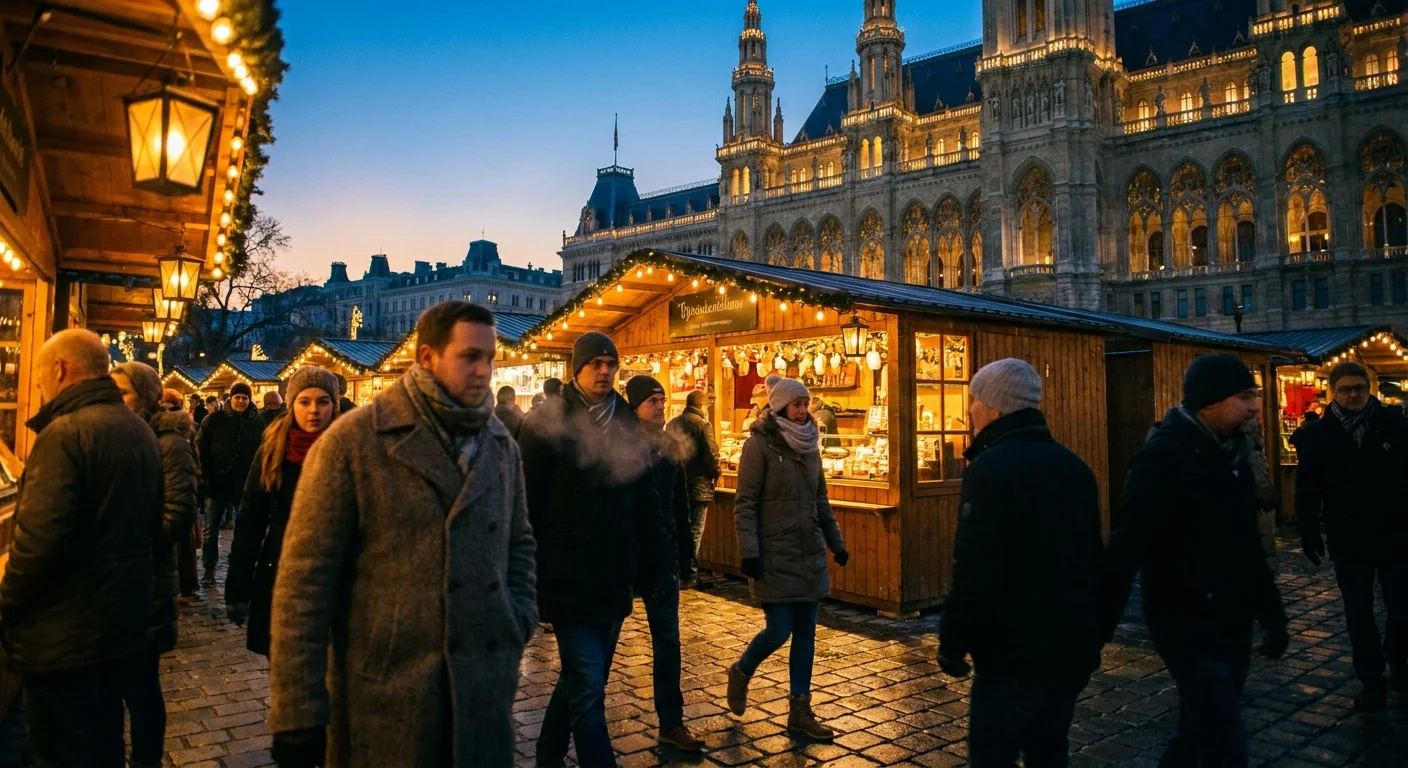
Table Of Contents
- Quick Answer
- Choosing Your Base: Vienna Innere Stadt Hotels vs. The 7th District
- Authentic Vienna Christmas Markets: From Rathausplatz to Hidden Gems
- Navigating The City: The Vienna Travel Card Guide
- Survival Guide: What to Wear and How Cold is Vienna in December?
- The Pfand System and Market Etiquette
- Mistakes First-Timers Make
- Related FAQs
- Closing
As the first frost settles over the Danube, the “First Light” window for 2026 holiday planning officially opens. For travelers seeking the quintessential European Advent experience, finding the right Vienna Christmas Market Hotels is just as important as choosing which market to visit or where to enjoy the best Glühwein. Booking early helps you secure a room near the Ringstrasse before popular luxury hotels and holiday rentals fill up during the festive season. This Vienna Christmas Market Guide 2026 provides a practical blueprint for navigating the city as it transforms from an elegant imperial capital into a glowing winter wonderland.
We explore the local Pfand deposit system, compare the best districts for accommodation, and share strategies for avoiding steep price increases during the four Advent weekends. You’ll also discover how to choose a convenient hotel location, plan transport between Christmas markets, and enjoy Vienna’s festive atmosphere without wasting time on unnecessary travel. With the right preparation, you can secure a comfortable stay, make the most of your holiday budget, and experience Vienna’s magical Christmas traditions with less stress.
Quick Answer
- Best Window: November 17 to December 23, 2026. Midweek visits from Tuesday to Thursday offer 20% fewer crowds than weekends.
- Expected Conditions: Biting, damp cold between 2°C and 7°C (35°F to 45°F), with sunset occurring by 4:00 PM.
- Main Friction: Most market stalls are strictly cash only. The Pfand (mug deposit) system requires constant small denominations.
- Booking Note: Secure Innere Stadt or 7th District hotels exactly 12 months out to avoid the 30 to 550 Vienna Adventweekend price spikes.
| Month | Avg Daytime Temp | Crowd Level | Best For |
|---|---|---|---|
| Mid-November | 7°C (45°F) | Moderate | Early bird shopping: lower hotel rates |
| Early December | 4°C (39°F) | High | Peak atmosphere: full event calendar |
| Mid-December | 2°C (35°F) | Very High | Traditional music: snowy aesthetic |
| Late December | 3°C (37°F) | Moderate | New Year’s markets: Silvesterpfad prep |
Choosing Your Base: Vienna Innere Stadt Hotels vs. The 7th District
The geography of your stay determines your exposure to the cold and your ease of access to the primary festivities. Travelers focused on the luxury core should prioritize Vienna Innere Stadt hotels (District 1). This area puts you within walking distance of the Rathausplatz and Stephansplatz markets. Properties like the Hotel Sacher or the Hotel Bristol operate on a strict 12-month booking window for the Advent season. If you attempt to book these six months out, you will likely find only the most expensive suites remaining or be forced into the outer districts.
When you compare Vienna District 1 vs. District 7 hotels, the trade-off is between imperial convenience and artisan character. District 7, known as Neubau, offers a more local atmosphere. It is the home of the Spittelberg market, which winds through narrow Biedermeier pedestrian lanes. Hotels in District 7 are typically 20% cheaper than those on the Ringstrasse, yet they remain connected to the center via the U3 orange line or the 49 tram.
You must account for Vienna Advent weekend prices when budgeting. Hotel rates in both districts frequently spike 30 to 50% on Friday and Saturday nights. A room that costs €220 on a Tuesday can easily reach €380 on the Saturday before the third Advent Sunday. To mitigate this, schedule your arrival for a Sunday afternoon and depart on a Thursday. This allows you to experience the weekend lights without paying the weekend premium. If you must stay over a weekend, book a non-refundable rate exactly one year in advance to lock in the base price before the seasonal adjustments are applied to the booking engines.
Authentic Vienna Christmas Markets: From Rathausplatz to Hidden Gems
The Rathausplatz Christmas market in Vienna is the city’s largest and most photographed event. Located in front of the Neo-Gothic City Hall, it functions as the central hub for the “Vienna Ice World” skating rink and over 100 stalls. While it is the most crowded, it is essential for the spectacle. Look for the stalls serving Kaiserschmarrn, which are shredded pancakes caramelized with sugar and served in heavy iron skillets with plum compote. Expect to pay approximately €8 to €10 for a portion.
For those seeking authentic Vienna Christmas markets with a focus on craft over mass production, the Spittelberg market in District 7 is the primary alternative. The stalls here are integrated into the narrow cobblestone streets, making it feel less like a temporary installation and more like a permanent village. This is the best location to find hand-blown glass and felted wool products. Food options here lean toward the hearty, such as the Ofenkartoffel, which is a giant baked potato topped with garlic herb cream or mountain cheese.
The Altes AKH market in the Alsergrund district (District 9) serves as a family and local hub. It is situated in the courtyards of the former General Hospital. It features a small Ferris wheel and traditional wooden huts. Here, you should seek out Holzknechtnocken, which are savory woodcutter’s dumplings fried with onions and bacon. This market remains less saturated by international tour groups, providing a more relaxed evening environment.
For photography enthusiasts, the Belvedere Palace market in District 3 is the priority. The stalls are positioned in front of the Upper Belvedere, and the reflection of the palace in the pond provides the best evening shot in the city. The culinary highlight here is Gulaschsuppe served in hollowed-out bread bowls. This market is smaller and more exposed to the wind, so it is best visited just before sunset to catch the blue hour light before the temperature drops significantly.
Navigating The City: The Vienna Travel Card Guide
Vienna’s public transit system is exceptionally efficient, but the pricing structure requires a strategy. This Vienna travel card guide recommends skipping single tickets in favor of timed passes. A single trip costs €2.40, whereas a 24-hour pass is approximately €8. If you plan to visit three or more markets in a day, the pass pays for itself by mid-afternoon.
When deciding on a Vienna travel card vs. single tickets, consider the Vienna City Card. It costs between €17 and €29 depending on the duration (24, 48, or 72 hours). While more expensive than the standard transport pass, it includes discounts for the Belvedere, the Kunsthistorisches Museum, and several central cafes. If your itinerary is strictly limited to markets, stick to the standard Vienna Transport Ticket (Wiener Linien). If you plan to mix museum visits with Glühwein, the City Card is the more economical choice.
Airport logistics are straightforward but offer two distinct price points. The City Airport Train (CAT) takes 16 minutes to reach the central Landstraße station and costs €15 for a single journey. The S7 S-Bahn takes approximately 25 minutes and costs only €4.40. Unless you are in a significant rush, the S7 provides the same destination for a fraction of the cost. Both depart from the same airport terminal area.
A critical rule for all paper tickets is the “blue box” validation. Before boarding a train or entering the U-Bahn platform, you must insert your ticket into the small blue or orange validation machines to stamp the start time. Failure to do this results in a €105 fine if you are inspected, even if you have a valid un-stamped ticket in your pocket. Digital tickets purchased through the WienMobil app are pre-validated for the time of purchase.
Survival Guide: What to Wear and How Cold is Vienna in December?
Understanding how cold Vienna is in December is the difference between a four-hour market crawl and a forty-minute retreat to your hotel. Daytime highs average between 2°C and 7°C, but the humidity from the Danube makes the air feel much colder. The “Danube Wind” can whip through the Ringstrasse, dropping the perceived temperature by several degrees.
Your strategy for what to wear at Vienna Christmas markets must center on the “standing chill.” Unlike hiking, market visiting involves long periods of standing still on cold stone. Merino wool base layers are mandatory. A mid-weight thermal top and bottom will regulate your temperature as you move between the freezing outdoors and the overheated interiors of cafes or museums.
Footwear is the most common failure point for visitors. The cobblestones of Spittelberg and the gravel paths of Karlsplatz are uneven and retain moisture. You need lug-soled, insulated boots that are waterproof. Thin-soled sneakers will allow the cold from the ground to penetrate your feet within thirty minutes. Ensure your boots have enough room for thick wool socks without cutting off circulation, as restricted blood flow will make your toes freeze faster. A windproof outer shell or a heavy wool coat that reaches at least mid-thigh will provide the necessary barrier against the wind gusts common in the open squares.
The Pfand System and Market Etiquette
The Vienna Christmas market mug deposit (Pfand) is a system designed to reduce waste and provide souvenirs. When you order a Glühwein or Punsch, you will pay a deposit for the ceramic mug, typically between €4 and €5, in addition to the price of the drink. This is the Pfand. You have two choices: return the mug to any stall of the same market to receive your cash deposit back, or keep the mug as a souvenir. Each market has a unique design every year, often shaped like boots or decorated with the local palace.
Despite the city’s modern infrastructure, 90% of food and drink stalls remain cash only. You will see signs for “Nur Barzahlung” (Cash Only). Do not expect to use Apple Pay or credit cards for a €5 sausage or a €4 mug of cider. Carry a mix of €5 and €10 notes, as stallholders often struggle to break €50 notes early in the day.
To avoid crowds at Vienna Christmas markets, the optimal window is between 11:00 AM and 1:00 PM. Most locals arrive after work, starting around 5:00 PM, which is when the lanes become difficult to navigate. In narrow markets like Spittelberg, there is an informal “no photo blocking” etiquette. If you need to take a photo, step into a doorway or against a wall to avoid stopping the flow of pedestrian traffic.
Regarding safety, pickpocketing is rare but does occur in high-density areas like the U1 metro line and the entrance to Rathausplatz. The best anti-theft bag for Vienna is a crossbody bag with internal zippers or a front-facing daypack. Keep your wallet in a zipped internal pocket rather than a coat pocket or back trouser pocket. The crowds at the standing tables provide easy opportunities for opportunistic theft if bags are left hanging on the back of chairs or stools.
Mistakes First-Timers Make
The Saturday night surge is the most frequent error. Many travelers arrive at Rathausplatz on a Saturday after 6:00 PM expecting a cozy atmosphere. Instead, they find shoulder-to-shoulder crowds that make it impossible to reach a stall. The fix is to visit the major markets on a Tuesday morning or Wednesday afternoon. Use your Saturday nights for a classical concert or a seated dinner away from the market zones.
The single ticket trap is another common drain on time and money. Buying individual €2.40 tickets for every tram hop is tedious and expensive. The fix is to buy a 24-hour, 48-hour, or 72-hour pass immediately upon arrival at the airport or main station. This allows you to hop on and off any tram, bus, or subway without thinking about the cost or finding a machine.
There is a persistent Sunday closure myth. While retail shops and supermarkets in Vienna are strictly closed on Sundays, the Christmas markets and major museums remain fully operational. The fix is to use your Sundays for market hopping and museum visits, saving your gift shopping for clothing or specialty goods for the weekdays when the shops are open.
Finally, many forget to factor in the Glühwein budget. If a drink is listed at €5, you actually need €10 in hand to cover the Pfand. If you are a group of four, that is €40 for one round of drinks. The fix is to budget approximately €12 to €15 per person for a single drink and a snack to ensure you have enough cash to cover the deposits and the food.
Related FAQs
Most markets are scheduled to open between November 13 and November 20, 2026. The Rathausplatz market usually opens first, followed by the smaller artisan markets. They typically run until December 23 or 24, with several transitioning into New Year’s markets through the first week of January.
The average daytime temperature is 2°C (35°F). However, the humidity and wind from the Danube River can make it feel significantly colder. Expect overcast skies and occasional sleet or light snow.
It is a deposit system for the ceramic mugs. You pay a small fee (usually €4 to €5) when you buy your drink. You get this money back when you return the mug to the stall, or you can keep the mug as a souvenir.
District 1 (Innere Stadt) is best for luxury and proximity to the largest markets. District 7 (Neubau) is ideal for travelers seeking a more local, artisan feel and slightly lower hotel prices.
Yes, they are open daily from morning until approximately 9:00 PM or 10:00 PM. Visiting on a Tuesday or Wednesday is highly recommended to avoid the heavy weekend crowds.
No, the vast majority of market stalls are cash only. While some larger craft stalls may accept cards, food and drink vendors almost exclusively require Euro notes and coins.
Closing
With your hotel secured and your transit pass downloaded, the only thing left is to wait for the first scent of roasted chestnuts to hit the Ringstrasse. Your next step is to set a calendar alert for November 2025 to lock in those 2026 Innere Stadt room rates before the rest of the world catches on. Planning twelve months is the only way to ensure you are staying in the heart of the city rather than commuting from the outskirts.

As the first frost settles over the Danube, the “First Light” window for 2026 holiday planning officially opens. For travelers seeking the quintessential European Advent experience, finding the right Vienna Christmas Market Hotels is just as important as choosing which market to visit or where to enjoy the best Glühwein. Booking early helps you secure […]

The decision to escape the Northern Hemisphere winter for the high sun and high value of the South African summer is a strategic one. From January to March 2027, the city enters its golden window, offering consistent heat and a favorable exchange rate for international arrivals. However, the logistical reality of the city requires more […]
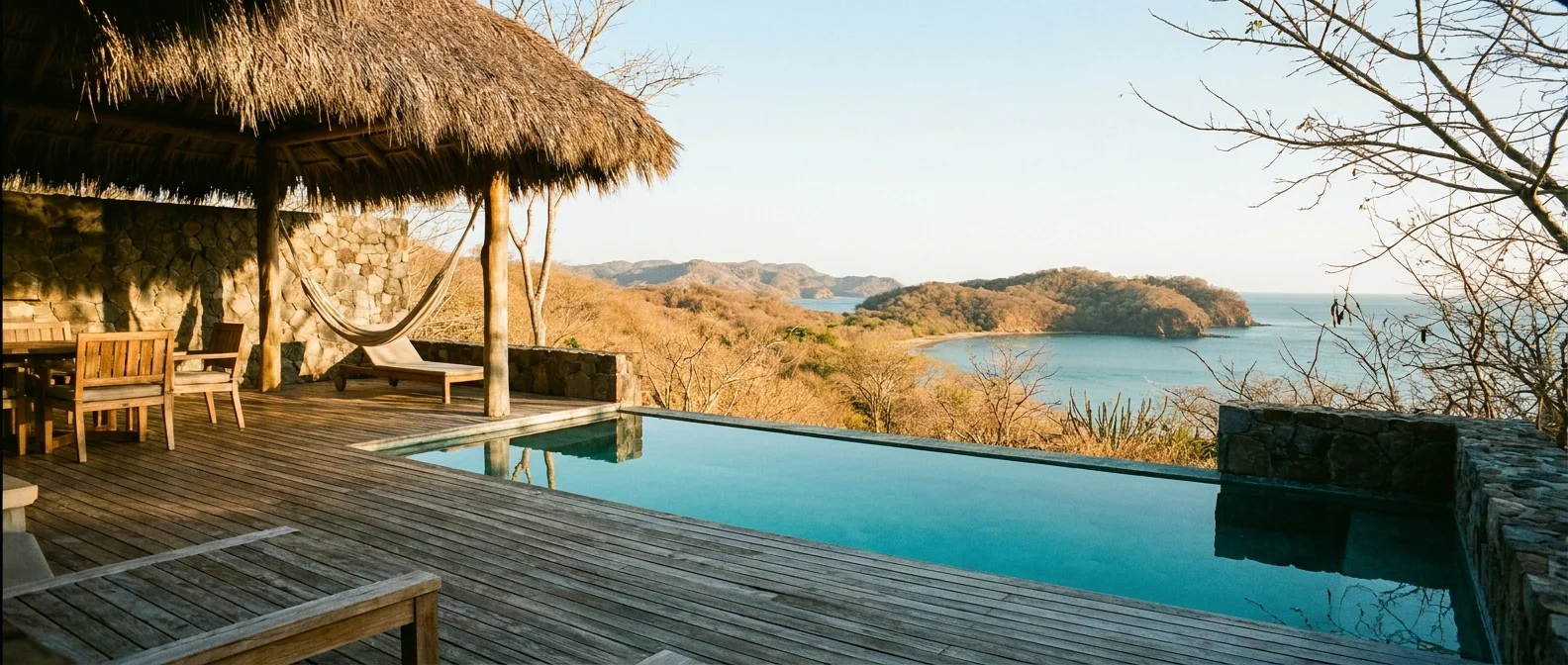
As the North American winter approaches, Costa Rica’s northwest enters a critical booking period known as the “Dry Season Inventory Lock.” For affluent travelers planning a Guanacaste 7-day itinerary, securing the right accommodation becomes a priority, as the region’s most exclusive boutique eco-lodges, many featuring fewer than 20 villas, can reach 80 percent occupancy for […]