
Cape Town Transit & Load Shedding Survival Guide
Disclosure: To help support our website, some of the links below are affiliate links. This means that if you choose to make a purchase, we will earn a commission at no additional cost to you.
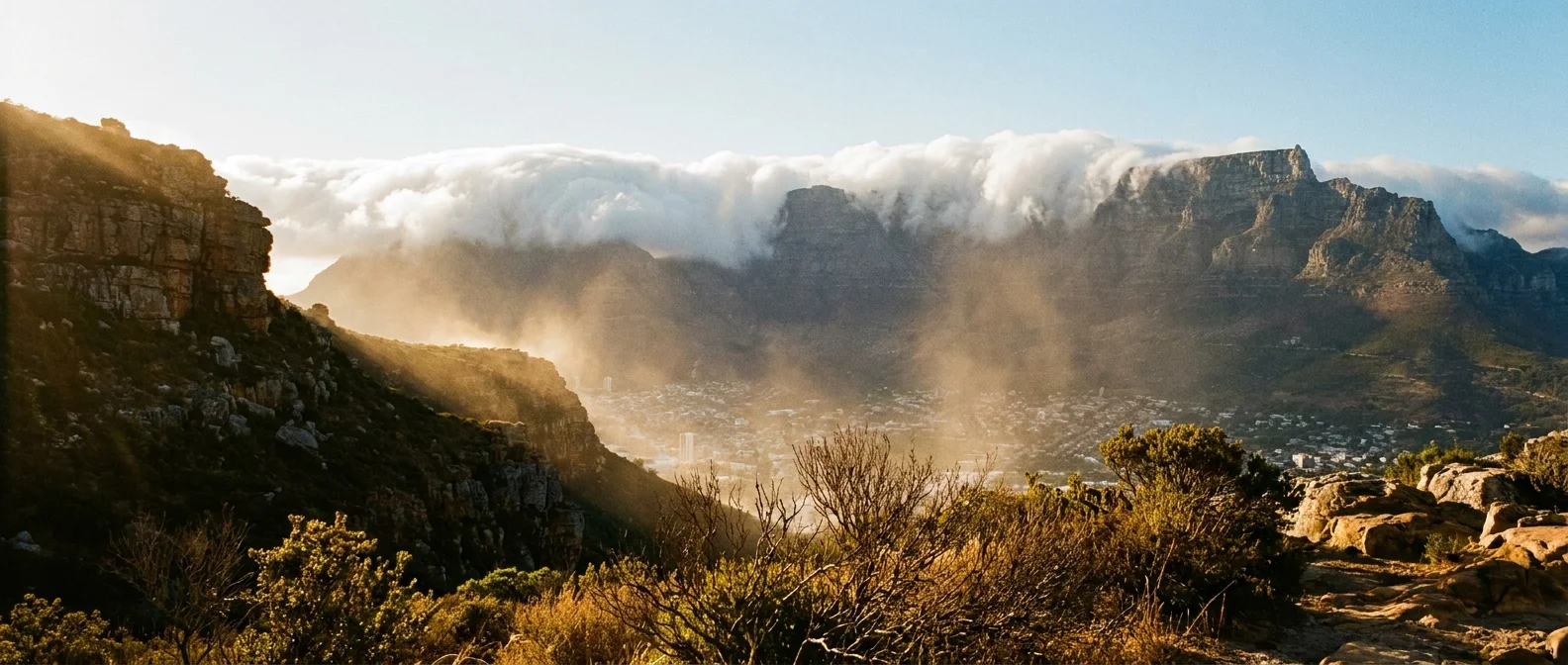
Table Of Contents
The decision to escape the Northern Hemisphere winter for the high sun and high value of the South African summer is a strategic one. From January to March 2027, the city enters its golden window, offering consistent heat and a favorable exchange rate for international arrivals. However, the logistical reality of the city requires more than a standard itinerary. Navigating a destination famous for its physical beauty but complicated by scheduled power outages and deceptive transit safety requires a specific blueprint. This Cape Town summer travel guide provides the technical details necessary to manage load-shedding schedules, navigate the high winds of the Cape Doctor, and move between coastal zones without friction.
Quick Answer
The optimal time for a visit is from early February to mid-March. This period avoids the peak domestic school holiday crowds of January while retaining the best of the summer heat. The two primary friction points for any traveler are load shedding, which is scheduled power cuts, and the Cape Doctor, a fierce south-easterly wind that frequently shuts down the Table Mountain Cableway. To move safely, use Uber for all door-to-door transport after dark and the MyCiTi bus system for coastal transit during the day. Secure your bookings for Table Mountain and Robben Island at least two to three weeks in advance, as these sell out daily during the summer peak.
Summer Planning at-a-Glance (Jan–Mar 2027)
| Month | Avg Daytime Temp | Wind Risk (Cape Doctor) | Crowd Level | Best For |
|---|---|---|---|---|
| January | 26°C – 30°C | High | Extreme | Festive atmosphere, beach clubs |
| February | 27°C – 32°C | Moderate | Moderate | Wine estates, outdoor concerts |
| March | 24°C – 28°C | Low | Low | Hiking, photography, calm seas |
Navigating the "Cape Doctor" and Summer Climate
Understanding Cape Town February weather
February is statistically the hottest month in the Western Cape. In the City Bowl, the natural amphitheater created by Table Mountain, temperatures frequently reach 35°C (95°F). While the humidity remains low, the UV index is extreme, often reaching 11 or higher between 11:00 and 16:00. Travelers should plan outdoor activities for the early morning or late afternoon to avoid the most intense heat.
The defining feature of Cape Town February weather is the Cape Doctor. This is a powerful south-easterly wind that can reach speeds of 40 to 60 km/h. While it is credited with clearing the city of pollution and “cleaning” the air, it has a significant impact on daily logistics. The wind makes large, exposed beaches like Camps Bay or Milnerton unpleasant as sand becomes airborne. If the wind is howling in the city, head to the four beaches of Clifton. These are naturally sheltered by granite boulders and the mountain’s topography, providing a calm microclimate even when the rest of the coast is battered.
Despite the daytime heat, a windproof shell or a light jacket is a mandatory packing item. When the sun sets, or the Cape Doctor picks up, the temperature on the coast can drop by 10 degrees in an hour. Evening walks on the Sea Point Promenade or sunset drinks in the harbor require protection against the wind chill.
Table Mountain Cableway Closures & Timing
The most common logistical failure for first-time visitors is missing the summit of Table Mountain due to wind. The “Tablecloth,” a thick layer of orographic cloud that rolls over the plateau, often accompanies the Cape Doctor. When this cloud appears or when wind speeds at the upper station exceed safety limits, the cableway shuts down immediately.
To avoid disappointment, monitor the “Table Mountain Report” on X (formerly Twitter) or check the official website’s live status indicator before you leave your accommodation. Do not rely on the weather in the City Bowl as an indicator of conditions at the summit.
The timing of your visit is equally important. Between 10:00 and 14:00, the lower cable station is congested with large tour buses and cruise ship groups. The 08:00 vs. 17:00 rule is the most effective strategy: either be in the first queue of the morning or wait until the late afternoon. The “Sunset Special” tickets, often available in February and March, provide a significant discount for those going up after 18:00, though these are subject to Table Mountain Cableway closures if the wind picks up at dusk.
The Load Shedding Survival Strategy
How to deal with load shedding in Cape Town
Load shedding is the deliberate, scheduled rotation of power outages across the national grid to prevent a total blackout. For the traveler, this means that for 2.5 hours at a time, several times a day, the power will go out in your specific zone. These outages are categorized into “Stages,” with Stage 1 being the least frequent and Stage 6 or higher meaning you could be without power for up to 10 hours in a 24-hour cycle.
The only way to navigate this is by downloading the EskomSePush app. This app allows you to input your specific suburb or zone and receive push notifications 15 minutes before the power cuts. When you understand how to deal with load shedding in Cape Town, you can plan your day around the outages. For example, if your zone is scheduled for a 14:00 to 16:30 cut, that is the ideal time to be at the beach or on a hike rather than trying to use a gym or work from a cafe.
The choice of accommodation is the biggest factor in your load shedding experience. Most 4-star and 5-star hotels in the V&A Waterfront or the City Bowl have industrial-scale generators that kick in within seconds, ensuring that elevators, Wi-Fi, and air conditioning remain functional. Smaller Airbnb rentals and boutique guesthouses may only have “inverters” which keep the lights and Wi-Fi on but cannot power heavy appliances like kettles, hair dryers, or air conditioners. Always verify the backup power status of your rental before booking.
Connectivity and power logistics
Relying on public Wi-Fi is a security risk and a logistical gamble in Cape Town. During load shedding, many public hotspots go down as the routers lose power. A local data connection is essential for real-time Uber tracking and accessing the EskomSePush app.
The best eSIM for South Africa travel is typically one that utilizes the Vodacom or MTN networks, as these have the most robust infrastructure and the best coverage during power outages. Cell towers in South Africa are equipped with backup batteries, but these can fail during prolonged Stage 6 outages. Having a dual-SIM setup or a dedicated eSIM ensures you can switch between providers if one tower is struggling.
Adopt a strict charging etiquette: charge every device, including your phone and high-capacity power banks, the moment the power returns. Do not leave your phone at 40% overnight, as the power may be scheduled to go off at 04:00.
Transit Mechanics: Moving Safely Between Zones
Safe day trip transportation in Cape Town
Uber is the primary safety tool for any visitor. It provides a digital trail, driver identification, and door-to-door service that eliminates the need to walk through quiet or unfamiliar streets. In Cape Town, Uber Black and Uber Comfort offer higher-quality vehicles with air conditioning, which is a necessity during the February heat. Never accept a ride from an unbranded “taxi” at the airport or outside major malls; always use the app.
For coastal travel during daylight hours, the MyCiTi bus system is an efficient and cost-effective alternative. To use it, you must purchase a myconnect card for approximately R35 at a MyCiTi station (such as the one at the airport or the Civic Centre). Cash is not accepted on the buses. The 107 route, which runs from the City Bowl to Camps Bay via Kloof Nek, offers some of the best views in the city for a fraction of the price of a tour bus.
The Southern Line Rail, which connects the city to the surfing hub of Muizenberg and the harbor at Kalk Bay, is one of the most scenic train rides in the world. However, it requires strict adherence to safety protocols. Only use the train during peak daylight hours when the carriages are full of commuters. Avoid isolated stations and do not use the train after 16:00. If you are staying in Kalk Bay for dinner, use an Uber to return to the city. This is the foundation of safe day trip transportation in Cape Town.
Zone-by-Zone Logistics: V&A Waterfront to Boulders Beach
The V&A Waterfront travel guide starts with understanding that this is the city’s most secure and pedestrian-friendly hub. It is the departure point for the Robben Island ferry, which leaves from the Nelson Mandela Gateway. If you are heading to Robben Island, arrive 30 minutes early for security screening. While the Waterfront is safe, be wary of “distraction” pickpockets who operate near the buskers and the food market. Keep your bag in front of you in these high-density areas.
Boulders Beach, famous for its African penguin colony, requires a specific strategy to avoid the Boulders Beach summer crowds. The gates open at 08:00. If you arrive by 08:15, you will have the boardwalks to yourself before the large tour buses arrive from the city at 10:00. There are two main entrances: the Foxy Beach entrance is for viewing the penguins from the boardwalks, while the Seaforth Road entrance leads to the actual swimming beach where penguins often swim among the people. The entry fee for international visitors is approximately R176 (verify locally).
One of the most persistent myths is the walkability of Cape Town. While the Sea Point Promenade is a 7km stretch of walkable coastline, you cannot safely or easily walk between major hubs like the City Bowl and Camps Bay. The terrain is steep, and the roads lack consistent sidewalks or lighting. Always use a vehicle to move between different neighborhoods.
Money, Etiquette, and Street Safety
Cash, tipping, and car guards
Cape Town is a highly digitized city. Tap-to-pay via credit card or mobile phone is the standard at almost every restaurant, grocery store, and boutique. You will rarely need large amounts of cash. However, you must carry small denominations (R5, R10, and R20 notes) for the car guard system.
When you park your car on a public street, you will likely be approached by a person in a reflective vest. These are car guards. Some are officially sanctioned by the city, while others are informal. Their role is to watch your vehicle and assist you in reversing into traffic. The standard etiquette is to tip R5 to R10 upon your return to the car, provided the vehicle is secure. It is a small price for peace of mind and a vital part of the local informal economy.
ATM safety is paramount. The “ATM Helper” scam is the most common crime involving tourists. A person will approach you while you are at the machine, claiming it is broken or offering to help you avoid fees. They will use a distraction technique to swap your card or see your PIN. Never accept assistance from anyone at an ATM. If someone approaches you, cancel the transaction immediately and walk away.
Personal security and the “anti-theft” mindset
Maintaining personal security in Cape Town is about reducing opportunity. When walking in high-density areas like Long Street or the Bree Street culinary strip, keep your valuables out of sight. Do not walk with your phone in your hand for navigation. Instead, step into a shop or cafe to check your map.
The best anti-theft daypack for Cape Town is one that features locking zippers or hidden compartments against your back. In crowded markets or on the MyCiTi bus, wear your pack on your front. This is a common practice among locals and significantly reduces the risk of opportunistic theft.
For those planning to hike Lion’s Head or Table Mountain, security is found in numbers. Never hike alone. Use the “SafetyMountain Tracking” WhatsApp group, a volunteer-run service where you can “check in” at the start of your hike and “check out” when you return. If you do not check out by your estimated time, they will initiate a search. Always hike in groups of four or more, especially on the less-traveled trails of the Silvermine Nature Reserve.
Mistakes First-Timers Make
A common mistake is relying on the Southern Line train for a sunset return from Kalk Bay. While the ride out is beautiful, the trains become significantly less safe after the afternoon commute ends. Being stuck at an isolated station after dark is a high-risk situation. The fix is simple: take the train out at 10:00 to enjoy the views of the False Bay coast, but use an Uber to return to the city after your early dinner.
Another frequent error is leaving the Table Mountain Cableway for the final day of the trip. Because the mountain can close for three or four consecutive days due to the Cape Doctor, you must go on the first clear, windless morning you see. If the mountain is open and the sky is clear, drop your other plans and go immediately.
Finally, many visitors walk with their phones in hand for navigation. This leads to opportunistic “snatch and grab” thefts, where a person on a bicycle or on foot grabs the phone and disappears into an alley. If you need navigation, use one earbud for audio directions or step inside a building to orient yourself. This small behavior change drastically reduces your profile as a target.
Related FAQs
Cape Town operates on a “pocket” reality. It is safe for tourists who stay within well-trafficked, well-lit areas during the day. However, it requires a high level of vigilance. You must use Uber for all travel after dark, avoid displaying expensive jewelry or cameras in public, and stay informed about the specific safety status of hiking trails.
Load shedding is a managed grid system where power is cut to different areas in stages to prevent a total collapse of the electricity supply. It affects everything from Wi-Fi and elevators to traffic lights (robots). Use the EskomSePush app to track the schedule for your zone and ensure your devices are always charged.
Your Cape Town summer packing list essentials must include high SPF sunscreen, a windproof jacket for the Cape Doctor, and a high-capacity power bank. Pack lightweight, breathable fabrics like linen for the 35°C heat, but include a warm layer for the dramatic temperature drops that occur when the sun sets over the Atlantic.
The wind is significant, with gusts between 40 and 60 km/h. It can make the Atlantic Seaboard beaches very uncomfortable. When the wind is strong, choose sheltered spots like Clifton 2nd or 4th beach. The wind is also the primary reason for Table Mountain Cableway closures, so always check the wind report before heading to the station.
The best time is at 08:00, right when the cableway opens. This allows you to beat the heat and the large tour groups. Alternatively, the late afternoon (after 17:00) offers spectacular light for photography and fewer crowds, though you must monitor the wind closely as it often picks up in the evening.
January is the peak of the domestic holiday season, meaning beaches and restaurants are at their most crowded. February is hotter and slightly less crowded as schools return, making it the “Golden Window” for international travelers seeking the best weather and more availability at top-tier restaurants and wine estates.
Closing
The key to a successful Cape Town summer is flexibility. The mountain and the power grid will dictate your schedule more than any pre-planned itinerary. Make checking the real-time Table Mountain Cableway status your very first action upon waking up each morning. If the mountain is open, go. If the power is out, head to the coast. Let the environment guide your logistics.


As the first frost settles over the Danube, the “First Light” window for 2026 holiday planning officially opens. For travelers seeking the quintessential European Advent experience, finding the right Vienna Christmas Market Hotels is just as important as choosing which market to visit or where to enjoy the best Glühwein. Booking early helps you secure […]
The decision to escape the Northern Hemisphere winter for the high sun and high value of the South African summer is a strategic one. From January to March 2027, the city enters its golden window, offering consistent heat and a favorable exchange rate for international arrivals. However, the logistical reality of the city requires more […]
As the North American winter approaches, Costa Rica’s northwest enters a critical booking period known as the “Dry Season Inventory Lock.” For affluent travelers planning a Guanacaste 7-day itinerary, securing the right accommodation becomes a priority, as the region’s most exclusive boutique eco-lodges, many featuring fewer than 20 villas, can reach 80 percent occupancy for […]