
White Lotus Thailand: Phuket’s Hidden Resorts
Disclosure: To help support our website, some of the links below are affiliate links. This means that if you choose to make a purchase, we will earn a commission at no additional cost to you.
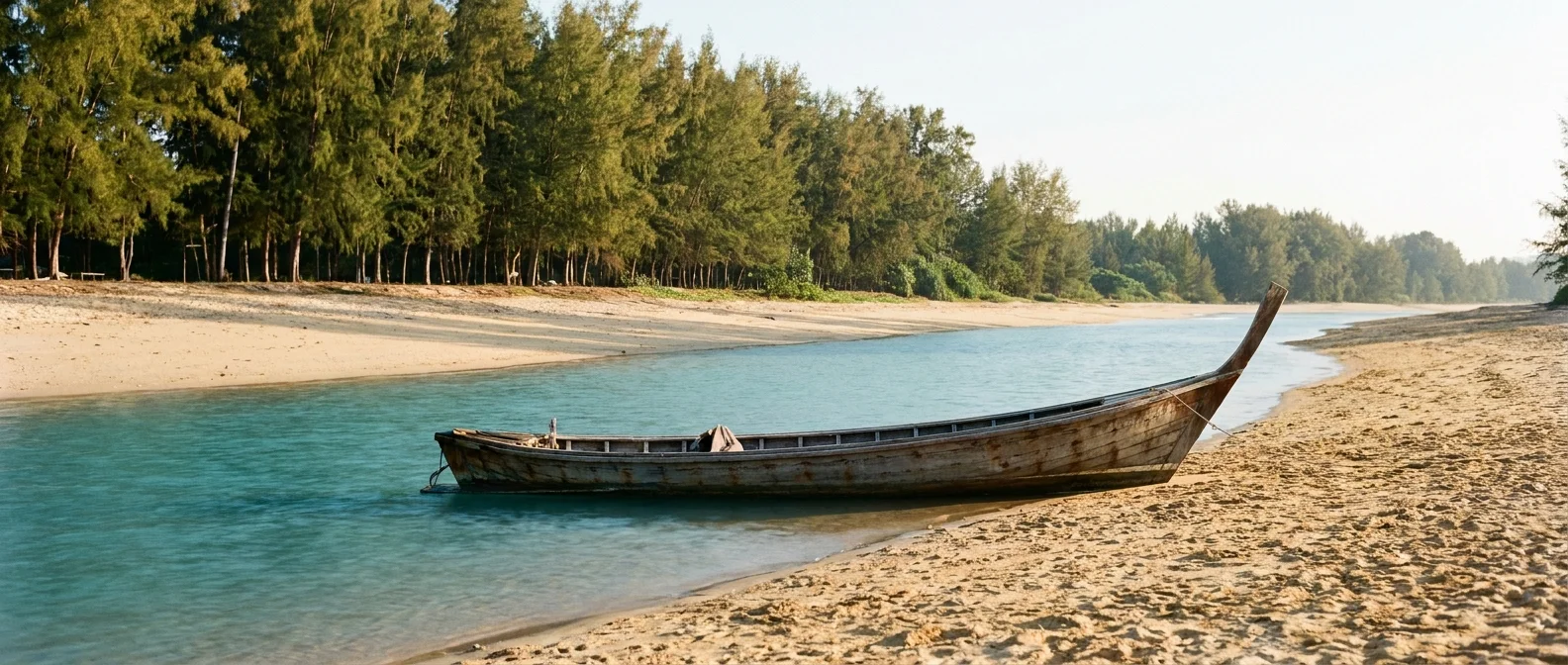
Table Of Contents
The upcoming season of The White Lotus has sparked global interest in Thailand’s luxurious resorts and stunning coastal escapes. However, finding the best quiet beaches in Phuket requires looking beyond the neon lights, busy nightlife, and crowds of Patong. The growing popularity of White Lotus Thailand has encouraged travelers to seek secluded, sustainable boutique hotels along Phuket’s northern and southeastern coasts, where they can enjoy greater privacy and a more authentic island experience.
This guide explores how to navigate the December 2026 to February 2027 peak season while discovering peaceful beaches, crystal-clear waters, and the timeless charm of Old Phuket. You’ll learn how to choose quieter coastal areas, find eco-conscious accommodation, and plan beach visits around the busiest travel hours. We’ll also highlight scenic viewpoints, local cultural experiences, and relaxing seaside escapes that many visitors overlook. With thoughtful planning, you can enjoy Phuket’s natural beauty, avoid the busiest tourist hotspots, and create a peaceful tropical getaway inspired by the luxurious atmosphere of The White Lotus.
Quick Answer
- The Best Window: December 1 to 15 offers the perfect balance of dry weather and moderate crowds before the “Festive Season” surcharges kick in.
- The Quietest Zones: Mai Khao in the far north, which features 11 kilometers of undeveloped sand, and Ao Yon in the southeast, a residential, palm-fringed cove.
- The Main Friction: Transport costs. Phuket lacks a comprehensive public rail system. Taxis are expensive, which makes the Phuket Smart Bus or ride-hailing apps essential.
- Booking Note: Use the “October Window” to secure early-bird rates. You can often find 20 to 30 percent discounts for boutique stays before high-season inventory vanishes.
| Month | Avg Daytime Temp | Crowd Level | Best For |
|---|---|---|---|
| December | 31°C (88°F) | Peak (High) | Crystal clear water, festive atmosphere, snorkeling |
| January | 32°C (90°F) | High | Stable dry weather, sailing, northern beach isolation |
| February | 33°C (91°F) | Moderate-High | Calmest seas, romantic sunsets, local festivals |
The Northern Sanctuary: Mai Khao and Nai Yang
The far north of Phuket offers a level of seclusion that mirrors a high-end film set. This area remains quiet because it is protected by Sirinat National Park. This is where you find the northern Phuket boutique hotels that prioritize sustainability over scale.
The 11-kilometer stretch of Mai Khao
Mai Khao is the longest beach on the island. It feels like a different world compared to the crowded beach clubs of the south. The sand is coarser here, and the drop-off into the Andaman Sea is steep, which keeps the jet ski operators and large crowds away.
- The Vibe: Total isolation. You can walk for miles without seeing a beach umbrella or a permanent structure.
- Logistics: The beach is located 15 minutes from Phuket International Airport (HKT). A private transfer costs approximately 600 to 800 THB (17 to 22 USD).
- Dining: Seek out the small shacks near the Sarasin Bridge at the very tip of the island. Order Geng Som, a sour, spicy fish curry that is a staple of southern Thai cuisine. It usually costs around 150 to 250 THB.
- Keyword Integration: This is one of the best quiet beaches in Phuket for those who want to avoid the resort-heavy south.
Nai Yang’s bohemian village feel.l
Just south of Mai Khao lies Nai Yang. This beach is shaded by large casuarina trees rather than palm trees. It retains a local, slow-travel atmosphere where the tide goes out for hundreds of meters.
- The Vibe: Shaded and calm. It is a favorite for local families who picnic on mats under the trees.
- Logistics: The water is shallow, which makes it the safest spot for swimming. Entry to the Sirinat National Park section costs 200 THB (approx. 5.50 USD) for foreigners.
- Dining: Grab Moo Ping, which are grilled pork skewers, from the afternoon street carts near the park entrance. They cost 10 to 15 THB per skewer.
- Keyword Integration: This beach is a cornerstone of any Phuket hidden beaches guide because it offers a local alternative to commercial hubs.
The Secret South: Ao Sane and Ao Yon
While the west coast gets the fame, the southern and eastern peninsulas hide the most secluded beaches in Phuket. These spots require more effort to reach, which naturally filters out the casual tourist.
Ao Sane: the snorkeler’s hideaway
Ao Sane is not visible from the main road. To find it, you must drive through the parking garage of the Nai Harn Yacht Club. It consists of three tiny, rocky coves.
- The Vibe: A rugged, rocky hideaway. The atmosphere is quiet and functional, focused on the water rather than beach service.
- Logistics: It is a 45-minute drive from Phuket Town. Shore-entry snorkeling is world-class here during the dry season. You can rent a mask and fins for about 150 THB from the small shop on the sand.
- Dining: There is only one kitchen on the beach. Try the Pad Thai Chaiya. This is a southern version of the classic dish that uses coconut milk and tamarind paste for a richer flavor.
Ao Yon: the “Old Phuket” experience
Ao Yon is located on the Cape Panwa peninsula. It is one of the few beaches on the island that stays calm during the monsoon season, but in the dry season, it is a mirror-flat sanctuary.
- The Vibe: A residential, palm-fringed beach tucked between steep hills. It feels like Phuket did thirty years ago.
- Logistics: It is 25 minutes from Phuket Town. There is virtually no public transport to this cove. Use the Bolt app to book a ride. A trip from Phuket Town should cost roughly 250 to 350 THB.
- Dining: Visit the morning village market nearby for Khanom Jeen Phuket. These are rice noodles served with a spicy fish curry and a massive tray of fresh herbs and pickled vegetables.
- Keyword Integration: This is exactly where to stay in Phuket away from the crowds if you want a cinematic, residential feel.
Timing and Crowd Strategy: The 8:00 am rule
To experience sustainable travel in Phuket, you must master the art of timing. This reduces your impact on local infrastructure and ensures you enjoy the silence before the heat and the crowds arrive.
Beating the longtail influx
Popular “hidden” spots like Freedom Beach are no longer secrets. If you arrive at 11:00 AM, you will find a shoreline packed with longtail boats from Patong.
- The Strategy: Arrive by 8:00 AM. The light is better for photography, the temperature is 27°C rather than 33°C, and you will have at least two hours of solitude.
- Mid-Week Advantage: Schedule your visits to spots like Laem Singh on Tuesday or Wednesday. Avoid all beaches on Sundays. This is when local residents enjoy their time off, and traffic on the coastal roads can triple.
The October booking window
Phuket operates on a strict seasonal inventory. For the December to February window, the best boutique properties often sell out by early November.
- The Strategy: Set a calendar reminder for the first week of October. This is when resorts release their final “Early Bird” allocations. You can secure rooms in the northern Phuket boutique hotels that would otherwise be double the price if booked in December.
- Keyword Integration: This is essential advice for Phuket dry season travel planning.
Navigating the Island: Transit Mechanics
Transport is the single biggest friction point on the island. The “Taxi Mafia” is a real local term for the high-priced transport cartels. Understanding how to use modern apps and local buses will save you thousands of THB.
The Phuket Smart Bus and blue songthaews
The Phuket Smart Bus is a modern, air-conditioned service that runs from Phuket Airport down the west coast to Rawai.
- Smart Bus: It costs a flat rate of 100 THB (2.80 USD). You can pay via a contactless Visa or Mastercard. It stops at major hubs like Bang Tao, Kamala, and Karon.
- Blue Songthaews: These are open-air trucks that run from the Ranong Road market in Phuket Town to various beaches. They cost 30 to 50 THB. They are slow, but they offer the most authentic and sustainable way to move between the town and the coast.
Ride-hailing and the “tuk-tuk” trap
Do not confuse Phuket tuk-tuks with the three-wheeled versions in Bangkok. In Phuket, they are small four-wheeled red vans.
- The Trap: These vans are unmetered. A five-minute drive can cost 400 THB. Always agree on a price before you sit down, or better yet, avoid them entirely.
- Apps: Bolt is generally the cheapest and most popular app on the island. Grab is more expensive but has a more reliable interface for booking airport runs at 4:00 AM.
- Keyword Integration: This knowledge is crucial for those who wonder how to avoid crowds in Phuket by staying in remote areas without the expense of a private driver.
Weather, Etiquette, and the "Beach to Street" Rule
Phuket in the winter is idyllic, but the tropical sun and local customs require specific preparation. The weather is predictable, but the cultural expectations are firm.
Phuket December weather and packing
The weather in December is the most stable of the year. You can expect daytime highs of 31°C to 33°C.
- Conditions: Humidity is at its lowest point in the year. Rainfall is rare. If it does rain, it usually occurs in 20-minute evening bursts that cool the air.
- Sun Safety: The UV index frequently hits 11 or 12 between 11:00 AM and 3:00 PM. This will burn unprotected skin in less than 15 minutes.
- Keyword Integration: This answers the common query regarding what to pack for Phuket winter.
Local etiquette and safety
Thailand is a modest country. While Phuket is a tourist hub, the local residents appreciate those who follow traditional norms.
- The Rule: Never enter a shop, temple, or restaurant in just swimwear. This includes men walking shirtless. Always put on a dry T-shirt or a sarong when you leave the sand.
- Feet: Do not point your feet at people, and never point them at a Buddha statue. The feet are considered the lowest and dirtiest part of the body.
- National Parks: Use the best reef-safe sunscreen from Thailand-approved brands. Traditional sunscreens contain oxybenzone, which is banned in Thai National Parks because it kills coral larvae.
Mistakes First-Timers Make
- The Freedom Beach myth: Many travelers head here at noon because they read it is a “hidden gem.” The consequence is that you will find a parking lot of 50 longtail boats and loud music. The fix is to arrive by 8:00 AM or choose Ao Yon instead.
- Walking between beaches: Distances look short on a map, but Phuket is mountainous and lacks sidewalks. The consequence is heat exhaustion or dangerous roadside walking. The fix is to use the Smart Bus or Bolt for even short hops between coves.
- The “closed” attraction scam: A driver may tell you a beach or temple is closed for a “holiday” to take you to a jewelry store instead. The consequence is wasted hours and high-pressure sales. The fix is to politely insist on seeing the “closed” gate yourself. It is rarely closed.
- Ignoring the flags: If you see red flags on a beach, do not enter the water. The rip currents in Phuket are powerful and can pull even strong swimmers out to sea in seconds.
Related FAQs
Mai Khao is the quietest beach due to its 11-kilometer length and National Park status. You can often walk for twenty minutes without passing another person. This makes it the ultimate escape from the island’s busier southern hubs.
While Patong and Kata reach 100 percent capacity, the northern beaches and the Cape Panwa peninsula remain tranquil. To avoid the worst crowds, travel between December 1 and 15 and avoid the “Festive Season” peak from December 20 to January 5.
Stick to ultra-lightweight natural fibers like linen and cotton. January is the peak of the dry season with high UV levels. A wide-brimmed hat and shoulder-covering layers are essential for both sun protection and temple etiquette.
Yes, but they require effort. Spots like Ao Sane and Ao Yon are not hidden from maps, but their lack of easy public transport and large-scale resorts keeps the mass-market crowds at bay. You must be willing to use ride-hailing apps or rent a scooter to reach them.
Yes, Grab and Bolt are both widely available. Bolt is often 20 to 30 percent cheaper than Grab. Grab is better for scheduling early morning airport transfers in advance. Both options are significantly cheaper and safer than using unmetered street tuk-tuks.
Closing
Now that you have mapped out the island’s quietest corners, your next step is to secure your “October Window” booking at a northern boutique resort before the White Lotus crowds arrive.

The upcoming season of The White Lotus has sparked global interest in Thailand’s luxurious resorts and stunning coastal escapes. However, finding the best quiet beaches in Phuket requires looking beyond the neon lights, busy nightlife, and crowds of Patong. The growing popularity of White Lotus Thailand has encouraged travelers to seek secluded, sustainable boutique hotels […]
The arrival of the koyo (autumn foliage) season transforms Kyoto into a breathtaking sea of fiery red maples and golden ginkgo trees, but overtourism and gridlocked traffic can spoil the experience. Every traveler wants to know: how do you avoid crowds in Kyoto autumn? This guide offers a practical, subway-first strategy for exploring Kyoto in […]
As the first frost settles over the Danube, the “First Light” window for 2026 holiday planning officially opens. For travelers seeking the quintessential European Advent experience, finding the right Vienna Christmas Market Hotels is just as important as choosing which market to visit or where to enjoy the best Glühwein. Booking early helps you secure […]