
Strasbourg Christmas Market Packing & Footwear Guide
Disclosure: To help support our website, some of the links below are affiliate links. This means that if you choose to make a purchase, we will earn a commission at no additional cost to you.
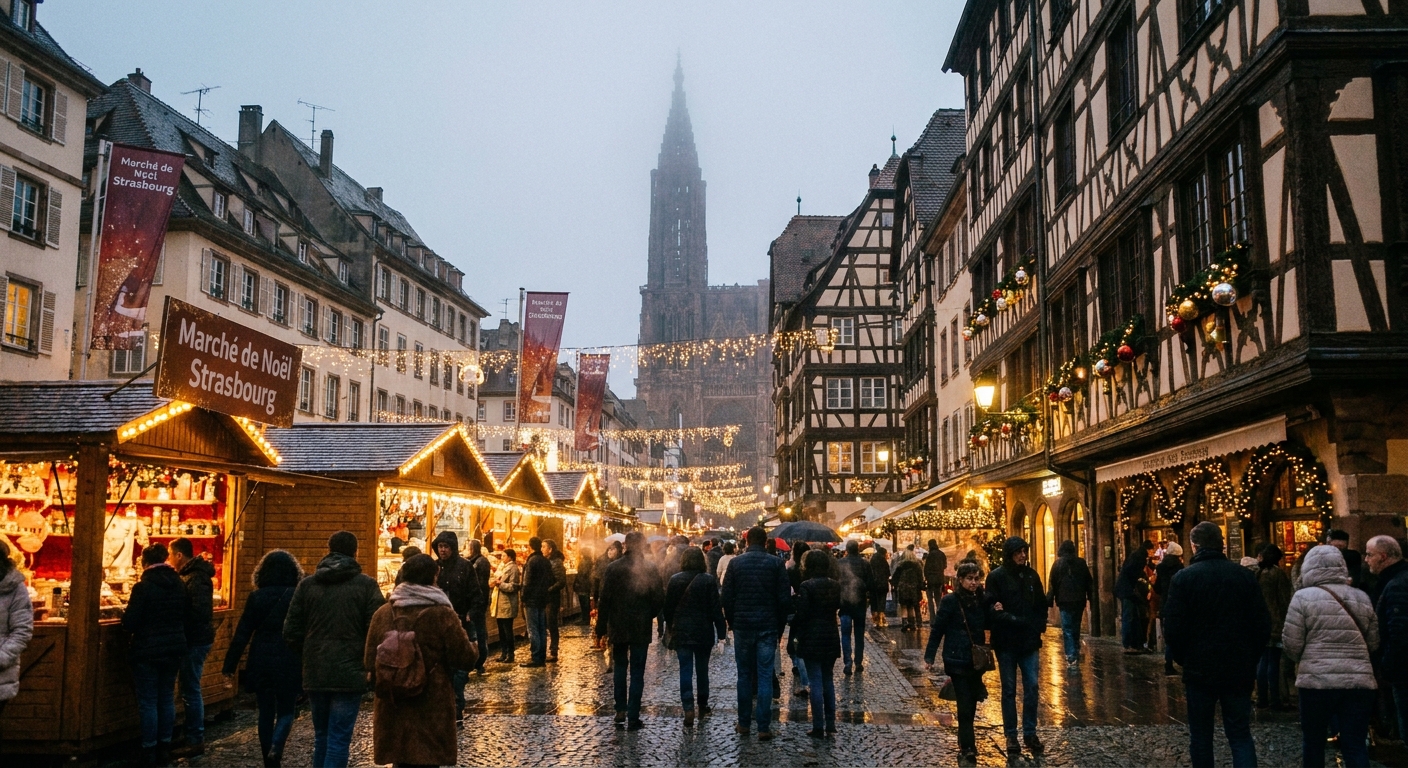
Table Of Contents
Strasbourg in December becomes a sensory masterpiece. Known as the “Capitale de Noël,” the city transforms into a festive wonderland with more than 300 wooden chalets, the warm scent of pain d’épices (gingerbread), and the glow of the 30-meter Great Christmas Tree in Place Kléber. The Strasbourg Christmas Market draws visitors into the city’s historic streets, where festive lights, traditional Alsatian food, handmade gifts, and seasonal decorations create a memorable winter atmosphere. However, beneath the fairy lights lies a logistical challenge that catches thousands of travelers off guard every year: Alsace’s damp, bone-chilling winter cold can settle along the Ill River and spread across the ancient, uneven cobblestones of the Grande Île.
For the pragmatic traveler, enjoying Alsace means more than finding the best Vin Chaud. You also need to prepare for long walking days, cold temperatures, crowded streets, and slippery cobblestones without sacrificing comfort or style. A typical day at the Strasbourg Christmas Market can involve several miles of walking between market squares, historic neighborhoods, cafés, and Christmas attractions. Choosing the right footwear, layering your clothing, and protecting yourself from wind and rain can make a major difference.
To navigate Strasbourg’s festive season like a veteran, you need to understand how the city’s 16th-century geography interacts with modern winter travel needs. Prepare for narrow streets, uneven surfaces, sudden weather changes, and busy pedestrian areas, and you can focus on enjoying the lights, food, and atmosphere instead of worrying about cold feet or uncomfortable clothing.
Navigating the "Capitale de Noël": Geography and Crowd Mechanics
Strasbourg’s markets are not a single event but a constellation of themed squares spread across the Grande Île, the city’s UNESCO-listed historic center. Understanding the layout is vital for pacing your day and managing your physical energy.
- The Security Ring: During the market season, the entire city center is pedestrianized. Security checkpoints are stationed at every bridge leading into the Grande Île. Expect bag checks and brief delays. If you are staying outside the center, factor in an extra 15 minutes for these crossings.
- The “Strasbourg Stroll” Itinerary: A typical day involves a loop starting at Place de la Gare (the train station), moving through the narrow, picturesque alleys of Petite France, and culminating at the Place de la Cathédrale. The terrain is almost exclusively cobblestone—beautiful, but notoriously slick when frosted or wet.
- Crowd Management: The markets are most congested between 4:00 PM and 7:00 PM when the lights flicker on. To avoid the “shuffle-step”—a slow, jerky gait that is significantly harder on the calves and lower back than a brisk walk—visit the Place Broglie market (the oldest in the city) during the weekday mornings.
- Transit Mechanics: While the city is walkable, the CTS Tram system is world-class. If your feet flag, the “A” or “D” lines can whisk you from the center back to the station area in minutes. Always validate your ticket before boarding at the platform kiosks; inspectors are frequent and unforgiving during the holiday rush.
Kyoto Autumn Packing Guide: Layering & Gear for Momiji to stay warm and stylish while exploring.
The Thermal Strategy: Layering for the Alsatian Microclimate
The temperature in Strasbourg often hovers around 0°C (32°F), but the humidity from the surrounding Rhine Valley makes it feel significantly colder. The goal is “Active Warmth”—staying warm while standing still at a market stall for 30 minutes, but avoiding sweat while walking between squares.
The Three-Layer Rule
1. The Base: A high-quality merino wool long-sleeve top. Merino is essential because it regulates temperature when you move from the freezing outdoors into a sweltering, crowded Winstub (Alsatian tavern). Synthetic heat-tech layers often trap moisture, leading to a chill once you step back outside.
2. The Mid: A lightweight down vest or a heavy wool sweater. This layer provides the loft needed to trap body heat.
3. The Outer: A windproof, water-resistant parka that hits mid-thigh. The extra length is crucial for protecting your core while sitting on cold stone benches or riding the tram.
The “Winstub” Transition
Alsatian dining rooms are notoriously cozy, historic, and cramped. Bulky, floor-length coats are a liability in these spaces. Opt for layers that can be easily shed and stowed. Because you will be passing through multiple security checkpoints, keep your essentials organized. A slim, anti-theft crossbody bag worn under your coat is the gold standard here; it keeps your passport and Euros secure in dense crowds at Place Kléber while allowing you to pass through bag checks with minimal fumbling.
Mastering Sub-Zero Photography in Tromsø.
Footwear Engineering: Conquering the Cobblestones
In Strasbourg, your shoes are your most important piece of travel equipment. The “Stone Bruising” caused by thin-soled shoes is the primary reason travelers cut their trips short. When you spend eight hours on frozen 16th-century stone, the impact radiates through your heels and into your lower back.
The Thermal Drain
Heat escapes your body fastest through your feet when standing on frozen ground. You need a “thermal break”—a thick rubber lugged sole that creates physical distance between your foot and the ice-cold stones. This is why standard fashion sneakers or flat-soled leather boots fail; they offer zero insulation from the ground up.
The Waterproof Necessity
December in Alsace often brings “slush season.” Suede or untreated canvas will be ruined within hours by the salt and dampness. Ensure your footwear features a GORE-TEX membrane or treated leather. Waterproof Chelsea boots with a heavy, slip-resistant sole (such as the Blundstone Thermal series or Sorel Explorer) provide the necessary ankle stability for uneven stones and the traction needed for wet bridges, all while looking polished enough for a formal dinner at Maison Kammerzell.
The “Two-Month Break-In” Rule
This is the most crucial piece of advice for any Christmas market traveler: Never wear brand-new boots to Strasbourg. The rigid leather of a new winter boot, combined with the lateral stress of walking on cobblestones, is a recipe for debilitating blisters. Start wearing your selected footwear at least eight weeks before your trip. Use the 20-40-60 rule: wear them for 20 minutes around the house, 40 minutes on a grocery run, and 60 minutes on a weekend walk. If you have plantar fasciitis or high arches, use this time to test thermal orthotic insoles, which add both comfort and an extra layer of insulation.
The Sock Gap
Pack two pairs of mid-weight merino wool socks per day. If your feet get damp from snow or sweat, changing your socks mid-afternoon at a café is a “pro-move” that prevents blisters and deep-tissue chills. Ensure your boots are sized slightly large to accommodate these thicker socks; if the fit is too tight, it restricts blood flow, which actually makes your feet colder.
Top 10 Reasons to Travel the World and start exploring new horizons.
Market Etiquette and Survival Logistics
To enjoy the markets without frustration, you must understand the local “rules of the road” that govern the Christkindelsmärik.
The Ecocup System: When you buy Vin Chaud (mulled wine) or Jus de Pomme Chaud (hot apple juice), you will pay a 1€ or 2€ deposit for the plastic cup. You can return the cup to any stall with the same logo to get your deposit back, or keep it as a souvenir. A small mesh bag for these damp cups keeps your main bag from getting sticky.
- Cash vs. Card: While most major stalls now accept contactless payment, the smaller artisanal craft stalls in Place des Meuniers often require cash for purchases under 10€. Keep a small stash of 1€ and 2€ coins; you’ll also need them for the few public restrooms available.
- Public Restrooms: These are notoriously difficult to find in the heat of the market. Your best bets are the Galeries Lafayette department store (top floor) or the public toilets located near the Place du Château. Most cafés will only allow patrons to use the facilities, so plan your restroom breaks around your coffee or wine stops.
Dining Reservations: During December, it is nearly impossible to walk into a reputable restaurant like Le Clou or Chez Yvonne without a reservation. Book your dinner tables at least 3–4 weeks in advance. If you’re traveling solo, the “bar seating” in many Winstubs is your best chance for a last-minute spot.
The "Essential 10" Packing Checklist
- Footwear: Waterproof, lug-soled boots (broken in for at least 8 weeks).
- Socks: 4–5 pairs of Merino wool (Darn Tough or Smartwool are industry standards).
- Base Layers: 2 sets of merino thermal tops and bottoms.
- Headwear: A wool beanie that covers the ears (the wind off the Ill River is sharp).
- Gloves: Tech-compatible gloves so you don’t have to expose skin to take photos of the Cathedral.
- Power Bank: Cold weather drains smartphone batteries 30% faster. A slim 10,000mAh bank is essential for navigation.
- Tote Bag: A foldable nylon bag for market finds; Strasbourg has strict rules regarding single-use plastic bags.
- Blister Kit: Hydrocolloid bandages (Compeed) are superior to standard Band-Aids for cobblestone friction.
- Scarf: An oversized blanket scarf to block drafts while standing in outdoor queues.
- Umbrella: A compact, wind-resistant travel umbrella for the frequent Alsatian drizzle.
Why We Need Travel to Truly Live for a dose of wanderlust.
Related FAQs
No. Heavy, knee-high snow boots are overkill and will make you overheat in shops, museums, and restaurants. You need winterized walking boots—something with insulation and a thick sole, but agile enough for city walking.
It is very challenging. The combination of thick crowds and 16th-century cobblestones makes strollers difficult to maneuver. A baby carrier is highly recommended for the market areas to avoid the frustration of getting wheels stuck in the stone gaps.
Look for Grumbeerekiechle (traditional Alsatian potato pancakes) or a Baguette Flambée (a portable version of Tarte Flambée). They are high-calorie, served piping hot, and provide the fuel needed for a 10-mile walking day.
Remove the insoles every night to let them air out. If your hotel room has a heated towel rack, place your boots near (not on) it to ensure they are bone-dry by morning. Moisture trapped in the lining is the primary cause of both odor and cold feet the following day.
Only if they are specifically “winterized” (waterproof with significant tread). Standard fashion sneakers offer no insulation from the cold ground and will leave your feet aching and frozen by hour three. If sneakers are your only option, add a thermal wool insole to provide a barrier against the cold stones.
Final Thought
Strasbourg’s Christmas market rewards travelers who solve the cold and the cobblestones before they land. Break in waterproof, lugged boots for eight weeks, layer with merino instead of synthetics, and keep coins on hand for restrooms and small stalls — and the ten-mile market days become part of the magic rather than a test of endurance.
Get the footwear and layering right, and the Capitale de Noël does the rest.

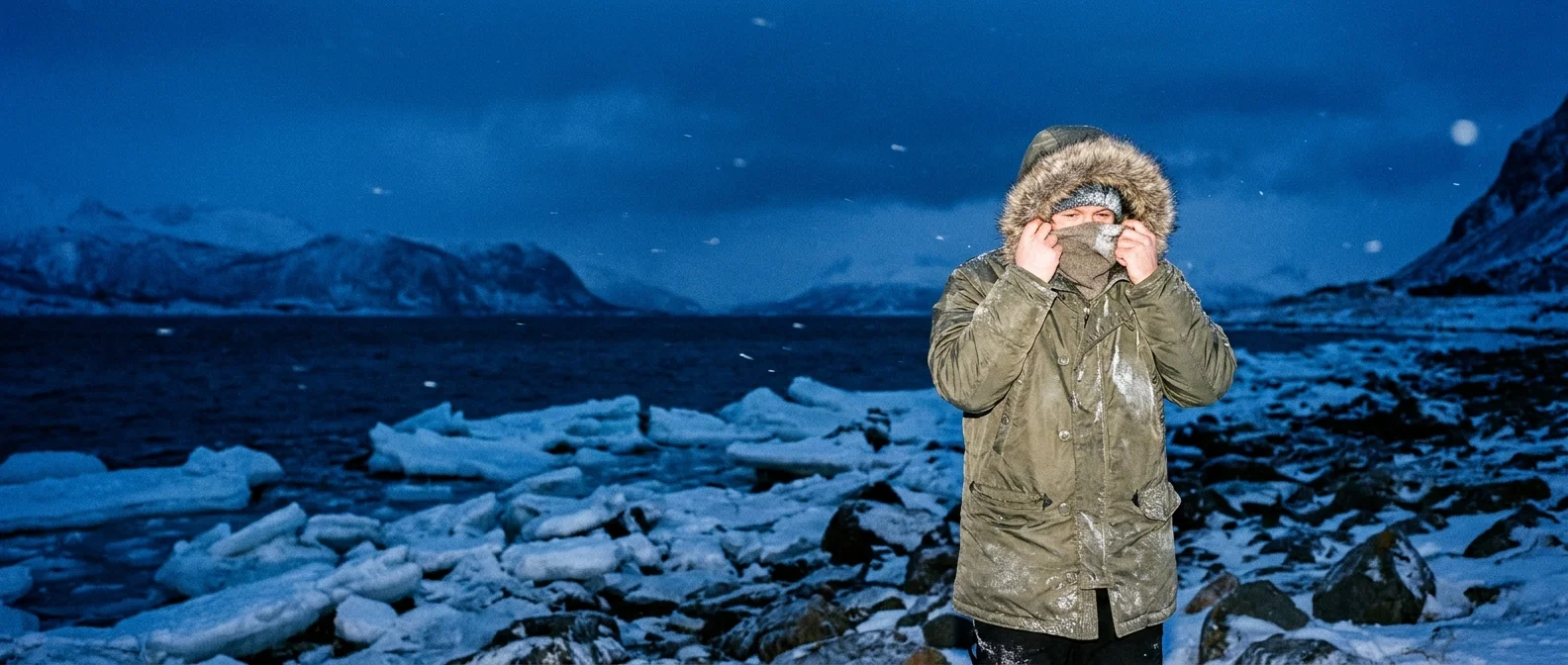
As the sun dips below the horizon during the Polar Night, travelers heading to Northern Norway face a unique challenge: staying warm through prolonged exposure to freezing temperatures. During a four-hour stationary Aurora vigil, inland temperatures can drop to -25°C, making ordinary winter clothing inadequate. This Tromsø Winter Packing List helps you move beyond everyday […]

The upcoming season of The White Lotus has sparked global interest in Thailand’s luxurious resorts and stunning coastal escapes. However, finding the best quiet beaches in Phuket requires looking beyond the neon lights, busy nightlife, and crowds of Patong. The growing popularity of White Lotus Thailand has encouraged travelers to seek secluded, sustainable boutique hotels […]
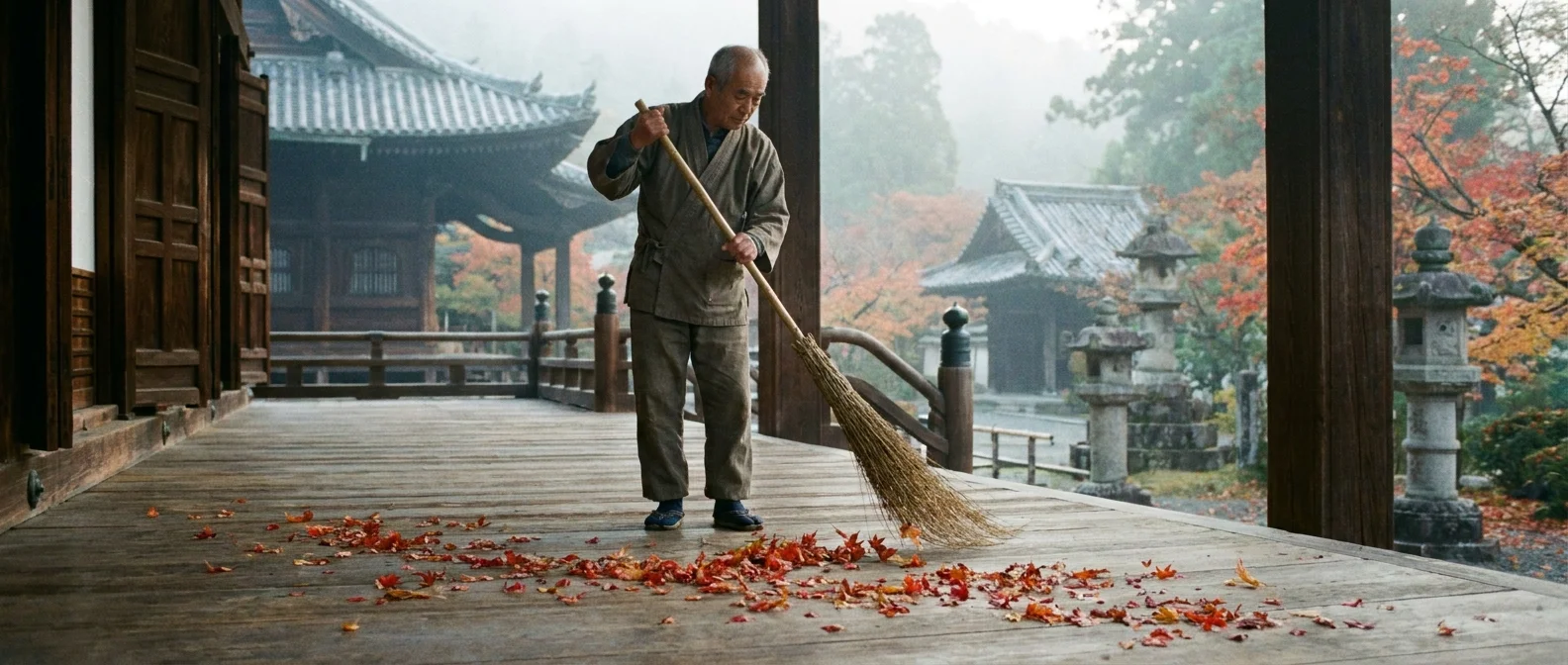
The arrival of the koyo (autumn foliage) season transforms Kyoto into a breathtaking sea of fiery red maples and golden ginkgo trees, but overtourism and gridlocked traffic can spoil the experience. Every traveler wants to know: how do you avoid crowds in Kyoto autumn? This guide offers a practical, subway-first strategy for exploring Kyoto in […]