
Gorilla Trekking Bwindi Uganda: Permit Booking Hacks & Hiking Gear Checklist
Disclosure: To help support our website, some of the links below are affiliate links. This means that if you choose to make a purchase, we will earn a commission at no additional cost to you.
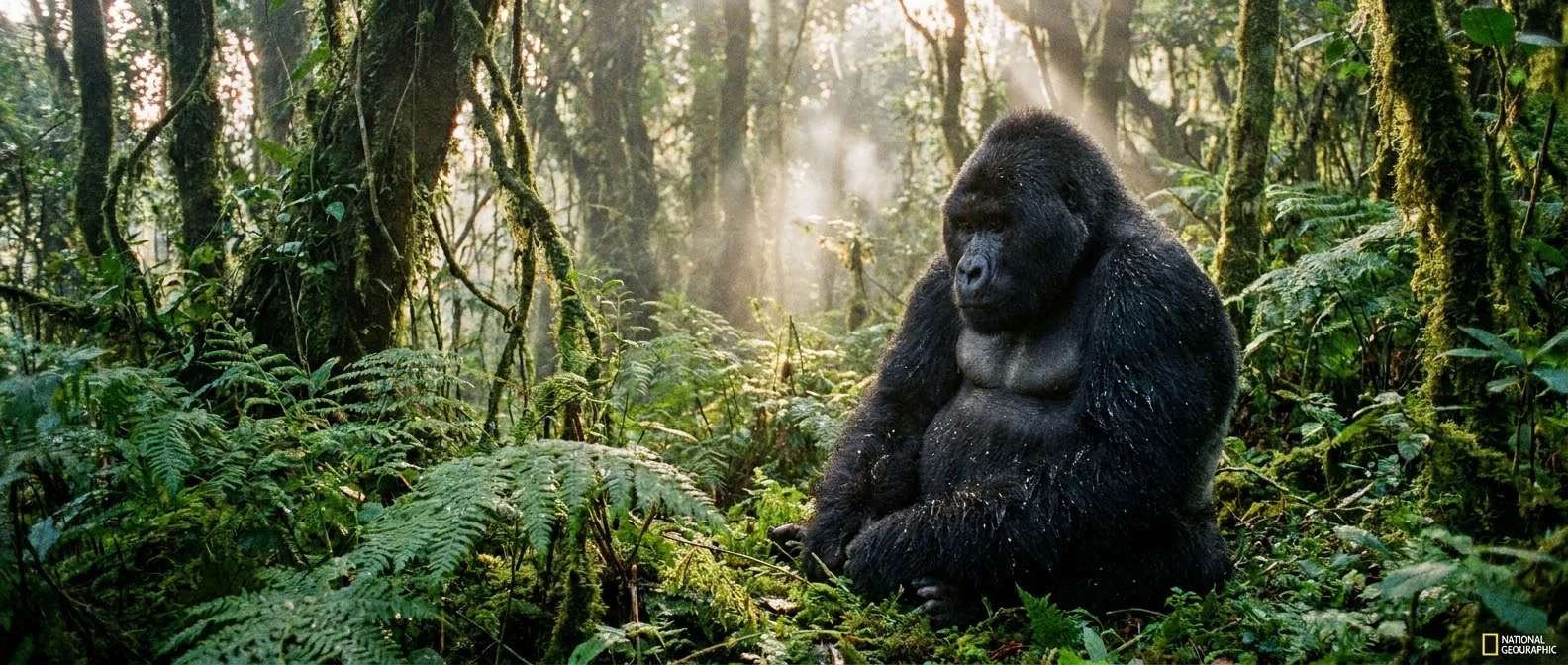
Table Of Contents
The Bwindi gorilla permit booking tips in this guide will help you plan a smooth and unforgettable wildlife adventure in Uganda. There is a profound, almost primal stillness that descends upon the jungle just before you lock eyes with a 400-pound silverback gorilla. Deep within the emerald embrace of Uganda’s Bwindi Impenetrable National Park, the air carries the scent of crushed ferns, while thick mist and dense vegetation create an atmosphere of anticipation. Yet, reaching this remote corner of East Africa requires far more than just a plane ticket; it demands strategic planning and careful preparation. Whether you are mapping out cross-border transit routes or consulting essential travel guides and packing tips, you should start organizing your Bwindi adventure months before you reach the muddy trailhead.
Securing a gorilla trekking permit stands among the most important steps in your planning process, as limited daily permits can make availability competitive, especially during peak travel seasons. You also need to choose your trekking sector, arrange transportation and accommodation, and prepare for challenging trails and changing weather conditions. From understanding permit requirements and booking timelines to packing the right clothing and equipment, this guide covers the essential details you need to make your expedition safe, comfortable, and memorable.
Fat Bear Week 2027: The Ultimate Katmai Guide.
Decoding Bwindi: Sectors, Transit, and Logistics
Bwindi Impenetrable National Park spans over 124 square miles of tangled, ancient rainforest, but it is not a single, monolithic destination. The park is divided into four distinct trekking sectors, each offering a unique topographical challenge and atmosphere. Your permit dictates which trailhead you will conquer, making your choice of sector the foundational pillar of your itinerary.
- Buhoma (North): As the oldest and most popular sector, Buhoma generally offers the gentlest terrain. It is also the hub for high-end luxury lodges, making it the preferred choice for travelers seeking a seamless blend of adventure and opulence.
- Ruhija (East): Sitting at an elevation of over 2,300 meters, Ruhija is noticeably colder. It is a haven for bird watchers and is home to the highly active Bitukura and Oruzogo gorilla families.
- Rushaga (South): This sector boasts the highest number of habituated gorilla families, increasing your options for permit availability. However, the terrain here is characterized by steep, challenging ridges.
- Nkuringo (South): Offering breathtaking, panoramic views of the distant Virunga Volcanoes, Nkuringo is undeniably stunning. It also features the most grueling, vertical hikes in the park, best reserved for highly fit trekkers.
The Ultimate Transit Hack:
Most travelers assume they must fly into Uganda’s Entebbe International Airport (EBB). However, driving from Entebbe to Bwindi is a punishing 9- to 10-hour overland journey. If you must fly into Entebbe, bypass the drive by booking a domestic bush flight via Aerolink Uganda to either the Kihihi Airstrip (for Buhoma/Ruhija) or Kisoro Airstrip (for Rushaga/Nkuringo).
The true insider hack, however, is the Kigali Route. Savvy travelers fly into Kigali International Airport (KGL) in neighboring Rwanda. From Kigali, the drive across the Cyanika or Gatuna land borders into Uganda’s southern Bwindi sectors takes merely 4 to 5 hours. This route saves an entire day of travel, provided you secure an East African Tourist Visa in advance.
The Ultimate Permit Booking Hacks
Securing a gorilla trekking permit is often the most anxiety-inducing aspect of planning a Ugandan safari. With only 152 permits issued daily across the entire park, demand fiercely outpaces supply, particularly during the peak dry seasons of June through August and December through February.
As of July 2024, a Ugandan gorilla trekking permit costs $800 USD per person. While this is a significant investment, it remains highly competitive compared to neighboring Rwanda, where permits cost $1,500 USD.
The Operator Hack:
Do not attempt to book your permit directly through the Uganda Wildlife Authority (UWA) as an independent traveler. Communication can be notoriously slow, and the bureaucracy is difficult to navigate from abroad. Instead, utilize a registered local operator under the Association of Uganda Tour Operators (AUTO). These vetted agencies have direct access to the UWA portal and can secure permits instantly. Always book your permits 6 to 12 months in advance to guarantee your preferred dates and trekking sector.
Bwindi Trekking Sectors at a Glance
| Trekking Sector | Location | Terrain Difficulty | Best Suited For |
|---|---|---|---|
| Buhoma | North | Mild to Moderate | Luxury travelers, moderate fitness levels. |
| Ruhija | East | Moderate | Bird enthusiasts, high-altitude trekkers. |
| Rushaga | South | Challenging | Those seeking high permit availability. |
| Nkuringo | South | Extremely Challenging | Elite hikers, landscape photographers. |
Cape Town Transit & Load Shedding Survival Guide.
The Bwindi Hiking Gear Checklist: Packing for the Impenetrable Forest
Bwindi’s climate is notoriously unpredictable. With altitudes ranging from 1,160 to 2,607 meters, mornings are frigid, afternoons are stiflingly humid, and torrential downpours are a constant threat regardless of the season. While packing for a humid, high-altitude African rainforest differs vastly from preparing for the Arctic, the core principle of strategic layering remains identical. Just as you would meticulously consult a Troms winter packing list to survive freezing Norwegian snowscapes, conquering Bwindi requires a highly specialized, climate-specific wardrobe.
The Non-Negotiable Gear Checklist:
- Aggressive Waterproof Footwear: Leave the trail runners at home. You need broken-in, fully waterproof hiking boots with aggressive tread and rigid ankle support. The trails are slick with notorious “Bwindi mud,” and you will frequently hike off-trail on steep inclines.
- Thick Gardening Gloves: This is the most crucial, yet frequently overlooked, item. To navigate the steep, slippery terrain, you will constantly grab onto vines, branches, and roots to pull yourself up. Many of these plants are covered in vicious thorns or stinging nettles. A cheap pair of thick gardening gloves is an absolute lifesaver.
- Knee-High Gaiters: Waterproof gaiters serve a dual purpose: they keep the relentless mud out of your boots and, more importantly, prevent safari ants (fire ants) from crawling up your trousers.
- Strategic Apparel: Opt for long-sleeved, moisture-wicking shirts and lightweight, ripstop trekking pants. Never wear jeans, as they become heavy and chafe when wet. Stick to muted greens, browns, or khakis. Strictly avoid black and dark blue clothing, as these colors attract biting tsetse flies.
- Rain Gear & Protection: Pack a lightweight, breathable Gore-Tex rain shell and a waterproof cover for your daypack to protect your camera gear from sudden jungle downpours.
On the Trail: Etiquette, Porters, and the Gorilla Encounter
The trek itself can last anywhere from two to eight hours, involving vertical ascents through dense, trackless vegetation. At the trailhead, you will be offered the chance to hire a local porter for $20 to $25 USD.
Editorial Stance: Always hire a porter. Even if you are an elite marathoner, hiring a porter is an unwritten rule of Bwindi. Not only do they provide vital direct income to local communities—many of whom are marginalized groups or former poachers—but they will also literally push and pull you up vertical mudslides while carrying your heavy daypack.
Once the advance trackers locate your assigned gorilla family, the real magic begins. However, strict etiquette must be followed to protect these endangered primates:
- The 7-Meter Rule: Trekkers must maintain a strict distance of 7 meters (21 feet) from the gorillas at all times. Gorillas share 98% of our DNA and are highly susceptible to human respiratory diseases.
- Behavioral Protocols: Flash photography is strictly forbidden, as it can agitate the animals. Keep your voice to a whisper. If a silverback mock-charges—a rare but thrilling display of dominance—you must crouch down, look away, and adopt a submissive posture. Never, under any circumstances, run.
Naadam Festival Mongolia: How to Book Tickets, Transit & Yurt Stay Logistics.
Related FAQs
Yes. The Uganda Wildlife Authority strictly enforces a minimum age of 15 years old for gorilla trekking. This rule is in place because younger children are more prone to carrying communicable childhood diseases and may react unpredictably if a silverback approaches.
You need a moderate to high level of cardiovascular fitness. You will be hiking at high altitudes, often hacking through thick brush on 45-degree muddy inclines. If you are concerned about your fitness, request a trek in the Buhoma sector and ask your guide to assign you to a gorilla family known to range closer to the trailhead.
There are no facilities once you enter the Impenetrable Forest. If nature calls, inform your guide. They will use a machete to dig a hole in the ground for you. You must bring your own biodegradable wipes and pack out any non-biodegradable waste in a Ziploc bag.
While nature is never 100% predictable, the success rate for seeing gorillas in Bwindi is approximately 99%. Advance trackers enter the forest at dawn to locate the families where they nested the night before, communicating their coordinates to your guide via radio.
The Final Ascent
Gorilla trekking in Bwindi Impenetrable National Park is not merely a wildlife safari; it is a pilgrimage. The physical exertion, the mud, the stinging nettles, and the logistical hurdles all fade into insignificance the moment the foliage parts, and you are welcomed into the quiet, intimate world of a gorilla family. Watching a silverback gently groom his young, or a juvenile playfully swing from a mahogany branch, is a profound reminder of our shared ancestry. By planning meticulously, packing strategically, and respecting the delicate ecosystem of the forest, you ensure that this bucket-list adventure is not only successful for you, but sustainable for the magnificent creatures that call Bwindi home. Start breaking in those hiking boots today; the Impenetrable Forest awaits.

Patagonia shoulder season packing requires careful planning because the region’s unpredictable weather can change dramatically within hours. Picture standing before the jagged granite spires of Mount Fitz Roy as an autumn wind howls through the crimson lenga forests, or watching a puma move through the blooming flora of Torres del Paine in the crisp spring […]
The Bwindi gorilla permit booking tips in this guide will help you plan a smooth and unforgettable wildlife adventure in Uganda. There is a profound, almost primal stillness that descends upon the jungle just before you lock eyes with a 400-pound silverback gorilla. Deep within the emerald embrace of Uganda’s Bwindi Impenetrable National Park, the […]
Atacama Desert stargazing tour booking offers travelers a chance to experience one of the clearest night skies on Earth. There is a moment just after twilight in the Atacama Desert when the horizon bleeds from bruised purple into an inky, fathomless black. Suddenly, the sky shatters into a billion points of diamond-hard light. As the […]