
Fat Bear Week 2027: The Ultimate Katmai Guide
Disclosure: To help support our website, some of the links below are affiliate links. This means that if you choose to make a purchase, we will earn a commission at no additional cost to you.
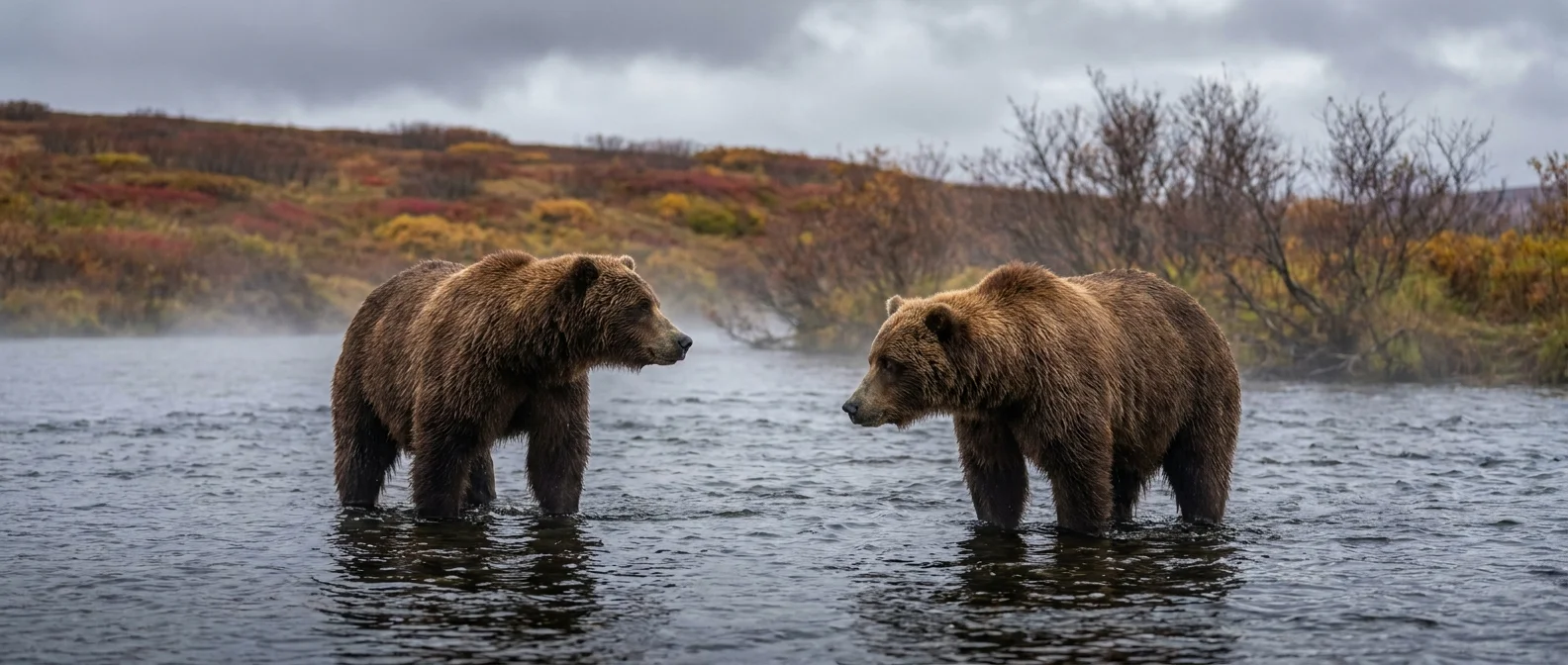
Table Of Contents
Every autumn, the internet erupts into a frenzy over the residents of Brooks River as Fat Bear Week 2027 brings global attention to Katmai National Park’s famous brown bears. However, for travelers who want to witness these incredible animals in person, the journey requires careful planning well before the competition begins. This Katmai bear-watching travel guide explains how to prepare for the 2027 season, from understanding access restrictions and booking bush plane flights to planning accommodation and navigating Alaska’s remote wilderness. The biggest question for aspiring visitors is simple: “How do I actually get to Brooks Falls during Fat Bear Week 2027?” We’ll explore transportation options, booking considerations, bear-viewing platforms, seasonal weather conditions, and essential safety guidelines. You’ll also learn why early preparation matters when arranging a trip to this remote destination. By the end of this guide, you’ll have a practical starting point for turning your online interest in Fat Bear Week into a memorable Alaskan wildlife adventure while respecting the bears and their natural habitat.
Quick answer
- The best window: Late September (September 20 to 30) offers the highest bear weights and the Fat Bear Week atmosphere, though July is better for seeing bears jumping at the falls.
- Expected conditions: September is cold (30°F to 55°F) and wet with sideways rain; July is bug-heavy but warmer (50°F to 65°F).
- The main friction: Access is strictly limited. Brooks Lodge rooms are awarded via a lottery 18 months in advance: campground permits sell out in minutes each January.
- Booking note: Expect to spend $1,200 to $1,500 per person for a basic two-day trip (including flights from Anchorage), even if camping.
| Month | Daytime Temp | Crowd Level | Best For |
|---|---|---|---|
| July | 50°F – 65°F | Extreme | Bears catching salmon mid-air at Brooks Falls. |
| August | 50°F – 65°F | Moderate | Hiking and berries: bears often leave the falls for tundra streams. |
| September | 40°F – 55°F | High | Fat Bear Week Alaska: maximum bear size and fall colors. |
The 18-Month Countdown: Securing your Spot
Securing a bed at Brooks Camp is one of the most competitive logistical hurdles in North American travel. The Brooks Lodge lottery 2027 is the primary mechanism for access. This lottery takes place in December 2025 and January 2026 for the 2027 season. If you miss this 18-month window, your chances of staying at the lodge drop to near zero, barring a last-minute cancellation, which is rare during the peak of Fat Bear Week.
For travelers who prefer a more self-directed approach or those who miss the lodge lottery, the campground is the only alternative within walking distance of the falls. The permit process for the Brooks Camp Campground is managed through Recreation.gov. These permits do not use a lottery: they operate on a first-come, first-served basis. They typically open on January 5th of the year of travel at 8:00 AM Alaska Standard Time. Every permit for the entire season, especially the July and September peaks, usually vanishes within seconds. These permits cost approximately $12 to $18 per person per night.
The budget hack for Katmai is simple: the campground. While the lodge costs can exceed $900 per night for a cabin that sleeps four, campers pay a fraction of that price while enjoying the same 24-hour access to the viewing platforms. Campers and lodge guests share the same communal areas, including the “Bear Shelter” for cooking and the lodge dining hall where buffet meals are available for purchase. This allows a traveler to experience the park for 2% of the lodging price while maintaining the same proximity to the wildlife.
Navigating the Roadless Wilderness: Transit Mechanics.
Katmai National Park is not on the Alaskan road system. To reach Brooks Camp, you must execute a multi-leg journey that relies on commercial aviation and bush pilots. The first leg involves a flight from Anchorage (ANC) to King Salmon (AKN). This route is served by Alaska Airlines and Ravn Alaska. These flights use Dash 8 or similar regional turboprop aircraft.
The second leg is the most critical: the Katmai floatplane travel logistics. From King Salmon, you must board a small floatplane operated by Katmai Air or a similar local air taxi. These planes land directly on Naknek Lake in front of Brooks Camp. Alternatively, a water taxi service operates from King Salmon, which takes about 45 to 60 minutes depending on lake conditions. The water taxi is often more reliable during periods of low ceiling or light fog that might ground a floatplane.
Weight limits are the primary source of friction during this leg. Bush planes have strict 50lb per person weight limits for all luggage, including camera gear. If your bags exceed this limit, they will be bumped to a later flight, which might not arrive for 24 hours. Use soft-sided duffel bags rather than hard-shell suitcases, as they are easier for pilots to pack into the small holds of a DeHavilland Beaver or Cessna 206.
When planning how to get to Katmai National Park, build in a buffer zone. A four-hour connection window in King Salmon is the minimum recommendation. The region is prone to equatorial gales and heavy fog that can ground flights for hours or even days. If you book the last flight of the day from King Salmon to Brooks Camp and it is cancelled, you will be responsible for finding lodging in King Salmon, which is extremely limited.
Fat Bear Season vs. The Salmon Run: Timing your Trip
The experience of Katmai changes fundamentally between the summer and autumn. In July, the energy is high. Sockeye salmon are fresh from the ocean and attempting to leap Brooks Falls to reach their spawning grounds. This is when you see the iconic images of bears standing at the lip of the falls catching fish mid-air. The daylight is nearly endless, with 19 hours of sun, and the mosquito pressure is at its peak.
By September, the atmosphere shifts. This is the Fat Bear Week Alaska season. The bears are no longer lean: they have spent three months gorging on protein. The salmon are now spent, meaning they have spawned and are dying. The bears move from the top of the falls to the lower river and the mouth of the Brooks River to scavenge these dying fish. This is the best time to see the bears at their maximum physical size as they prepare for hibernation.
The Katmai National Park weather in September is significantly more challenging than in July. Temperatures frequently drop to 30°F at night and rarely rise above 55°F during the day. The region experiences heavy, horizontal rain and high winds. However, the first hard frost usually occurs in early September, which kills off the mosquito and biting fly populations. The tundra also turns a deep crimson and gold, providing a stark color palette for photography that July lacks.
Zone-by-Zone: Where to See the Action
The Brooks Camp area is divided into specific viewing zones, each with its own rules and seasonal advantages. The Brooks Falls Platform is the most famous. It has a strict 40-person capacity limit. During July and the peak of Fat Bear Week, a Ranger-managed waitlist is implemented. You check in with a Ranger, receive a pager or a time slot, and wait your turn. Wait times can range from one to three hours. Once on the platform, you are typically limited to one hour of viewing before you must rotate out if others are waiting.
The Lower River and the Floating Bridge are the premier spots for September viewing. As the salmon die off, they drift downriver and collect in the shallows near the bridge. Bears will “snorkel” here, putting their faces underwater to look for carcasses. This area offers ground-level perspectives that the elevated falls platform does not. It is also the site of frequent bear traffic as animals move from the lake shore to the river.
For those who need a break from the crowds at the boardwalks, the Valley of Ten Thousand Smokes offers a different perspective of the park. A 23-mile bus trip leaves from Brooks Camp daily, taking visitors to the site of the 1912 Novarupta eruption. This is a landscape of volcanic ash and deep canyons. It provides a stark contrast to the lush, bear-crowded river environment and is one of the few places in the park where you can hike significant distances without the constant presence of high-density wildlife. This trip takes the better part of a day and should be booked in advance at the lodge.
Bear School, Safety, and the "Bear Jam"
Every visitor to Brooks Camp, regardless of whether they arrive for an hour or a week, must attend “Bear School.” This is a mandatory 15-minute briefing conducted by National Park Service Rangers at the Visitor Center. You will learn how to behave when encountering a bear on a trail and how to properly store gear. Upon completion, you receive a small permit pin that must be visible on your clothing or pack at all times.
The 50-yard rule is the fundamental law of Katmai. You must maintain a distance of at least 50 yards from any bear. If a bear is a sow with cubs, that distance should be increased to 100 yards. Because the bears at Brooks Camp are “habituated” (meaning they are used to human presence but not tame), they will often walk directly down the human trails. When this happens, a “Bear Jam” occurs. Rangers will close the trails or the bridge until the bear moves a safe distance away. These jams can last from ten minutes to two hours. You must factor this into your schedule, especially when trying to catch a departing floatplane.
When asking if you need a guide for Katmai National Park, the answer is generally no for the Brooks Camp area. The trails are well marked, the platforms are managed by Rangers, and the orientation provides the necessary safety information. However, you must be disciplined about food. Carrying food on your person is strictly prohibited outside of the lodge and the designated “Bear Cache” storage units. Even a gum wrapper in your pocket can attract a bear’s attention and lead to a dangerous interaction.
Mistakes First-Timers Make
The August Myth is the most common planning error. Many travelers assume that because August is the middle of summer, the bear viewing will be at its peak. In reality, August is often a “slow” month at Brooks Falls. Once the initial salmon run ends in late July, the fish move upstream to spawn in small creeks. The bears follow them, leaving the falls for the tundra and berry patches. If you visit in mid-August, you may only see one or two bears at the falls. The fix is to aim for the July salmon leap or the late September Fat Bear Week.
Attempting a Katmai day trip from Anchorage is another frequent mistake. This involves a 6:00 AM departure and a 9:00 PM return, with over six hours spent in transit. Because of the mandatory Bear School and the likelihood of Bear Jams, day trippers often find they only have two or three hours of actual viewing time. If the falls platform has a two-hour waitlist, you may miss the bears entirely. The fix is to stay at least one night in King Salmon or within the park to ensure you have multiple viewing windows.
Luggage overages cause significant friction at the floatplane dock. Bringing hard-sided suitcases or exceeding the 50lb limit will result in your gear being left behind. Pilots prioritize passengers and fuel: extra weight is the first thing to be cut. The fix is to use soft-sided waterproof duffels and weigh them with a luggage scale before arriving in King Salmon. If you have excess gear, most hotels in Anchorage or King Salmon will store a bag for a small fee.
Related FAQs
Katmai, specifically Brooks Camp, offers the iconic waterfall shot and a highly structured environment with boardwalks and platforms. Lake Clark offers more ground-level coastal viewing and often feels less crowded. Katmai is more regulated and predictable: Lake Clark feels more like a traditional wilderness expedition.
July is the choice for high action salmon jumping and long daylight hours. September is the choice for the Fat Bear Week aesthetic, vibrant fall colors, and a total lack of biting insects. However, September weather is significantly harsher and the days are much shorter.
A lens with at least 400mm reach is essential for capturing detail at the falls from the platforms. While bears often walk near the boardwalks, the primary action at the falls requires reach. Bring a fast memory card for burst shooting and a dedicated rain cover for your camera body.
A three-day trip typically costs between $1,500 and $2,500. This includes $500 for Anchorage to King Salmon flights, $300 for floatplanes, and either $900 for lodge stays or $15 for camping. Lodge meals are approximately $60 per day if you eat the full buffet.
No. There is zero cellular service in the park. The lodge has extremely limited satellite Wi-Fi that is reserved for emergencies and essential business operations. Travelers should plan for a total digital blackout from the moment they leave King Salmon.
Focus on waterproof gear for Alaska bear watching. Heavy-duty rain shells, wool base layers, and waterproof boots are non-negotiable. Avoid umbrellas: they are ineffective in the high winds of the Alaska Peninsula, and the sudden movement of opening one can spook a nearby bear.
With your 2027 timeline established and the lottery dates marked, your next step is to set a calendar alert for the December 2025 lottery opening. Missing this window means waiting until 2028 to see the heavyweights of Katmai in the flesh.

Every autumn, the internet erupts into a frenzy over the residents of Brooks River as Fat Bear Week 2027 brings global attention to Katmai National Park’s famous brown bears. However, for travelers who want to witness these incredible animals in person, the journey requires careful planning well before the competition begins. This Katmai bear-watching travel […]
The UK in December comes alive with festive lights, traditional markets, seasonal food, and charming winter streets. The weather often brings mist and drizzle, while early sunsets create a magical glow across historic towns and city centres. Although London’s Winter Wonderland attracts plenty of attention, Christmas celebrations UK visitors can enjoy extend far beyond the […]
The viral “Cat Temple” of Tokyo, Gotokuji, has become a TikTok and Instagram sensation, attracting travelers eager to photograph its thousands of white Maneki-neko (beckoning cat) statues. However, visiting this sacred Setagaya site during the autumn season requires more than just a camera. As the maple leaves turn shades of red, orange, and gold, the […]