
The Ultimate 7-Day Quiet Tenerife Winter Itinerary
Disclosure: To help support our website, some of the links below are affiliate links. This means that if you choose to make a purchase, we will earn a commission at no additional cost to you.
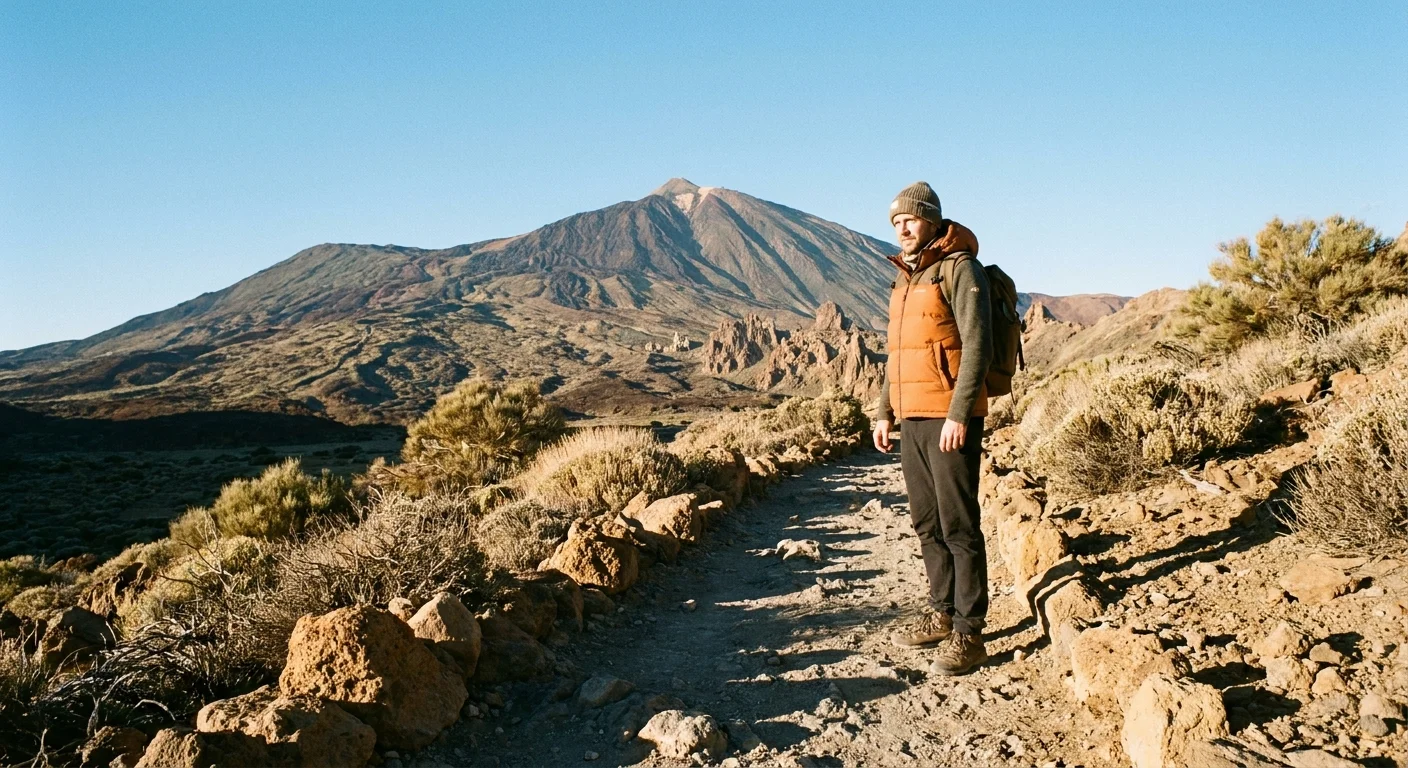
Table Of Contents
While mass-market crowds fill the neon-lit resorts of southern Tenerife, travelers can discover peaceful retreats in the island’s northern villages and mid-elevation highlands. The key question for anyone planning a quiet Tenerife winter itinerary is simple: how can you enjoy the island’s famous spring-like weather without the peak-season crowds? This guide provides a practical seven-day plan that prioritizes authentic Canarian culture, dramatic volcanic landscapes, charming villages, and tranquil coastal escapes. By exploring different regions and taking advantage of Tenerife’s unique microclimates, you can find comfortable spots to enjoy between December and March. You’ll discover how to balance scenic walks with relaxing beach visits, explore local food traditions, and choose quieter destinations away from busy tourist resorts. With thoughtful planning, you can experience Tenerife’s natural beauty at a slower pace while enjoying a more peaceful and authentic winter getaway.
Quick Answer
- The Best Window: January 10 to February 10. This is the sweet spot for low prices and stable weather after the holiday rush.
- Expected Conditions: 18°C to 24°C on the coast; 5°C to 12°C in the highlands.
- The Main Friction: Drastic temperature drops occur when moving between coastal zones and high-altitude parks.
- Booking Note: Secure Teide summit permits 2 to 3 months in advance. Book Santa Cruz hotels 6 months out if visiting during Carnival in February.
| Month | Daytime Temp (Coast) | Crowd Level | Best For |
|---|---|---|---|
| December | 21°C – 23°C | Very High | Festive atmosphere and warm sea swimming |
| January | 19°C – 22°C | Moderate | Hiking and exploring the northern historic towns |
| February | 18°C – 21°C | High (Cities) | Carnival in Santa Cruz and almond blossoms in Vilaflor |
| March | 20°C – 23°C | Moderate | Spring wildflowers and stable Teide cable car days |
The Microclimate Arbitrage: Tenerife Winter Weather Guide
To master the Tenerife winter weather north vs south divide, you must understand that the island is split by the 3,715m peak of Mount Teide. This ridge acts as a wall against the moisture-laden trade winds, known locally as the Alisios.
Understanding the North vs South Divide
The Tenerife north vs south debate is settled by your tolerance for humidity and your desire for authenticity. The south, encompassing Costa Adeje and Los Cristianos, remains arid and typically 2 to 3 degrees warmer than the north. However, this region is also where the largest resort complexes and highest tourist densities exist.
The north, including Puerto de la Cruz and the Orotava Valley, is greener and more authentic. It is prone to horizontal rain, which is a fine mist that settles in the laurel forests. In winter, the north offers a peaceful, colonial atmosphere that the south lacks. Coastal South temperatures average 21°C to 24°C, while the Coastal North averages 18°C to 21°C. This Tenerife winter weather guide suggests that if you seek quietude and culture, the slight drop in temperature is a fair trade for the lack of crowds.
The Two-Season Day and Altitude Shifts
A common mistake is dressing for the beach and driving straight to the highlands. As you ascend to Vilaflor at 1,400m or the Teide plateau at 2,000m, temperatures can drop by 15°C in under an hour. This Tenerife microclimate travel guide recommends the onion method of layering. Start with a base layer suitable for 22°C coastal weather, but keep a high-loft down vest or a windbreaker in the car. Teide National Park can drop to -2°C at night, and snow is common in January and February. Wind speeds at the summit often exceed 50 km/h, making the perceived temperature significantly lower than the forecast suggests.
The 7-Day Quiet Itinerary: Best Quiet Towns in Tenerife for Winter
This day-by-day breakdown avoids the tourist traps of Playa de las Américas in favor of UNESCO sites, volcanic pools, and laurel forests.
Days 1-2: San Cristóbal de La Laguna and Santa Cruz
Start in the cultural heart of the island. San Cristóbal de La Laguna is a UNESCO World Heritage site and the former capital. Its grid-like streets served as the model for many colonial cities in the Americas. Walk through Calle San Agustín to see the 16th-century mansions with their interior courtyards and carved pine balconies.
For a quiet experience, stay in a boutique hotel within the old town rather than the capital. Use the Line 1 tram to move between La Laguna and Santa Cruz. The fare is approximately €1.35 if you use the Ten+ card. In Santa Cruz, visit the Mercado de Nuestra Señora de África. This market opens at 6:00 AM and is the best place to buy local honey rum (Ron Miel) and fresh goat cheese. Eat churros de pescado (fried fish strips) at Plaza del Adelantado. These are the best quiet towns in Tenerife for winter because they remain functional Spanish cities rather than purpose-built tourist hubs.
Day 3: Teide National Park Winter Strategy
Dedicate a full day to the high-altitude volcanic lunar landscape. The TF-21 is the primary artery into the park from the north. The Teide National Park winter experience is highly dependent on the cable car (Teleférico). The cable car is best at 9:00 AM to avoid the tour bus arrivals or after 3:30 PM for the late afternoon light.
You must book the summit permit 2 to 3 months early through the official National Parks website if you intend to hike the final 160 meters to the crater. If the cable car is closed due to wind, spend your time at the Roques de García. This 3.5km loop trail takes about two hours and offers views of the Cathedral rock formation without the need for a permit. The altitude here is 2,100m, so hydration is vital even if the air feels cool.
Days 4-5: Garachico and the Teno Massif
Head west to Garachico, a town that was largely destroyed by a lava flow in 1706. The town is now one of the quiet Tenerife winter resorts favored by independent travelers. Swim in the El Caletón rock pools, which were formed by the cooling lava. The water is refreshed by the tide and remains swimmable even in January if the Atlantic swell is low.
On Day 5, navigate the Teno Massif. Access to the village of Masca is strictly controlled. You cannot park a rental car in the village during peak hours. Take the 355 bus from Santiago del Teide. The road is a series of narrow hairpins with sheer drops. In Masca, eat lapas con mojo (limpets with coriander sauce) at one of the small tascas overlooking the ravine. This area is the most rugged part of the island and offers a stark contrast to the flat southern beaches.
Days 6-7: Anaga Rural Park and Vilaflor
End the trip in the northeast. Anaga Rural Park is a Macaronesian laurel forest that has survived since the Tertiary period. Drive the TF-12 road to the Pico del Inglés lookout. For a quiet walk, choose the Sendero de los Sentidos near the Cruz del Carmen visitor center. Visit the remote coastal village of Taganana and eat at Casa Africa. There is no menu: the staff tells you what fish was caught that morning.
On the final day, drive to Vilaflor, the highest village in Spain at 1,400m. This village is famous for its endemic pine forests and the Paisaje Lunar (Lunar Landscape) hiking trail. In February, the surrounding hills are covered in white and pink almond blossoms. Purchase a box of Almendrados (almond cookies) from the local bakery before heading back to the coast. This concludes a Tenerife winter sun itinerary that covers every major ecological zone on the island.
Transit Mechanics: Do You Need a Car in Tenerife?
Navigating the island effectively requires a specific transit strategy. While the bus system is excellent, certain trailheads in Anaga and Teno are only accessible via private vehicle.
The Rental Car Strategy: Cicar vs International Chains
To execute a quiet itinerary, a car is essential. Local companies like Cicar and AutoReisen are superior to international franchises. They include full insurance with zero excess in their base price, which is vital because mountain roads are narrow and stone chips are common. They do not require a massive credit card deposit.
When you ask whether you need a car in Tenerife, the answer is yes if you want to visit the Teide plateau for sunset or reach Taganana before the tour buses. Be aware that the TF-436 to Masca and the TF-12 in Anaga are challenging drives. If you are uncomfortable with steep drops and narrow passing points, stick to the main TF-1 and TF-5 motorways.
Mastering the TITSA Bus and Ten+ Card
The green TITSA buses are the primary public transport. Purchase a Ten+ card at the airport or any “Tabacos” shop. This card reduces fares by roughly 30%. You must tap the card against the green reader when you board and again when you exit. If you forget to tap out, the system assumes you stayed on until the end of the line and charges the maximum possible fare. The TITSA website and app provide real-time tracking, which is reliable for coastal routes but less so for mountain lines like the 355 or 348.
Authentic Culture: Guachinches and Etiquette
To find the soul of the island, you must move away from the “English Breakfast” signs of the south and seek out local establishments.
The Guachinche Strategy
Guachinches are seasonal, rustic home-restaurants located primarily in the north. They are legally allowed to open only to sell their own wine and a maximum of three or four traditional dishes. Look for hand-painted signs on the side of the road in areas like Santa Úrsula, La Matanza, and La Orotava.
Expect a limited menu: usually garbanzas (chickpea stew), carne fiesta (marinated pork cubes), and queso asado (grilled cheese with mojo). These spots are often cash-only and open only on weekends or until the wine runs out. A meal for two with wine typically costs between €25 and €35. To avoid the Sunday afternoon rush when local families dine, visit on a Thursday or Friday.
Local Etiquette and Safety
Canarians are generally conservative outside of the immediate beach zones. It is considered disrespectful to wear swimwear or walk shirtless in town centers, supermarkets, or restaurants. In churches, ensure shoulders are covered.
Safety is high, but rental car break-ins are a known issue at popular hiking trailheads like those in the Anaga forest. Never leave bags, jackets, or even empty boxes visible on the seats. Take your valuables with you or leave them at the hotel. If you are hiking in remote areas, tell someone your route, as mobile reception is non-existent in the deep ravines of the Teno and Anaga massifs.
Mistakes First-Timers Make
- The Always Warm Myth: Travelers pack only shorts and are miserable when the sun sets, or they drive uphill. Always carry a light jacket, even if the coastal forecast says 24°C. The temperature drops roughly 1°C for every 100 meters of elevation gain.
- The TITSA Tap-Out Error: Forgetting to tap the Ten+ card when exiting the bus. You will be charged the fare to the end of the line, which can be triple the actual cost of your journey.
- Underestimating Drive Times: Assuming 30km takes 30 minutes. Mountain roads like the TF-21 or TF-436 are slow. Allow 75 minutes for any 30km drive involving mountain hairpins.
- Ignoring Masca Regulations: Driving a rental car to Masca on a weekend. You will likely be turned away by local police because there are fewer than 30 parking spots in the entire village. Use the bus.
- The Monday Museum Trap: Most museums in Santa Cruz and La Laguna are closed on Mondays. Plan your cultural visits for Tuesday through Saturday.
Related FAQs
Yes. The southern coast remains warm enough for sunbathing and swimming, with water temperatures around 19°C. The north is often too breezy for comfortable sunbathing, but the natural pools in Garachico remain popular with locals year-round.
The southwest coast, specifically the stretch from Los Gigantes to Playa de San Juan, is the most sheltered from the trade winds and consistently records the highest temperatures and most sunshine hours.
It frequently snows at altitudes above 2,000 meters in January and February. This can lead to the closure of the TF-21 and TF-24 access roads. Check the official “1-1-2 Canarias” Twitter/X account for road closure updates during storms.
Pack for two different climates. Bring swimwear and shorts for the coast, but you must have a warm jacket, long trousers, and sturdy shoes for the mountains. A packable raincoat is essential if you plan to hike in the Anaga forest.
Avoid any restaurant with “picture menus” or staff standing outside trying to lure you in. To find authentic food, look for the “Menu del Día” at inland restaurants. This is a fixed-price three-course lunch, usually costing between €10 and €15, including wine or water.
While the bus system is good, a car is highly recommended for the north. It allows you to reach the Anaga trailheads at sunrise before the mist clears and to visit Guachinches that are not served by public transit.
Closing
With your Teide permits secured and your layers packed, you are ready to bypass the mass-market resorts and experience the volcanic soul of the island. Your next step is to check the live status of the Teide Cable Car and book your first meal in the historic streets of La Laguna. The microclimate arbitrage of Tenerife rewards those who are willing to trade a few degrees of heat for a world of authentic culture and quiet landscapes.


As the first frost settles over the Danube, the “First Light” window for 2026 holiday planning officially opens. For travelers seeking the quintessential European Advent experience, finding the right Vienna Christmas Market Hotels is just as important as choosing which market to visit or where to enjoy the best Glühwein. Booking early helps you secure […]
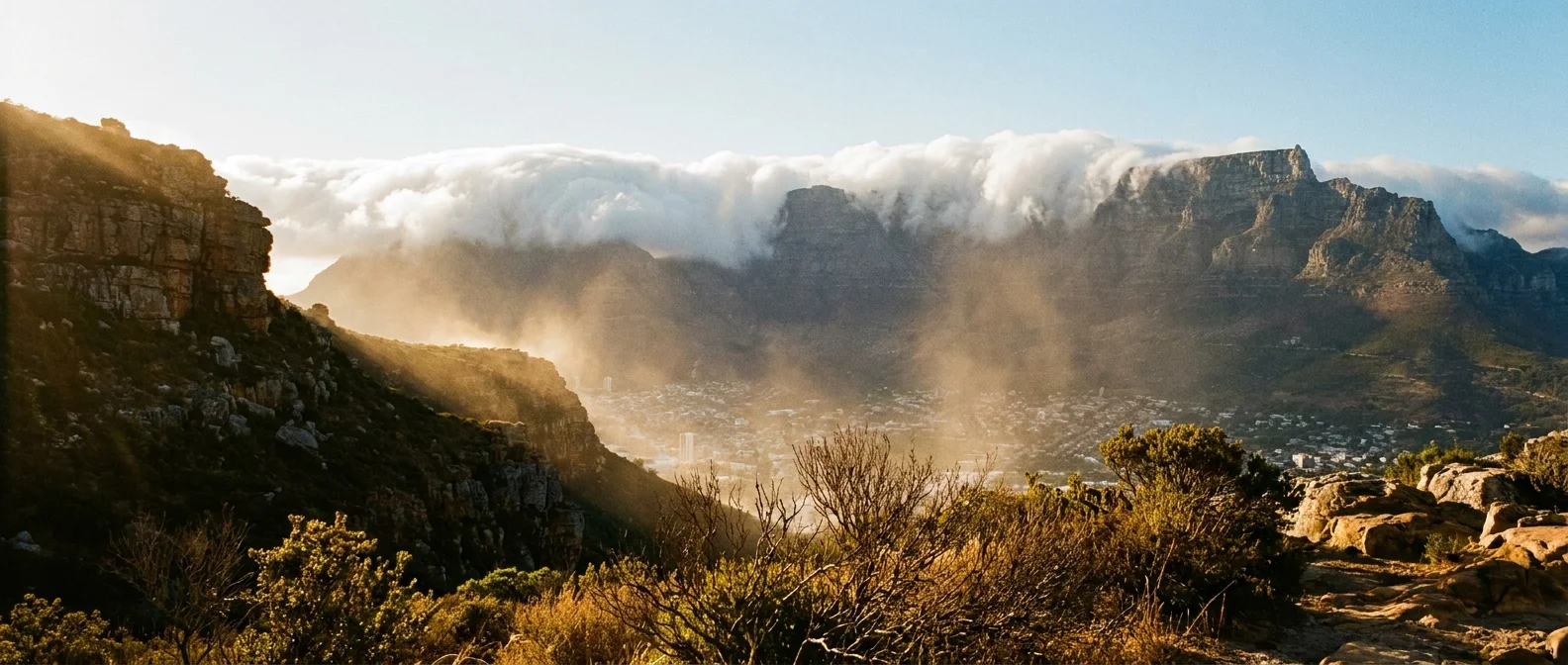
The decision to escape the Northern Hemisphere winter for the high sun and high value of the South African summer is a strategic one. From January to March 2027, the city enters its golden window, offering consistent heat and a favorable exchange rate for international arrivals. However, the logistical reality of the city requires more […]
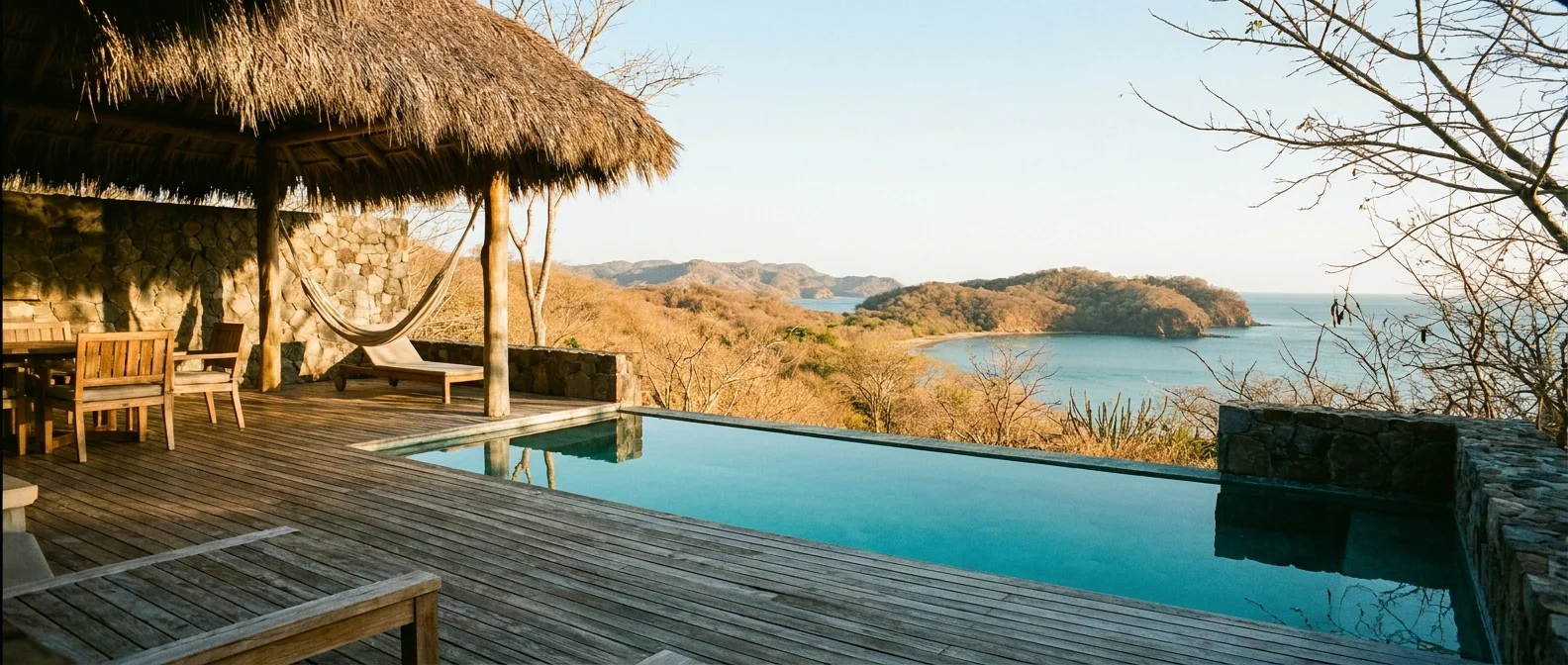
As the North American winter approaches, Costa Rica’s northwest enters a critical booking period known as the “Dry Season Inventory Lock.” For affluent travelers planning a Guanacaste 7-day itinerary, securing the right accommodation becomes a priority, as the region’s most exclusive boutique eco-lodges, many featuring fewer than 20 villas, can reach 80 percent occupancy for […]