
Viva México: Your First-Time Winter City Guide
Disclosure: To help support our website, some of the links below are affiliate links. This means that if you choose to make a purchase, we will earn a commission at no additional cost to you.
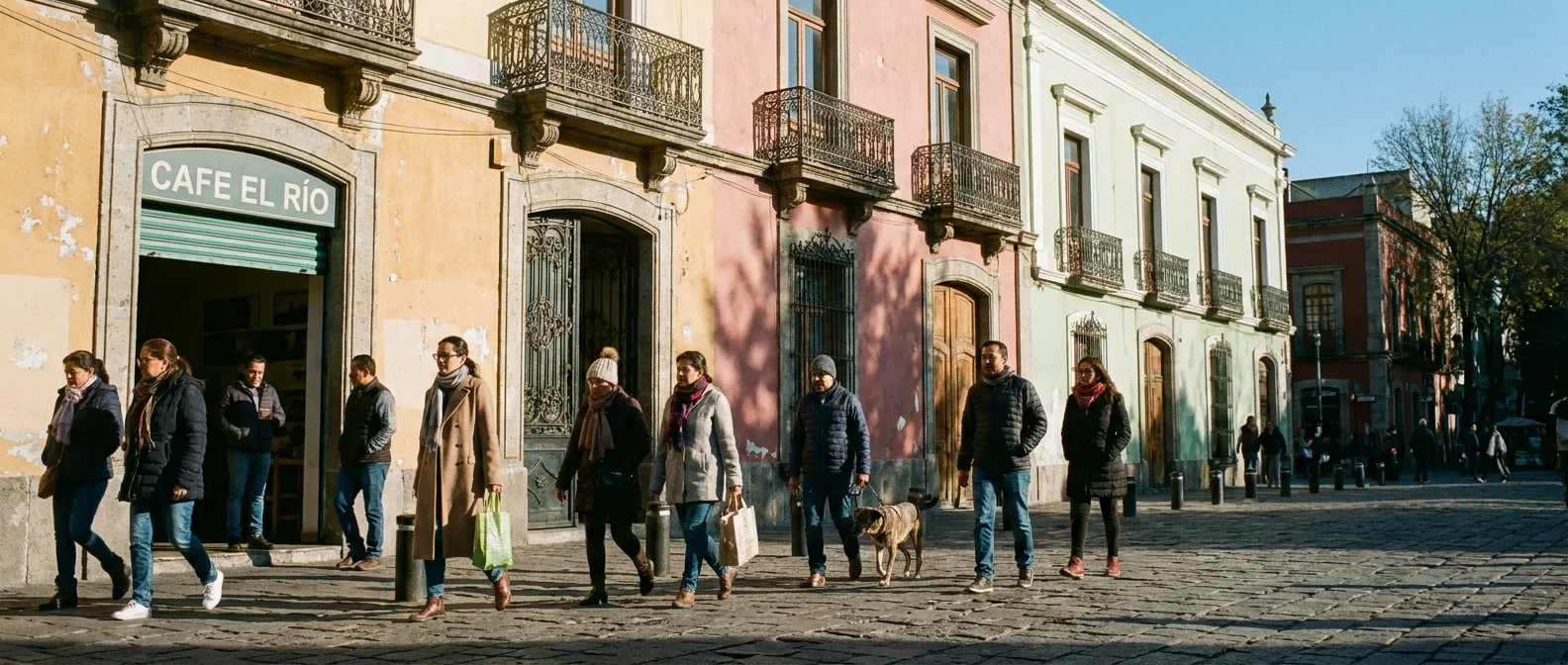
Table Of Contents
- Quick Answer
- At-a-Glance: Mexico City Winter Planning
- Where to Stay: A Neighborhood Guide for First-Timers
- The "Eternal Spring": Mexico City Winter Weather
- Navigating the Megalopolis Safely
- Beating the Crowds: A Strategic Itinerary
- Safety, Money, and Local Etiquette
- Mistakes First-Timers Make
- Related FAQs
- Closing
Mexico City (CDMX) is undergoing a cultural renaissance, fueled by the viral “Viva México” trend that has turned the city from a stopover into a top destination. For first-timers, the window between November and February is the “sweet spot”: a period of “Eternal Spring” that avoids the torrential summer rains. This Mexico City winter travel guide will navigate you through the high-altitude logistics, the block-by-block safety nuances, and the culinary scene of the world’s most populous megalopolis. By the end of this guide, you will know exactly how to handle the 2,240-meter altitude and which neighborhoods offer the most authentic experience. The city is a dense collection of over 300 neighborhoods, each with distinct social codes and transit requirements. Navigating it successfully requires more than a map: it requires an understanding of the city’s internal rhythms and the specific logistical hurdles of the winter season.
Quick Answer
The best window for visiting is January and February. These months offer the best hotel deals and the clearest skies, following the peak holiday crowds of December. You should expect dry, sunny days with temperatures around 22°C (72°F) followed by sharp temperature drops at night to 7°C (45°F). The main friction for travelers remains altitude sickness and complex airport transit logistics for rideshares. Note that the Frida Kahlo Museum (Casa Azul) requires online booking 2 to 4 weeks in advance: no walk-ups are permitted under any circumstances.
At-a-Glance: Mexico City Winter Planning
| Month | Avg Daytime Temp | Crowd Level | Best For |
|---|---|---|---|
| November | 23°C (73°F) | Very High | Día de Muertos (early Nov) and Revolution Day |
| December | 21°C (70°F) | Peak | Guadalupe Day (Dec 12) and Christmas Markets |
| January | 22°C (72°F) | Moderate | Post-holiday deals and “Cuesta de Enero” discounts |
| February | 24°C (75°F) | Moderate | Art Week (Zona Maco) and Jacaranda blooms (late Feb) |
Where to Stay: A Neighborhood Guide for First-Timers
Roma Norte and Condesa: The Creative Heart
Roma Norte is the city’s creative epicenter. It features Porfirian-era mansions and the highest density of third-wave coffee shops in the capital. It is the definitive answer for where to stay in Mexico City for first-time travelers who prioritize walkability and a European aesthetic. The neighborhood is centered around the Plaza Río de Janeiro and the corridor of Calle Colima. Its neighbor, Condesa, offers a greener environment centered around Parque México and Parque España.
This area is highly accessible. It is 15 minutes to the Centro Histórico via Metrobús Line 1, which runs along Avenida Insurgentes. For food, visit El Tizne Tacomotora for specialized Tacos al Pastor or Panadería Rosetta for local pastries. The architecture is a mix of Art Deco and French-inspired mansions. A Roma Norte travel guide would be incomplete without mentioning that this area is the most English-friendly part of the city, making it a soft landing for those who do not speak Spanish.
Centro Histórico: The Majestic Core
The Centro Histórico is the heart of the city where 700 years of history are layered atop one another. It contains the Zócalo, the Metropolitan Cathedral, and the ruins of Templo Mayor. This area is high-energy and high-density. It requires a higher level of awareness for Mexico City travel safety due to the sheer volume of people. The streets are organized by trade: one street may sell only light fixtures, while the next sells only stationery.
The Centro is a major transit hub for Metro Lines 1, 2, and 8. For a classic experience, eat Tacos de Canasta at Los Especiales on Madero Street, but remain vigilant. There is a higher “slash-and-grab” risk in crowded markets like La Merced. At night, the Centro becomes significantly quieter, and some side streets can feel isolated. Stick to the main pedestrian thoroughfares like Calle Madero or 5 de Mayo after dark.
Polanco and Coyoacán: Luxury vs. Colonial Charm
Polanco is often called the “Beverly Hills” of Mexico. It offers maximum perceived safety and high-end dining. This is where you find Pujol and Quintonil, both of which require a 3-month booking. Polanco is served by Metro Line 7 and is home to the Museo Soumaya. It is the most safe neighborhoods mexico city option for those with a higher budget who prefer luxury hotels over boutique stays.
Coyoacán, the “Place of Coyotes,” offers a colonial village feel with cobblestone streets. It is located about 45 minutes south of the center via Metro Line 3. The neighborhood is famous for the Frida Kahlo Museum and the Mercado de Coyoacán. Try the Tostadas de Tinga at the market for an authentic lunch. Coyoacán feels like a separate town within the city, with a slower pace and lower buildings. It is ideal for those who want to escape the concrete density of the northern districts.
The "Eternal Spring": Mexico City Winter Weather
Temperature Swings and the “Cebolla” Strategy
The mexico city winter weather is defined by its lack of humidity and extreme diurnal temperature swings. You will experience what locals call “four seasons in one day.” This makes the “Cebolla” (onion) layering strategy mandatory for any traveler. In the morning at 7:00 AM, the temperature may be 6°C (43°F), requiring a light down jacket. By 2:00 PM, the sun is intense and the temperature rises to 24°C (75°F), necessitating a t-shirt.
When considering what to pack for mexico city winter, prioritize natural fibers and a versatile outer layer. The sun at 2,240 meters is significantly stronger than at sea level. You will burn faster here even when the air feels cool. Bring a high-SPF sunscreen and polarized sunglasses. Rain is rare between November and February, but the air is very dry. This can lead to chapped lips and dry skin, so carry a heavy moisturizer.
Managing the 2,240m Altitude and Air Quality
The high altitude means the air is thinner and drier. First-timers often mistake altitude fatigue for jet lag or a cold. Symptoms include shortness of breath when climbing stairs, mild headaches, and disrupted sleep. Additionally, December and January can see dips in air quality due to thermal inversions. This occurs when a layer of warm air traps cooler air and pollutants near the ground.
At 2,240 meters, dehydration happens rapidly. You must drink significantly more water than usual. Alcohol also has a more pronounced effect: one drink at this altitude feels like two. If you plan to visit the Teotihuacan pyramids, which are even higher, the effect is amplified. Take the first 24 hours of your trip slowly. Avoid heavy exercise or excessive drinking until your body adjusts to the oxygen levels.
Navigating the Megalopolis Safely
The Tarjeta de Movilidad Integrada and Metro Rules
Understanding how to get around mexico city safely starts with the universal smart card: the Tarjeta de Movilidad Integrada. This card costs 15 to 20 MXN and can be purchased at most Metro or Metrobús stations. It works for the Metro, Metrobús, Cablebús, and light rail. Metro rides are a flat fee of 5 MXN, making it one of the cheapest systems in the world.
The Metro has specific social codes. The first three cars of every train are reserved exclusively for women and children. This rule is strictly enforced by police on the platforms. Avoid the “Hora Pico” (peak hour) between 7:30 AM and 9:30 AM and 6:00 PM to 8:00 PM. During these times, the trains are dangerously overcrowded. If you must travel during these hours, the Metrobús is often a slightly more comfortable, though still crowded, alternative.
Airport Arrivals: AICM (MEX) Taxi Logistics
The most common mistake at the Mexico City International Airport (AICM) is assuming Uber is the easiest option. Due to legal grey areas and tension with taxi unions, Uber pickups can be complicated. Drivers may ask you to walk to specific pedestrian bridges or wait at obscure gates. For a friction-free arrival, use the “Taxi Autorizado” booths located inside the arrivals hall.
Authorized taxi companies like Porto Taxi or Sitio 300 charge a flat rate based on your destination zone. Expect to pay between 250 and 350 MXN for a trip to Roma or Condesa. You pay at the kiosk, receive a paper ticket, and then walk to the designated taxi line outside. This is safer and more reliable than trying to find a rideshare driver in a crowded terminal. To navigate the city once you arrive, ensure you have a best esim for mexico city travel like Airalo or Holafly to maintain a data connection for maps and translation.
Beating the Crowds: A Strategic Itinerary
Teotihuacan Guided Tours and Sunrise Strategy
To truly appreciate the pyramids of Teotihuacan, you must arrive at the 8:00 AM opening. Most teotihuacan guided tours that leave the city at 9:00 AM or 10:00 AM will land you in the heat of the day alongside thousands of other tourists. By 10:30 AM, the large tour buses arrive and the site becomes congested.
If you are traveling independently, go to the Autobuses del Norte station (Metro Line 5) and find Gate 8. Buses to “Los Pirámides” leave every 15 to 20 minutes and cost approximately 110 MXN round trip. Arriving early also allows you to see the site before the “vendedores” (vendors) set up their stalls. Avoid visiting on Sundays: entry is free for Mexican citizens and residents, which results in extreme crowds and long wait times.
The Museum Sabbath and Booking Windows
Mexico City has more museums than almost any other city, but timing is everything. Monday is the “Museum Sabbath” when almost every major institution is closed. Plan your itinerary so that Mondays are reserved for walking tours, markets, or a trip to the flower markets of Xochimilco. The National Museum of Anthropology is best visited on a Tuesday morning when it is least crowded.
The Frida Kahlo Museum is the most difficult ticket to secure. You must book online weeks in advance. If you miss the window, you cannot buy tickets at the door. For the Luis Barragán House and Studio, the booking window is even tighter, often requiring reservations a month or more in advance. Always check the official museum websites rather than third-party resellers to ensure you have a valid digital QR code for entry.
Safety, Money, and Local Etiquette
Common Scams and the “Bird Poop” Distraction
While CDMX is generally safe in tourist zones, petty crime exists. Travelers should be aware of the “Bird Poop” scam. An individual will spray a substance on your shoulder or bag that looks like bird droppings. A “helpful” stranger will then approach to help you clean it off. While you are distracted, an accomplice steals your wallet or phone.
To mitigate this, use a best anti theft bag mexico city style: a crossbody bag or small backpack worn on your front in crowded areas like the Zócalo or on the Metro. Never use “Libre” (street) taxis, which are the white and pink cars you see cruising. These are not regulated and are associated with “express kidnappings” or overcharging. Only use “Sitio” taxis (dispatched from a fixed stand) or rideshare apps like Uber and Didi.
Tipping, Cash, and “La Cuenta”
The etiquette of dining in Mexico is distinct. Unlike in the United States, servers will never bring the bill until you explicitly ask for it. Bringing the bill unprompted is considered rude, as if they are rushing you to leave. When you are ready, catch the server’s eye and say, “La cuenta, por favor.”
Tipping is a standard expectation. A 10% tip is acceptable for basic service, while 15% is standard for good service in restaurants. In Roma and Condesa, most establishments are card-friendly and will ask “propina?” before swiping your card. However, street food stalls and traditional markets are strictly cash (Pesos). Always carry small denominations like 20, 50, and 100 MXN notes. Large 500 MXN bills are often difficult for small vendors to change.
Mistakes First-Timers Make
1. Drinking the Tap Water: This is the most frequent error. Even for brushing teeth, use bottled or “garrafón” water. The mistake is not just drinking it directly: it is washing fruit in it or using it in coffee makers. Stick to purified water provided by hotels. Most reputable restaurants use ice made from purified water, but it is always worth confirming “hielo de purificada.”
2. The Metro Peak Hour: Attempting to board the Metro with luggage between 7:30 AM and 9:30 AM is a logistical disaster. You will likely be unable to board the train due to the density of the crowd. This environment also makes you a prime target for pickpockets who use the “push and pull” method to lift items from pockets. Use authorized taxis or Ubers during these peak windows if you have bags.
3. Ignoring the Altitude: Drinking heavily on the first night is a recipe for a ruined trip. The combination of thin air and alcohol leads to severe “altitude headaches” and dehydration that can ruin the first 48 hours of your stay. Double your water intake and limit alcohol for the first 24 hours until your body acclimates to the 2,240-meter elevation.
4. Relying Solely on Uber at the Airport: Waiting at the wrong gate while drivers cancel is a common frustration at AICM. The airport has specific zones for rideshares that are not always clearly marked. If you are tired or have heavy luggage, head straight to the “Taxi Autorizado” booths inside the terminal. The extra 5 USD is worth the lack of friction.
Related FAQs
In neighborhoods like Roma Norte, Condesa, and Polanco, walking to dinner is safe until approximately 11:00 PM. These areas have high foot traffic and a heavy police presence. In the Centro Histórico, it is best to stick to the main pedestrian thoroughfare (Madero) and avoid side streets after dark. Always use a rideshare app for longer distances at night rather than walking through unfamiliar residential zones.
While English is common in high-end hotels and restaurants in Roma and Condesa, basic Spanish is essential for transit, markets, and taxis. Knowing “La cuenta, por favor” (The bill, please) and “Donde está…” (Where is…) is highly recommended. Download an offline translation dictionary to assist with menus in more traditional neighborhoods.
For first-timers, an authorized taxi (Sitio 300 or Porto Taxi) is the most reliable. Buy your ticket at the kiosk inside the arrivals hall. It costs roughly 250 to 350 MXN and takes 45 to 60 minutes depending on traffic. This avoids the confusion of finding Uber pickup points which often change due to local regulations.
No. Tap water in CDMX is not potable. Reputable restaurants use purified ice, but you should always drink bottled or filtered water. Even locals use large 20L “garrafones” for daily consumption. If you are staying in an Airbnb, ensure the host provides a water filtration system or bottled water.
Five days is the ideal minimum. This allows one day for the Centro Histórico, one for Roma and Condesa, one for the Teotihuacan pyramids, one for Coyoacán and the Frida Kahlo Museum, and a final day for the Anthropology Museum and Chapultepec Park. A three-day weekend is possible but will feel rushed given the city’s size and traffic.
At 2,240 meters, there is less oxygen. This can cause shortness of breath, headaches, and faster intoxication. It also makes the winter air very dry, which can lead to dehydration if you are not constantly sipping water. Most people adjust within 48 hours, but physical exertion will feel significantly harder than at sea level.
Closing
Mexico City in winter is a masterclass in urban vibrance, offering a dry, sunny escape while the rest of the northern hemisphere freezes. By mastering the “Cebolla” layering technique and securing your museum bookings early, you can navigate this megalopolis with the confidence of a local. Your next step is to book that Frida Kahlo entry slot: those tickets wait for no one. Focus on the logistics, respect the altitude, and let the city’s history reveal itself block by block.

As the viral Gong Cha bottled-drink trend sweeps social media, a new wave of Gen Z and Millennial foodies is looking beyond the plastic seal to discover the source of Taiwan’s famous tea culture: Kaohsiung. This southern port city offers much more than popular tea franchises; it blends traditional tea-making, refreshing milk teas, local snacks, […]
Mexico City (CDMX) is undergoing a cultural renaissance, fueled by the viral “Viva México” trend that has turned the city from a stopover into a top destination. For first-timers, the window between November and February is the “sweet spot”: a period of “Eternal Spring” that avoids the torrential summer rains. This Mexico City winter travel […]
Every autumn, the internet erupts into a frenzy over the residents of Brooks River as Fat Bear Week 2027 brings global attention to Katmai National Park’s famous brown bears. However, for travelers who want to witness these incredible animals in person, the journey requires careful planning well before the competition begins. This Katmai bear-watching travel […]