
10 Best Peaceful Destinations in Southeast Asia (Away from the Crowds)
Disclosure: To help support our website, some of the links below are affiliate links. This means that if you choose to make a purchase, we will earn a commission at no additional cost to you.
Table Of Contents
Southeast Asia calls millions of travelers every year — and for good reason. But here is the truth most travel guides will not tell you: the most beautiful parts of this region are not the ones crawling with selfie sticks and party boats.
I have spent time moving slowly through these countries, deliberately skipping the obvious stops in favor of places where time moves differently. Where a morning means watching monks collect alms in silence, not fighting for a sunrise photo spot. Where “doing nothing” is actually the plan.
If that sounds like your kind of travel, this guide is for you.
These are the ten most peaceful destinations in Southeast Asia, places that are genuinely calm, deeply beautiful, and surprisingly accessible once you know where to look. Whether you are planning your first solo trip or searching for a quiet couple escape, this list will help you find your version of stillness.
What Makes a Destination Truly "Peaceful"?
Before we dive in, it is worth being honest about what peaceful actually means in a travel context, because it is not just about beaches with no people.
A truly peaceful destination offers:
- A slower pace of life, where locals are not rushing either
- Natural surroundings that quiet your mind — rivers, rice fields, jungle, limestone
- Minimal commercial development — fewer resorts, fewer tour buses
- A feeling of being present, not performing a vacation for Instagram
This is what our relaxed travel guide is built around. And Southeast Asia, when you look beyond the Instagram highlights, delivers this better than almost anywhere on earth.
The 10 Most Peaceful Destinations in Southeast Asia
1. Luang Prabang, Laos — The Gold Standard of Slow Travel
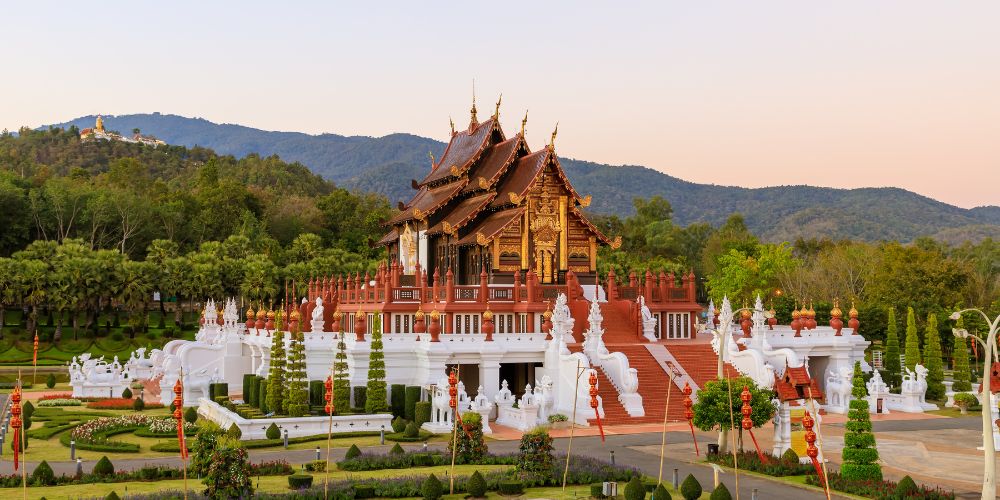
If you could design a town specifically for peaceful travel, it would look something like Luang Prabang.
Tucked between the Mekong and Nam Khan rivers in northern Laos, this UNESCO World Heritage town moves at a pace that feels almost meditative. French colonial buildings line narrow streets shaded by frangipani trees. Saffron-robed monks walk silently at dawn, collecting alms — a ceremony called tak bat that has continued for centuries.
What makes it peaceful: There are no high-rise hotels. No nightclubs. The main street closes early. Even during peak season, there is a hush here that other “popular” destinations have completely lost.
Do not miss:
- The morning almsgiving ceremony (watch respectfully from a distance — do not be the tourist with a camera in a monk’s face)
- Kuang Si Falls — a 30-minute tuk-tuk ride leads to turquoise tiered pools surrounded by jungle.
- Cycling to Wat Xieng Thong at sunrise when the temple is yours alone
Best time to visit: November to February — cool, dry, and the most comfortable for walking.
From a slow traveler’s perspective, Luang Prabang rewards the patient. Stay at least five days. The magic reveals itself slowly — in the evening market, in a conversation with a guesthouse owner, in the sound of temple bells drifting across the water at dusk.
2. Don Det (Si Phan Don), Laos — Hammocks, River Views, and Zero Agenda
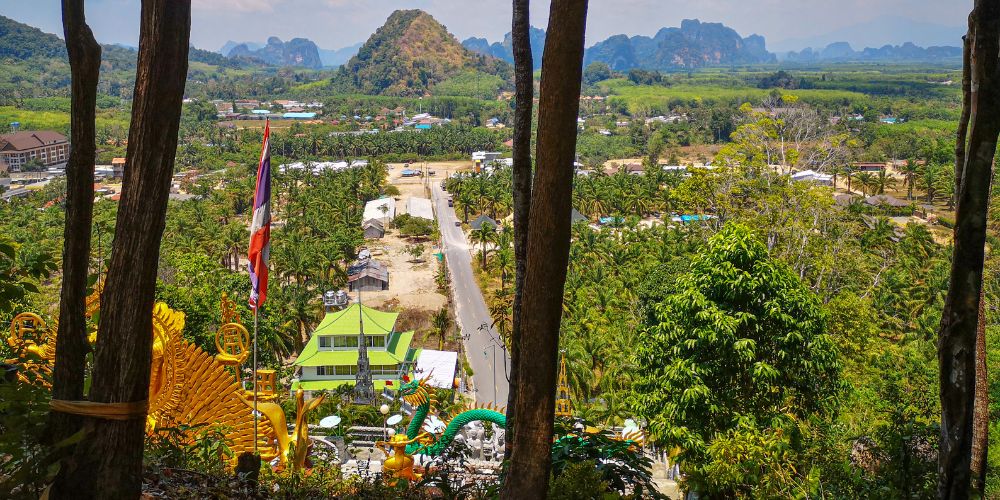
Four thousand islands. That is the literal translation of Si Phan Don, the name for the wide, maze-like delta region where the Mekong spreads across southern Laos. And at the heart of it, on the tiny island of Don Det, life operates at a speed that makes Luang Prabang look rushed.
There are no cars on Don Det. The paths are made of dirt and cracked concrete. Guesthouses have porches with hammocks that hang over the river. The Wi-Fi is slow, and that is honestly the point.
What makes it peaceful: The Mekong here is extraordinarily wide — 14 kilometers at its broadest — and watching it from a riverside guesthouse porch at golden hour is one of Southeast Asia’s quietly great experiences. Irrawaddy dolphins still appear in the waters nearby, one of the rarest sights in the region.
Do not miss:
- Cycling to the Khon Phapheng Falls — the largest waterfall by volume in Southeast Asia, and almost always uncrowded
- Sunrise over the river, ideally from a kayak
- Absolutely nothing — that is the whole idea
Best time to visit: November to April — outside of monsoon season, when the islands are actually above water.
3. Quy Nhon, Vietnam — The Anti-Da Nang
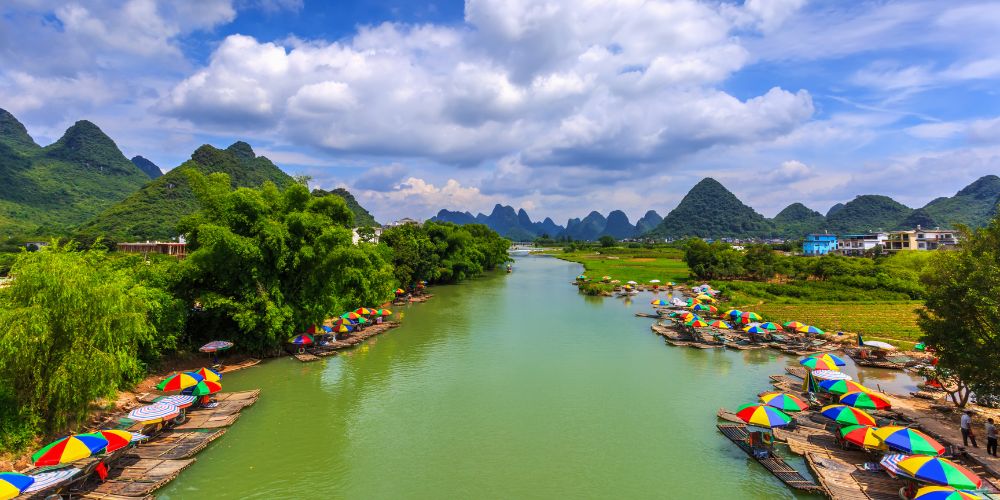
Vietnam’s coastline is extraordinary. But Da Nang has become a city break with a beach attached, and Nha Trang has long since traded its fishing village roots for all-inclusive resorts and floating bars.
Quy Nhon has not done that. Yet.
This central Vietnamese coastal city remains primarily a destination for Vietnamese people on beach holidays, not for international tourists. Fishing boats still launch from the beach at dawn. The seafood is extraordinary and cheap. The beaches — Bai Xep, Ky Co, Queen’s Beach — are genuinely beautiful and genuinely quiet.
What makes it peaceful: Quy Nhon’s tourism infrastructure is still catching up with its natural gifts. That means fewer crowds, lower prices, and an authenticity that the more famous spots have lost. Locals outnumber foreigners. That is a very good sign.
Do not miss:
- Ky Co Beach — accessible only by boat, which keeps it beautifully uncrowded
- The Cham Towers (Thap Doi) — ancient red-brick towers sitting quietly on a hill above the city
- Eating banh xeo and fresh seafood at the market with zero tourist menu pricing
Best time to visit: January to August — Quy Nhon is sheltered from the worst of the monsoon longer than other Vietnamese coastal towns.
Slow traveler’s tip: If you are building a Vietnam itinerary and want to include our peaceful travel tips for busy destinations, Quy Nhon is the perfect place to put them into practice — it is a town that rewards wandering without a plan.
4. Nong Khiaw, Laos — The Most Dramatic Scenery You Have Never Heard Of
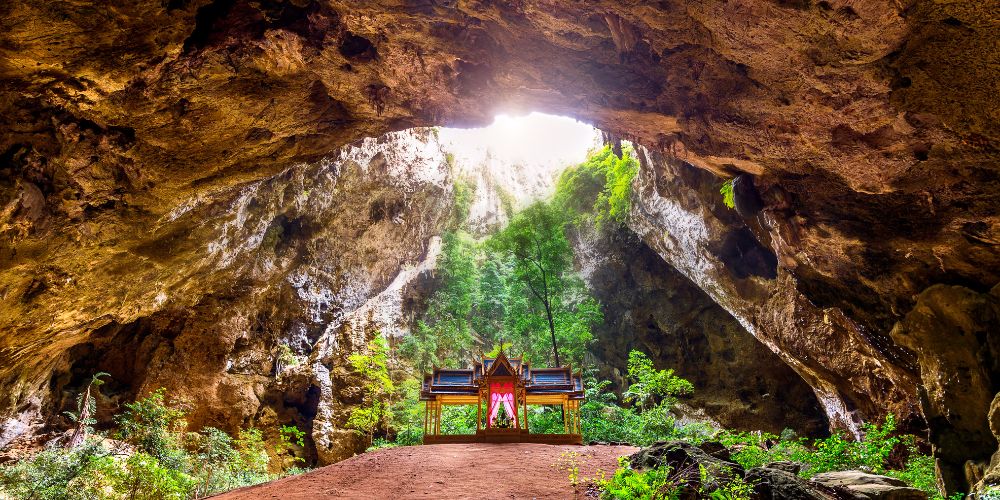
Laos appears twice more in this list. That is not a coincidence. Laos is the most peaceful country in mainland Southeast Asia by a significant margin.
Nong Khiaw sits on the banks of the Nam Ou River in northern Laos, surrounded by some of the most dramatic limestone karst scenery on earth. The cliffs rise nearly vertically from the river — bright green with vegetation — and the small town nestled beneath them feels genuinely remote, even though it is accessible by a well-maintained road.
What makes it peaceful: There is almost nothing to do in Nong Khiaw except hike, kayak, read, and stare at the landscape. The few guesthouses here are simple and beautiful. The river sets the pace.
Do not miss:
- The Pha Daeng Peak hike — a steep 90-minute climb to a viewpoint that will stop your heart
- Kayaking downstream through the karst landscape
- Sunset from the bridge over the Nam Ou — free, wordless, perfect
Best time to visit: October to April — dry season keeps the mountain trails passable.
5. Koh Rong, Cambodia — Before It Disappears
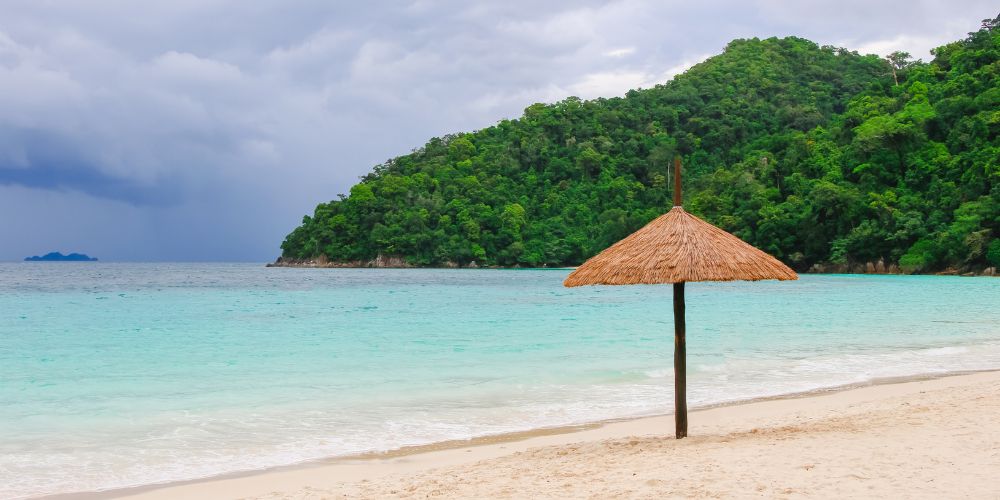
A word of honesty: Koh Rong is changing. The main village, Koh Tuch, now has a party strip, and the fast boats from Sihanoukville bring a certain energy that not everyone wants.
But Koh Rong is a large island, and the rest of it — particularly Sok San Beach on the western side — remains extraordinary. Long white sand, clear water, bioluminescent plankton at night, and a quiet that the main village cannot touch.
What makes it peaceful: Size. Koh Rong is big enough that crowds cluster in one place, leaving the rest of the island untouched. Sok San Beach is accessible by boat from the main pier, and once you are there, you will understand why people extend their stays by a week.
Do not miss:
- Swimming at night to see the bioluminescence — this is genuinely magical
- Long Beach — a 7km stretch with almost nobody on it
- The jungle interior — trails connect the two coasts for those willing to earn the view
Best time to visit: November to May — Cambodia’s dry season keeps the water calm and the skies clear.
6. Lake Toba, Sumatra, Indonesia — Ancient Calm in a Volcanic Crater
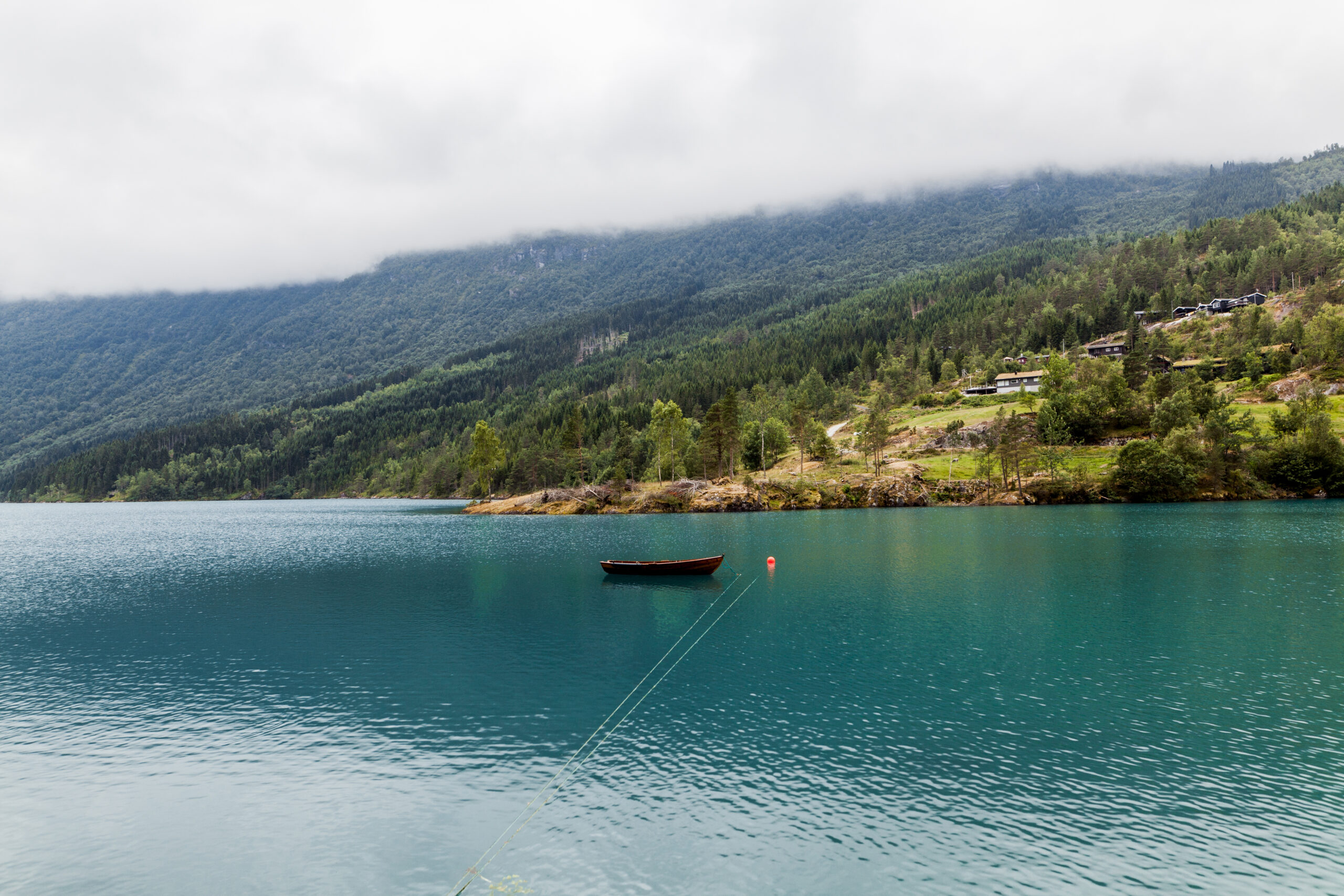
Lake Toba is not small. It is not even just a lake. It is the caldera of a super volcano that erupted roughly 74,000 years ago — the largest volcanic eruption in the last two million years — and the lake that formed afterward is now 100 kilometers long, 30 kilometers wide, and deep enough to swallow mountains.
Sitting within the lake is Samosir Island, an island large enough to have its own hills, villages, and an indigenous Batak culture with music, weaving, and architecture found nowhere else on earth.
What makes it peaceful: The scale creates a natural stillness. The water is remarkably clear. The cool highland air (Lake Toba sits at 900 meters above sea level) makes it genuinely comfortable even in the middle of the Indonesian summer. The Batak villages on Samosir are active and welcoming — this is not a museum culture; it is a living one.
Do not miss:
- Staying in a traditional Batak guesthouse on Samosir’s western shore
- The panoramic views from Siallagan village
- Swimming in the lake in the early morning when the mist is still on the water
Best time to visit: May to September — Indonesia’s dry season.
7. Con Dao Islands, Vietnam — Vietnam’s Most Beautiful Secret
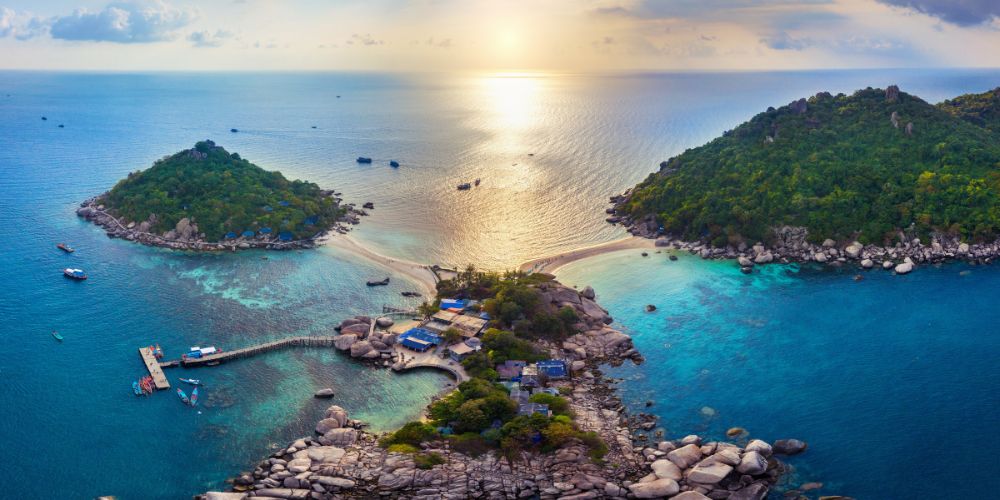
Vietnam’s backpacker trail is well-worn: Hanoi to Hoi An to Ho Chi Minh City, with variations. Con Dao sits 230 kilometers off the southern coast — far enough away that it has historically attracted only the most committed visitors.
That is now slowly changing. But right now, Con Dao remains Vietnam’s finest, least-known destination: national park, pristine coral reefs, nesting sea turtles, and beaches so beautiful they genuinely seem unreal.
What makes it peaceful: Access. Getting to Con Dao requires a flight or a very long boat journey. That filters the visitor numbers naturally. The island has no backpacker party infrastructure — it has nature reserves, quiet guesthouses, and serious diving.
Do not miss:
- Dam Trau Beach — consistently listed among Vietnam’s most beautiful, and often empty
- Night turtle watching (seasonal, June to September) — guided by the national park, genuinely moving
- Snorkeling at the marine park — coral and fish populations that mainland Vietnam beaches lost decades ago
Best time to visit: November to May — avoid the June to September monsoon period.
8. Railay, Thailand — Crowds Cannot Ruin Everything
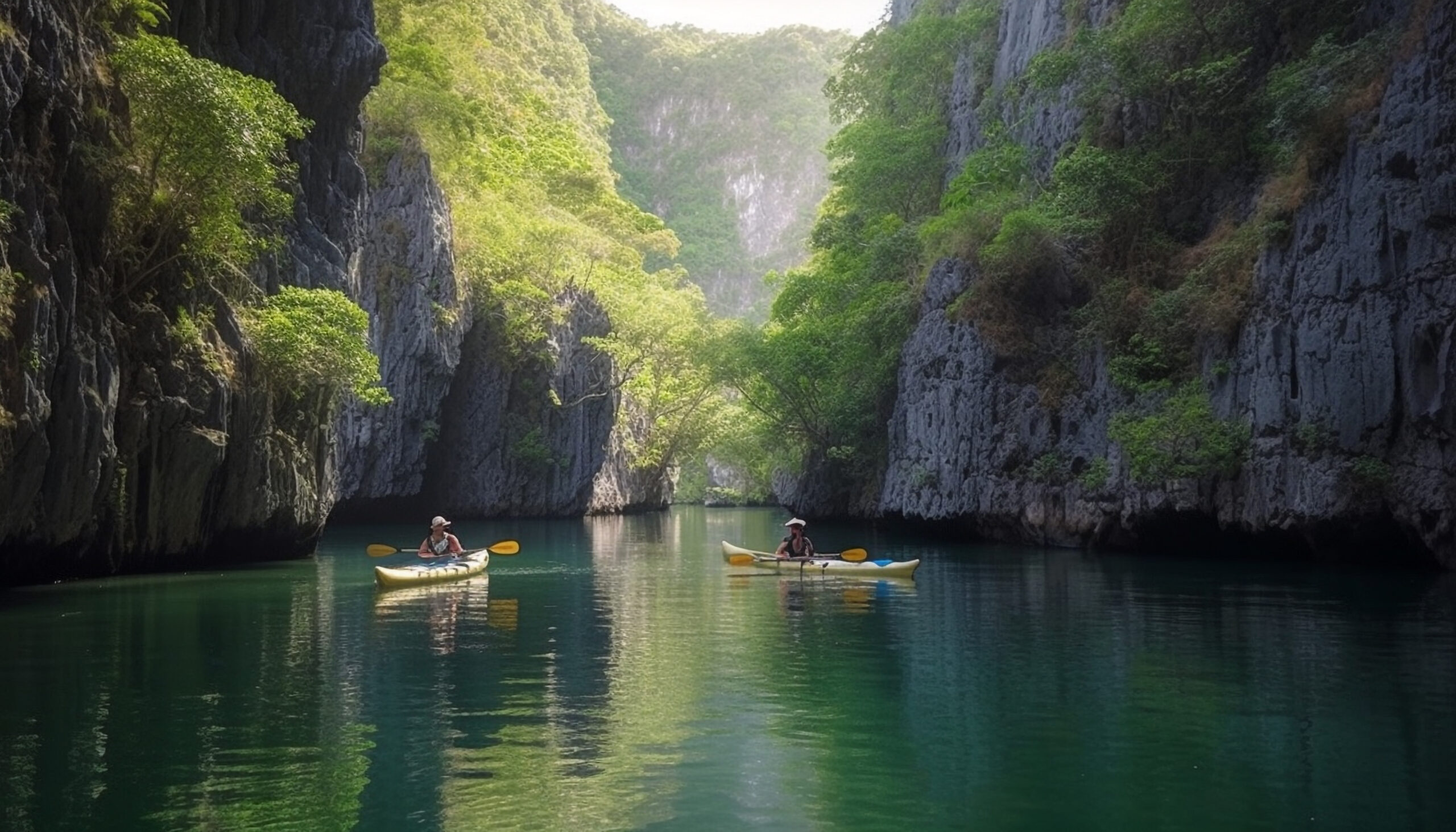
Here is a confession: Railay is popular. It has been popular for twenty years. But what makes it different from other popular Thai destinations is that no road has ever reached it.
Railay is a small peninsula on the coast of Krabi, surrounded by towering limestone cliffs. The only way in or out is by long-tail boat. That means no motorcycles weaving through pedestrians, no songthaews, no through traffic: just the beach, the jungle, the rock faces, and the boats bobbing offshore.
What makes it peaceful: Physical separation from the normal Thai tourist infrastructure creates a different atmosphere even when visitor numbers are high. The cliffs impose their own quiet. You cannot help but look up.
Do not miss:
- Phra Nang Cave Beach — stunning even when shared
- Kayaking to the sea caves at low tide
- Rock climbing — Railay is one of Southeast Asia’s premier climbing destinations, and you can take a beginner half-day course regardless of experience
Best time to visit: November to April, outside the monsoon season.
9. Bohol, Philippines — The Quiet One
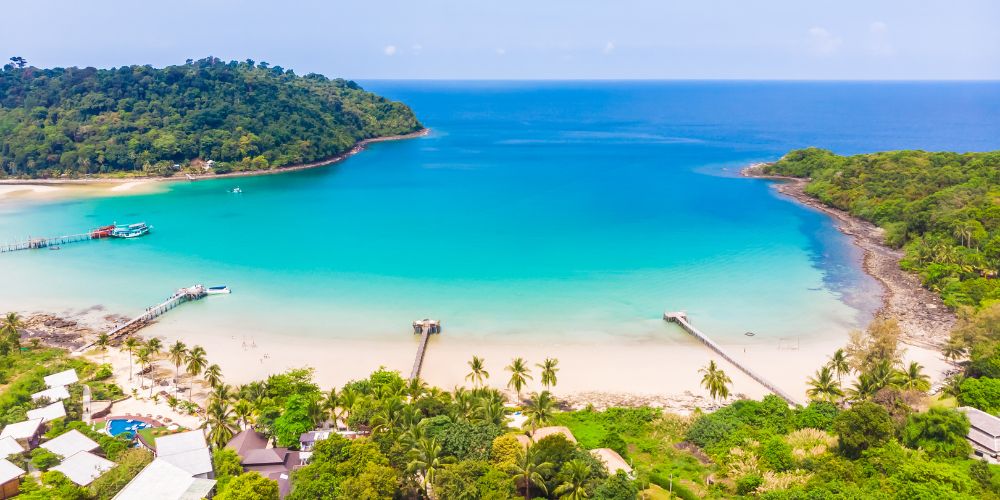
The Philippines has over 7,000 islands. Among the major destinations, Bohol is the least crowded, the most authentic, and, in many ways, the most beautiful.
The Chocolate Hills — 1,268 perfectly cone-shaped hills that turn brown in the dry season — are unlike anything else on earth. The tarsier sanctuaries offer encounters with the world’s smallest primates. And the beaches around Panglao Island, and particularly Anda on the eastern coast, offer clear water and white sand without the development of Boracay or El Nido.
What makes it peaceful: Bohol attracts more domestic Filipino tourists than international visitors. That keeps prices reasonable, keeps the infrastructure human-scale, and keeps the atmosphere relaxed. Anda, in particular, is what Boracay was thirty years ago.
Do not miss:
- The Chocolate Hills at dawn — drive up before the tour buses arrive
- Kayaking the Loboc River through the jungle
- Anda Beach — Bohol’s genuine secret, worth the extra hour of travel from Tagbilaran
Best time to visit: December to May — dry season in the Visayas.
10. Koh Lipe, Thailand — The Maldives of Thailand (Without the Price Tag)
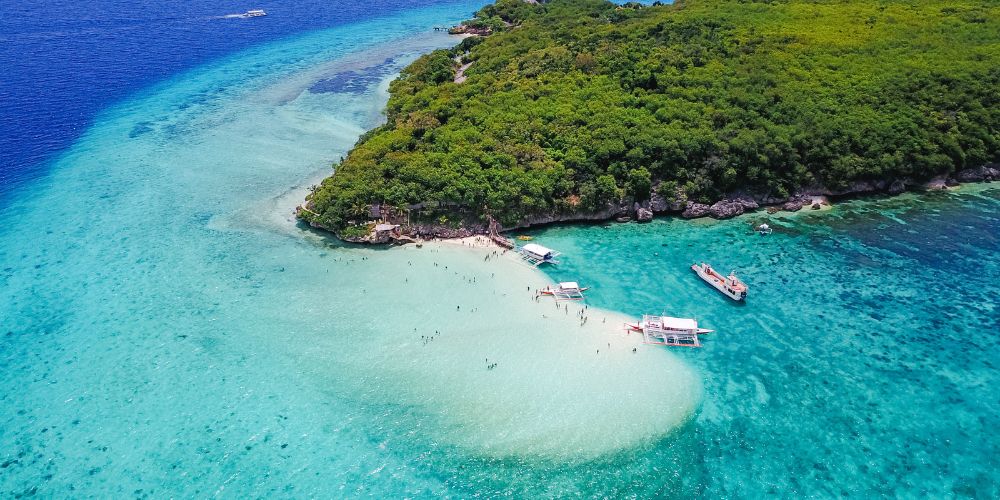
Located in the Andaman Sea near the Malaysian border, Koh Lipe sits within Tarutao National Park and has long been called the “Maldives of Thailand” — a comparison that, for once, is not entirely hyperbole.
The water here is extraordinarily clear. The three main beaches — Sunrise, Sunset, and Pattaya — offer very different vibes. And the reef systems around the island are among the healthiest remaining in Thai waters.
What makes it peaceful: Seasonality filters visitors naturally — Koh Lipe is only accessible from November to May. The island also has a small, walkable core that never feels overwhelming. The pace is slow even in high season.
Do not miss:
- Sunrise Beach in the early morning, before anyone else arrives
- Snorkeling around Hin Ngam and the surrounding islands
- Sunset from the western shore with the silhouette of larger islands across the water
Best time to visit: November to April — outside these months, the island effectively closes due to rough seas.
Best Time to Visit: Quick Reference
Region | Best Months | Why |
| Northern Laos (Luang Prabang, Nong Khiaw) | November – February | Cool, dry, clear skies |
| Southern Laos (Don Det) | November – April | Above monsoon, comfortable temperatures |
| Central & Southern Vietnam (Quy Nhon, Con Dao) | January – August | Long dry window, sheltered coast |
| Cambodia (Koh Rong) | November – May | Dry season, calm seas |
| Indonesia (Lake Toba) | May – September | Indonesian dry season |
| Thailand (Railay, Koh Lipe) | November – April | Andaman Sea dry season |
| Philippines (Bohol) | December – May | Visayas dry season |
How to Actually Travel Peacefully in Southeast Asia
Finding a peaceful destination is only the first step. How you travel matters as much as where you go.
A few principles that have changed the way I move through this region:
Arrive slow, leave slow: Overnight trains and slow boats take longer but put you in the right headspace before you even arrive. The boat from Huay Xai to Luang Prabang takes two days down the Mekong — those two days are part of the trip, not a nuisance.
Stay longer, go fewer places: One week in Luang Prabang is infinitely more rewarding than one night each in seven different cities. This is the core principle behind slow travel — moving at the pace of the place rather than the itinerary.
Built in no days: Days with no plan are not wasted. They are when the actual travel happens — the conversations, the unexpected detours, the meal you stumble into that becomes the highlight of the trip.
Travel in the shoulder season: Every destination on this list is significantly quieter in October–November or March–April than at peak. You get the same landscape, better prices, and genuinely fewer people.
For more on how to build mindfulness into your travel habits, our mindful travel routines guide covers exactly this — practical habits that keep you present rather than performing a vacation.
Practical Tips for Peaceful Travel in Southeast Asia
Accommodation: Book guesthouses over large hotels. Family-run guesthouses in Luang Prabang, Don Det, and Nong Khiaw are usually better located, better priced, and run by people who know the area deeply.
Transport: Slow boats, local buses, and rented bicycles all change your relationship with the landscape. For more on keeping travel costs manageable without sacrificing comfort, our smart hotel hacks guide and cheapest countries to travel post cover Southeast Asia in detail.
Connectivity: Consider deliberately limiting your connectivity. Several destinations on this list have a poor signal by default — treat that as a feature, not a problem.
Packing: Peaceful travel means moving more and carrying less. Our packing tips for stress-free travel will help you get your bag down to essentials.
Related FAQs
Laos is consistently the most peaceful country in Southeast Asia for travelers. Lower tourist numbers, slower infrastructure development, and a cultural ethos of genuine calm make it different from its neighbors. Luang Prabang, Don Det, and Nong Khiaw are all on this list for good reason.
Absolutely — in fact, it is one of the best regions in the world for peaceful solo travel. The destinations on this list are safe, affordable, and naturally conducive to the kind of introspective travel that solo journeys do best. Our guide on solo travel for healing goes deeper on this.
Don Det in Laos and Nong Khiaw are the strongest options; the infrastructure naturally limits connectivity, and the pace of life makes you forget to check your phone. Koh Rong’s outer beaches (particularly Sok San) work well for this too.
Three strategies that actually work: travel in shoulder season (October–November or March–April), arrive at popular sites before 8 am, and choose destinations one step removed from the main tourist trail. Every destination on this list is that one step.
Final Thought
Southeast Asia’s crowds go where the crowds have always gone. Koh San Road. Koh Phangan full moon parties. The Batu Caves at noon. Those places exist, and some of them are wonderful. But they are not the whole story.
The whole story includes a wooden guesthouse porch over the Mekong at sunset with a cold Beerlao and nowhere to be. It includes a beach you reached by boat that has no bar, no sunbeds, and no one telling you what to do with it. It includes the sound of temple bells and the smell of incense, and a morning that begins before the tour groups arrive.
That version of Southeast Asia still exists. These ten places are where to find it.
Looking for more guides like this? Our complete relax travel guide covers everything from mindful travel routines to the best quiet destinations around the world — built for travelers who want depth over speed.

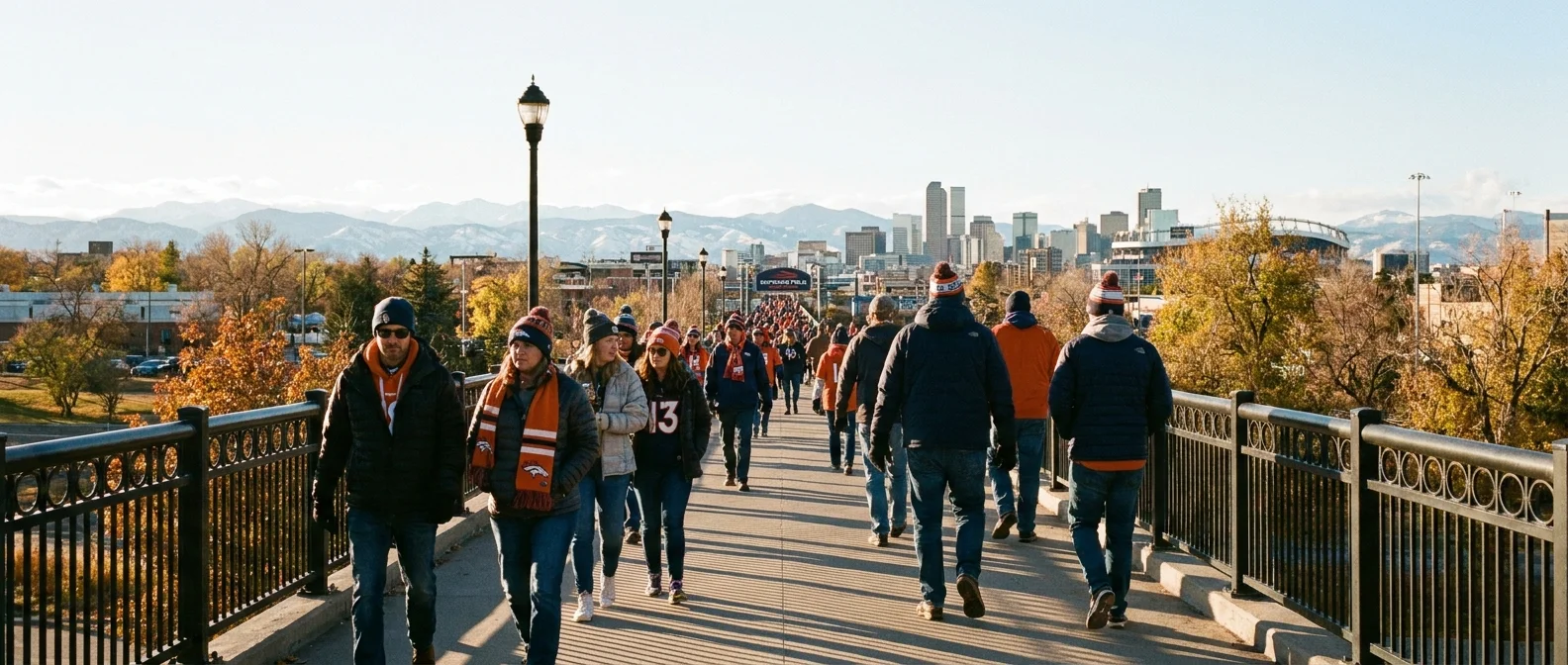
The “Mile High Altitude Advantage” is not just a factor for the players on the field: it is the defining characteristic of a trip to the Queen City of the Plains. Whether you are flying in for a divisional rivalry or a cross-conference showdown, a Denver Broncos game weekend itinerary requires more than just a […]
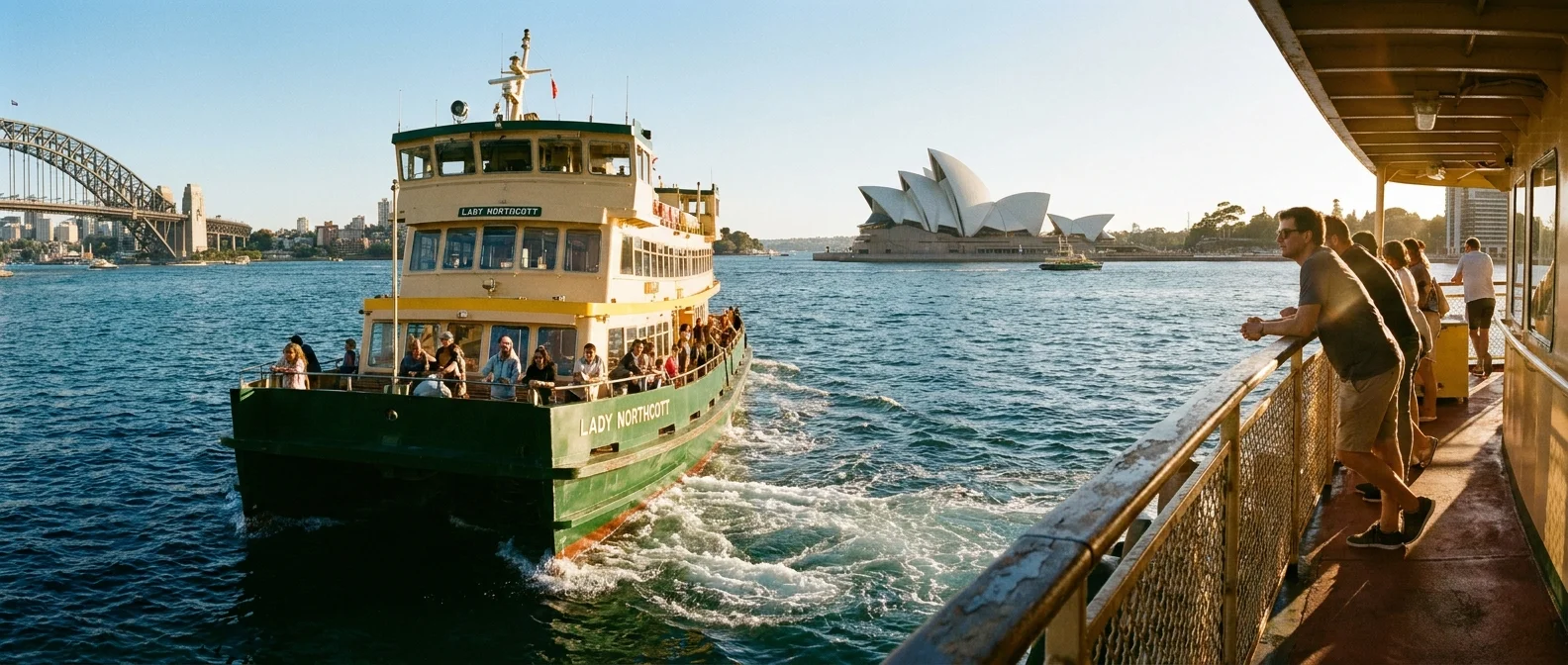
Sydney has always been a cinematic darling, but the viral success of the Sydney Sweeney and Glen Powell rom-com has turned the city into a pilgrimage site for fans seeking that specific “Summer Bay” glow. This Sydney Tour Itinerary bridges the gap between the silver screen and the logistical reality of the Australian peak summer. […]

The October-to-December window in Western New York creates a unique mix of sports excitement and challenging winter weather. During this period, the NFL season reaches its peak while the NHL schedule gets underway, and lake-effect snow can quickly change travel conditions. The Bills Mafia Guide 2026 helps visitors balance the high-energy atmosphere around Orchard Park […]