
What to Pack for Tenerife in Winter: The Ultimate List
Disclosure: To help support our website, some of the links below are affiliate links. This means that if you choose to make a purchase, we will earn a commission at no additional cost to you.
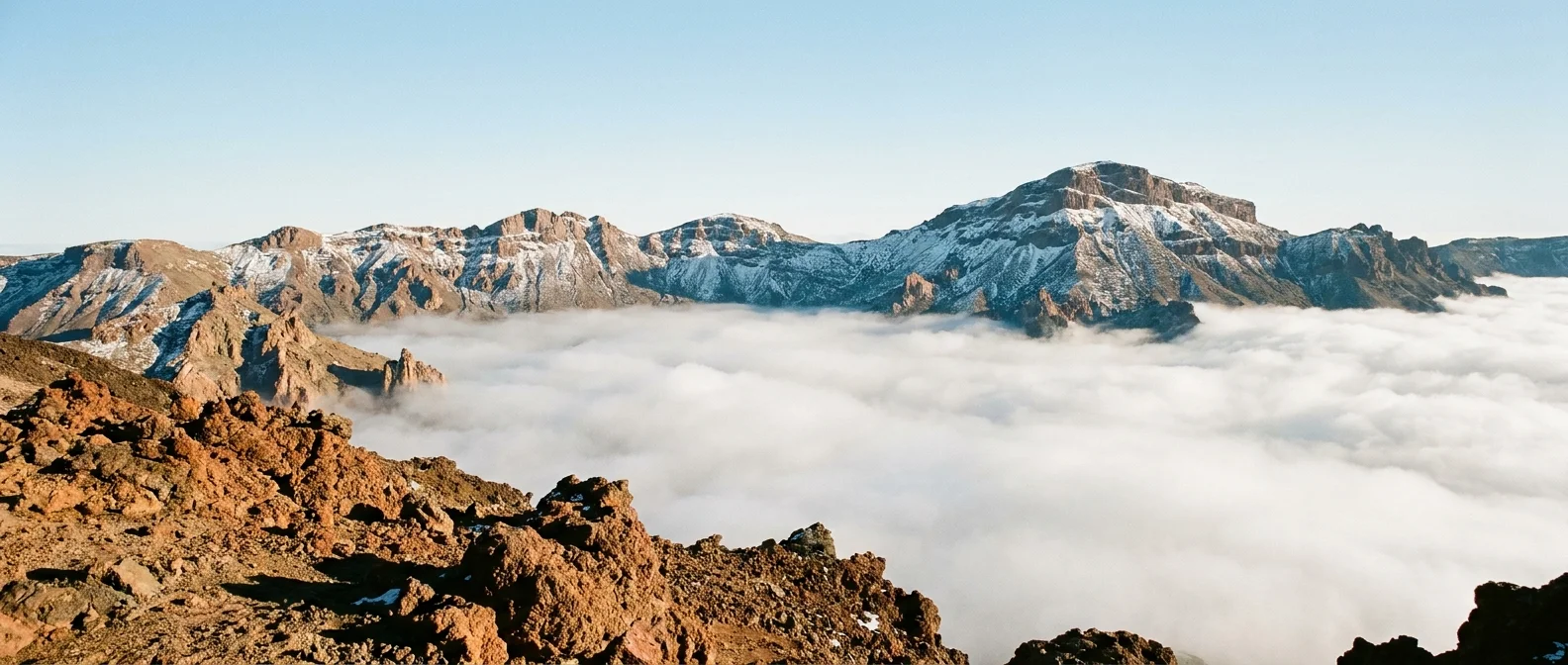
Table Of Contents
- Quick Answer: Tenerife Winter Essentials
- At-a-Glance: Tenerife Winter Weather & Crowds
- North vs. South: Deciding Where to Stay for Winter Sun
- Mastering the Peak: Mount Teide and High-Altitude Hiking
- Seasonal Events: What to Wear in Tenerife in January and February
- Transit Mechanics and Local Logistics
- Mistakes First-Timers Make
- Related FAQs
- Closing
Tenerife in winter, particularly from January through March, offers excellent value for travelers who want warm weather without taking a long-haul flight. The island attracts visitors from Northern Europe with mild coastal temperatures, sunny beaches, and opportunities for outdoor adventures. However, Tenerife’s dramatic landscape creates distinct microclimates that can change your experience within minutes. You might sunbathe in Costa Adeje at noon and encounter freezing fog on Mount Teide by 2:00 PM.
This Tenerife in Winter travel guide answers a common question: how can you pack for both a volcanic mountain and a sunny beach in the same suitcase? We’ll explain how to use a practical layering strategy to prepare for coastal temperatures that can reach 24°C and mountain summits that may approach 0°C in winter. Pack breathable clothing, a light jacket, warm layers, and comfortable walking shoes so you can adapt to changing conditions.
You should also consider how trade winds and altitude affect local temperatures, as the weather can change significantly during a short drive. With the right preparation, you can enjoy Tenerife’s beaches, explore its volcanic landscapes, and plan winter activities without letting unpredictable weather disrupt your trip.
The Ultimate 7-Day Quiet Tenerife Winter Itinerary.
Quick Answer: Tenerife Winter Essentials
- The Best Window: Late February to March offers the best balance of warmth and stable weather, though January is the peak for winter sun seekers.
- Expected Conditions: 21°C to 24°C in the South; 17°C to 19°C in the North; potentially 0°C at Mount Teide’s summit.
- The Main Friction: The Sea of Clouds effect in the North means you need waterproof layers even if the South is bone-dry.
- Booking Note: Secure Mount Teide cable car permits 2 to 4 weeks in advance and Carnival accommodation 6 months out.
At-a-Glance: Tenerife Winter Weather & Crowds
| Month | Avg Temp (South) | Rain Days (North) | Crowd Level | Best For |
|---|---|---|---|---|
| January | 21°C (70°F) | 6-7 Days | High | Escaping Northern European frost |
| February | 22°C (72°F) | 5-6 Days | Peak (Carnival) | Santa Cruz Carnival & culture |
| March | 24°C (75°F) | 3-4 Days | Moderate | Hiking and stable beach weather |
North vs. South: Deciding Where to Stay for Winter Sun
The South: Costa Adeje and the Sun Trap
The southern coast, specifically Costa Adeje, Playa de las Américas, and Los Cristianos, remains the primary destination for those asking where to stay in Tenerife for winter sun. This region is geographically shielded by the massive bulk of Mount Teide, which blocks the moisture-laden trade winds coming from the northeast. Consequently, Costa Adeje winter weather consistently delivers daytime highs of 21°C to 24°C with almost zero rainfall.
When packing for the South, prioritize lightweight linens, cotton T-shirts, and swimwear. However, do not be misled by the afternoon heat. Once the sun drops behind the horizon at approximately 18:30, the lack of humidity causes temperatures to dip rapidly to 15°C or 16°C. A light knit sweater or a denim jacket is necessary for outdoor dining. For meals, focus on local Cherne (wreckfish) served with Mojo Verde at beachfront terraces. This white fish is a staple of the winter season and is typically caught in the deep waters between Tenerife and La Gomera. If you are staying in this region, the TF-1 motorway provides fast access, but traffic around the Guaza mountain can add thirty minutes to your journey during the morning rush.
The North: Puerto de la Cruz and the Lush Highlands
The North is a different ecological world. It is consistently 3 to 4 degrees cooler than the South and significantly more humid. While the South is arid and volcanic, the North features the Sea of Clouds (Mar de Nubes), a phenomenon where trade winds trap moisture against the mountainsides. This results in 5 to 7 rainy days per month in January. This is the region for hikers and those seeking authentic Canarian culture in traditional plazas.
When considering Tenerife North vs. South, the North requires a more robust packing list. You will need a waterproof shell or a sturdy umbrella for the frequent but brief Atlantic showers. Puerto de la Cruz is located 25 minutes from the Tenerife North Airport (TFN). If you base yourself here, visit the nearby city of San Cristóbal de La Laguna. This UNESCO World Heritage site sits at a higher elevation and is notoriously chilly in winter. Wear a proper coat and stop at a local bakery for Rosquetes, which are traditional lemon- and anise-scented donuts. The humidity in the North means that clothes take longer to dry: if you are staying in an Airbnb without a tumble dryer, pack extra socks and undergarments.
Barcelona Travel Cards and Gaudí Ticket Hacks.
Mastering the Peak: Mount Teide and High-Altitude Hiking
The Summit Strategy: 0°C Realities
When planning Mount Teide winter hiking, the most common mistake is underestimating the altitude. The base of the cable car sits at 2,356 meters, while the summit reaches 3,715 meters. At these heights, temperatures frequently hit 0°C, and snow is a regular occurrence in February. Even if you are wearing shorts at the beach in the morning, you must change before ascending.
Your packing list must include a packable down puffer jacket and a windbreaker. The wind chill at the top station (La Rambleta) can make 5°C feel like -5°C. Note that Mount Teide cable car winter weather can cause sudden closures. High winds are common, and the cable car will stop operating without much notice for safety reasons. Check the Volcano Teide website at 08:00 on the day of your trip to confirm the status. It is advisable to book the 09:00 ascent to avoid the midday cloud cover that often obscures the views of the neighboring islands of La Palma, El Hierro, and La Gomera.
Volcanic Terrain and Footwear
The trails in Teide National Park and the Anaga Cloud Forest consist of sharp, abrasive volcanic rock. Standard sneakers or fashion trainers will be shredded by the lava stone within a few miles. Mid-height hiking boots with ankle support are mandatory for safety and durability. The terrain is uneven, and the loose “picón” (volcanic gravel) makes descents slippery.
UV intensity at 3,000 meters is extreme, even on overcast days. The atmosphere is thinner, providing less protection from solar radiation. Reef-safe sunscreen with an SPF of 50+ is required even if the air feels cold. Use a zinc-based cream to prevent windburn on your face, which is a common issue for those spending several hours on the Roques de García loop trail. If you plan to hike the Masca Gorge, verify that you have secured a permit well in advance, as permits are strictly limited to prevent erosion of the trail.
Seasonal Events: What to Wear in Tenerife in January and February
The Santa Cruz Carnival Experience
If your trip coincides with the Tenerife Carnival in February 2027, expect 100% occupancy and impassable roads in the capital. This is the second-largest carnival in the world after Rio de Janeiro. The weather in Santa Cruz is generally warm, but the “Calima” can occur. This is a weather event where Saharan dust blows over the island, causing sudden heat spikes and respiratory irritation.
During Carnival, the key is mobility. Use the Tranvía (Tram) from La Laguna to enter Santa Cruz: avoid driving at all costs, as parking is non-existent. For the parades, wear comfortable, closed-toe shoes. The streets will be covered in litter and spilled drinks, making sandals a poor choice. While many locals wear elaborate costumes, a visitor can blend in with a simple wig or a colorful shirt. If a Calima is active, pack a lightweight scarf or a mask to filter the dust, especially if you have asthma or other respiratory conditions.
Layering for “Eternal Spring”
Answering whether Tenerife is warm in February requires nuance. While you can swim in 20°C water at Playa de las Vistas, the “Siesta” hours in non-tourist towns like La Orotava (13:30 to 16:30) often coincide with the strongest sun. A spring-layering kit is the gold standard for this season. This consists of a base layer T-shirt for the midday heat, a long-sleeve mid-layer for the late afternoon, and a light jacket for the 18:30 sunset.
When deciding what to wear in Tenerife in January, include a swimsuit for heated hotel pools. While the ocean is accessible, the Atlantic can be rough in mid-winter. Many hotels in the South heat their pools to 26°C, making them more comfortable than the 19°C ocean. For evening walks along the Costa Adeje promenade, a windbreaker is highly recommended to block the stiff Atlantic breeze that picks up after dark.
Viva México: Your First-Time Winter City Guide.
Transit Mechanics and Local Logistics
Navigating the TITSA Bus Network
The bright green TITSA buses are the lifeline of the island and are remarkably punctual. To save money, do not pay with cash on board. Instead, use the Ten+ card, which can be purchased at kiosks and tram stations, or download the “Ten+ Mobile” app. This provides significant discounts on all fares.
Line 40 is the express service connecting Costa Adeje to the Tenerife South Airport (TFS). Line 342 is known as the Teide Express: it leaves from Costa Adeje in the morning and returns in the afternoon. Be aware that the 342 only runs once a day, so missing the return bus from the national park results in a €60 taxi fare. Drivers cannot change notes larger than €10: ensure you have small denominations if you have not topped up your digital card.
Airport and Car Rental Warnings
Tenerife has two airports: Tenerife South (TFS) and Tenerife North (TFN). They are located 65 kilometers apart. A taxi between them costs €80 or more. Ensure your car rental is booked for the correct airport. In peak winter, especially during the February Carnival, car rental fleets sell out completely. Book your vehicle at least three months in advance to avoid paying triple the standard rate.
Rental car break-ins are a known issue at remote trailheads, particularly in the Anaga Rural Park and near the Mirador de la Tarta. Never leave bags, electronics, or even empty jackets visible in the car. Leave the glove box open and empty to show thieves there is nothing of value inside. If you are hiking, take your passport and cash with you in a small daypack.
Mistakes First-Timers Make
1. The Airport Mix-up: Many travelers book a flight to TFN (North) because it is often cheaper, but their hotel is in Costa Adeje (South). The transfer takes over an hour, and a taxi will cost roughly €90. Always fly into TFS for southern resorts to save time and money.
2. Underestimating the North’s Rain: Assuming the whole island is a desert is a major error. If you are visiting Puerto de la Cruz, the Anaga forest, or La Laguna, you must pack a dedicated waterproof layer. The humidity can make 17°C feel much colder than it is.
3. Ignoring Guachinches: Many visitors eat only at beachfront restaurants with “Menu del Dia” signs. To experience the real Tenerife, head to the vineyards of the North (Tacoronte or La Orotava) for Guachinches. These are legal home-restaurants serving local wine and traditional dishes like Carne de Cabra (goat meat). They are usually cash-only and have limited opening hours.
7-day Guanacaste Itinerary: Eco-Luxury Escape.
Related FAQs
Yes, the water temperature remains around 19°C to 20°C. While the ocean is swimmable at sheltered spots like Playa San Juan or the rock pools of Garachico, most travelers prefer hotel heated pools for longer swimming sessions. The Atlantic currents can be strong in winter, so always check the flag color on the beach: red means no swimming.
You only need a permit for the final 200-meter hike from the cable car station to the actual crater (Telesforo Bravo trail). The cable car itself does not require a permit, only a ticket. However, the summit permit is free and must be booked 2 to 3 months in advanc,e as only 200 people are allowed per day.
The South is superior for those seeking guaranteed sun, dry weather, and beach lounging. The North is better for travelers who prioritize hiking, UNESCO culture, and authentic Canarian gastronomy. If you have ten days, splitting your stay between both regions is the best way to see the island’s diversity.
The Calima is a weather event where Saharan dust is blown across the Atlantic to the Canary Islands. It causes the sky to turn a hazy yellow, raises temperatures, and reduces visibility. It can last from 2 to 4 days. During a Calima, it is best to avoid strenuous hiking due to the poor air quality.
Access to the village of Masca is restricted. Private car parking is banned for non-residents to prevent gridlock on the narrow mountain roads. You must take the Line 355 bus from Santiago del Teide or Buenavista del Norte, or take a taxi. If you plan to hike the gorge, you must have a pre-booked permit and arrive by public transport.
Yes, specifically in Santa Cruz and La Laguna. Accommodation prices can double or triple during the two weeks of Carnival in February. To save money, stay in a town further away like Candelaria or Puerto de la Cruz and use the public bus system to commute into the festivities.
Closing
With your spring-layering kit packed and your Teide permits secured, you are ready to experience the most diverse climate in the Macaronesian archipelago. Your next step is to download the TITSA Ten+ Mobile app to ensure seamless travel across the island’s stunning volcanic terrain. By preparing for both the 24°C beaches and the 0°C summits, you will navigate Tenerife with the efficiency of a local.

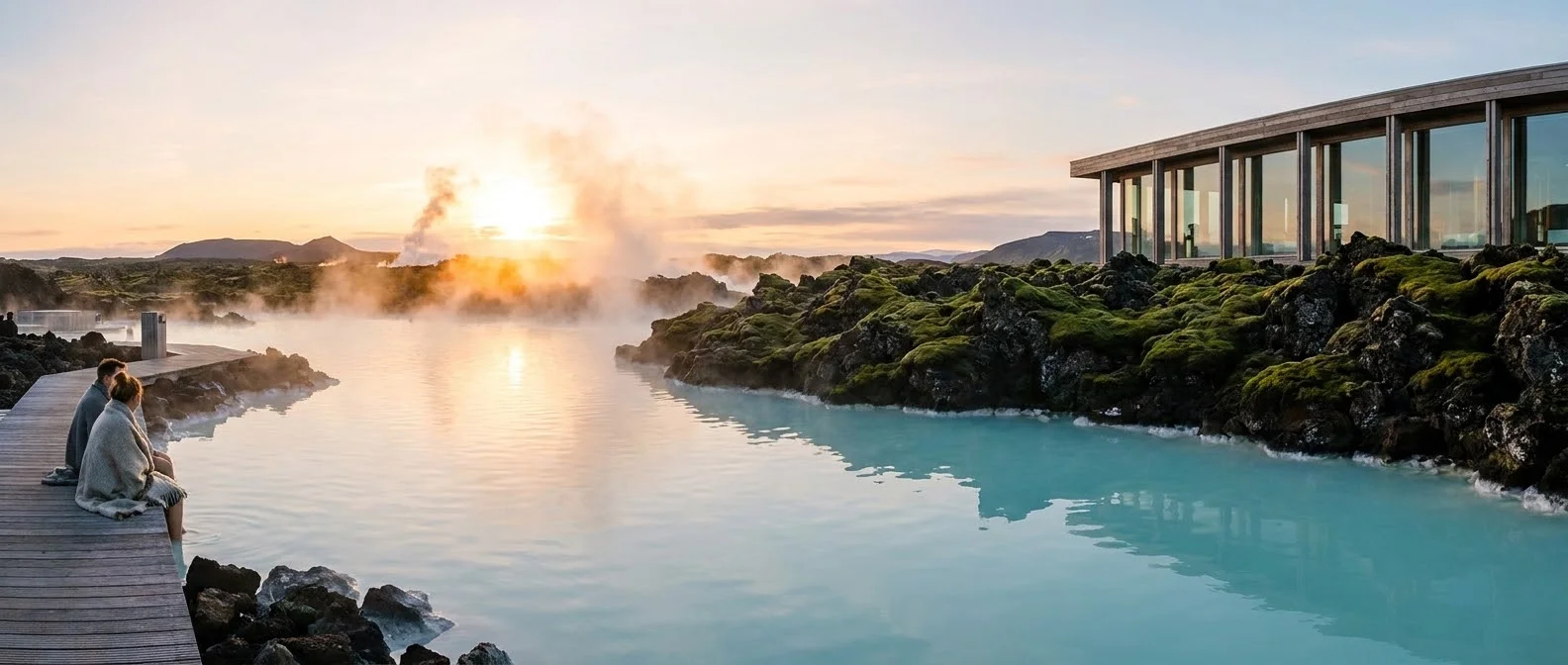
Blue Lagoon vs Sky Lagoon is an important comparison for travelers who want to experience Iceland’s famous geothermal bathing culture. Stepping into the steaming, mineral-rich waters of an Icelandic geothermal pool while the crisp sub-Arctic air surrounds your shoulders creates a memorable travel experience. Whether you are exploring the rugged Ring Road or seeking essential […]
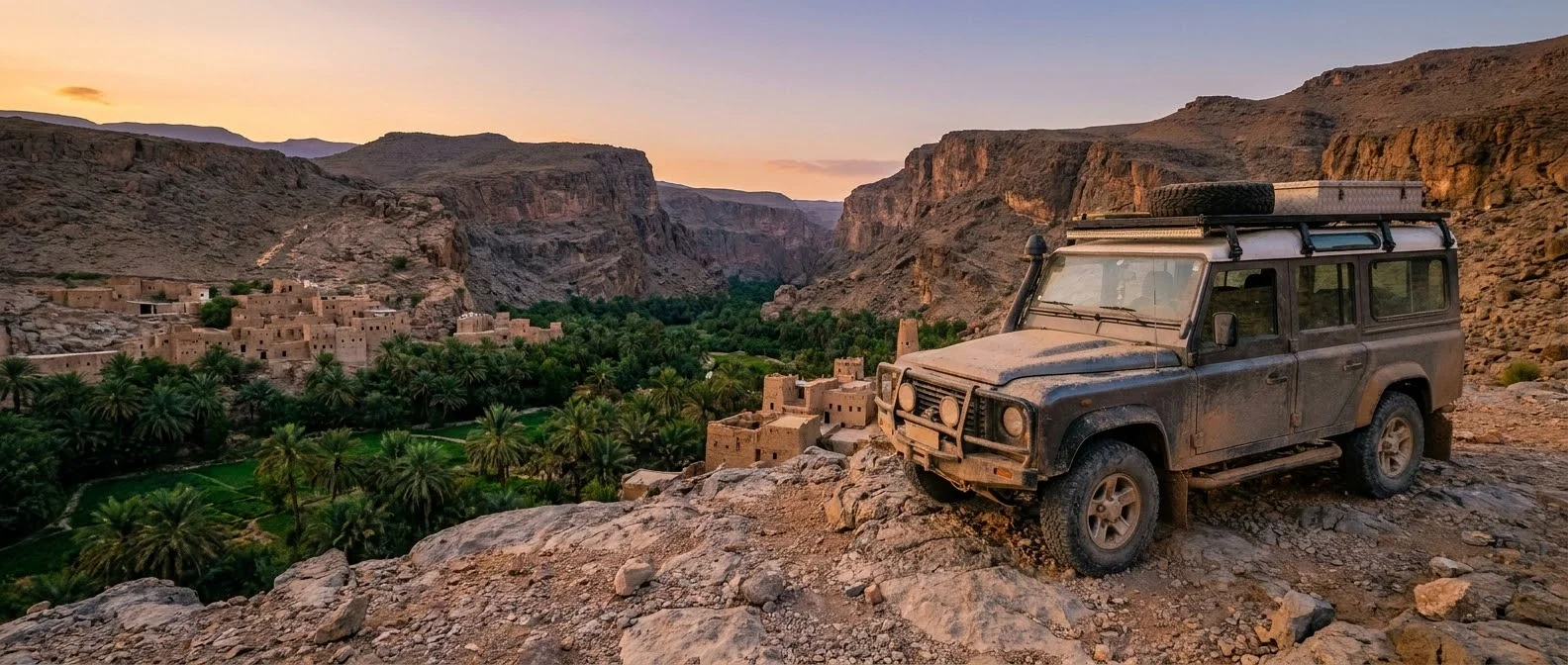
Oman winter 4×4 road trip planning requires more than just a passing sense of adventure; it demands careful preparation and strategic foresight. The allure of Oman in winter is undeniable, with its cinematic landscapes of frankincense-scented souqs, emerald wadis, and towering canyons offering a refreshing escape from the scorching summer heat. However, exploring this rugged […]
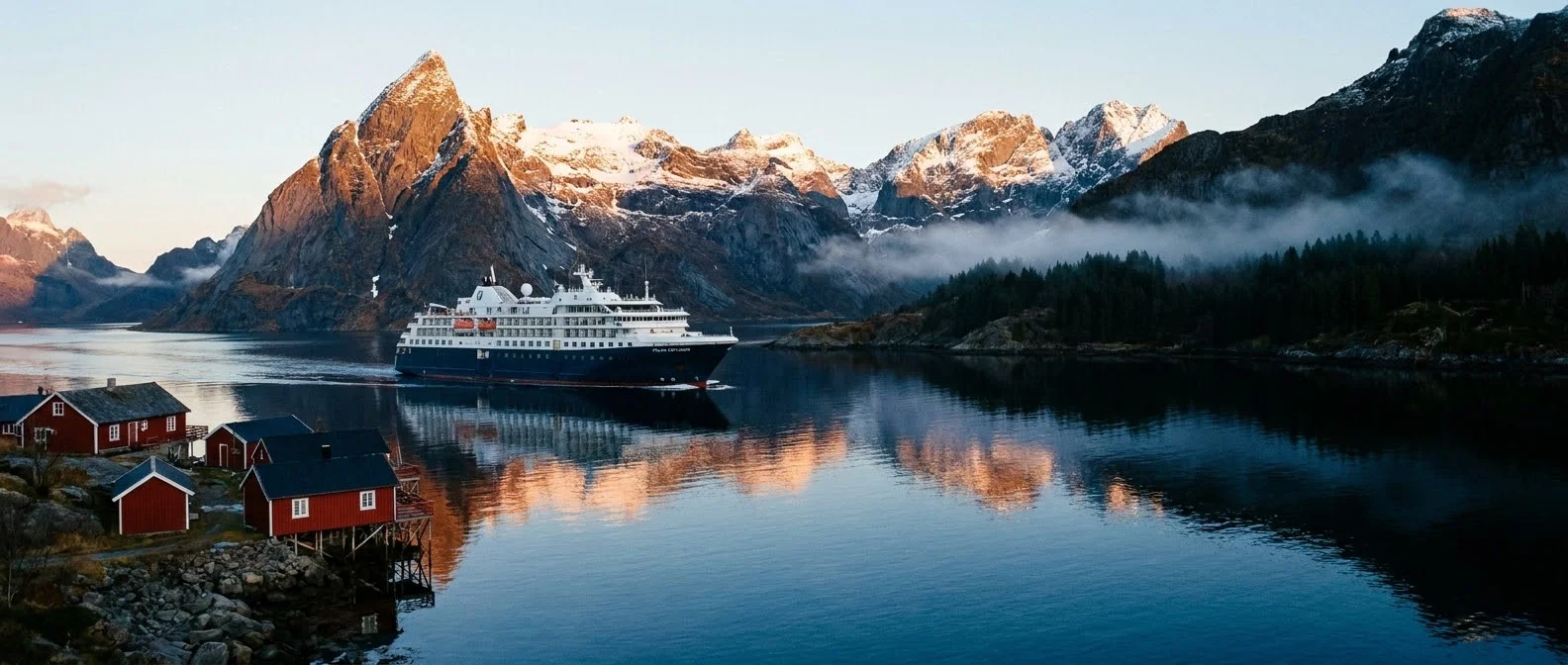
Norwegian fjords autumn cruise offers travelers a chance to experience Norway’s dramatic landscapes during one of the most atmospheric times of the year. As October fades into November, the steely grey waters of the Norwegian Sea reflect snow-dusted peaks, while low-hanging mist creates a mysterious backdrop across the fjords. The quieter season also brings fewer […]