
Cruising the Norwegian Fjords in Late Autumn: Wardrobe, Deck Gear & Excursion Tips
Disclosure: To help support our website, some of the links below are affiliate links. This means that if you choose to make a purchase, we will earn a commission at no additional cost to you.
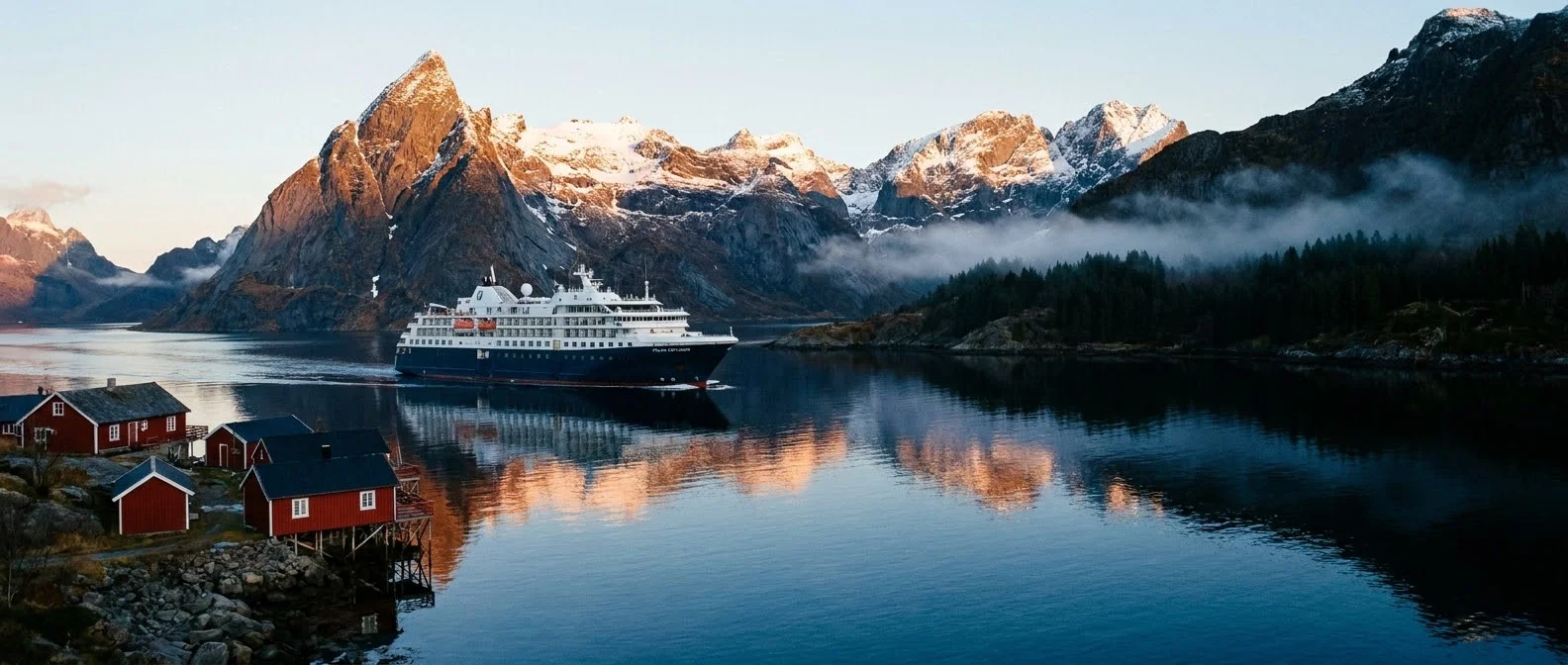
Table Of Contents
Norwegian fjords autumn cruise offers travelers a chance to experience Norway’s dramatic landscapes during one of the most atmospheric times of the year. As October fades into November, the steely grey waters of the Norwegian Sea reflect snow-dusted peaks, while low-hanging mist creates a mysterious backdrop across the fjords. The quieter season also brings fewer cruise crowds, allowing visitors to enjoy the scenery at a more relaxed pace. However, navigating the transition from crisp autumn air to biting Arctic winds requires more than simply packing a heavy coat. Before embarking on a Nordic voyage, consult essential travel guides and packing tips to choose clothing that balances comfort, mobility, and thermal protection. Late autumn in Norway brings unpredictable weather, strong winds, and shorter daylight hours, so prepare carefully for changing conditions. With the right clothing and planning, you can enjoy breathtaking coastal views, peaceful fjord villages, and an unforgettable maritime adventure.
What to Pack for Patagonia in Shoulder Season: Windproof Layering & Trekking Gear.
1. Route Logistics and the Late Autumn Climate
Understanding Norwegian fjord weather in November and late October is crucial for setting expectations. Norway’s coastline is vast, and the climate shifts dramatically depending on your latitude.
In the southern fjords, encompassing ports like Bergen and Stavanger, temperatures typically hover between 35°F and 48°F (2°C to 9°C). Here, the primary elemental challenges are frequent, driving rain and brisk coastal winds. However, as your ship crosses the Arctic Circle toward the northern route (including Tromsø and the North Cape), the environment transforms. Temperatures frequently drop below freezing, ranging from 20°F to 32°F (-6°C to 0°C). Snow becomes highly likely, and by late November, the region enters the “Polar Night,” a period where the sun barely breaches the horizon.
Daylight management becomes the defining logistical challenge of a late autumn cruise. With a narrow five-to-seven-hour window of optimal light, ships meticulously time their scenic cruising to ensure passengers witness the grandest landscapes at midday. Furthermore, while summer favorites like the Geirangerfjord may see reduced access due to shifting weather, expedition lines like Hurtigruten or Havila Voyages expertly pivot to equally stunning, less-crowded alternatives. Expect to sail through the jagged, alpine beauty of the Hjørundfjord or the narrow, UNESCO-listed Nærøyfjord, where the sheer cliff faces feel close enough to touch.
2. The Ultimate Fjord Wardrobe and Deck Gear
When considering what to wear on a fjord cruise, the golden rule of Arctic travel applies: layer strategically. While curating a wardrobe for a temperate fall getaway might have you referencing a Kyoto autumn packing guide for lightweight layers and aesthetic trench coats, the Norwegian fjords demand a rigorous, weather-proof approach focused entirely on wind resistance and thermal retention.
The 3-Layer Nordic System
To survive hours on the observation deck waiting for a whale sighting or the Aurora Borealis, you must master the three-layer system:
- The Base Layer: Invest in 100% Merino wool tops and bottoms. Merino naturally regulates body temperature and wicks moisture. Avoid cotton at all costs; it traps sweat and freezes against your skin.
- The Mid Layer: This is your insulating layer. A high-quality, thick fleece or a packable down/synthetic insulated jacket (such as PrimaLoft) will trap your body heat.
- The Outer Shell: Your final defense against the elements must be a fully waterproof, windproof, and breathable hard shell, ideally featuring Gore-Tex technology.
Deck Gear Essentials
The best deck gear for cold weather cruises goes beyond heavy coats. The ship’s outer decks will be wet, icy, and slippery. Waterproof hiking boots with heavy-duty Vibram soles are non-negotiable for traction. Protect your extremities with a fleece-lined windproof beanie, a Merino wool buff (neck gaiter) to seal the gap between your collar and chin, and insulated, touchscreen-compatible gloves. The latter is vital; taking off your gloves in biting wind to snap a photo on your smartphone will quickly lead to numb fingers.
For tech and optics, pack a pair of 8×42 binoculars to spot white-tailed sea eagles and distant, half-frozen waterfalls. Additionally, cold weather drains lithium-ion batteries at an alarming rate. Always keep spare camera and phone batteries tucked into an inner jacket pocket close to your body heat.
The Nordic Layering Checklist
| Layer/Gear Type | Ideal Material | Primary Purpose | Practical Example |
|---|---|---|---|
| Base Layer | 100% Merino Wool | Moisture-wicking, core temperature regulation. | Long-sleeve Merino top & thermal leggings. |
| Mid Layer | Fleece or PrimaLoft | Insulation; trapping body heat. | Packable synthetic puffer jacket or thick fleece zip-up. |
| Outer Shell | Gore-Tex / Hard Shell | Blocking gale-force winds and driving rain. | Uninsulated, seam-sealed waterproof jacket. |
| Footwear | Gore-Tex & Vibram | Grip on icy decks; keeping feet dry during wet landings. | Over-the-ankle waterproof hiking boots. |
| Accessories | Merino / Windstopper | Protecting extremities from frostbite and wind chill. | Touchscreen gloves, fleece-lined beanie, wool buff. |
The Ultimate 5-Day Seoul Autumn Foliage Itinerary.
3. Excursion Strategies and On-Shore Logistics
Late autumn excursions are rugged, exhilarating, and deeply immersive. Because daylight is limited, onshore activities are highly concentrated and require prompt readiness.
RIB Boat Safaris
Rigid Inflatable Boat (RIB) safaris through the Aurlandsfjord or Lysefjord offer unparalleled, water-level views of the cliffs. While operators provide heavy, insulated thermal survival suits, passengers must wear their own warm base layers and thick wool socks underneath. The wind chill while zooming across the water is intense, but the reward of seeing porpoises and secluded fjord farms up close is worth the freeze.
The Flåm Railway (Flåmsbana)
Riding the Flåm Railway in autumn is a bucket-list experience. The train climbs dramatically from the edge of the Aurlandsfjord up to the high mountain station of Myrdal. In late October and November, the journey transitions from a lush, autumnal valley floor to a snow-dusted alpine wonderland. The train makes a brief stop at the Kjosfossen waterfall, which by late autumn is often a spectacular, half-frozen cascade of ice and roaring water.
Urban Explorations: Bergen and Tromsø
In Bergen, Europe’s rainiest city, an umbrella and your Gore-Tex shell are essential. Ride the Fløibanen funicular for panoramic views of the city’s archipelago, then wander through the narrow, wooden alleyways of Bryggen, the historic Hanseatic wharf.
Further north, Tromsø serves as the gateway to the Arctic. Late autumn marks the beginning of the Northern Lights season. To maximize your chances, book a dedicated Northern Lights chase. These expert-led excursions often drive hours inland, sometimes all the way to the Finnish border, to escape coastal cloud cover and find clear skies.
4. Cultural Etiquette and Practical Transit Tips
Navigating Norway is remarkably efficient, provided you understand a few key local norms and logistical shortcuts.
Transit to Port
If your cruise departs from Bergen, you will likely fly into Bergen Airport (BGO). Skip the expensive taxis. The most efficient and scenic transit to the city center and cruise terminal is the Bybanen (Bergen Light Rail). It takes roughly 45 minutes, costs a fraction of a private transfer, and offers a smooth, quiet ride through the city’s outskirts.
The Cashless Society
Norway is virtually 100% cashless. Visa, Mastercard, and digital wallets like Apple Pay and Google Pay are accepted universally, from high-end seafood restaurants in Stavanger to remote, fjord-side coffee stands. Do not bother exchanging large amounts of your home currency for Norwegian Krone (NOK); you will likely never need physical bills.
Cultural Etiquette
To truly appreciate your journey, embrace the Norwegian concept of friluftsliv, which translates to “open-air living.” Locals do not let bad weather stop them from going outside, living by the adage: “There is no bad weather, only bad clothing.”
When interacting with locals, remember that Norwegians highly value quiet and personal space. Keep your voice low on public transit and respect the serene, hushed nature of the fjords. Finally, tipping is not mandatory or expected in Norway, as hospitality and service workers are paid a robust living wage. However, rounding up the bill for exceptional service is always a polite and appreciated gesture.
3-Day Kyoto Autumn Itinerary: Beat the Crowds.
Related FAQs
Yes, a Northern Lights cruise in Norway during late October and November offers excellent viewing opportunities, provided your itinerary crosses the Arctic Circle (heading toward Tromsø, Alta, or the North Cape). The skies must be clear, so patience and late nights on the deck are required.
The waters inside the fjords remain remarkably calm and glass-like, protected by the surrounding mountains. However, when the ship ventures into the open ocean to travel between fjords—such as crossing the notorious Stadhavet Sea—the waters can be choppy. If you are prone to seasickness, pack motion sickness patches or medication.
Yes. While daylight is reduced to roughly five to seven hours in late autumn, cruise captains specifically time the navigation of the most spectacular fjords for the middle of the day. The low angle of the autumn sun also creates a perpetual “golden hour,” offering incredible, moody lighting for photography.
No. Norway is a cashless society. You can use a credit card with no foreign transaction fees or a digital wallet for everything from a cup of coffee to a guided excursion.
Access to certain fjords, like Geirangerfjord, is often restricted in late autumn due to avalanche risks and winter weather. However, cruise lines seamlessly substitute these with equally magnificent, year-round accessible fjords like the Nærøyfjord or Hjørundfjord.
Conclusion: Embracing the Arctic Chill
Cruising the Norwegian fjords in late autumn is not a passive vacation; it is an active, elemental experience. It is about standing on a wind-whipped deck, wrapped in layers of Merino wool and Gore-Tex, watching the Northern Lights dance over jagged, snow-capped peaks. It is the moody, ethereal photography captured in the twilight, and the profound silence of a deep, glacial valley.
Most importantly, the chill of the outdoors is perfectly balanced by the Norwegian concept of koselig, a deep, comforting coziness. There is no greater feeling than retreating from the freezing observation deck into the warm, glowing interior of your ship, wrapping your hands around a hot mug of coffee, and watching the world’s most dramatic coastline glide silently by. Pack smart, respect the climate, and prepare for a maritime journey that will stay with you long after the ice thaws.

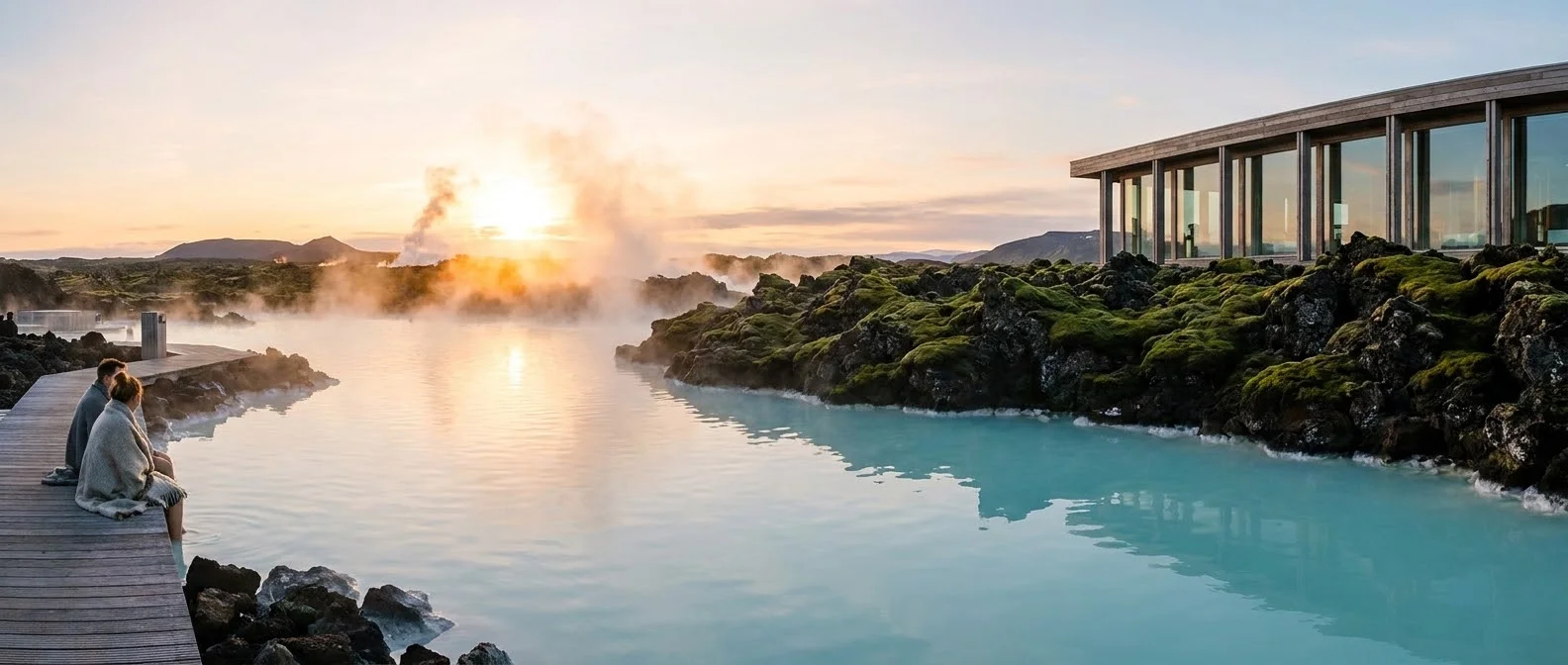
Blue Lagoon vs Sky Lagoon is an important comparison for travelers who want to experience Iceland’s famous geothermal bathing culture. Stepping into the steaming, mineral-rich waters of an Icelandic geothermal pool while the crisp sub-Arctic air surrounds your shoulders creates a memorable travel experience. Whether you are exploring the rugged Ring Road or seeking essential […]
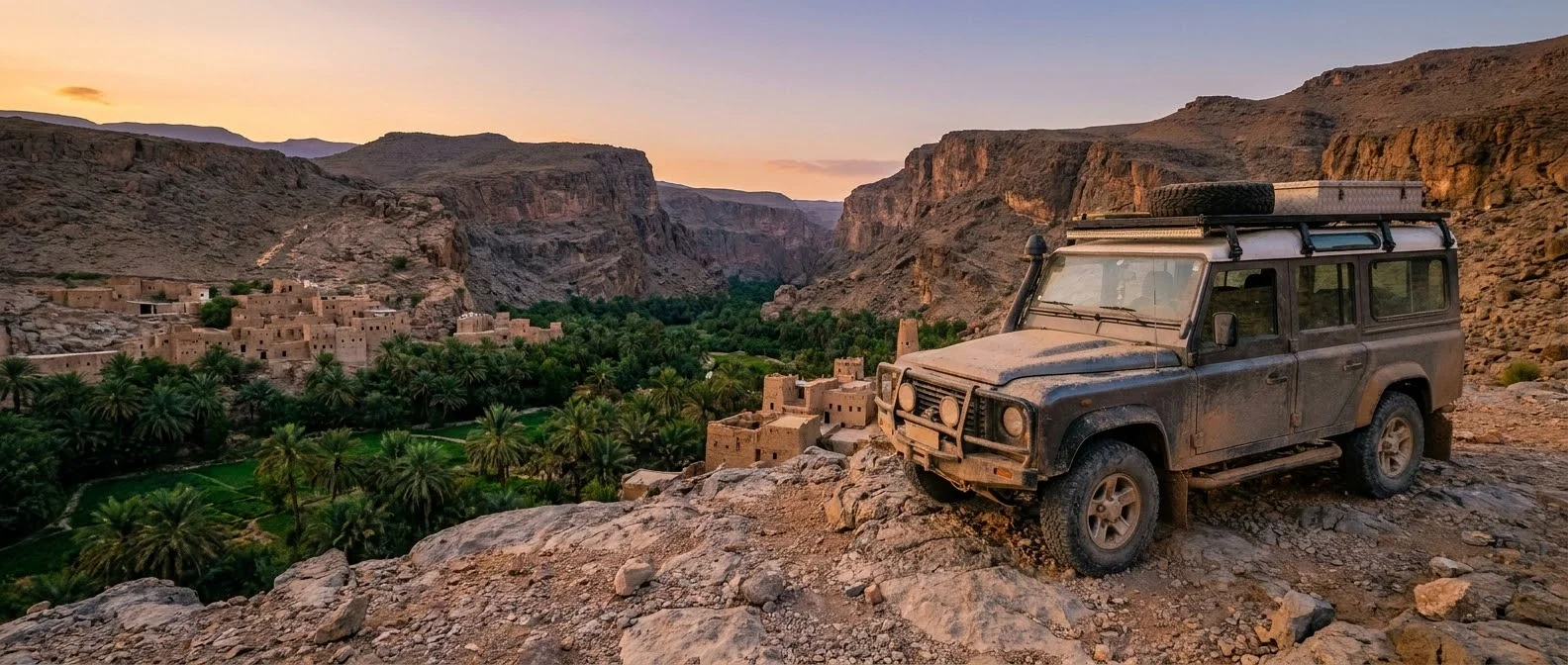
Oman winter 4×4 road trip planning requires more than just a passing sense of adventure; it demands careful preparation and strategic foresight. The allure of Oman in winter is undeniable, with its cinematic landscapes of frankincense-scented souqs, emerald wadis, and towering canyons offering a refreshing escape from the scorching summer heat. However, exploring this rugged […]
Norwegian fjords autumn cruise offers travelers a chance to experience Norway’s dramatic landscapes during one of the most atmospheric times of the year. As October fades into November, the steely grey waters of the Norwegian Sea reflect snow-dusted peaks, while low-hanging mist creates a mysterious backdrop across the fjords. The quieter season also brings fewer […]