
What to Pack for Patagonia in Shoulder Season: Windproof Layering & Trekking Gear
Disclosure: To help support our website, some of the links below are affiliate links. This means that if you choose to make a purchase, we will earn a commission at no additional cost to you.
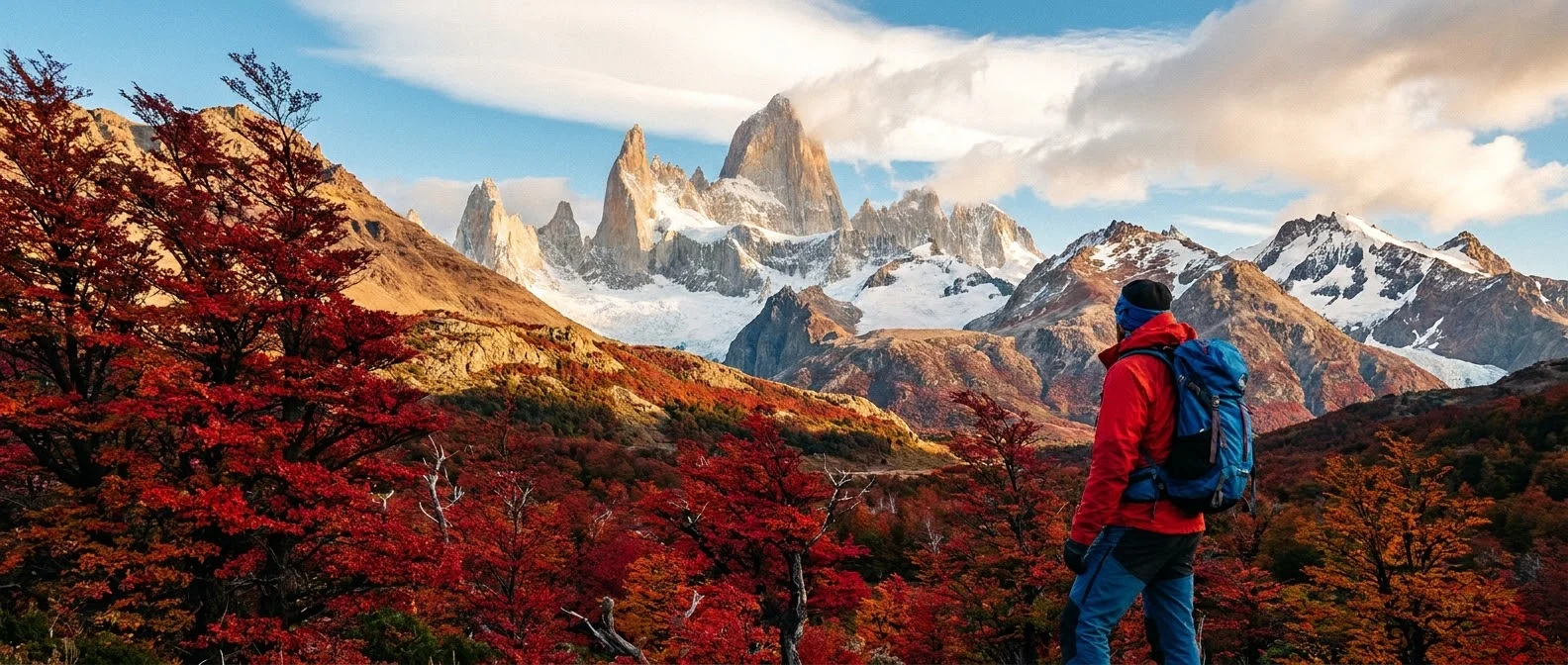
Table Of Contents
Patagonia shoulder season packing requires careful planning because the region’s unpredictable weather can change dramatically within hours. Picture standing before the jagged granite spires of Mount Fitz Roy as an autumn wind howls through the crimson lenga forests, or watching a puma move through the blooming flora of Torres del Paine in the crisp spring air. Patagonia offers staggering, untamed beauty, but it demands respect from everyone who explores its trails. Visiting during the shoulder seasons of spring (October to November) and autumn (March to April) gives you a valuable travel advantage. You can avoid peak summer crowds, secure better rates at boutique lodges, and witness landscapes painted in vibrant seasonal hues.
However, these quieter months also bring notoriously erratic weather, strong winds, sudden rain, and chilly temperatures. Whether you are planning a luxury lodge stay or a rugged backcountry circuit, use essential travel guides and packing tips to choose versatile layers, weather-resistant outerwear, and reliable hiking gear. Packing the right equipment can make the difference between an unforgettable adventure and a miserable ordeal. In Patagonia, preparation is not a luxury; it is essential for a safe and comfortable journey.
Stargazing in Atacama Desert Chile: Observatory Tickets, Logistics & Altitude Tips.
Understanding the Patagonian Shoulder Season Climate
To pack effectively for Patagonia, you must first understand the meteorological forces at play. The region’s weather is dictated by the “Roaring Forties” and “Furious Fifties”—powerful, uninterrupted westerly winds that sweep across the southern Pacific Ocean and slam directly into the Andes Mountains.
During the shoulder seasons, these atmospheric collisions create wild temperature fluctuations. A typical spring or autumn morning might greet you with a biting frost hovering around 30°F (-1°C). Yet, by mid-afternoon, brilliant sunshine can warm the glacial valleys to a comfortable 60°F (15°C). The golden rule of Patagonian trekking is that you will inevitably experience all four seasons in a single day. You might start your hike in a snow flurry, shed layers under a blazing midday sun, and finish your descent battling horizontal rain. Your wardrobe must be as adaptable as the landscape itself.
The Masterclass in Windproof Layering
Surviving and thriving in this environment requires a strict adherence to the three-tier layering system. Layering for the Andes is a highly technical endeavor. While a Kyoto autumn packing guide might prioritize lightweight cardigans and stylish walking shoes for urban leaf-peeping, Patagonia demands high-performance, weather-resistant fabrics that can withstand sudden sleet and 100 km/h gusts.
1. The Base Layer (Moisture Management)
Your base layer sits directly against your skin and is responsible for regulating your core temperature by wicking away sweat. Opt for 100% Merino wool long-sleeve tops and leggings. Merino is a miracle fabric for trekkers: it is naturally odor-resistant (crucial for multi-day hikes) and, unlike synthetic alternatives, retains its insulating properties even when damp. Avoid cotton entirely; once cotton gets wet from sweat or rain, it stays wet, putting you at severe risk of hypothermia in the biting Patagonian wind.
2. The Mid-Layer (Insulation)
The mid-layer traps body heat. Because you will be constantly taking this layer on and off, a high-warmth-to-weight ratio is critical. Pack a breathable, grid-fleece pullover (such as the Patagonia R1) for active hiking. For rest stops and chilly evenings at camp, bring a packable synthetic down jacket. Synthetic insulation is vastly superior to natural down in Patagonia, as it continues to insulate even when exposed to heavy moisture.
3. The Outer Layer (The Windproof Shell)
This is the single most important garment in your duffel bag. You need a premium, 3-layer waterproof and windproof hard shell jacket (Gore-Tex Pro or equivalent). Do not skimp here. Your shell must feature a helmet-compatible hood with rigid brims to shield your face, pit-zips to dump excess heat during steep ascents, and adjustable Velcro cuffs to seal out violent, icy drafts.
Non-Negotiable Trekking Gear for the Andes
Beyond your clothing, the gear you carry will dictate your comfort and safety on the trails. The terrain in Patagonia ranges from well-trodden dirt paths to treacherous scree slopes and knee-deep mud bogs.
Footwear for Rugged Terrain
Your lower half requires just as much attention as your core. Pack softshell, wind-resistant, and water-repellent trekking pants. For your feet, invest in over-the-ankle, waterproof trekking boots (models like the Salomon Quest or Lowa Renegade are excellent choices). The aggressive Vibram outsoles will keep you anchored on slippery glacial moraines. Crucial tip: Ensure your boots are thoroughly broken in weeks prior to your arrival to prevent trip-ruining blisters. Pair them with mid-weight Merino wool hiking socks, bringing at least three to four pairs to rotate.
Trekking Poles & Daypacks
Trekking poles are absolutely mandatory in Patagonia. They are not just for saving your knees on brutal descents like the John Gardner Pass or the steep rocky steps down from Laguna de los Tres; they act as vital anchors. When a 100 km/h katabatic wind gust hits you on an exposed ridge, planting your poles will keep you from being blown off your feet. Carry your daily essentials in a 25L–35L daypack equipped with a built-in rain cover and a hydration bladder sleeve.
Essential Accessories
Do not forget the small details. Pack windproof gloves, a Merino wool buff (which can be pulled up to protect your face from severe windburn), and high-quality polarized sunglasses to combat the intense glare reflecting off the glaciers. Finally, bring SPF 50 sunscreen; the ozone layer is notoriously thin over the Southern Hemisphere, and the sun is deceptively strong despite the cold air.
Svalbard Polar Night Tourism: Polar Bear Safety, Gear & Dark Season Guide.
Transit Logistics & Route Planning
Patagonia is vast, and navigating between its iconic hubs requires strategic planning, especially when crossing international borders.
Key Hubs & Cross-Border Transit
- Chilean Patagonia: Most travelers fly into Punta Arenas (PUQ) and take a scenic 3-hour bus ride (via reliable operators like Bus Sur) to Puerto Natales, the charming gateway town to Torres del Paine National Park.
- Argentine Patagonia: Fly into El Calafate (FTE) to witness the thunderous calving of the Perito Moreno Glacier, then catch a 3-hour bus north to El Chaltén, the undisputed trekking capital of Argentina.
The Border Crossing: Traveling between Puerto Natales (Chile) and El Calafate (Argentina) requires a 5- to 6-hour bus journey. The border crossing at Cancha Carrera/Cerro Castillo* can be slow. Ensure you have printed copies of any required reciprocity fee receipts. Most importantly, Chilean customs officials are incredibly strict regarding agricultural products—do not attempt to bring fresh fruit, nuts, or animal products across the border, or you will face hefty fines.
Shoulder Season Route Highlights
In Chile, the famous W Trek (a 4-to-5-day route hitting the Grey Glacier, French Valley, and the base of the Towers) is spectacular in the shoulder season. The narrow trails are free of summer bottlenecks, allowing for a more solitary wilderness experience. In Argentina, the day hikes from El Chaltén to Fitz Roy & Cerro Torre are unmatched. The Laguna de los Tres hike is best tackled at sunrise in autumn, when the towering granite spires glow a brilliant crimson against the fiery fall foliage.
Patagonian Shoulder Season Comparison
| Feature | Spring (Oct – Nov) | Autumn (March – April) |
|---|---|---|
| Average Temps | 35°F to 55°F (2°C to 13°C) | 30°F to 50°F (-1°C to 10°C) |
| Landscape Highlights | Blooming wildflowers, lush green valleys. | Fiery red and orange lenga and ñirre trees. |
| Wildlife Viewing | High activity (guanacos, pumas, condors). | Moderate activity; animals preparing for winter. |
| Trail Conditions | Can be muddy with lingering snowmelt. | Generally drier, crisp air, occasional early snow. |
| Vibe | Awakening, energetic, lengthening days. | Moody, dramatic photography, shorter days. |
Refugio Etiquette, Currency, and Local Culture
Trekking in Patagonia often involves staying in refugios (mountain huts) or utilizing their facilities while camping. Understanding the local etiquette ensures a harmonious experience.
Refugio Culture: Communal respect is paramount. Upon entering a refugio, muddy boots and trekking poles must be left in designated mudrooms. Bring lightweight camp sandals (like Crocs or Tevas) to wear indoors. Dinners are communal, offering a wonderful chance to swap trail stories with global adventurers over a bottle of Carménère.
Leave No Trace: The Patagonian ecosystem is incredibly fragile. Pack out all trash, including toilet paper and food scraps. Stay strictly on marked trails to prevent soil erosion and protect delicate alpine vegetation.
Currency & Cash:
Argentina:* The economic situation is fluid. Bring crisp, unblemished $100 USD bills to exchange at the favorable “Blue Market” rate, though many credit cards (Visa/Mastercard) now process transactions at the similarly favorable MEP rate. El Chaltén is notorious for its ATMs running out of cash; bring enough physical currency to cover your entire stay.
Chile:* Credit cards are widely accepted in Puerto Natales and inside Torres del Paine, but you should carry Chilean Pesos for bus tips, small bakeries, and rural park entrance fees.
Emily in Paris Season 5 Locations: Self-Guided Walking Tour & Hotel Hacks.
Related FAQs
Absolutely. In Patagonia, trekking poles are less about fitness and more about stability. The wind gusts can literally knock you off balance, and poles act as essential anchors. They also significantly reduce the impact on your knees during steep, rocky descents.
While experienced ultralight hikers sometimes use trail runners, it is highly recommended to wear waterproof, over-the-ankle boots for shoulder season trekking. The trails are frequently muddy, and you will likely encounter scree fields and shallow stream crossings where ankle support and waterproofing are vital.
Yes. While the crowds are thinner than in January, the capacity of the refugios is strictly limited. Book your accommodations in Torres del Paine (via Las Torres and Vertice) several months in advance to secure your itinerary.
Generally, the glacial stream water in Patagonia is some of the purest in the world. However, in heavily trafficked areas (like the W Trek), it is always safer to use a lightweight water filter or purification tablets to avoid any risk of waterborne illness.
Embracing the End of the Earth
Traveling to Patagonia during the shoulder season is an invitation to witness the raw, unfiltered power of the natural world. It is a place where the weather dictates your schedule, and the landscape humbles you at every turn. By respecting the climate, investing in high-quality windproof layering, and adhering to the unwritten rules of the trail, you free yourself to fully absorb the magic of the Andes. Pack thoughtfully, tread lightly, and prepare to be forever changed by the wild, untamed beauty at the end of the earth.

Patagonia shoulder season packing requires careful planning because the region’s unpredictable weather can change dramatically within hours. Picture standing before the jagged granite spires of Mount Fitz Roy as an autumn wind howls through the crimson lenga forests, or watching a puma move through the blooming flora of Torres del Paine in the crisp spring […]
The Bwindi gorilla permit booking tips in this guide will help you plan a smooth and unforgettable wildlife adventure in Uganda. There is a profound, almost primal stillness that descends upon the jungle just before you lock eyes with a 400-pound silverback gorilla. Deep within the emerald embrace of Uganda’s Bwindi Impenetrable National Park, the […]
Atacama Desert stargazing tour booking offers travelers a chance to experience one of the clearest night skies on Earth. There is a moment just after twilight in the Atacama Desert when the horizon bleeds from bruised purple into an inky, fathomless black. Suddenly, the sky shatters into a billion points of diamond-hard light. As the […]