
Tulum Travel Safety & Sian Ka’an Transit Guide
Disclosure: To help support our website, some of the links below are affiliate links. This means that if you choose to make a purchase, we will earn a commission at no additional cost to you.

Table Of Contents
The post-holiday travel scene has changed, and by 2027, experienced travelers increasingly seek peaceful escapes instead of the high-energy beach clubs that dominate early January in Tulum. Many now prefer secluded eco-resorts, quieter coastal retreats, and nature-focused experiences deep within the surrounding biosphere. However, one important question remains: *Can you still experience the old, off-grid Tulum without compromising your safety?* Understanding **Tulum Travel Safety** has become essential for visitors who want to explore the region’s hidden beaches, remote accommodations, and natural attractions while avoiding unnecessary risks.
This guide provides a practical blueprint for navigating Tulum’s evolving transportation network, understanding local taxi challenges, using the Tren Maya infrastructure, and reaching secluded destinations such as the Sian Ka’an Biosphere Reserve. It also explains how to choose reliable transportation, protect your belongings, recognize common tourist scams, and prepare for journeys beyond the main hotel zone. These precautions can help you enjoy a more relaxed experience without overlooking important safety considerations.
Beyond the busy hotel strip, Tulum offers a completely different atmosphere. As you travel toward Sian Ka’an, the crowds gradually disappear, and mangroves, coastal lagoons, wildlife, and the Caribbean Sea take center stage. However, remote locations require additional planning because road conditions, mobile connectivity, transportation availability, and access to emergency services can vary significantly.
Whether you plan to stay at an eco-resort, explore secluded beaches, or discover the natural beauty of Quintana Roo, this guide will help you understand the practical realities of traveling around Tulum in 2027. With the right preparation and awareness, you can enjoy a quieter side of the destination while making informed decisions about your personal safety.
Quick Answer
- Best Window: Mid-January to March (post-BPM Festival) for the lowest humidity and clear, seaweed-free water.
- Expected Conditions: Daytime highs of 28°C (82°F); dry season means minimal rain and 60% humidity.
- The Main Friction: Navigating the unpaved, potholed road to Sian Ka’an and managing the high cost of non-metered taxis.
- Booking Note: Top-tier eco-sanctuaries now require 4 to 6 months lead time for the Jan to Mar peak.
| Month | Avg Temp (Day/Night) | Crowd Level | Best For |
|---|---|---|---|
| January | 27°C / 19°C | High (Early) / Med (Late) | Post-holiday detox & cool evenings |
| February | 28°C / 20°C | Moderate | Clear cenote diving & bird watching |
| March | 29°C / 21°C | High | Seaweed-free beaches & spring sun |
| April | 31°C / 23°C | Moderate | Budget finds before sargassum season |
Finding Quiet Tulum Eco-Resorts 2027: Beyond the Beach Road
Sian Ka’an biosphere: The true Tulum off-grid sanctuaries
The Sian Ka’an Biosphere Reserve is a UNESCO World Heritage site that encompasses 1.3 million acres of protected land and water. For travelers seeking Tulum off-grid sanctuaries, this is the final frontier. The resorts here are located well past the paved beach road, often requiring a 45- to 90-minute drive from Tulum Pueblo depending on the state of the dirt track. Because the area is a protected reserve, construction is strictly limited. There are no massive beach clubs or high-rise hotels here. Instead, you find small-scale cooperatives and private villas that operate entirely on solar and wind power.
The lack of light pollution in Sian Ka’an makes it one of the best spots in the Yucatan for stargazing. At night, the only illumination comes from the moon and the low-voltage LED lights of the resorts. Dining in this zone is equally stripped back. Local cooperatives often prepare Tikn Xic fish, a traditional Mayan dish where grouper or snapper is marinated in achiote and sour orange, wrapped in banana leaves, and grilled over wood fires. To stay here is to accept a slower pace. There is no high-speed fiber optic internet, and cellular signals drop off shortly after you pass the entry gate. You are trading digital connectivity for a direct connection to the mangroves and the Mesoamerican Barrier Reef.
Soliman and Tankah bays: Reef-protected seclusion
If the deep biosphere feels too remote, Soliman Bay and Tankah Bay offer a middle ground. Located north of the main Tulum ruins, these bays are protected by an outer reef that breaks the waves, resulting in calm, pool-like water. Soliman Bay is primarily a residential and boutique zone. It remains quiet because there is only one road in and out, and there are no public beach clubs to draw the day-trip crowds. It is a 15-minute drive from the Pueblo, but it feels like a different decade.
Tankah Bay is just 12 minutes from town and is characterized by its rocky shoreline and the presence of several “ojos de agua” (freshwater springs) that bubble up into the ocean. The snorkeling here is superior to the main Tulum beach because the reef is closer to the shore. You can swim directly from your hotel deck into a world of sea fans and parrotfish. For a meal, the local favorite is Chamico’s, a legendary spot at the end of Soliman Bay known for wood-fired seafood and cold beer served under the coconut palms. There are no menus: you eat what was caught that morning.
Muyil and the jungle edge: Avoiding the ocean entirely
For those who find the salt air and humidity of the coast overwhelming, the area around Muyil offers quiet places to stay in Tulum that focus on the jungle and freshwater lagoons. Muyil is located 20 minutes south of the Pueblo and serves as a gateway to the northern Sian Ka’an lagoons. The accommodation here tends toward jungle lodges and “eco-apartments” in areas like La Veleta and Region 15. While these neighborhoods have seen rapid development, they remain significantly quieter than the beach road.
The draw of Muyil is the lagoon float. You can hire a local boat captain to take you through the ancient Mayan canals, where you can jump into the crystal-clear, slow-moving water and float through the mangroves for 40 minutes. It is a silent, meditative experience that stands in stark contrast to the thumping bass of the beach clubs. When you return to the Pueblo for dinner, skip the tourist traps and head to Antojitos La Chiapaneca for Cochinita Pibil tacos. The pork is slow-roasted in a pit and served with pickled red onions. It is a staple of the region and costs a fraction of a beachside meal.
Navigating the 2027 Transit Landscape: Tren Maya and TQO
Arriving via tulum international airport (tqo) and tren maya
The logistics of reaching Sian Ka’an biosphere resorts changed significantly with the full operation of the Felipe Carrillo Puerto International Airport (TQO). The airport is located 40 kilometers southwest of Tulum Pueblo. Upon arrival, you have three primary options for reaching the town center. Official airport shuttles cost between $30 and $50 USD per person. These are reliable and air-conditioned. For a more economical route, the ADO bus runs frequently between the airport and the Tulum Centro bus station for approximately $10 to $15 USD.
By 2027, the Tren Maya has become a primary artery for regional travel. Tramo 5 connects Tulum to Playa del Carmen and Cancún to the north, while Tramo 6 runs south toward Bacalar. The Tulum station is located near the airport and the ruins. To use the train effectively, you must download the official Tren Maya app to book tickets in advance, as popular times sell out. The train is a clean, efficient alternative to the often congested Highway 307, but remember that the station is not on the beach. You will still need a secondary transfer (taxi or shuttle) to reach your final destination.
The “taxi mafia” and the colectivo alternative
Tulum’s taxi system is notoriously expensive and lacks meters. A 10-minute ride from the Pueblo to the beach road can easily cost $30 USD or more during peak hours. This “Taxi Mafia” is a well-known friction point for Tulum travel safety in 2027. To mitigate this, use the “Radio Taxi” app if available, or ask your hotel to call a trusted driver. Always negotiate and agree on the price before you get into the vehicle.
The white Colectivo vans are the local secret for affordable transit. These vans run up and down Highway 307 and the main road to the beach. A ride typically costs between 20 and 50 Pesos ($1 to $2.50 USD). You simply wave them down and tell the driver where you want to get off. While they can be crowded, they are safe and efficient. A word of warning: do not attempt to walk from the Pueblo to the beach. The distance is over 5 kilometers; there are no sidewalks for much of the route, and the heat and heavy truck traffic make it a dangerous endeavor. Renting a bicycle is a better option for the Pueblo-to-beach commute, provided you have lights for night riding.
Tulum Travel Safety 2027: Realities for Anxious Travelers
Is Tulum safe for tourists in 2027? (Addressing the advisory)
The question of whether Tulum is safe for tourists in 2027 is frequently asked due to headlines regarding cartel activity in the region. The reality on the ground is that while cartel friction exists, it rarely targets tourists. Most incidents occur in non-tourist areas or involve individuals seeking out illegal substances. To maintain your safety, stay in well-trafficked areas and avoid the purchase of drugs, which is the primary driver of local conflict.
Aldea Zama has emerged as a “bridge” zone between the Pueblo and the beach. It is a planned community with high-end infrastructure, paved roads, and private security. For anxious travelers, this area offers a sense of predictability and safety. It is well-lit at night and has a growing number of restaurants and shops. While it lacks the rustic charm of the off-grid zones, it provides a secure base for exploring the region. Always stay aware of your surroundings, especially after dark, and stick to the main roads.
Protecting belongings and financial security
The most common safety issue in Tulum is not violent crime, but petty theft. This is particularly prevalent on the public beaches. Never leave your bags unattended while you go for a swim. Even a few minutes is enough time for a “beachcomber” to walk away with your phone or wallet. Use the lockers provided at beach clubs or take turns watching the gear if you are in a group.
Financial security is another concern. Standalone ATMs on the beach road are notorious for skimming devices. These machines can capture your card data and PIN, leading to drained bank accounts. Only use bank-affiliated ATMs located inside the Pueblo, such as those belonging to Santander or HSBC. These are generally located in well-lit, secure vestibules. Regarding tipping, a 10 to 15 percent Propina (tip) is standard in restaurants. Check your bill carefully, as some establishments include the servicio automatically. If it is already included, you are not obligated to tip more.
Tulum Dry Season Travel: Timing and Environmental Logistics
Weather patterns and the sargassum factor
The period from January to March is the “sweet spot” for Tulum dry season travel. During these months, the humidity drops to a manageable 60 percent, and the daytime temperatures hover between 27°C and 29°C. The evenings are surprisingly cool, often dipping to 19°C (66°F), which makes a light mid-layer or sweater necessary for dinners by the ocean. This is also the best time for clear water in the cenotes, as there is minimal rain to stir up sediment.
Sargassum (seaweed) is a significant factor in any Tulum trip. The seaweed season typically begins in April and can last through September, clogging the beaches with brown algae. By visiting in the winter months, you are more likely to experience the pristine white sand and turquoise water for which the region is famous. However, weather patterns are shifting. It is wise to join local social media groups like “Sargasso Seaweed Updates Riviera Maya” for real-time photos of the beaches before you head out for the day.
Off-grid Realities: water, power, and cenotes
Staying in Tulum off-grid sanctuaries requires an adjustment in expectations. In the Sian Ka’an zone, many resorts utilize “Power Shedding.” This means the solar and battery arrays may not support air conditioning 24 hours a day. It is common for AC to be turned off during the day and only run from 10:00 PM to 6:00 AM. Before booking, confirm the power schedule with your resort if you are sensitive to heat.
The environmental rules in the region are strict. Chemical sunscreens and insect repellents are banned in all cenotes and many parts of the biosphere because they damage the fragile ecosystem. You must use biodegradable, zinc-based products. Most cenotes will require you to shower before entering the water to remove any oils or lotions. Finally, be vigilant about “Tulum Belly.” Never drink the tap water, even in high-end eco-resorts. Use bottled or filtered water for brushing your teeth and avoid ice in drinks unless you are certain it is made from purified water.
Mistakes First-Timers Make
- The “Eco-Chic” Trap: Booking a hotel that claims to be eco but runs diesel generators 24/7. This is common on the main beach road. The noise and smell of diesel can ruin the experience.
- The Fix: Look for visible solar arrays and on-site biodigesters in 2027 listings. True eco-resorts will be transparent about their power limitations.
- The Beach Road Walk: Attempting to walk from the Pueblo to the beach.
- The Consequence: Heat exhaustion and dangerous truck traffic. The road is narrow and often lacks a shoulder.
- The Fix: Rent a bike or use the Colectivo. If you must use a taxi, call one from the Pueblo rather than hailing one on the move.
- ATM Skimming: Using standalone ATMs on the beach road.
- The Consequence: Drained bank accounts. These machines are often unmonitored and easily tampered with.
- The Fix: Only use bank-branded ATMs (Santander, HSBC, Banorte) located inside the Pueblo.
- Ignoring the Seaweed: Not checking real-time sargassum updates.
- The Consequence: Arriving at a beach that is unusable due to piles of decomposing algae.
- The Fix: Join “Sargasso Seaweed Updates Riviera Maya” Facebook groups before heading to the shore. If the beach is bad, head to a cenote or the Muyil lagoon.
Related FAQs
The quietest resorts are located in the Sian Ka’an Biosphere Reserve and Soliman Bay. These areas are far removed from the “thump” of the beach clubs found in the main hotel zone. Sian Ka’an is particularly secluded, often requiring a long drive on unpaved roads, which naturally limits the number of visitors.
No. The Tren Maya station is located inland, near the Tulum International Airport and the archaeological site. You will need a secondary form of transit, such as a shuttle, taxi, or ADO bus, to reach the Pueblo or the beach road.
You should never drink the tap water in Tulum. Even eco-resorts that use sophisticated filtration systems may not be able to remove all local bacteria or heavy minerals. Stick to purified water provided by the hotel for drinking and brushing your teeth to avoid “Tulum Belly.”
Yes, a rental car is highly recommended for Soliman Bay. The area is isolated, and there is no public transit that enters the bay. Relying on taxis for every trip into town will be prohibitively expensive, and the walk to the main highway to catch a Colectivo is long and hot.
January is one of the best months to visit. The daytime highs are around 27°C (81°F), the humidity is at its lowest for the year, and the evenings are cool and pleasant. It is the heart of the dry season, so rain is infrequent.
While most hotels provide purified water, a purification bottle like a Grayl or Lifestraw is an excellent safety net, especially if you are staying in remote off-grid zones or planning long jungle hikes where your water supply might run low.
Closing
With the Tren Maya now bridging the gap between the airport and the jungle, the final barrier to a quiet Tulum experience is simply knowing where the pavement ends. Your next step is to check the 30-day reservation window for Hartwood or secure your Sian Ka’an sanctuary before the February peak. By choosing the biosphere over the beach road, you ensure that your 2027 trip remains a true escape.

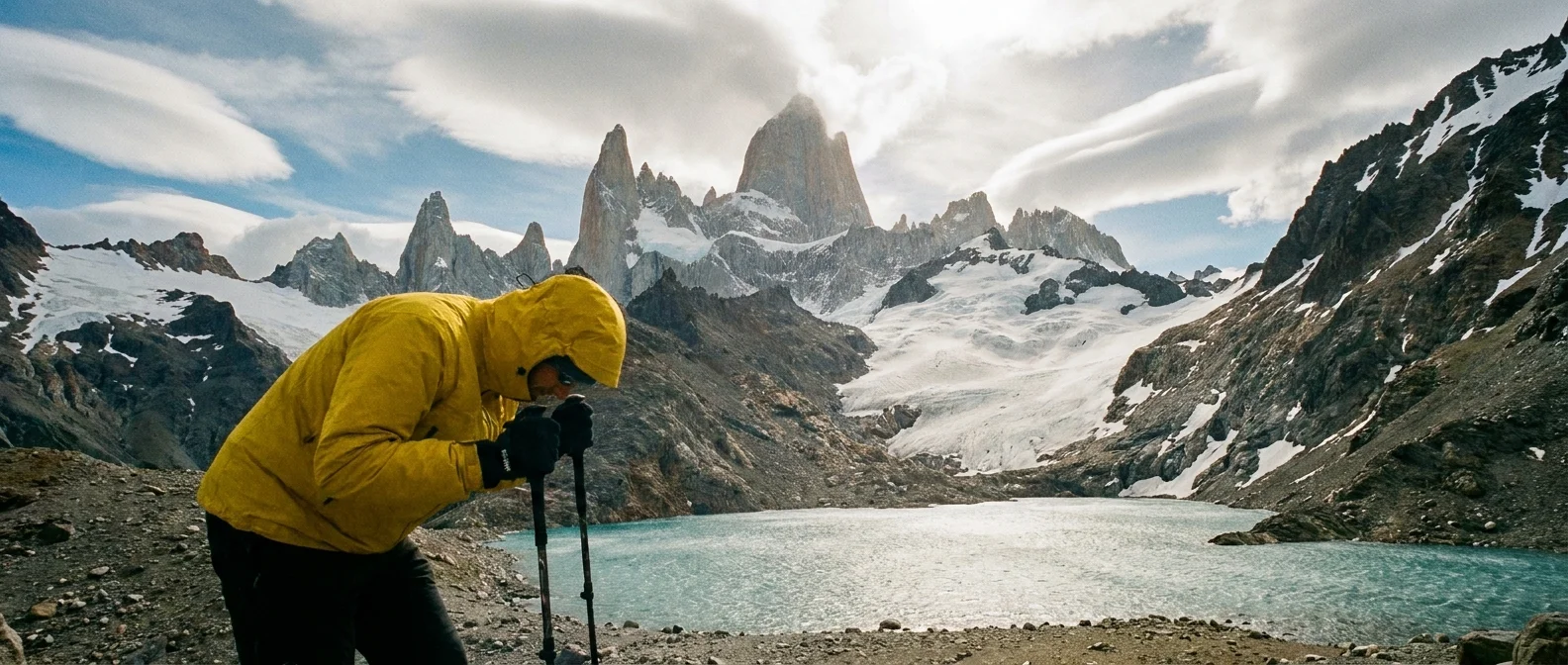
The Roaring Forties winds shape Patagonia’s dramatic landscape and can bring four seasons of weather in a single afternoon. For travelers planning a trip between December 2026 and March 2027, the biggest challenge isn’t simply choosing what to wear; it’s preparing for powerful gusts, sudden sleet, and rapidly changing temperatures. This **Patagonia summer packing list** […]
The post-holiday travel scene has changed, and by 2027, experienced travelers increasingly seek peaceful escapes instead of the high-energy beach clubs that dominate early January in Tulum. Many now prefer secluded eco-resorts, quieter coastal retreats, and nature-focused experiences deep within the surrounding biosphere. However, one important question remains: *Can you still experience the old, off-grid […]

The Dior Summer 27 collection at Paris Fashion Week has redefined modern Parisian elegance, capturing global attention with its distinctive designs, sophisticated silhouettes, and fresh interpretation of luxury fashion. The collection has also sparked growing interest in high-fashion travel, particularly among visitors planning trips to Paris between April and June 2027. For luxury travelers, experiencing […]