
Tromsø Winter Packing List: Arctic Gear Guide
Disclosure: To help support our website, some of the links below are affiliate links. This means that if you choose to make a purchase, we will earn a commission at no additional cost to you.
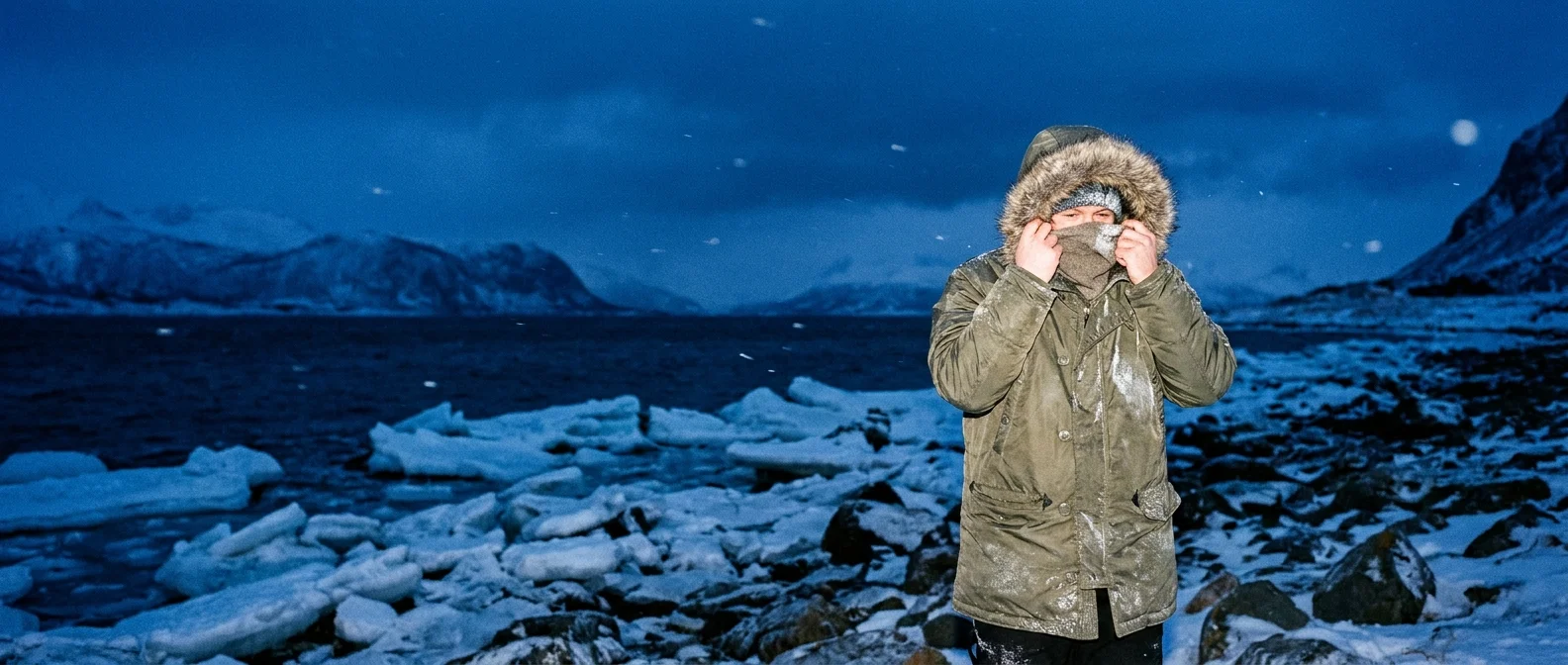
Table Of Contents
As the sun dips below the horizon during the Polar Night, travelers heading to Northern Norway face a unique challenge: staying warm through prolonged exposure to freezing temperatures. During a four-hour stationary Aurora vigil, inland temperatures can drop to -25°C, making ordinary winter clothing inadequate. This Tromsø Winter Packing List helps you move beyond everyday vacation clothes and prepare with the right technical Arctic gear. Whether you explore the blue hour in January or chase the Northern Lights in March, you need a reliable layering system to stay warm, dry, and comfortable when the Arctic wind bites.
Staying warm depends not simply on wearing one thick garment but on managing body heat, airflow, and moisture effectively. Start with a moisture-wicking base layer, add insulating mid-layers, and finish with a windproof, waterproof outer shell. You should also pack insulated winter boots, warm gloves, a thermal hat, and a neck gaiter to protect exposed skin. Moving between the heated interiors of hotels such as Radisson Blu or Clarion Hotel The Edge and the freezing shores of Kvaløya requires smart clothing choices. With the right preparation, you can spend more time enjoying the spectacular Northern Lights and less time retreating to the tour bus to escape the cold.
Quick Answer
- The Best Window: Late September to late March. February and March offer the best snow-to-daylight ratio for activities.
- Expected Conditions: Coastal temperatures average -2°C to -10°C, but inland “chase” locations frequently drop to -25°C with high humidity.
- The Main Friction: The “Sweat-Chill Cycle.” This occurs when you perspire during a brisk walk to a tour meeting point, then freeze while standing still for hours on a frozen lake.
- Booking Note: Secure accommodation 4 to 6 months in advance for the peak February and March window.
At-a-Glance: Tromsø Winter Climate and Conditions
| Month | Avg. Temp (High/Low) | Daylight Hours | Crowd Level | Best For |
|---|---|---|---|---|
| December | -1°C / -5°C | 0 (Polar Night) | High (Holidays) | Christmas markets and Blue Hour |
| January | -2°C / -7°C | 0 to 4 hours | Medium | Deep winter photography |
| February | -2°C / -8°C | 6 to 9 hours | Very High | Whale watching and Snow sports |
| March | 0°C / -5°C | 11 to 14 hours | High | Spring skiing and Aurora chases |
The Layering Logic: Mastering the Three-Layer System
Base layers: why merino wool is non-negotiable
The most common mistake travelers make is falling into the “Cotton Trap.” Cotton is a hydrophilic fiber. It absorbs moisture and holds it against your skin. When you walk from your hotel to the harbor, your body generates heat and steam. Cotton traps this moisture, and the moment you stop moving to wait for the Northern Lights, that damp fabric begins to pull heat away from your core. This leads to rapid cooling and, in extreme cases, hypothermia.
For a successful Tromsø winter packing list, merino wool base layers are an absolute requirement. Merino wool is naturally antimicrobial and can absorb up to 30 percent of its weight in moisture while still feeling dry to the touch. More importantly, it retains its insulating properties even when damp. In the -25°C inland drops common during Aurora chases, the “Thermal Threshold” is where synthetic layers often fail. While high-quality synthetics work for high-output activities like cross-country skiing, they do not provide the same static warmth as high-micron wool when you are standing still for hours. Ensure your base layer is snug against the skin to trap a thin layer of warm air.
Mid-layers: Trapping the heat
The mid-layer serves one primary purpose: insulation. It must trap the heat your body produces while allowing moisture vapor to continue its journey away from your skin. If this layer is too tight, it compresses the air pockets that provide warmth. If it is too loose, cold air will circulate and flush out the heat.
A heavy wool sweater or a high-loft fleece is the ideal choice here. In Tromsø, you will notice locals wearing “Marius” style sweaters. These are not just cultural icons: they are functional garments designed for the Norwegian climate. This layer must be breathable to prevent the “Sweat-Chill Cycle.” If you find yourself overheating during a walk through the city center, unzip your mid-layer immediately. Once you reach your destination, such as a remote camp where temperatures hover between -10°C and -18°C, this layer becomes your primary heat reservoir.
Outerwear: your primary shield
There is a significant difference between a standard “ski jacket” designed for active movement and extreme cold weather parkas designed for Arctic survival. A ski jacket is often too short, ending at the waist. For Aurora hunting, you need a long-cut parka that covers the thighs. This is essential for protecting the femoral arteries from the wind. If the blood in your thighs cools down, your entire body temperature will drop regardless of how many sweaters you wear.
Your Arctic winter clothing guide must prioritize a shell that is both windproof and waterproof. Tromsø is a coastal city. The humidity is high, and the wind coming off the Norwegian Sea can be biting. A down-filled parka with a minimum 600-fill power is recommended for static activities. Ensure the hood has a deep “snorkel” design to protect your face from crosswinds. If you are participating in a professional tour, many operators provide these heavy suits, but having your own reliable outer shell is necessary for daily life in the city and independent exploration.
Footwear and Extremities: Protecting the Periphery
Boots for the Arctic: Insulation and waterproofing
Your feet are the first part of your body to fail in the Arctic. When you are standing on a frozen lake or a snow-covered field for four hours, the cold conducts directly through the soles of your shoes. The best boots for Tromsø winter tours must have a thick rubber sole to provide a thermal break from the ground. They must be waterproof to handle the slushy conditions of the city streets and rated for at least -30°C.
A critical tip for footwear: size up. If your boots are tight, they restrict blood flow. Without proper circulation, your feet will never stay warm, no matter how thick your socks are. You should be able to comfortably wiggle your toes while wearing a pair of thick wool socks. If you feel any pressure on the top of your foot, the boot is too small for Arctic conditions.
The “Tromsø Slide”: Traction and ice grips
Tromsø is built on a series of steep hills. The path from the city center up toward the Fjellheisen cable car or the Arctic Cathedral often becomes a sheet of “Black Ice.” This is a thin, transparent layer of ice that is nearly invisible to the untrained eye. To navigate these slopes safely, removable traction devices, often called crampons or ice grips, are mandatory.
You can purchase these at local pharmacies like Apotek 1 or outdoor stores like XXL in the city center for approximately 200 to 400 NOK (20 to 40 USD). Local etiquette is important: you must remove your ice grips before entering shops, cafes, or museums. Most entryways have a designated mat or rack for this purpose. Walking on tiled floors with metal spikes is both dangerous for you and damaging to the property.
Gloves and headwear for photography
The best gloves for Arctic photography utilize a layering system similar to your body. A thin liner glove made of merino wool or touch-screen compatible synthetic allows you to operate your camera or phone without exposing bare skin to the air. Over this, you should wear a heavy, insulated mitten. Mittens are significantly warmer than gloves because they allow your fingers to share heat.
“Peripheral Heat Loss” is a major factor in Tromsø. If your head and hands are cold, your body will constrict blood flow to your extremities to protect your core. A windproof hat that covers the ears entirely is essential. For the most extreme nights, a balaclava or a heavy wool buff can protect your neck and face from frostnip.
Logistics of the Chase: Transit and Timing
Navigating the Troms Billett system
Tromsø has an efficient public bus network managed by Troms fylkestrafikk. To use it, download the Troms Billett app before you arrive. A single ticket purchased via the app costs approximately 40 NOK (4 USD), whereas paying the driver in cash carries a significant surcharge and is often discouraged. For a 3- to 5-day trip, a 24-hour pass (120 NOK / 12 USD) or a 7-day pass (approx. 500 NOK / 50 USD) offers the best value.
Be aware of the “Saturday Schedule.” On weekends, many routes, including those serving the residential areas of Tromsdalen, run much less frequently. If your Aurora tour departs from the city center at 18:00, do not rely on a 17:45 bus. Give yourself a 30-minute buffer. Lines 40 and 42 serve the airport (Tromsø Lufthavn), providing a cheaper alternative to the Flybussen (Airport Express), which costs significantly more. Line 26 is your primary route for crossing the bridge to the Arctic Cathedral and the Fjellheisen.
The Blue Hour strategy
During the Polar Night in Tromsø in January, the sun never rises above the horizon. However, the sky is not pitch black all day. Between 10:30 and 13:30, the region experiences “Blue Hour,” a period of deep cobalt and violet light that is a photographer’s dream. This is the best time to take the Fjellheisen cable car to the top of Storsteinen.
To avoid the crowds from the Hurtigruten or Havila cruise ships, which usually dock in the late morning, try to head up the mountain as soon as the cable car opens at 10:00. The light is fleeting. By 14:30, the “deep night” returns. When considering what to pack for Tromsø in January, ensure your camera gear includes a sturdy tripod, as all your photos during this month will be long exposures.
Zone-by-zone gear needs
Your gear requirements change based on your location. A walk in Sentrum (the city center) only requires standard winter boots and a decent coat. However, if you are heading to Kvaløya, specifically Ersfjordbotn, or taking a DIY trip to Telegrafbukta on the south end of the island, you are entering a different climate zone. These areas are exposed to the wind and lack the “urban heat” of the city.
For these zones, you need your full Tromsø northern lights gear setup: base layers, mid-layers, and your heavy parka. If you find yourself getting cold in the city, Huken Bryggpub is a reliable, low-key spot to warm up with a reindeer burger and a local Mack beer. It is one of the few places in the center that retains an authentic, non-tourist atmosphere.
Arctic Survival: Tech, Food, and Safety
Preventing smartphone blackout
Lithium-ion batteries are notoriously poor performers in the cold. In Tromsø in December, a phone at 80 percent charge can drop to zero in minutes if exposed to -10°C air. This is a significant logistical risk because your bus tickets and tour vouchers are likely on your phone.
The fix is simple: keep your phone in an internal pocket close to your body heat. Never keep it in the outer pocket of your parka. Carry a high-capacity power bank and keep that in an internal pocket as well. If you are using your phone for photography, use a hand warmer inside your glove or taped to the back of the phone case to extend the battery life.
Cashless reality and local etiquette
Norway is effectively a cashless society. From the smallest coffee shop to the public toilets at the harbor, every merchant accepts contactless credit cards and Apple or Google Pay. You do not need to withdraw large amounts of Norwegian Krone (NOK). In fact, many businesses no longer accept cash at all.
Regarding etiquette, Norwegians value “Quiet Time” on public transit. Loud phone conversations on the bus are frowned upon. Tipping is not mandatory, and there is no aggressive tipping culture. If you receive exceptional service at a restaurant, rounding up the bill by 5 to 10 percent is appreciated but never expected.
Budgeting for the Arctic
Tromsø is expensive. A standard main course at a mid-range restaurant will cost between 250 and 400 NOK (25 to 40 USD). To save money, use the “Too Good To Go” app. Hotels like the Scandic Ishavshotel or Clarion often list surplus breakfast or dinner food on the app for a fraction of the price (usually 40 to 60 NOK). For daily snacks and supplies, avoid the small “Narvesen” or “7-Eleven” convenience stores, which have high markups. Instead, head to Eurospar or the local favorite, Eide Handel, for high-quality Norwegian groceries at standard prices.
Mistakes First-Timers Make
1. The Cotton Liability: Many travelers arrive wearing “warm” denim jeans or heavy cotton hoodies. This is a liability. Once cotton gets damp from snow or perspiration, it stays wet and freezes. This can lead to a dangerously low body temperature during a night chase. Switch entirely to wool or technical synthetics for your Tromsø winter packing list.
2. The “Saturday Schedule” Trap: Assuming that buses run every 10 minutes as they do in London or New York. In Tromsø, weekend service is significantly reduced. Missing a bus can mean missing a tour that costs 1,500 NOK. Always check the app for the specific day of the week.
3. The Rental Car Risk: Travelers often rent cars to save money on tours. Unless you have specific experience driving on “Black Ice” and navigating narrow, unlit coastal roads in Kvaløya, this is high risk. Professional “chase” tours use specialized tires and have real-time weather data to keep you safe.
4. The “Guaranteed Sighting” Scam: No one can guarantee the Aurora. It is a natural phenomenon. Avoid operators who make such promises. Instead, look for reputable companies that offer a “re-booking discount” if the lights do not appear on your first night.
Related FAQs
Yes, if the solar activity is strong, you can see them from the city. However, light pollution from streetlights significantly degrades the view. For a better experience without a tour, walk to Lake Prestvannet at the top of the island or Telegrafbukta beach.
The season runs from late September to late March. February and March are generally considered the best months because the snow cover is at its peak, providing a beautiful foreground for photos, and the skies are often clearer than in the stormy months of November and December.
It is not necessary. Professional tours are safer and more effective. The guides are in constant communication with each other and use sophisticated weather models to find “holes” in the cloud cover, often driving all the way to the Finnish border if necessary.
Yes, it is one of the most expensive cities in Europe. Expect to pay 250 to 400 NOK for a main course. Using supermarkets like Eurospar or the “Too Good To Go” app for hotel surplus can reduce your food budget by 60 percent.
This is the period of twilight during the Polar Night when the sun stays below the horizon. The atmosphere filters the light into deep blues and purples. It occurs roughly between 10:30 and 13:30 in December and January.
Only for indoor use. If you wear jeans outside for an extended period, the denim will absorb moisture, and the wind will cut right through the fabric. If you must wear them, ensure you have a heavy merino wool base layer underneath.
Closing
With your layers sorted and your transit apps downloaded, you are ready to cross the thermal threshold. Your next step is to check the current Aurora forecast and secure your spot on a professional chase. The lights are a celestial performance that requires the right ticket, and in the Arctic, that ticket is your gear. The lights are waiting, but the Arctic cold won’t wait for you to get warm.

As the sun dips below the horizon during the Polar Night, travelers heading to Northern Norway face a unique challenge: staying warm through prolonged exposure to freezing temperatures. During a four-hour stationary Aurora vigil, inland temperatures can drop to -25°C, making ordinary winter clothing inadequate. This Tromsø Winter Packing List helps you move beyond everyday […]
The upcoming season of The White Lotus has sparked global interest in Thailand’s luxurious resorts and stunning coastal escapes. However, finding the best quiet beaches in Phuket requires looking beyond the neon lights, busy nightlife, and crowds of Patong. The growing popularity of White Lotus Thailand has encouraged travelers to seek secluded, sustainable boutique hotels […]
The arrival of the koyo (autumn foliage) season transforms Kyoto into a breathtaking sea of fiery red maples and golden ginkgo trees, but overtourism and gridlocked traffic can spoil the experience. Every traveler wants to know: how do you avoid crowds in Kyoto autumn? This guide offers a practical, subway-first strategy for exploring Kyoto in […]