
Kandy Esala Perahera Sri Lanka: Best Viewing Seats, Hotel Timing & Temple Rules
Disclosure: To help support our website, some of the links below are affiliate links. This means that if you choose to make a purchase, we will earn a commission at no additional cost to you.
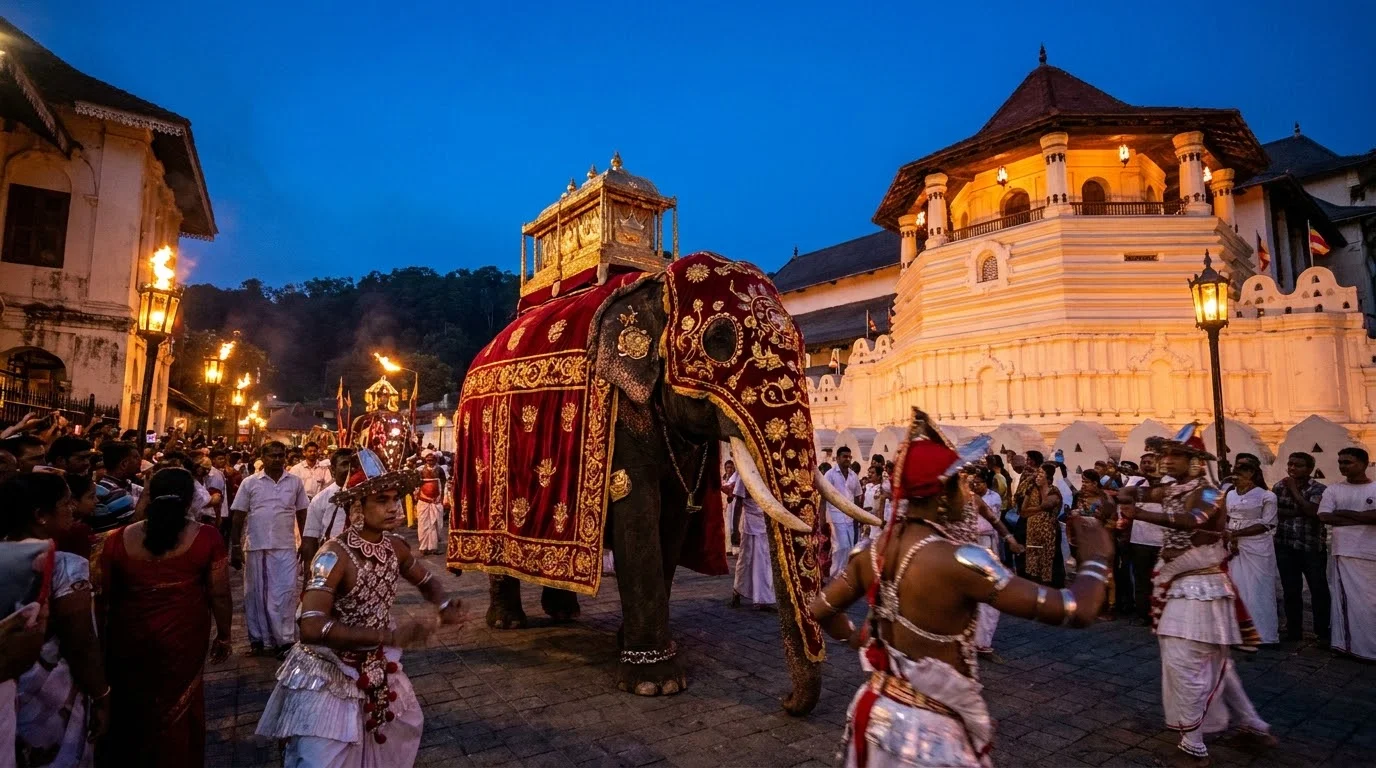
Table Of Contents
- The Spectacle: Understanding the Perahera Schedule
- Securing the Best Viewing Seats: From Balconies to Street Level
- Hotel Timing & Booking Strategies for Kandy
- Seasonal Weather, Packing & Global Itinerary Planning
- Temple Rules & Cultural Etiquette at Sri Dalada Maligawa
- Getting There: Transit Tips for Kandy
- Related FAQs
- Conclusion
The humid night air of Sri Lanka’s central highlands suddenly comes alive with the crackle of fire-whips and the rhythmic, hypnotic thrum of traditional Kandyan drums. You are witnessing the Kandy Esala Perahera, a centuries-old Buddhist pageant that honors the Sacred Tooth Relic of Lord Buddha. For ten nights in July or August, the normally serene city of Kandy transforms into a spectacular celebration featuring caparisoned elephants, fire-breathers, traditional musicians, and thousands of dancers parading beneath the moonlight. Navigating a cultural event of this magnitude requires careful planning and preparation. Whether you are exploring South Asia or mapping out a global expedition, curated travel advice and destination itineraries can help you secure memorable experiences without unnecessary logistical challenges. This guide covers everything you need to know about Kandy Esala Perahera tickets and seats, including how to find suitable viewing locations, compare seating options, and arrange your bookings in advance.
You’ll also discover practical tips for choosing the best vantage points, understanding temple etiquette, and preparing for crowded streets and long festival nights. With the right arrangements, you can enjoy this extraordinary celebration and experience one of Sri Lanka’s most treasured cultural traditions.
Naadam Festival Mongolia: How to Book Tickets, Transit & Yurt Stay Logistics.
The Spectacle: Understanding the Perahera Schedule
To plan your trip effectively, you must first understand the rhythm of the festival. The Kandy Esala Perahera spans ten nights and is divided into two distinct phases, culminating on the Nikini Full Moon Poya Day.
- Kumbal Perahera (Days 1–5): The first five nights of the festival are relatively subdued. While still beautiful, the processions are shorter, featuring fewer elephants and dancers. This is an excellent time to experience the festival with slightly smaller crowds, though it lacks the overwhelming grandeur of the final nights.
- Randoli Perahera (Days 6–10): This is the spectacle most travelers travel across the globe to see. The parade grows more magnificent each night, featuring the golden casket containing the replica of the Tooth Relic, carried by the majestic Maligawa Tusker elephant.
- Maha Randoli (The Grand Finale): The final night of the Randoli Perahera is the climax of the festival. It is the longest, most elaborate procession, drawing hundreds of thousands of devotees and tourists. If your itinerary allows, this is the night to secure a premium viewing spot.
Securing the Best Viewing Seats: From Balconies to Street Level
Because the parade winds through the narrow streets of Kandy, your vantage point dictates your entire experience. There are three primary ways to view the Perahera, catering to different budgets and comfort levels.
The Queen’s Hotel Balcony
For luxury travelers, the colonial-era Queen’s Hotel is the gold standard. Situated directly across from the Temple of the Sacred Tooth Relic (Sri Dalada Maligawa) and right on the parade route, the hotel offers an unparalleled vantage point. Securing a spot on the hotel’s balcony allows you to sip a cocktail and watch the procession from above, far removed from the crush of the street crowds. These tickets are the most coveted in the city and command premium prices.
VIP Street Seating
Local businesses, restaurants, and shops along the main parade routes, specifically Dalada Vidiya, Yatinuwara Vidiya, and Harrison Jones Road—erect tiered, stadium-style seating on their storefronts.
- Cost: Expect to pay anywhere from $50 to $150+ USD per seat, depending on the night and the exact location.
- Booking: These seats must be booked months in advance. It is highly recommended to arrange this through a reputable local tour operator or your hotel concierge to avoid scams.
The Local Way (Free Pavement Seating)
For the adventurous and budget-conscious, sitting on the pavement with local devotees offers an incredibly immersive experience. However, it requires immense patience. To claim a front-row spot for an 8:00 PM parade, you must arrive by 12:00 PM (noon). You will need to bring a mat, plenty of snacks, and be prepared to sit shoulder-to-shoulder in the tropical heat for hours before the first fire-whip cracks.
Boryeong Mud Festival, South Korea: What to Wear, Lockers & Survival Tips.
Hotel Timing & Booking Strategies for Kandy
During the Esala Perahera, Kandy reaches 100% hotel occupancy. Spontaneous travel here in August is a recipe for disappointment.
The 6-Month Rule: You must book your accommodation 6 to 8 months in advance, particularly if you plan to attend the Maha Randoli. Furthermore, be prepared for “Perahera Supplements”—mandatory peak-season surcharges applied by almost all hotels and guesthouses in the region during the festival dates.
When choosing your hotel, your location strategy is crucial. You must decide between the convenience of the city center and the tranquility of the surrounding hills.
| Hotel Strategy | Recommended Properties | Pros | Cons |
|---|---|---|---|
| City Center (Inside the Action) | Queen’s Hotel, Radisson Hotel Kandy | Walkable to the parade route and temple; no need to worry about road closures. | High noise levels; massive street crowds; premium peak-season pricing. |
| Hillside Retreats (Peaceful Escape) | Earl’s Regency, The Golden Crown, Hanthana Villas | Serene environment; luxury amenities; a quiet escape from the festival chaos. | Requires navigating heavy traffic; long walks to the parade route after afternoon road closures. |
Seasonal Weather, Packing & Global Itinerary Planning
Kandy is located in Sri Lanka’s central highlands at an elevation of roughly 500 meters. In July and August, the weather is generally warm and humid during the day, averaging between 26°C and 29°C (79°F – 84°F), but the evenings can become breezy and slightly cool. While August falls between the island’s major monsoons, sudden, heavy tropical downpours are incredibly common.
Packing Essentials:
- Lightweight, breathable linens and cottons (ensure you have modest cuts for temple visits).
- A compact travel umbrella or a lightweight, breathable rain shell.
- Comfortable, broken-in walking shoes (road closures mean you will be walking several miles).
- High-quality mosquito repellent and a reusable water bottle.
While your Sri Lankan summer wardrobe should prioritize breathable linens and rain protection, many travelers pair this summer festival with East Asian adventures later in the year. If you are planning a multi-country tour, transitioning from tropical heat to cooler climates requires foresight—be sure to review our Seoul autumn travel tips to perfectly balance your seasonal packing list. Layering strategies are essential when moving from the humid highlands of Kandy to the crisp, foliage-lined streets of South Korea.
Up Helly Aa Fire Festival Shetland: Complete Travel & Spectator Guide.
Temple Rules & Cultural Etiquette at Sri Dalada Maligawa
The Kandy Esala Perahera is not merely a tourist attraction; it is a deeply sacred religious event. Whether you are attending the parade or visiting the Sri Dalada Maligawa (Temple of the Sacred Tooth Relic) during the day, strict cultural etiquette must be observed.
- Sartorial Respect (The Dress Code): The dress code is strictly enforced by temple guards. Shoulders and knees must be completely covered for all genders. Avoid tight or revealing clothing. While not mandatory, wearing white clothing is highly recommended, as it is the traditional Buddhist color of purity and respect. Hats and caps must be removed before entering the temple grounds.
- Footwear & Movement: Shoes must be removed at the designated shoe-check counters before entering the temple complex. Insider Tip: The stone courtyards can get scorching hot under the afternoon sun, and the temple floors can be damp. Bring a pair of cheap, dark socks to wear inside the temple to protect your feet, which you can easily wash or discard later.
- Photography Laws: Photography is permitted in most outer areas of the temple, but there is one golden rule in Sri Lanka: never pose for a photograph with your back turned to a statue of the Buddha. This is considered highly offensive and can result in confiscation of your camera or even police involvement. Furthermore, flash photography is strictly banned near the inner relic chamber.
- Behavioral Etiquette: Maintain a hushed, respectful silence in the inner sanctums. If you sit on the floor to observe a ceremony, ensure your legs are crossed or tucked beneath you; never point your feet toward monks, shrines, or Buddha statues.
Getting There: Transit Tips for Kandy
Most international travelers arrive at Bandaranaike International Airport (CMB) in Colombo. From there, you have two primary options to reach Kandy:
The Scenic Train Journey: Taking the Intercity Express from Colombo Fort to Kandy Railway Station is highly recommended. The 2.5 to 3-hour journey winds through lush jungles and rolling green tea plantations, offering a spectacular introduction to the country. Tickets for the 1st Class Observation car or 2nd Class reserved seating open 30 days in advance and sell out almost immediately. Book online or via a local agent the moment they become available.
Private Car: Hiring a private driver or taxi via the A1 highway takes about 3 to 4 hours, depending on traffic. It offers door-to-door convenience, especially if you are staying in a hillside resort.
Crucial Transit Warning: During the festival days, the Kandy city center (especially the roads surrounding Kandy Lake and the Temple) is entirely locked down to vehicular traffic by mid-afternoon (usually around 3:00 PM or 4:00 PM). If you are arriving in Kandy on the day of a parade, arrive before noon, or be prepared to drag your luggage through massive crowds on foot.
The White Lotus Effect: Phuket’s Exclusive Island Tours.
Related FAQs
Yes, it is very safe. There is a heavy, visible police and military presence to manage the crowds and ensure security. However, as with any massive global gathering, be mindful of your belongings and beware of pickpockets in dense crowds.
It is highly unlikely for the Randoli Perahera (the final five days). While you might find a scalper or a last-minute cancellation, relying on day-of tickets usually results in missing the event or paying exorbitant, inflated prices. Book months in advance.
Yes, children are welcome. However, parents should note that the parade starts late (around 8:00 PM) and can last for several hours. The loud cracking of whips, booming drums, and massive crowds can be overwhelming for very young children. Booking a comfortable, elevated seat is essential if traveling with kids.
The procession typically lasts between two and three hours, depending on the specific night and the number of participating temples. The Maha Randoli (final night) is the longest.
Conclusion
Witnessing the Kandy Esala Perahera is a transformative travel experience. The sheer scale of the devotion, the rhythmic intensity of the dancers, and the majestic presence of the illuminated elephants create a memory that lingers long after you have left the island. Yet, the magic of this festival is best enjoyed when the logistics are seamlessly managed. By booking your hotels and seats well in advance, packing appropriately for the highland climate, and approaching the sacred traditions with deep cultural respect, you will unlock the very best of Sri Lanka’s most spectacular cultural treasure.

The humid night air of Sri Lanka’s central highlands suddenly comes alive with the crackle of fire-whips and the rhythmic, hypnotic thrum of traditional Kandyan drums. You are witnessing the Kandy Esala Perahera, a centuries-old Buddhist pageant that honors the Sacred Tooth Relic of Lord Buddha. For ten nights in July or August, the normally […]
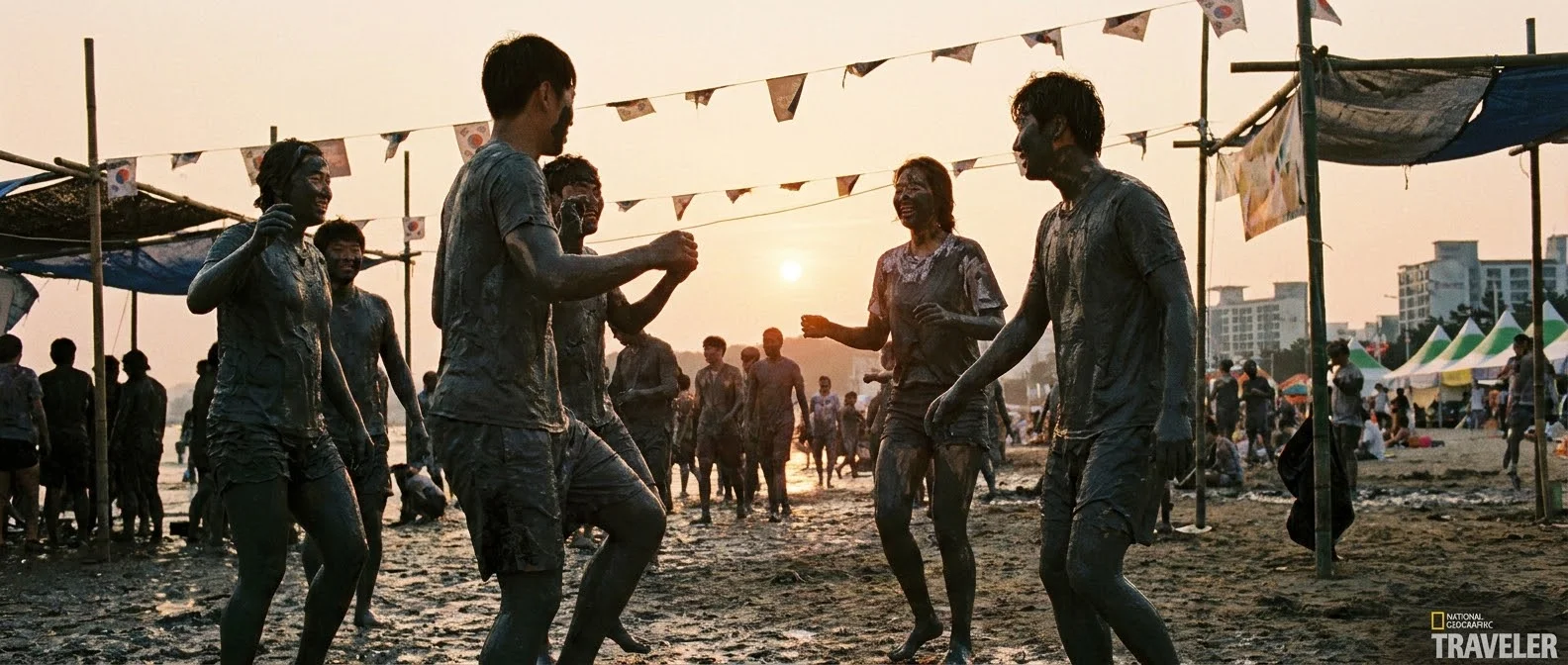
Mid-July in South Korea brings a noticeable shift in the atmosphere. Heavy monsoon humidity settles in, and millions of locals and international travelers head to the coastal town of Boryeong for a celebration of glorious, unadulterated chaos. The Boryeong Mud Festival, held along the sweeping shores of Daecheon Beach, delivers a high-energy experience filled with […]
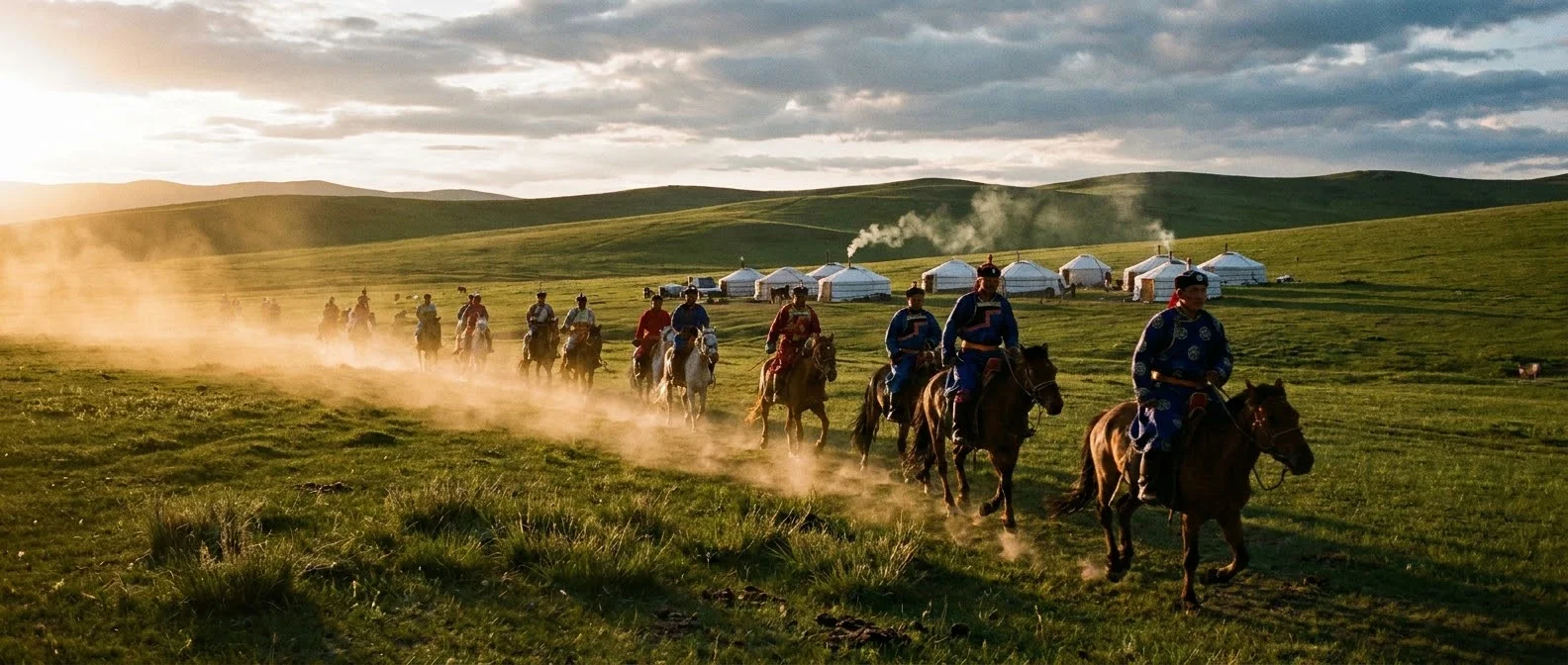
Every July, Mongolia’s vast, emerald steppes come alive with the thundering pulse of the Naadam Festival. Known locally as Eriin Gurvan Naadam. The “Three Manly Games” of wrestling, horse racing, and archery, this centuries-old celebration showcases nomadic heritage, traditional customs, and remarkable athletic skills. However, planning a trip to a major Central Asian festival requires […]