
Okavango Delta Mokoro Safari: What to Pack, Water Levels & Booking Timeline
Disclosure: To help support our website, some of the links below are affiliate links. This means that if you choose to make a purchase, we will earn a commission at no additional cost to you.
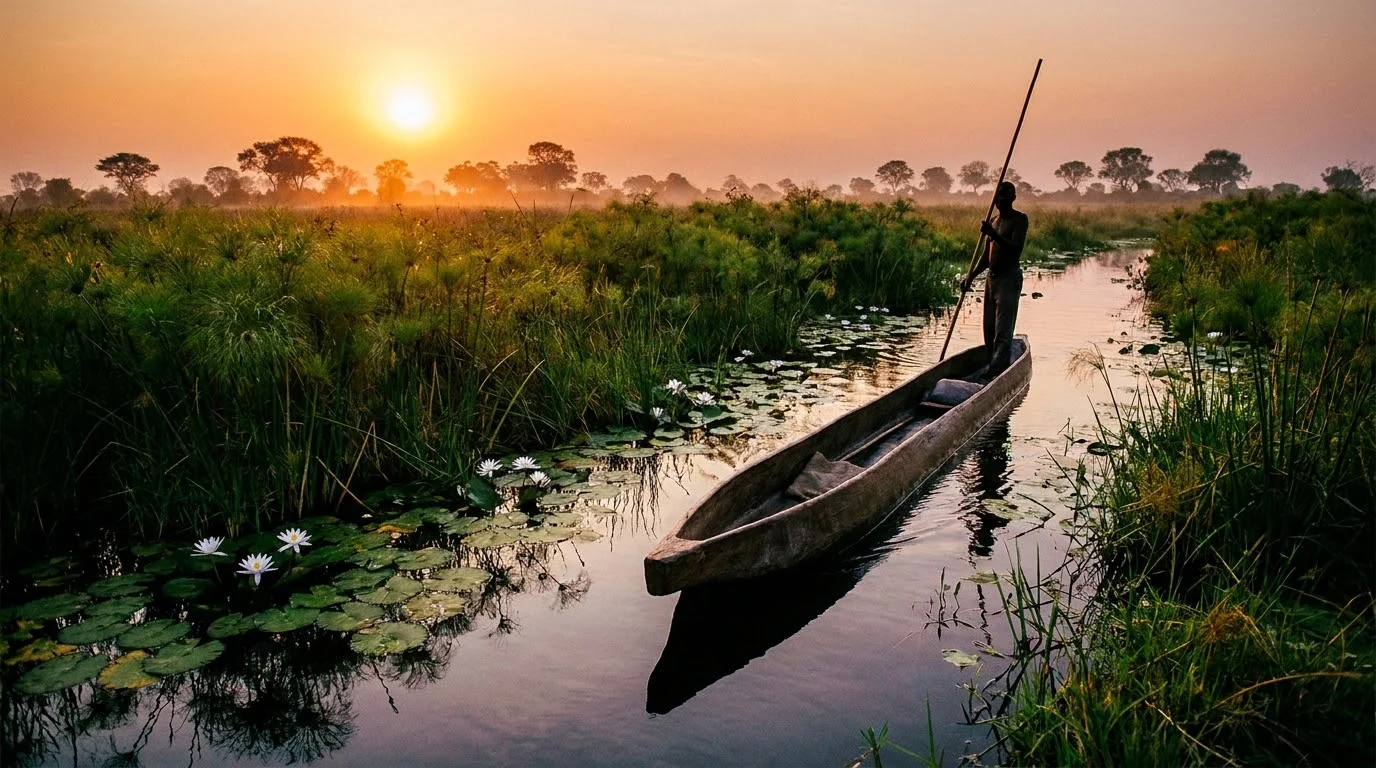
Table Of Contents
There is a distinct, almost reverent silence that surrounds you as you glide through the Okavango Delta on an Okavango Delta mokoro safari. The traditional dugout canoe gently parts the papyrus reeds, bringing you eye-level with tiny painted reed frogs, colorful water lilies, and the mirrored reflections of African fish eagles. Whether you are planning a weekend getaway or seeking insider travel guides and destination inspiration for a bucket-list African expedition, careful preparation can turn a memorable trip into a truly life-changing adventure.
A mokoro safari through Botswana’s UNESCO-listed wilderness offers far more than a peaceful boat ride; it immerses you in the sights, sounds, and rhythms of one of Africa’s most remarkable ecosystems. You can make the most of this water wonderland by understanding the Delta’s seasonal flood patterns, choosing the right time to visit, and preparing for remote bush flights. This guide also explores essential packing tips, wildlife encounters, accommodation options, and booking timelines to help you plan a safe, comfortable, and unforgettable safari experience.
Svalbard Polar Night Tourism: Polar Bear Safety, Gear & Dark Season Guide.
Decoding the Delta: Understanding Water Levels and Seasonal Timing
The Okavango Delta is defined by a fascinating geographical phenomenon known as the Angolan Flood Paradox. Unlike most river systems that empty into the ocean, the Okavango River spills into the sands of the Kalahari Desert, creating a massive, pulsating alluvial fan of lagoons and labyrinthine channels.
Counterintuitively, the Delta’s highest water levels occur during Botswana’s dry season (June to August). Heavy rains fall in the Angolan highlands in January and February, but this water takes months to meander down the Cuito and Cubango rivers. By the time the floodwaters arrive in Botswana mid-year, the local climate is dry, and the skies are a brilliant, cloudless blue.
- High Water (June – August): This is the undisputed prime time for a mokoro safari. The channels are deep and crystal clear, allowing camps to offer extensive water-based activities. As the surrounding mainland dries up, wildlife congregates on the shrinking islands, making for spectacular game viewing from the water.
- Shoulder Season (May & September): These months offer a brilliant compromise. The water levels are generally sufficient for mokoro excursions, the weather is slightly warmer than the mid-winter peak, and the crowds are thinner.
- Low Water (October – December): As the intense African heat evaporates the floodwaters, many camps are forced to suspend their mokoro activities entirely. The focus during these months shifts heavily to traditional 4×4 game drives and walking safaris.
The Booking Timeline: Securing Your Spot in the Reeds
Botswana operates on a fiercely protected “high-value, low-impact” tourism model. This ensures pristine wilderness and exclusive wildlife encounters, but it also means accommodation is incredibly scarce. Premier water-based camps in highly sought-after areas like the Jao Concession, Vumbura Plains, or the Moremi Game Reserve often feature just six to twelve luxury tents.
12 to 18 Months Out: High Season Bookings
If you plan to visit during the peak flood months of July and August, booking a year to a year-and-a-half in advance is virtually mandatory. The finest lodges sell out rapidly, and waiting too long will leave you with disjointed itineraries or camps situated in dry concessions.
6 to 9 Months Out: Shoulder Season
For those targeting May or November, a six-to-nine-month lead time is usually sufficient. This window offers a bit more flexibility, though prime lodges still fill up quickly.
Transit Logistics
Reaching the Delta is an adventure in itself. Most travelers fly into Johannesburg (JNB) or Cape Town (CPT), connecting onward to Maun Airport (MUB)—the primary gateway to the Delta—or Kasane (BBK). From there, you will board a light aircraft (typically a Cessna Caravan operated by Mack Air or Safari Air) for a thrilling “puddle jumper” flight. Skimming low over the winding waterways, you can often spot herds of elephants from the air before touching down on a remote dirt airstrip.
Albuquerque Balloon Fiesta: Park & Ride Logistics, RV Tips & Camera Setup.
Packing for the Delta: Bush Flights and Mokoro Essentials
Packing for an Okavango Delta safari requires ruthless efficiency. The light aircraft transfers enforce a strict 20kg (44lb) total weight limit per passenger, which includes your camera gear and carry-on. Crucially, this luggage must be packed in soft-sided duffel bags. Bags with hard wheels, rigid frames, or solid handles will not fit into the Cessna’s small cargo pod and will be left on the tarmac in Maun.
Seasonal travel requires a dramatic shift in your packing philosophy. While a December holiday might have you looking up tickets for ice skating at Winter Wonderland 2026, preparing for a July mokoro safari in Botswana’s winter requires a highly strategic approach to fluctuating daily temperatures.
The Layering System
Botswana’s winter climate is one of extremes.
- Mornings: When you step into the mokoro at 6:00 AM, temperatures can hover near freezing (0-5°C / 32-41°F). Pack a warm fleece, a windbreaker, a beanie, and light gloves.
- Midday: By noon, the African sun pushes temperatures up to a balmy 25-30°C (77-86°F). Zip-off trousers and moisture-wicking, long-sleeve shirts are essential so you can peel off layers as the day warms.
The Safari Color Palette
Stick strictly to neutral tones: khaki, olive, brown, and beige. Avoid bright whites or neon colors, which act as a visual alarm bell to wildlife. More importantly, never wear dark blue or black. These colors attract the tsetse fly, a biting insect prevalent in certain parts of the Delta whose bite is incredibly painful.
Mokoro-Specific Gear
Because a mokoro offers zero shade and the water reflects intense UV rays, sun protection is paramount.
- Wide-brimmed hat: Ensure it has a chin strap, as the breeze on the water can easily snatch it away.
- Polarized sunglasses: Essential for cutting the surface glare, allowing you to see the vibrant underwater world.
- Dry bag: A compact, waterproof dry bag is highly recommended to protect your smartphone and camera from accidental splashes.
- Compact binoculars: A mokoro trip is a “micro-safari.” Bring 8×42 or 10×42 binoculars to admire Malachite Kingfishers and African Jacanas (the “Jesus birds” that appear to walk on water across the lily pads).
Cultural Etiquette and the Poler Experience
The true magic of a mokoro safari lies in the expertise of your “poler”—the guide who stands at the stern, propelling and steering the canoe with a long wooden ngashi pole. These guides are often from the local Bayei or Hambukushu tribes, communities that have navigated these intricate waterways for centuries.
Historically, mokoros were carved directly from the trunks of massive sausage trees or ebony. Today, to protect Botswana’s indigenous forests, almost all luxury camps utilize fiberglass replicas. They are identical in shape, draft, and silence to the wooden originals, but are vastly more environmentally sustainable.
Safety and Etiquette on the Water
A mokoro sits mere inches above the waterline, sharing the channels with massive hippopotamuses and Nile crocodiles. It is vital to listen strictly to your poler’s safety briefing. Keep your movements smooth and minimal; sudden weight shifts can tip the shallow-draft vessel. Speak in hushed tones to avoid startling wildlife and to fully absorb the ambient sounds of the bush.
Tipping Guidelines
Tipping is a customary way to show appreciation for your poler’s immense skill and physical exertion. The general guideline is $10 to $15 USD per guest, per day. Depending on the lodge’s policy, this can be handed directly to the poler at the end of your stay or placed in a communal gratuity box.
Gladiator 2 Filming Locations Malta: Fort Ricasoli & Mdina Day Trip Logistics.
Okavango Delta Seasonal Safari Guide
| Season | Months | Water Levels | Mokoro Availability | Safari Vibe & Experience |
|---|---|---|---|---|
| Peak Flood | June – August | Highest | Excellent (Daily) | Crisp mornings, clear skies, deep channels. Ultimate water-based game viewing. |
| Shoulder | May & Sept | Moderate | Very Good | Warmer weather, fewer crowds. Great balance of land and water activities. |
| Low Water | Oct – Dec | Lowest | Limited / None | Intense heat, dramatic thunderstorms. Focus shifts to 4×4 game drives. |
| Green Season | Jan – April | Rising | Location Dependent | Lush landscapes, exceptional birding, newborn wildlife. High humidity. |
Related FAQs
Yes, provided you are with a certified guide. Polers are expertly trained to read the water, spot hippo pods from a distance, and navigate safely around their territories. They will tap their ngashi pole against the side of the canoe to alert submerged animals of your presence.
Modern fiberglass mokoros used by luxury lodges are outfitted with padded seats and ergonomic backrests. While you cannot stand up or stretch your legs extensively, the seated position is quite comfortable for the typical two-to-three-hour excursion.
Absolutely. A mokoro provides an incredibly stable platform for photography, especially for low-angle wildlife shots. However, always keep your camera strapped around your neck and bring a waterproof dry bag to store it in during transit or if the wind picks up.
Yes. The Okavango Delta is a malaria-endemic area, particularly during and shortly after the rainy season. Consult your travel physician before departure for appropriate prophylactic medication, and always use DEET-based insect repellent, especially at dawn and dusk.
The Ultimate Slow Safari
An Okavango Delta mokoro safari is the antithesis of the rushing, engine-revving game drives found elsewhere in Africa. It is a masterclass in slowing down—an invitation to trace the intricate root systems of papyrus, to watch elephants drink in absolute silence, and to feel the pulse of the continent beneath a thin hull. By respecting the strict luggage limits, planning your timeline a year in advance, and aligning your visit with the Angolan floodwaters, you guarantee yourself a front-row seat to one of the greatest natural spectacles on earth.

There is a distinct, almost reverent silence that surrounds you as you glide through the Okavango Delta on an Okavango Delta mokoro safari. The traditional dugout canoe gently parts the papyrus reeds, bringing you eye-level with tiny painted reed frogs, colorful water lilies, and the mirrored reflections of African fish eagles. Whether you are planning […]
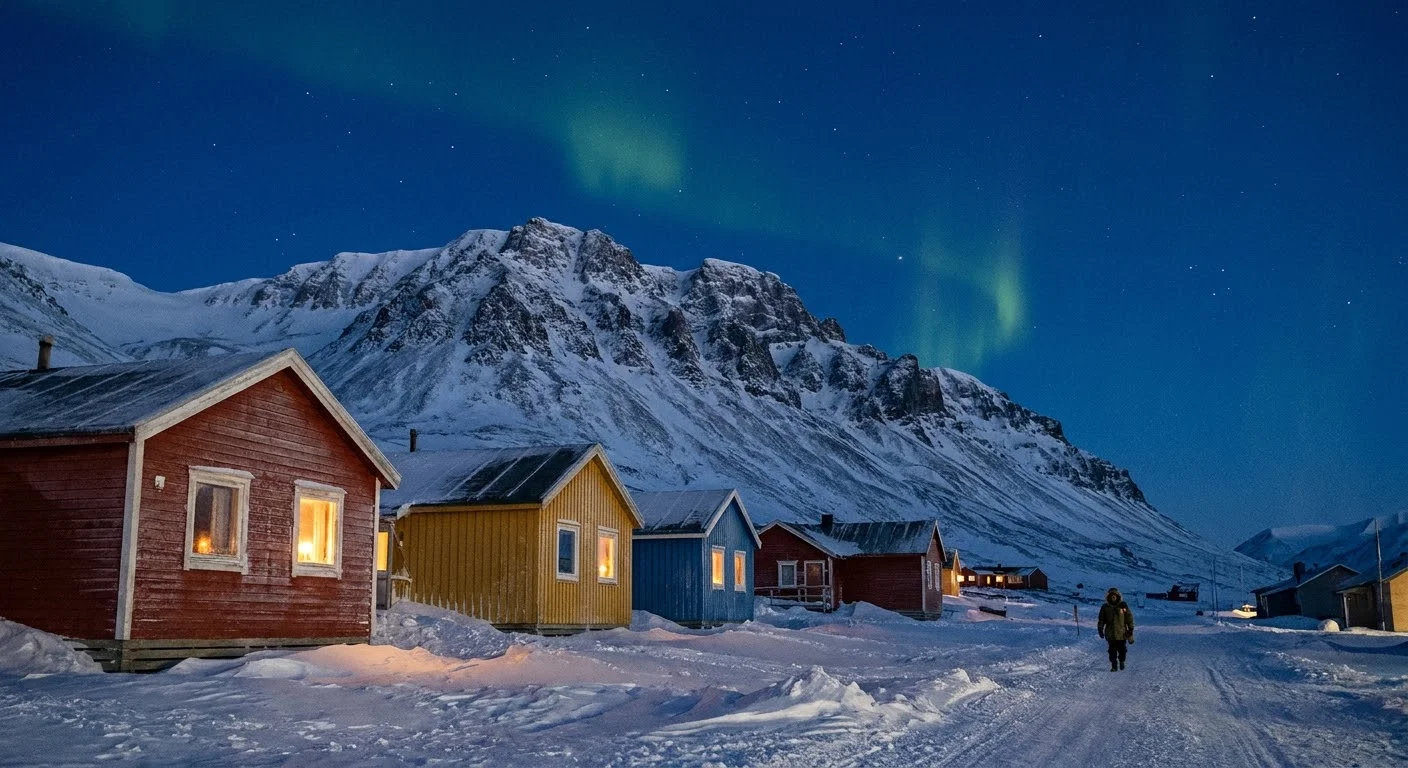
Imagine stepping off a plane at 78 degrees North, where the biting Arctic wind greets you and the sky remains an inky, star-studded canvas even at high noon. Svalbard polar night travel offers a surreal and captivating experience during the Polar Night, a period from mid-November to late January when the sun never rises above […]
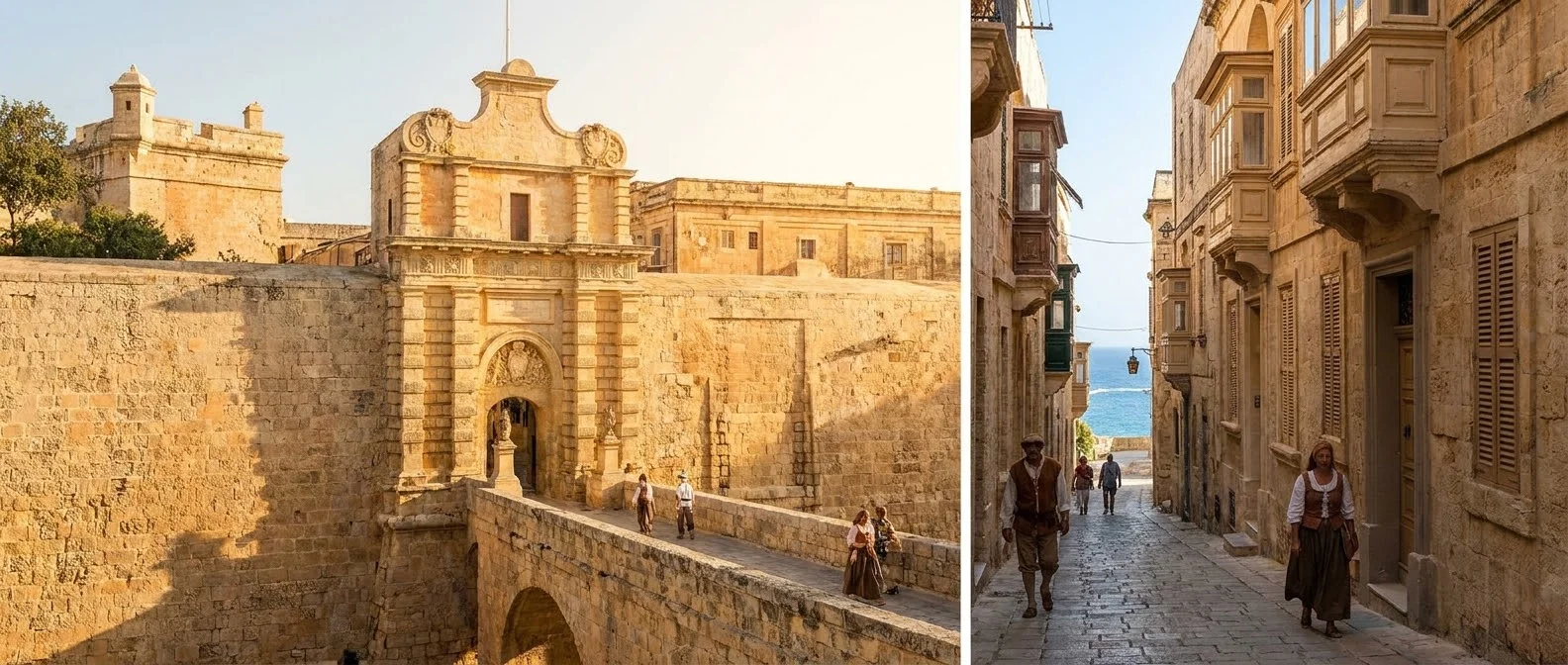
The Gladiator 2 filming locations Malta guide takes you behind the scenes of Ridley Scott’s epic sequel, showcasing the island’s sun-baked, honey-colored limestone, dramatic fortifications, and timeless architecture. When Scott needed a setting grand enough to recreate the glory and brutality of ancient Rome, Malta offered the perfect cinematic backdrop. Its historic streets and impressive […]