
7-Day Guanacaste Winter Itinerary: Beach & Jungle
Disclosure: To help support our website, some of the links below are affiliate links. This means that if you choose to make a purchase, we will earn a commission at no additional cost to you.
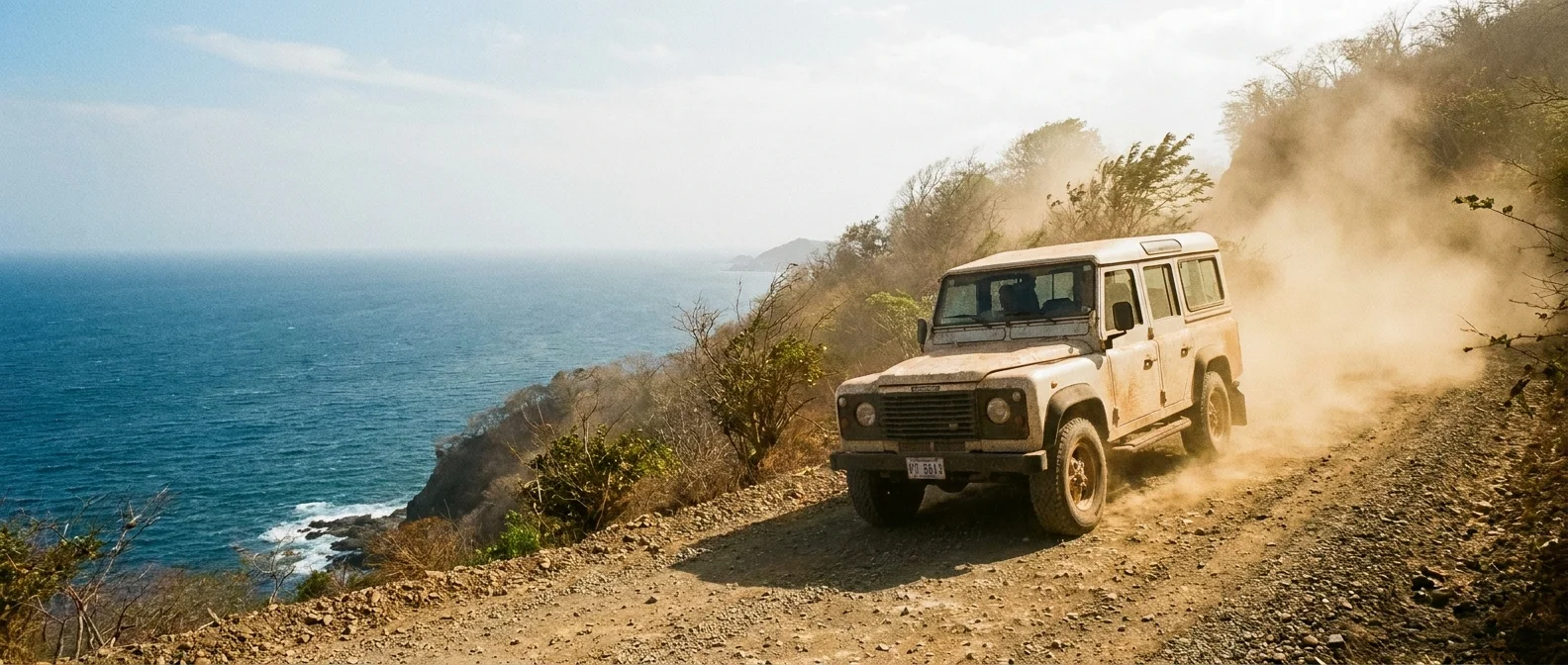
Table Of Contents
Escape the northern freeze with this definitive Guanacaste Costa Rica winter itinerary, designed to balance the sun-drenched Gold Coast with the rugged volcanic interior. From golden beaches and turquoise waters to lush forests and dramatic volcanic landscapes, Guanacaste Beach & Jungle offers the perfect combination of coastal relaxation and outdoor adventure. As the Verano (summer) season takes hold from December through March, Guanacaste experiences minimal rainfall, strong trade winds, and more accessible backcountry roads.
This guide provides a stress-free blueprint for exploring the province during its busiest and most expensive travel period. You’ll discover how to beat the crowds at popular waterfalls, choose the right vehicle for rugged terrain, and plan memorable wildlife encounters. With thoughtful preparation, you can enjoy Guanacaste’s beautiful beaches, explore its tropical wilderness, and experience Costa Rica’s natural beauty while making the most of your winter getaway.
Quick Answer
- Best window: Mid-January to late February offers the most reliable dry weather and slightly lower prices than the Christmas and New Year peak.
- Conditions: Intense sun, daytime highs of 31°C to 35°C (88°F to 95°F), and strong Papagayo Winds (30 to 50 mph).
- Main friction: Extreme dust on unpaved roads and high seasonal demand for 4WD rentals.
- Booking note: Secure car rentals and high-demand tours (like Rio Celeste) at least 4 months in advance.
| Month | Avg Daytime Temp | Crowd Level | Best For |
|---|---|---|---|
| December | 31°C (88°F) | Peak (Late Dec) | Lush green landscapes before the dry-out. |
| January | 33°C (91°F) | High | Consistent sun and vibrant festival season. |
| February | 34°C (93°F) | High | Bone-dry roads: best for reaching remote beaches. |
| March | 35°C (95°F) | Moderate/High | Wildlife spotting as animals congregate at water holes. |
Logistics & Arrival: The "Gold Coast" Gateway
The first rule of a Guanacaste dry season guide is to fly into Daniel Oduber Quirós International Airport (LIR) in Liberia. Flying into San José (SJO) adds a grueling 5-hour drive that wastes a full day of a 7-day trip. LIR is just 30 to 60 minutes from the primary northern beaches, allowing you to be in the water by lunchtime on Day 1.
While main highways are paved, driving unpaved roads in Guanacaste in winter is unavoidable if you want to reach spots like Nosara or “secret” beaches. A 4WD or AWD vehicle is mandatory for navigating steep, gravelly inclines and occasional river fords. Use local agencies like Adobe or Vamos. Costa Rica requires mandatory Third Party Liability (TPL) insurance ($15 to $25 per day). Your credit card coverage will not waive this. Verify your total quote includes this mandatory fee before you arrive at the counter.
In winter, unpaved roads become “calle de polvo” (dusty roads). Following another vehicle can result in near-zero visibility and respiratory irritation. Keep windows up and AC on recirculate. If you walk along roadsides, a lightweight neck gaiter is essential to filter the dust kicked up by passing traffic.
Days 1–3: The Northern Coast (Luxury & Calm)
Start your Costa Rica Gold Coast travel in the Papagayo Peninsula. This manicured enclave is protected from the heaviest swells, making it ideal for families. Spend Day 1 at Playa Panama, a Blue Flag beach known for its calm, swimmable waters. The water here remains around 26°C (79°F) even in the winter months. Try the Chilled Ceviche de Corvina from a local beachside “chiringuito” for approximately $10 to $12 USD.
On Day 2, head to Las Catalinas, a car-free, Mediterranean-style town. It offers a rare European-style pedestrian experience in Central America. The town is built into the hills, providing excellent hiking and mountain biking trails that overlook the Pacific. The trails are well-marked and range from 2km to 10km. Grab a wood-fired pizza at the beach club after a morning hike. Expect to pay around $20 USD for a meal here.
From December to March, the Papagayo winds in Costa Rica blow at 30 to 50+ mph. While they keep the heat bearable, they can make beach umbrellas useless and cause choppy seas. Plan boat tours for early morning when winds are typically calmer. Be prepared for potential cancellations of catamaran sunset cruises if gusts exceed safety limits. If the winds are too high for the water, use this time to explore the dry tropical forest trails where the canopy provides a windbreak.
Days 4–5: The Volcanic Interior (Jungle Adventure)
Shift inland to the volcanic highlands. Rincón de la Vieja National Park is the centerpiece of Guanacaste adventure and travel. Hike the Las Pailas loop (3km) to see boiling mud pots and steaming fumaroles. The entry fee is $15 USD for adults. Arrive at the gate by 7:30 AM. By 10:30 AM, the heat and tour buses from the coast make the trails significantly less enjoyable. The park is closed on Mondays, so plan your Guanacaste Costa Rica winter itinerary accordingly.
On Day 5, visit the Llanos de Cortés waterfall near Bagaces. This is a popular spot for locals and tourists alike. The entrance fee is roughly $7 USD. To see the falls without 200 people in the pool, go on a Tuesday or Wednesday at 8:00 AM. Avoid weekends entirely during the winter months. The walk from the parking lot to the falls is short but steep.
If you are wondering how to plan Guanacaste winter vacation for maximum impact, include a day trip to Tenorio Volcano National Park to see Rio Celeste. The chemical reaction between volcanic minerals creates a startling turquoise blue water. Even in the dry season, the jungle here can be humid. Wear trail runners or hiking sandals with “wet-grip” rubber soles for the slippery stairs. The hike is approximately 6km round trip and requires a moderate level of fitness.
Days 6–7: The Surf & Wellness Hubs
For your final days, choose between the two major hubs. Tamarindo is the primary tourism artery. It is dense, walkable, and famous for nightlife and beginner surf. Surf lessons typically cost $50 USD for two hours. Nosara (Playa Guiones) is a 2.5-hour drive on unpaved roads, offering a wellness-focused atmosphere with yoga studios and no streetlights. In Tamarindo, eat fish tacos at the night market on Thursday evenings. In Nosara, grab a pitaya smoothie bowl for $9 USD.
If you prefer a middle ground, Sámara offers a protected coral reef that breaks the swell, making it the safest swimming beach in the province. It retains a real town feel compared to the more commercialized hubs. Eat a “Casado” (rice, beans, protein, plantains) at Soda La Perla for an authentic $8 to $10 meal. This provides a necessary break from the higher prices found in the resort areas.
In winter, the sun sets rapidly around 5:45 PM. If you stay in a rental house accessed by unpaved mountain roads, leave the beach during the sunset, not after. Driving unpaved, winding roads in pitch black is a high-risk activity for those unfamiliar with the terrain. Potholes and wandering livestock are common hazards that are difficult to spot after dark.
Mistakes First-Timers Make
Many travelers arrive at the rental counter thinking their credit card covers everything. In Costa Rica, Third Party Liability (TPL) is a legal requirement. Budget an extra $150 to $200 per week for insurance on top of your quoted rental price. Declining this can lead to a denied rental or a massive deposit hold on your card.
A 20-mile stretch on a map can take 90 minutes if it involves a “calle de polvo” or a river crossing. Use the Waze app (more accurate than Google Maps in Costa Rica) and add a 30% time buffer to every trip. Traffic around Liberia and Tamarindo can also peak during the late afternoon.
The “Smash and Grab” is the most common crime in the region. Even a visible water bottle or towel can trigger a window break at a beach trailhead. Leave nothing in the car. If you must travel with luggage, use a guarded parking lot (“parqueo”) where an attendant is present. These usually cost $2 to $5 USD.
Estuaries are the primary habitat for American Crocodiles. Avoid swimming where rivers meet the sea, especially in Tamarindo and Nosara. Always heed red flags for rip currents. The Pacific swell is powerful, and lifeguard presence is limited to only a few major beaches.
Related FAQs
The best time is the dry season from December to April. For the best balance of weather and crowds, aim for late January or February. Early December is also excellent because the landscape remains green from the recent rains, but the Verano sun has begun to shine consistently.
These are powerful trade winds that blow from the northeast between December and March. They can reach speeds of 50 mph. While they provide a cooling effect against the 35°C heat, they can create rough seas and kick up significant dust on the province’s many unpaved roads. They also make the air very dry, so hydration is critical.
Yes. While the main highway (Route 21) is paved, many secondary roads to popular destinations like Nosara, Ostional, and various “secret” beaches remain unpaved. These roads feature steep, gravelly inclines and washboard surfaces that require the clearance and traction of a 4WD or AWD vehicle. A standard sedan will likely sustain undercarriage damage on these routes.
Your Guanacaste beach and jungle packing list should include reef-safe sunscreen, a dust mask or Buff for driving, and closed-toe hiking sandals. Avoid heavy cotton clothing. Instead, opt for moisture-wicking synthetics and a quick-dry towel, as jungle humidity prevents cotton from drying even in the dry season.
Yes, this is the peak of the high season. Expect 100% occupancy between December 20th and January 5th. Prices for accommodation and car rentals can double during this window. To avoid the worst crowds, visit the most popular national parks and waterfalls at sunrise.
In major tourism hubs like Liberia and Tamarindo, the water is generally treated and safe. However, in rural beach towns and remote jungle lodges, it is safer to stick to filtered water to avoid “traveler’s stomach.” Most hotels provide large 5-gallon filtered water dispensers for guests to refill their bottles.
Closing
With your 4WD secured and your sunrise alarms set, you are ready to experience the full spectrum of the Gold Coast. Your next step is to book your vehicle. Remember that in the Guanacaste winter, the best cars disappear months before the snow starts to fall in the north. Stick to the early morning schedule for adventures and reserve the windy afternoons for the sheltered coves of the Papagayo Peninsula.

Escape the northern freeze with this definitive Guanacaste Costa Rica winter itinerary, designed to balance the sun-drenched Gold Coast with the rugged volcanic interior. From golden beaches and turquoise waters to lush forests and dramatic volcanic landscapes, Guanacaste Beach & Jungle offers the perfect combination of coastal relaxation and outdoor adventure. As the Verano (summer) […]
The winter of 2026/2027 marks a potentially exciting period for Northern Lights enthusiasts. As Solar Cycle 25 moves beyond its predicted peak, aurora activity can still produce spectacular displays, although its intensity varies with solar conditions. For travelers, Peak Tromsø Aurora offers an opportunity to plan an Arctic adventure around favorable viewing conditions and the […]
As the sun dips below the horizon during the Polar Night, travelers heading to Northern Norway face a unique challenge: staying warm through prolonged exposure to freezing temperatures. During a four-hour stationary Aurora vigil, inland temperatures can drop to -25°C, making ordinary winter clothing inadequate. This Tromsø Winter Packing List helps you move beyond everyday […]