
Bali Nyepi (Day of Silence) 2027: Tourist Survival & Hotel Booking Guide
Disclosure: To help support our website, some of the links below are affiliate links. This means that if you choose to make a purchase, we will earn a commission at no additional cost to you.

Table Of Contents
Bali Nyepi tourist survival hotel planning helps visitors prepare for Bali’s unique Day of Silence without disrupting their travel experience. Imagine an entire island, a bustling and globally beloved tropical paradise, coming to a complete halt. No flights land, no cars travel on the roads, no lights illuminate the night sky, and no internet distracts visitors from the silence. This is Nyepi, Bali’s Day of Silence, and it offers one of the most profound cultural experiences you can witness on the island. For travelers, navigating a 24-hour lockdown requires more than a basic understanding of local customs; it demands careful preparation and the right hotel arrangements.
Whether you are a seasoned backpacker or a luxury traveler, choosing suitable accommodation and following curated travel advice and destination itineraries can make your stay much more comfortable when your travel dates coincide with Bali’s Saka New Year. Rather than treating Nyepi as a travel inconvenience, curious explorers can embrace this rare opportunity to experience Bali’s spiritual traditions, peaceful atmosphere, and cultural beauty. Here is your practical survival and hotel booking guide for Nyepi 2027.
Songkran Water Festival Bangkok 2027: What to Wear, Gear to Pack & Safety Tips.
What is Nyepi? Understanding Bali’s Sacred Day of Silence
Nyepi marks the Balinese Hindu New Year according to the ancient Saka calendar. Projected to fall on Tuesday, March 9, 2027 (beginning at 6:00 AM and ending at 6:00 AM on March 10), it is a day dedicated entirely to self-reflection, meditation, and fasting. The underlying spiritual philosophy is to trick malevolent spirits into believing the island is uninhabited, prompting them to pass over Bali for another year.
To achieve this, the entire island strictly observes the Catur Brata Penyepian (The Four Prohibitions):
- Amati Geni: No fire, no light, and no electricity. Hotels utilize blackout curtains, and the island plunges into total darkness at sundown.
- Amati Karya: No working. All businesses, from local warungs to massive supermarkets, lock their doors.
- Amati Lelungayan: No traveling. The streets, beaches, and public spaces are entirely deserted.
- Amati Lelanguan: No revelry or entertainment. Loud music and parties are strictly forbidden.
These rules are not mere suggestions; they are enforced by traditional village guards known as Pecalang, who patrol the empty streets in distinctive black-and-white checkered sarongs. The infrastructural shutdown is absolute. I Gusti Ngurah Rai International Airport (DPS) ceases all operations; no flights land or depart for 24 hours. The Bali Mandara Toll Road closes, ride-sharing apps like Grab and Gojek suspend services, and all maritime ferry ports halt their crossings.
The 4-Day Nyepi Itinerary: Parades, Purification, and Peace
A trip during Nyepi is not just about the Day of Silence itself; it is a multi-day cultural arc. Travelers should plan their itinerary around the vibrant, sensory-rich events leading up to and following the lockdown.
Melasti (The Purification)
Occurring three to four days before Nyepi, Melasti is a breathtaking spectacle of devotion. Entire Balinese communities, dressed in brilliant white traditional attire, march toward the sea or holy springs to purify sacred temple objects. If you are in the south, head to Sanur Beach, Echo Beach in Canggu, or the iconic Tanah Lot temple to witness these beautiful beachside processions. Expect heavy traffic and localized road closures as the island begins its spiritual preparations.
Ngrupuk Eve (The Ogoh-Ogoh Parades)
The night before Nyepi is a stark contrast to the silence that follows. Ngrupuk is an evening of sensory overload. Local banjars (village communities) spend months crafting massive, terrifying papier-mâché demonic effigies known as Ogoh-Ogoh. As the sun sets, these towering monsters are paraded through the streets on bamboo grids, accompanied by the thunderous, hypnotic clanging of gamelan music and blazing bamboo torches. The ritual is designed to draw out evil spirits before the effigies are ceremoniously burned. For the most spectacular parades, position yourself on Jalan Raya Ubud or near the Catur Muka Statue in Denpasar.
Nyepi Day (The Day of Silence)
At 6:00 AM, the island goes quiet. For tourists, this is a day of enforced relaxation. Without the hum of motorbikes or the glow of streetlights, the natural soundscape of Bali takes over: crickets, ocean waves, and the rustling of palm fronds. Because there is zero light pollution, the night sky during Nyepi offers some of the most unparalleled stargazing on the planet.
Ngembak Geni (The Day After)
At 6:00 AM the following day, the silence is officially broken. Families visit one another to ask for forgiveness, much like other New Year traditions globally. If you want to witness a unique post-Nyepi celebration, head to Sesetan village in South Denpasar for the Omed-omedan (the kissing festival). This joyous, water-splashing street celebration is a matchmaking ritual for the village youth and a fantastic cultural coda to the solemnity of Nyepi.
Harbin Ice and Snow Festival 2027: Ultimate Outfit & Extreme Cold Survival Guide.
Nyepi 2027 Hotel Booking Guide: Where to Stay and When to Book
Choosing the right accommodation is the single most critical decision you will make for a Nyepi trip. Because you cannot leave your property for 24 hours, your hotel or villa becomes your entire world.
Securing the right accommodation requires strategic foresight. Just as savvy travelers know exactly when to book Kyoto hotels for sakura, you must lock in your Bali Nyepi resort package at least four to six months in advance to avoid being stranded. Most properties require a mandatory two-night minimum stay spanning the day before and the day of Nyepi.
The All-Inclusive Resort Experience
For first-timers, booking a large-scale resort in enclaves like Nusa Dua or Jimbaran (such as The Apurva Kempinski or Ayana Resort) is highly recommended. These sprawling properties are legally permitted to let guests roam within the hotel grounds. Swimming pools remain open, in-house restaurants serve food (often with special Nyepi buffets), and spas operate normally. At night, resort lighting is heavily dimmed, and windows are covered with blackout curtains to comply with Amati Geni.
The Private Villa Experience
For introverts, couples, or large groups of friends, renting a private villa in Canggu, Seminyak, or Uluwatu offers an intimate retreat. However, you will be strictly confined to the walls of your villa. There is no room service, and delivery apps will be offline. You must pre-stock all food, drinking water, and supplies from local supermarkets like Pepito, Frestive, or Grand Lucky at least two days prior. Do not wait until the day before Nyepi to buy groceries, as shelves empty incredibly fast.
Accommodation Comparison Guide
| Feature | All-Inclusive Resort (Nusa Dua/Jimbaran) | Private Villa (Canggu/Seminyak/Uluwatu) |
|---|---|---|
| Freedom of Movement | High (within expansive hotel grounds). | Low (strictly confined to the villa property). |
| Food & Beverage | Handled by the hotel; restaurants remain open. | Self-catered; must pre-stock groceries days in advance. |
| Atmosphere & Vibe | Communal, relaxed, family-friendly. | Private, intimate, deeply secluded. |
| Preparation Required | Minimal (pack your bags and show up). | High (grocery shopping, meal prep, water stocking). |
| Best Suited For | First-time Nyepi observers, families with kids. | Introverts, seasoned Bali travelers, friend groups. |
March Weather & Essential Packing List for Nyepi
March in Bali sits at the tail end of the wet season, transitioning slowly into the dry season. You can expect daytime temperatures hovering between 27°C and 30°C (81°F – 86°F) with high humidity (often exceeding 80%). The days are characterized by intense tropical sunshine punctuated by sudden, heavy afternoon downpours.
Because you will be off the grid, packing smartly is essential. Here is your Nyepi Survival Kit:
- Cultural Wear: A traditional sarong and sash are mandatory if you wish to respectfully observe the Melasti ceremonies or stand on the streets for the Ogoh-Ogoh parades.
- Offline Entertainment: The Indonesian government typically mandates cellular providers to shut down mobile data and IPTV services for 24 hours. Pre-download movies, podcasts, Spotify playlists, and e-books to your devices.
- Snacks & Hydration: Even if staying in a resort, having high-protein snacks and instant noodles is comforting. If in a villa, purchase multiple 5-liter water jugs.
- Tech Essentials: Bring high-capacity power banks (in case of localized power trips), noise-canceling headphones, and a small flashlight (to be used strictly indoors with curtains drawn).
- Apparel: Lightweight, breathable linens and comfortable slip-on sandals are crucial for navigating the crowded, humid parade routes the night before.
Geothermal Spa Etiquette in Iceland: Blue Lagoon vs. Sky Lagoon Packing & Booking Guide.
Related FAQs
Absolutely not. The Pecalang actively patrol the streets and beaches. Tourists caught wandering outside their accommodations will be escorted back, heavily fined, and potentially face legal trouble or deportation.
Yes. I Gusti Ngurah Rai International Airport (DPS) shuts down completely. There are no exceptions for commercial flights, meaning you cannot arrive or depart on Nyepi day.
Cellular data is disabled island-wide by the government. While some major international hotels manage to keep their broadband Wi-Fi running, it is often throttled or unreliable. Plan for a total digital detox.
Emergency services are the sole exception to the Nyepi lockdown. Hospitals remain open, and ambulances are permitted on the roads, usually escorted by the Pecalang to ensure safe and swift passage.
Final Etiquette Tips for Discerning Travelers
Experiencing Nyepi is a profound travel milestone, but it requires a deep well of respect for Balinese culture. Do not attempt to sneak out of your villa for a photo op, and under no circumstances should you fly a drone; doing so is deeply offensive and illegal during the Day of Silence. Keep your voices low, ensure your blackout curtains are tightly drawn as soon as the sun sets, and embrace the stillness.
In an era where we are perpetually connected, reachable, and in motion, Bali’s Nyepi offers a forced, beautiful pause. It is a rare digital detox and an unparalleled opportunity to look inward while the Island of the Gods rests, resets, and prepares for a new year.

Bali Nyepi tourist survival hotel planning helps visitors prepare for Bali’s unique Day of Silence without disrupting their travel experience. Imagine an entire island, a bustling and globally beloved tropical paradise, coming to a complete halt. No flights land, no cars travel on the roads, no lights illuminate the night sky, and no internet distracts […]

Songkran Bangkok what to wear is one of the most important things to consider when preparing for Thailand’s famous New Year celebration. April in Thailand marks the transition into the traditional Thai New Year, celebrated with the world’s most exhilarating, city-wide water fight. However, enjoying the Songkran Water Festival requires more than simply showing up […]
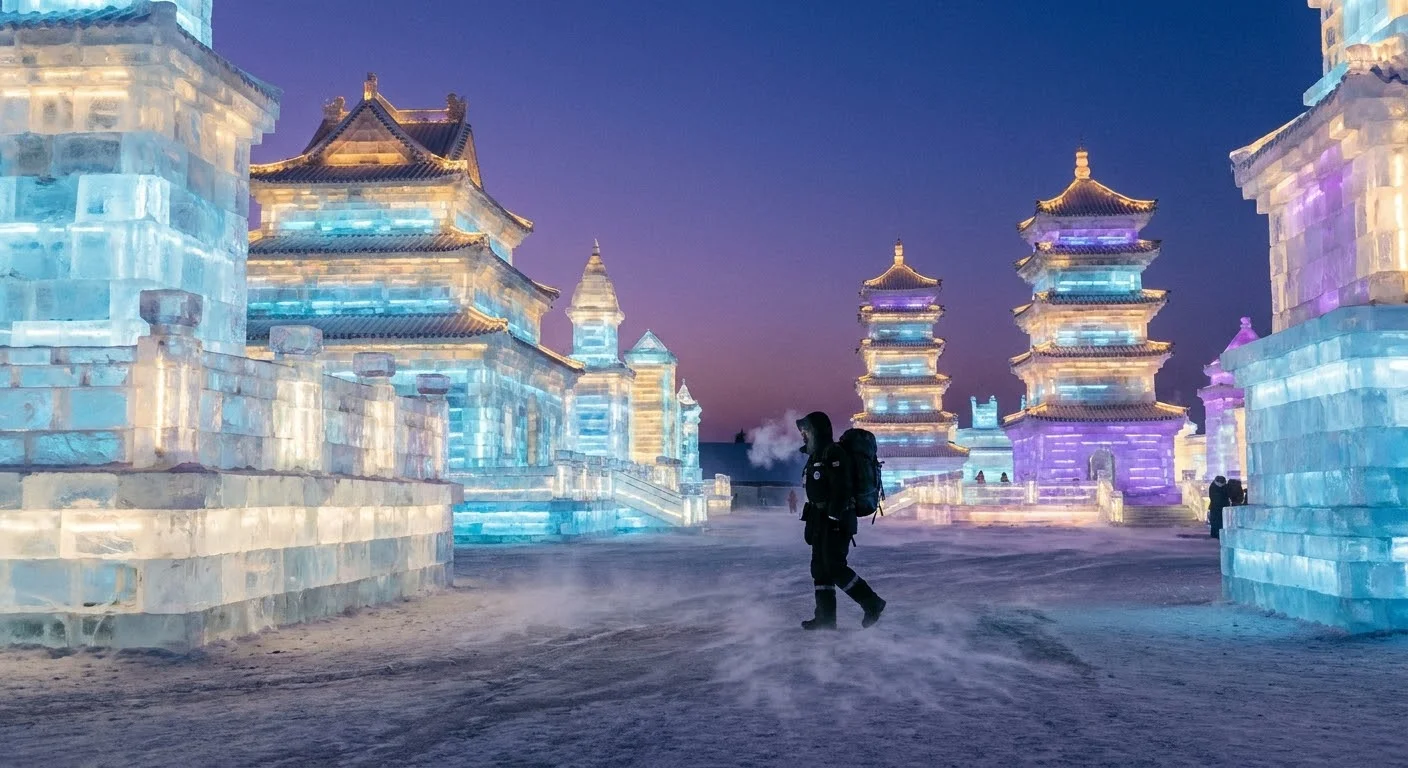
Harbin Ice Festival offers travelers an unforgettable opportunity to explore one of the world’s most spectacular winter celebrations. Stepping into the Harbin Ice and Snow Festival feels like crossing the threshold into a neon-lit, crystalline dreamscape. Towering ice palaces glow vibrantly against the pitch-black Manchurian sky, while horse-drawn carriages glide past life-sized snow sculptures. Yet, […]