
The Ultimate Philadelphia Autumn Weekend Itinerary
Disclosure: To help support our website, some of the links below are affiliate links. This means that if you choose to make a purchase, we will earn a commission at no additional cost to you.
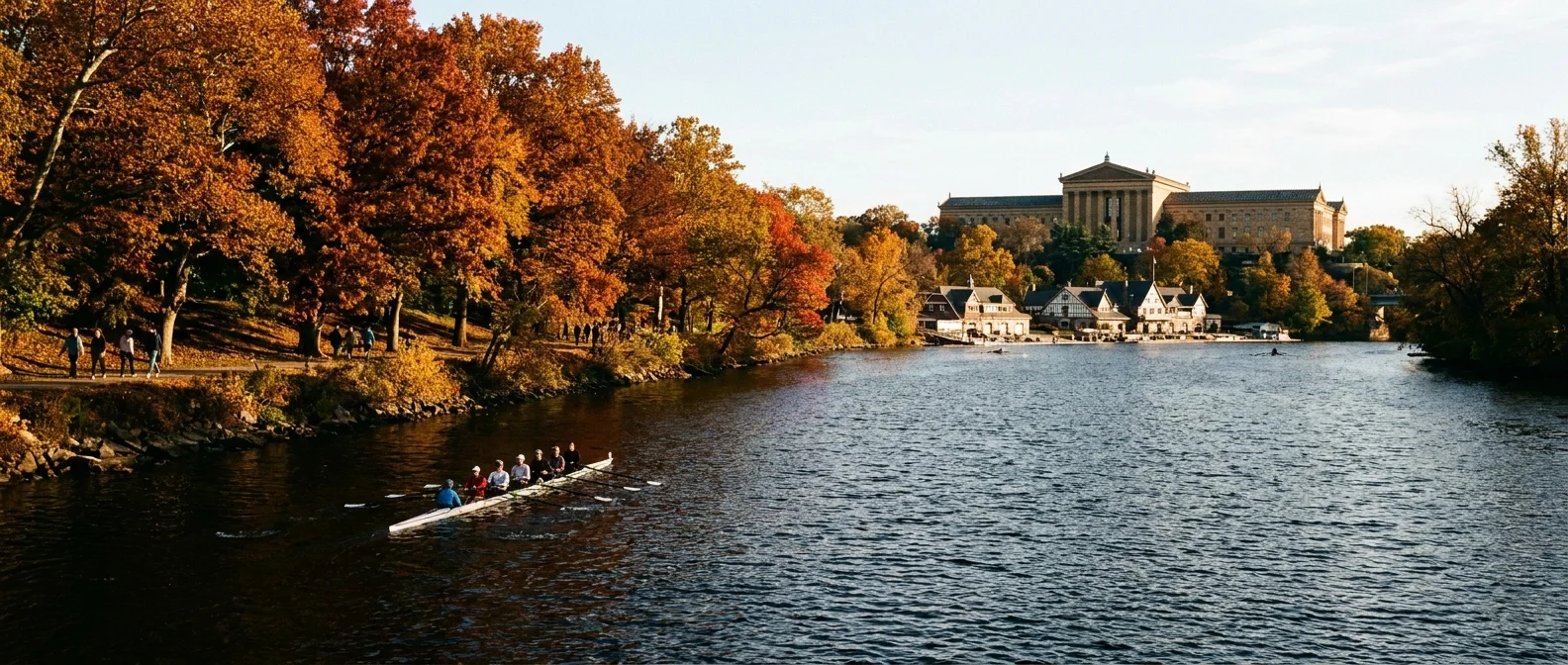
Table Of Contents
As the humidity of the Mid-Atlantic swamp summer breaks, Philadelphia transforms into a corridor of burnt orange maples and crisp, colonial-era winds. For travelers planning a Philadelphia autumn weekend itinerary, the window between the Autumnal Equinox and Veterans Day offers the most temperate walking conditions of the year. The central question for most visitors is how to balance the weight of American history with the city’s modern, high-octane culinary scene in just 48 hours. This guide promises a high-efficiency blueprint that leverages the seasonal Philly PHLASH bus and strategic skip-the-line tactics to ensure you spend more time under the foliage and less time in security queues.
Quick Answer
- Best Window: The last two weeks of October offer the peak convergence of fall foliage and the seasonal Philly PHLASH bus service.
- Expected Conditions: Highs of 64°F to 68°F (18°C to 20°C). Crisp mornings requiring heavy layering. Sunset shifts from 6:00 PM to 4:45 PM across the season.
- Main Friction: Independence Hall requires pre-booked timed tickets that often sell out weeks in advance for October weekends.
- Booking Note: October is peak convention season. Expect the highest hotel rates of the year, while November (post-Election Day) offers significant price drops.
| Month | Avg Daytime Temp | Foliage Level | Crowd Level | Best For |
|---|---|---|---|---|
| September | 78°F (25°C) | Low/Green | Moderate | Outdoor beer gardens |
| October | 66°F (19°C) | Peak | High | Historic tours & PHLASH bus |
| November | 56°F (13°C) | Late/Past Peak | Low | Museum marathons & lower rates |
| December | 45°F (7°C) | None | Moderate | Holiday markets |
The Logistics of an Autumn Arrival
Navigating from PHL to Center City requires a specific transit choice to avoid unnecessary delays. Avoid the common mistake of trying to take the “Subway” (the Market-Frankford Line or Broad Street Line) directly from the airport. These lines do not serve the terminals. Instead, use the SEPTA Airport Line Regional Rail. This train runs every 30 minutes from all terminals (A through F) and reaches Suburban Station or Jefferson Station in approximately 25 minutes. The fare is $6.75 if you have a SEPTA Key card or $8.00 if paying via credit card on the platform or onboard. This is the most efficient entry point for a weekend trip.
Choosing your base involves a trade-off between immediate historic access and transit connectivity. Old City hotels place you within three blocks of Independence Hall and the Liberty Bell. This is ideal for early morning photography before the school groups arrive at 9:30 AM. However, Center City boutique hotels, particularly those near Rittenhouse Square or the Avenue of the Arts, offer better access to the city’s best dining and the Schuylkill River Trail. Center City is also the hub for the Philly PHLASH bus schedule, which is the most effective way to traverse the city in autumn.
The Philly PHLASH is a seasonal purple bus designed specifically for visitors. It runs every 15 minutes between 10:00 AM and 6:00 PM. In October, it is the primary link between the Historic District and the Museum District. A single ride is $2.00, but a $5.00 day pass is more economical. For those using the broader city transit, the SEPTA Key Card is the standard tool. There is a $4.95 fee to purchase the card, but if you register it online, that fee is applied back to your balance as travel credit. For a 48-hour trip, the “One Day Convenience Pass” costs between $8.00 and $10.00 and allows for 8 rides on any bus, subway, or trolley. Contactless payment via mobile wallet or credit card is now accepted at all turnstiles and on buses, which eliminates the need for a physical card for most short-term visitors.
Day 1: The Historic Core and Old City Charm
The first day of a Philadelphia autumn weekend itinerary must focus on the square mile of the Historic District. Independence Mall walking tours are the primary draw, but they require a specific booking strategy. Independence Hall is the only site in the district that strictly requires a timed entry ticket. While the tour itself is free, there is a mandatory $1.00 reservation fee per person when booking through the National Park Service website. These tickets are often claimed two months in advance. If you find the calendar blocked, use the “9:00 AM daily release” strategy. The NPS releases a limited number of next-day tickets every morning at 9:00 AM sharp on their website. You must be logged in and ready to click the moment the clock turns.
To navigate Philadelphia’s historic sites without the crowds, timing is everything. The Liberty Bell Center opens at 9:00 AM. Arriving at 8:45 AM ensures you are through security and out of the building before the first tour buses arrive at 10:00 AM. If you miss the morning window, wait until 4:30 PM when the crowds thin out before the 5:00 PM closing. When walking between sites like Betsy Ross House and Christ Church, look for the “brick strips” embedded in the concrete sidewalks. These are not just decorative. They mark the original colonial footpaths and provide the smoothest surface for those using mobility devices or strollers on the otherwise uneven terrain.
By midday, move south into Society Hill to witness the city’s most concentrated collection of 18th-century architecture. This neighborhood is particularly striking in late October when the original Franklin lamps are framed by yellow ginkgo leaves. The cobblestones here are authentic “Belgian blocks,” which are notoriously difficult on the ankles. Stick to the brick sidewalks where possible. For lunch, skip the high-traffic cafes directly on the Mall and walk to High Street on Market. Order the Roast Pork Italian sandwich, a local staple featuring long hots and sharp provolone, which provides the necessary fuel for an afternoon of walking. This area also houses the Museum of the American Revolution, which offers a historic district skip-the-line experience if you purchase tickets online in advance. The museum is less crowded after 2:30 PM.
Day 2: Foliage, Museums, and Modern Philly
The second day shifts focus toward the natural and cultural assets of the city. Knowing where to see fall colors in Philadelphia is the key to a successful Sunday. Start the morning at Rittenhouse Square. The park’s symmetrical layout and mature maples create a concentrated burst of color in the center of the high-rise district. From here, it is a 15-minute walk to the Schuylkill River Trail. This path runs behind the Philadelphia Museum of Art and offers the best Philadelphia fall foliage spots along the water. The view from the “Waterworks” behind the museum provides a clear sightline of the boathouses and the changing leaves along the riverbanks.
For those who want a deeper immersion in nature, take the Chestnut Hill West Regional Rail line from Suburban Station. This 45-minute trip takes you to the highest elevation in the city. Chestnut Hill is known as the “foliage zone” because its old-growth trees and Victorian estates create a canopy that is often one week ahead of the city center in terms of color intensity. Walk down Germantown Avenue to see the local shops before taking the train back to the Museum Mile.
The afternoon should be dedicated to the Benjamin Franklin Parkway. Use the Philly PHLASH bus to reach the “Rocky Steps” at the Art Museum. If you plan to go inside, the museum is massive; focus on the American Wing or the Impressionist galleries to stay within a two-hour window. Afterward, take a 10-minute Uber or the Route 43 bus to Eastern State Penitentiary. In October, this site undergoes a major transition. Historic tours, which explore the ruins of the world’s first true penitentiary, must conclude by 4:00 PM. After this time, the site transforms into “Halloween Nights,” a high-production haunted house. If you are interested in the history and the architecture of the radial cell blocks, you must arrive before the 3:00 PM final entry for day tours.
Conclude the weekend in Fishtown, located northeast of the historic center. This is the city’s culinary hub and offers a gritty, authentic contrast to the polished streets of Center City. Visit Penn Treaty Park for a view of the Benjamin Franklin Bridge framed by autumn trees. For a final local bite, seek out “Tomato Pie” from a local bakery like Sarcone’s or a Fishtown equivalent. This is a thick, square, room-temperature pizza with a heavy layer of savory tomato sauce and a dusting of Romano cheese, a specific Philadelphia tradition that many visitors overlook in favor of cheesesteaks.
Weather, Wardrobe, and Walking Realities
Understanding what to pack for Philadelphia in October requires preparation for the “Shadow Chill.” Because of the city’s grid layout and tall 18th-century brick buildings, the temperature can drop 15 degrees the moment you move from a sunlit plaza into a narrow, shaded alleyway. A sunny 65°F (18°C) afternoon can feel like 50°F (10°C) in the shadows of Society Hill. Heavy layering is the only effective strategy. A wind-resistant “shacket” or a light down vest that can be stuffed into a daypack is essential.
The best walking shoes for Philadelphia cobblestones are not thin-soled sneakers or dress shoes. The Belgian blocks in Old City are uneven and often have large gaps between the stones. You need high traction, cushioned urban footwear with a thick midsole to absorb the impact of the stone. Thin soles will lead to “cobblestone fatigue” by the end of the first day, which can cause significant foot pain. If you plan on wearing boots, ensure they have a rubber lug sole rather than a smooth leather sole, as autumn rain can make the historic bricks extremely slick.
When comparing Philadelphia in October vs. November, the primary difference is the daylight and the wind. By early November, the sun sets at 4:45 PM. This requires a shift in strategy: move outdoor foliage walks to the morning and save indoor activities, like the Reading Terminal Market or the Barnes Foundation, for the late afternoon. November also brings a biting wind off the Delaware River. If your trip falls in the second week of November, add a scarf and a knit hat to your packing list. The temperature bands drop from the 60s into the 50s, and the humidity of the river can make the air feel much sharper than the thermometer suggests.
Money, Etiquette, and Trip Costs
A Philadelphia autumn weekend trip cost can vary significantly based on your hotel choice. While the Liberty Bell and the US Mint are free, and Independence Hall is only $1.00, hotel rates in October are often the highest of the year due to foliage tourism and medical conventions. Budget approximately $250 to $350 per night for a well-located Center City hotel. Food costs are moderate; a high-end dinner for two will run $150, while local staples like roast pork sandwiches or hoagies are $12 to $15. Carry at least $40 in small bills. While most of the city is digital, “old school” cash-only spots still dominate the Italian Market and certain legacy bakeries in South Philly.
Local etiquette is most apparent when ordering food. The “Cheesesteak Rule” is famous for a reason. At iconic spots, you order by the cheese and the onion status: “Whiz wit” (Cheez Whiz with fried onions) or “Provolone without” (Provolone cheese without onions). However, the most important etiquette tip is knowing where to go. Experienced travelers steer away from the “tourist theater” of the intersection at Pat’s and Geno’s. For a superior experience, head to John’s Roast Pork in South Philly or Angelo’s Pizzeria on 9th Street. Be prepared to wait in a line at Angelo’s, and note that they are often cash only.
Safety in Philadelphia is largely a matter of staying within the high-traffic corridors. The Historic District, Center City, and Rittenhouse are generally safe and well lit at night. Avoid walking north of Girard Avenue or deep into West Philadelphia after dark unless you have a specific destination. For travelers with late flights on Sunday, luggage logistics can be a hurdle as the city lacks public lockers. Use apps like Bounce or Stasher to find secure storage in local convenience stores or hotels, allowing you to walk the Schuylkill River Trail unencumbered before heading to the airport.
Mistakes First-Timers Make
- The “Cheesesteak Trap”: Waiting two hours in a fluorescent-lit line at Pat’s or Geno’s.
The Fix: Go to John’s Roast Pork or Angelo’s for a more authentic, locally approved sandwich with better-quality meat and bread.
- The Independence Hall Myth: Assuming you can walk into Independence Hall without a ticket because it is a National Park.
The Fix: Book weeks in advance or check the NPS site at exactly 9:00 AM the day before for “next day” releases.
- The Subway from Airport Error: Trying to take the MFL/BSL subway lines from PHL.
The Fix: Only the Regional Rail “Airport Line” serves the terminals. Look for the “Trains to City Center” signs located near the baggage claim skybridges.
- Ignoring the “Tapping Out” Rule: Forgetting to tap your SEPTA Key Card when exiting the Regional Rail station.
The Fix: Always tap the kiosks at the exit gate. If you fail to tap out, the system assumes you traveled to the furthest zone and will charge you the maximum distance fare.
Related FAQs
Yes, it is arguably the best month. The humidity vanishes, the Philly PHLASH bus is still in peak operation, and the foliage in Rittenhouse Square and Fairmount Park is at its most vibrant. The weather is ideal for the heavy walking required in the historic district.
November sees a sharp drop. Highs average 54°F to 58°F, but the “wind tunnel” effect between Center City skyscrapers can make it feel significantly colder. Early morning frosts are common by late November, and the wind off the Delaware River becomes a factor.
Walking is best for the one-square-mile historic core, but the Philly PHLASH bus is the most efficient way to connect the Historic District to the Museum District (Fairmount) without multiple subway transfers. It is specifically designed to hit every major tourist landmark.
For manicured beauty, visit Rittenhouse Square. For dramatic river views, walk the Schuylkill River Trail behind the Art Museum. For deep woods foliage, take the Regional Rail to Wissahickon Valley Park or the Morris Arboretum in Chestnut Hill.
Absolutely. While the Liberty Bell is a walk-up (with a security line), Independence Hall requires a timed entry ticket. These are released months in advance and sell out rapidly for autumn weekends. Without a ticket, you cannot enter the room where the Declaration of Independence was signed.
Yes, there is no admission fee for the Liberty Bell Center, but you must pass through a TSA-style security screening. To avoid the longest lines, arrive before 9:30 AM or after 4:00 PM. You can also see the bell through a glass window from the outside on Chestnut Street 24 hours a day.
Closing
With your tickets secured and your walking shoes broken in, you are ready to experience the birthplace of American democracy at its most atmospheric. Your next step is to check the National Park Service website to see if your preferred Independence Hall tour time is still available for your October dates. Verify all PHLASH bus operating hours locally before travel, as schedules can shift based on city events.

As the humidity of the Mid-Atlantic swamp summer breaks, Philadelphia transforms into a corridor of burnt orange maples and crisp, colonial-era winds. For travelers planning a Philadelphia autumn weekend itinerary, the window between the Autumnal Equinox and Veterans Day offers the most temperate walking conditions of the year. The central question for most visitors is […]
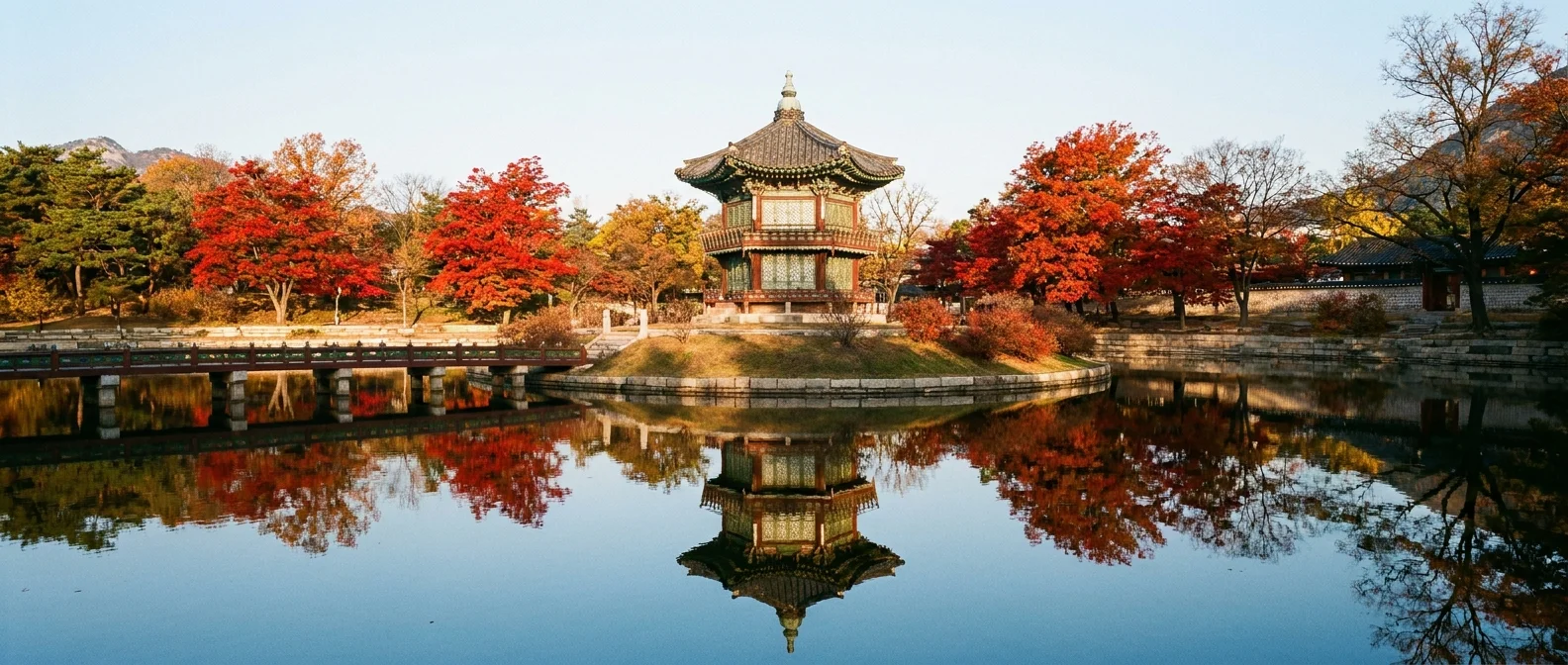
The window for experiencing the perfect Seoul Autumn Foliage Itinerary is notoriously narrow, often lasting only 10 to 14 days between late October and early November. Every traveler wants to know how to enjoy the peak fall colors while avoiding overwhelming weekend crowds. This guide provides a practical day-by-day plan that combines visits to Seoul’s […]
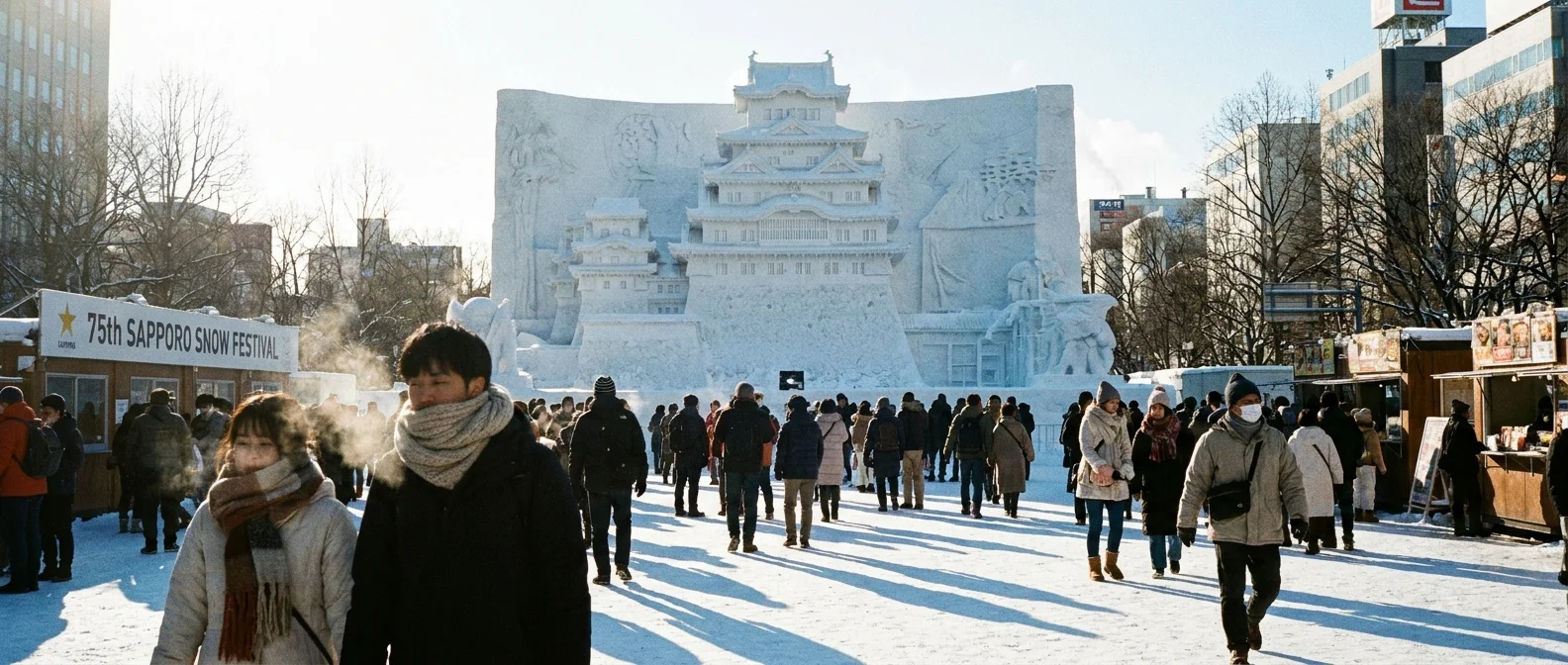
The Sapporo Snow Festival, known locally as Yuki Matsuri, stands as Hokkaido’s premier winter event. Every February, the festival transforms the city into a spectacular gallery of massive ice and snow sculptures, attracting over 2 million visitors. For travelers, attending this event requires careful logistical planning. Hotel prices can rise significantly, sometimes reaching 400 percent […]