
Where to Stay for Sapporo Snow Festival 2027
Disclosure: To help support our website, some of the links below are affiliate links. This means that if you choose to make a purchase, we will earn a commission at no additional cost to you.
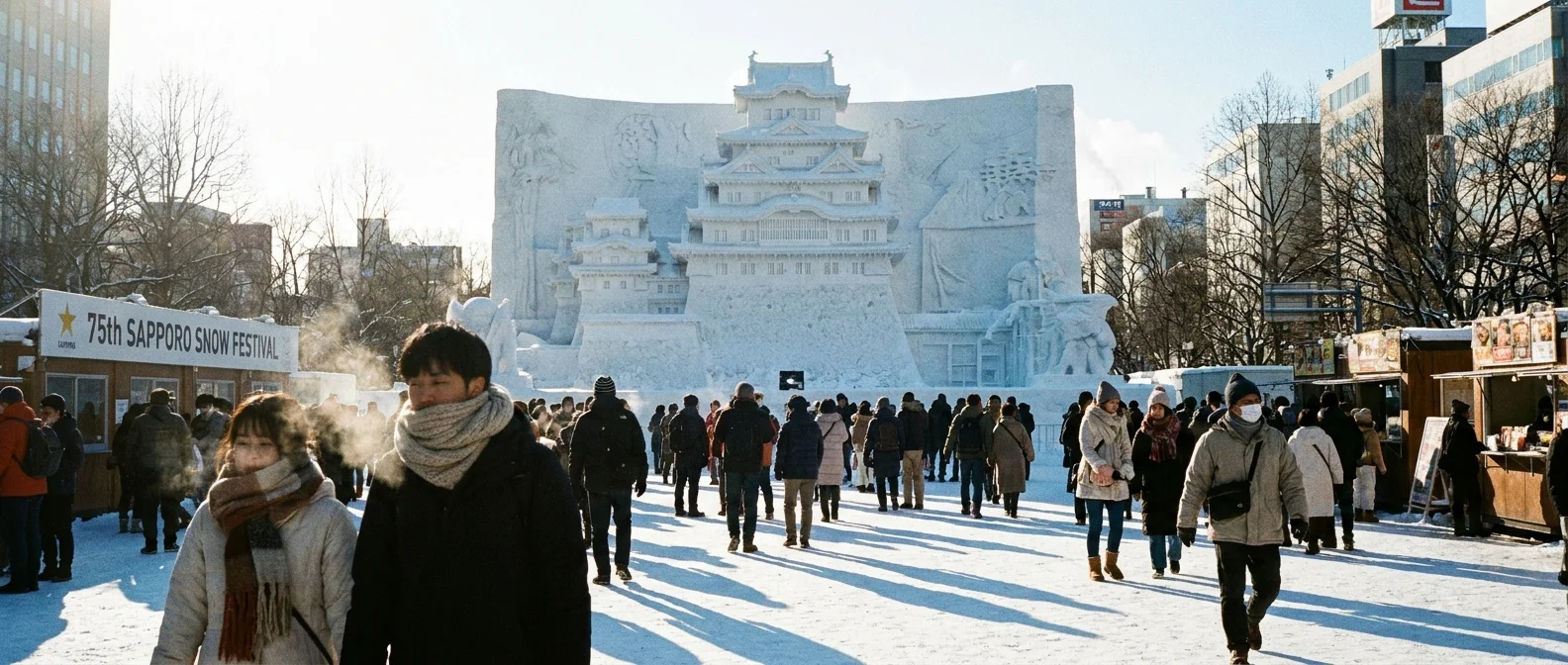
Table Of Contents
- Quick Answer
- The Scarcity Window: How to Book Sapporo Hotels Early
- Navigating the Three Main Sites: Odori, Susukino, and Tsudome
- Transit Mechanics: The "Chikaho" and Beating the Blizzard
- What to Wear: Beating the "Sweat Paradox"
- A Realistic 3-Day Sapporo Winter Travel Itinerary
- Mistakes First-Timers Make
- Related FAQs
- Closing
The Sapporo Snow Festival, known locally as Yuki Matsuri, stands as Hokkaido’s premier winter event. Every February, the festival transforms the city into a spectacular gallery of massive ice and snow sculptures, attracting over 2 million visitors. For travelers, attending this event requires careful logistical planning. Hotel prices can rise significantly, sometimes reaching 400 percent above regular rates, while central accommodations sell out quickly. This Sapporo Snow Festival planning guide helps you navigate the “Window of Scarcity,” the period between August and December when travelers book many of the most desirable accommodation options. By understanding the city’s layout and public transit system, you can book a convenient base early, stay close to festival attractions, and manage your budget more effectively for the 2027 season.
Quick Answer
- Best Booking Window: Secure rooms with free cancellation by August 2026. Inventory is usually exhausted by December.
- Expected Conditions: Daytime highs hover around -1°C (30°F), while nighttime lows can drop to -12°C (10°F). Expect daily snowfall of dry powder.
- Main Friction: Extreme price surges for accommodation and the risk of slipping on icy sidewalks.
- Booking Note: Use the JR New Chitose Airport Express for 1,150 JPY to reach the city center in 40 minutes.
| Month | Daytime Temp (Avg) | Crowd Level | Best For |
|---|---|---|---|
| Late January | -2°C | Moderate | Watching sculpture construction and lower hotel rates |
| Early February | -4°C | Extreme | Sapporo Snow Festival dates 2027 (The Main Event) |
| Mid February | -1°C | High | Post-festival discounts and the Otaru Snow Light Path |
| Late February | 1°C | Moderate | Spring skiing and thinner crowds |
The Scarcity Window: How to Book Sapporo Hotels Early
Securing where to stay in Sapporo requires a technical understanding of the city’s geography. The festival is centered on Odori Park, but the most expensive hotels are those with windows facing the park. To beat the surge, you must look beyond the immediate perimeter while staying connected to the “Chikaho,” the city’s underground pedestrian artery.
The primary strategy for booking Sapporo hotels early involves using booking platforms that offer free cancellation. Lock in your rates in late summer 2026. If you wait until the official Sapporo Snow Festival dates for 2027 are finalized in the autumn, you will likely pay three to four times the standard rate.
For a value play, focus on Nakajima Park. This area is located two stops south of Odori on the Namboku subway line. It offers a buffer from the festival noise and the heavy foot traffic of the city center. Many hotels here are significantly cheaper than those in the Odori or Susukino districts, yet you remain within a 15-minute walk of the Susukino ice sculptures.
Sapporo Station is the primary logistics hub. It is the best choice for travelers arriving via the JR Express from New Chitose Airport. Staying here provides immediate access to the Chikaho, allowing you to walk to the festival grounds in a climate-controlled environment without stepping into the wind.
If the city center is priced out, Soen is the local secret. Located just one stop from Sapporo Station on the JR Hakodate Line, Soen is a quiet residential and commercial district. Hotels here often maintain more reasonable rates during the festival week. A four-minute train ride can save you up to 40 percent on room costs, making it a highly effective option for budget-conscious planners.
Navigating the Three Main Sites: Odori, Susukino, and Tsudome
A functional Sapporo winter travel itinerary must account for the geographic spread of the three official festival sites. Each site offers a different experience and requires a different transit approach.
Odori Park is the spine of the festival. This 1.5-kilometer central artery houses the Large Snow Sculptures, which can reach heights of 15 meters. To avoid the heaviest crowds, arrive at the park by 8:30 AM. This allows you to see the sculptures in the morning light before the tour groups arrive at 10:00 AM. While walking the park, look for the food kiosks serving Jagabata, which is a steamed Hokkaido potato served with local butter. It is a staple of the festival and provides necessary calories for the cold.
The Susukino site, known as the Ice World, is located a few blocks south of Odori. This site is famous for intricate ice carvings, some of which contain frozen fish or neon lights. While Odori Park is about scale and snow, Susukino is about detail and photography. The best time to visit is after 6:00 PM when the ice is illuminated by the district’s famous neon signage. This area is also the center of Sapporo’s nightlife and dining scene.
The Tsudome site is the family-oriented zone. Located at the Community Dome, it features snow slides, rafting, and indoor food stalls. A common mistake is assuming Tsudome is within walking distance of the other sites. It is not. Reaching it requires a 15-minute ride on the Toho Line subway to Sakaemachi Station, followed by a dedicated shuttle bus or a 10-minute walk. Because of the travel time, plan to spend at least half a day here.
When comparing Odori Park vs. Susukino ice festival, remember that Odori is the primary daytime attraction for massive snow art, while Susukino is a nighttime destination for ice craft. Both are essential, but they require different timing to appreciate fully.
Transit Mechanics: The "Chikaho" and Beating the Blizzard
The secret to surviving Sapporo in February is the Chikaho. This is a massive, climate-controlled underground pedestrian walkway that connects Sapporo Station to Susukino, passing directly under Odori Park. During a blizzard, the surface streets become nearly impassable due to wind and snow. The Chikaho allows you to traverse the entire festival axis in comfort. It is lined with cafes, shops, and rest areas, making it the most reliable way to move through the city.
Subway mastery is the next layer of your logistics plan. Sapporo uses three main lines: the Namboku (Green), Tozai (Orange), and Toho (Blue). For the festival, the Namboku and Toho lines are the most useful. On weekends, you can purchase a “Donchika-ki,” which is a one-day subway pass costing approximately 520 JPY. This is essential for hopping between the Tsudome site and the central districts.
Luggage logistics can ruin the first day of a trip. Dragging suitcases through 10 centimeters of fresh powder is difficult and damages the wheels of your luggage. Use Takkyubin, the Japanese luggage forwarding service, to send your bags from New Chitose Airport directly to your hotel. The cost is usually around 2,000 JPY per bag, and it allows you to board the train and enter the city unencumbered.
Safety on the ice is a constant concern. Surface streets are polished to a glass-like finish by millions of footsteps, creating “Black Ice.” This is particularly dangerous at intersections where the heat from idling cars melts the snow, which then refreezes into a slick layer. While the Chikaho is safe, always exercise caution when stepping onto the street level.
What to Wear: Beating the "Sweat Paradox"
The biggest physical challenge of the festival is the 30-degree temperature swing. You will move from heated subways and department stores, which are often kept at 20°C, to the festival grounds where it may be -10°C. This creates the “Sweat Paradox.” If you wear heavy, non-breathable layers, you will sweat while indoors or walking. That moisture then freezes when you stop to look at sculptures, leading to rapid heat loss.
The fix is a system of thermal base layers for Japanese winters. Merino wool is the preferred material because it wicks moisture away from the skin and retains heat even if it becomes damp. Avoid cotton base layers, as they trap moisture and stay cold.
Footwear is the most critical part of your Hokkaido winter packing list. Standard fashion boots or sneakers will fail. You need waterproof snow boots for Hokkaido that feature deep rubber lugs or “winter-spec” soles designed for ice. If your boots lack grip, visit a local convenience store like Seicomart or Lawson immediately upon arrival. They sell “slip-on” ice cleats for approximately 1,000 JPY that can be attached to any shoe.
When choosing outerwear, a high-fill down jacket is superior to a wool coat. Down provides the necessary loft to trap heat against the wind chill. Wool coats tend to absorb moisture from falling snow, which makes them heavy and reduces their insulating properties. Ensure your jacket has a water-resistant outer shell to shed the snow that will inevitably accumulate on your shoulders.
A Realistic 3-Day Sapporo Winter Travel Itinerary
Day one should focus on the grand scale of the festival. Start at Odori Park at 8:30 AM to see the Large Snow Sculptures before the crowds peak. For lunch, head to the Jyogai Ichiba, also known as the Curb Market, for a Kaisen-don, which is a bowl of fresh Hokkaido seafood over rice. In the evening, visit the Sapporo TV Tower at the eastern end of Odori Park. You must book your timed entry 48 hours in advance to secure a slot for the sunset view over the illuminated sculptures.
Day two is for the secondary sites and local culture. Spend the morning at the Tsudome site for snow rafting and the indoor Hokkaido food fair. In the afternoon, retreat to the Chikaho to explore the underground shops and escape the midday cold. Spend your evening in Susukino to view the Ice World carvings. For dinner, head to Ramen Yokocho, the famous Ramen Alley, for a bowl of Sapporo Miso Ramen. This area is dense with small shops, so expect a 20-minute wait for the more popular stalls.
Day three is the ideal time for a day trip. Take the JR train for 35 minutes to the seaside town of Otaru. The Otaru Snow Light Path coincides with the Sapporo festival and offers a different atmosphere. While the Sapporo Snow Festival is about grand engineering, Otaru is smaller and more romantic, featuring hundreds of small snow lanterns along the historic canal. It provides a quiet bookend to the high-energy crowds of Sapporo.
Mistakes First-Timers Make
One of the most common errors is relying on taxis during a blizzard. When the snow falls heavily, traffic in central Sapporo slows to a crawl. Taxi queues at the station or near Odori Park can exceed 40 minutes. The fix is to use the subway or the Chika-ho. These systems are underground and entirely immune to surface weather conditions, making them the only reliable way to keep your schedule.
Another mistake is overpaying for food at the festival stalls. While the atmosphere is enjoyable, the prices are inflated, and the quality can be inconsistent. The local fix is to visit Seicomart, Hokkaido’s regional convenience store chain. Look for the “Hot Chef” section, which serves high-quality, freshly made meals like katsudon or grilled salmon for under 600 JPY. It is a favorite among locals for a quick, warm, and affordable meal.
Finally, many visitors underestimate the ice and wear the wrong shoes. Sneakers or smooth-soled leather boots offer zero traction on packed snow. The consequence is the “Sapporo Slip,” a common fall that often results in sprained wrists or ankles. If you do not have proper boots, buy non-slip cleats at the airport or a convenience store immediately. These small rubber attachments can save your trip from a medical emergency.
Related FAQs
The cold in Sapporo is “sharp” rather than damp. Temperatures typically range from -1°C to -12°C. While the numbers may seem manageable, the wind-chill from the Sea of Japan is the primary factor. You must have wind-resistant outerwear to stay comfortable for more than an hour outdoors.
Ideally, you should book six months in advance. For the 2027 festival, this means having a reservation by August 2026. By December, the remaining rooms are often priced at luxury tiers or are located far from the subway lines.
You need waterproof boots with deep rubber lugs. Avoid any footwear with flat soles. If you are coming from a warm climate and do not want to buy expensive boots, purchase a pair of “slip-on” ice spikes at a Sapporo convenience store for about 1,000 JPY.
Three days is the ideal duration. This allows one day for the Odori and Susukino sites, one day for the activities at Tsudome, and one day for a trip to Otaru. This pace prevents “cold fatigue” and ensures you see all the major sculptures.
Yes, it is a world-class engineering feat. The scale of the 15-meter snow buildings, often modeled after international landmarks, is impressive. As long as you plan for the crowds and the costs, it is one of the most unique winter experiences in Asia.
Closing
With your hotel secured and your thermal layers ready, you are prepared for the 2027 season. The logistics of Sapporo require early intervention, but the reward is a seamless experience in one of the world’s great winter cities. Your next step is to monitor the official festival website in late 2026 to confirm the specific sculpture themes and the schedule for the projection mapping shows.


As the humidity of the Mid-Atlantic swamp summer breaks, Philadelphia transforms into a corridor of burnt orange maples and crisp, colonial-era winds. For travelers planning a Philadelphia autumn weekend itinerary, the window between the Autumnal Equinox and Veterans Day offers the most temperate walking conditions of the year. The central question for most visitors is […]
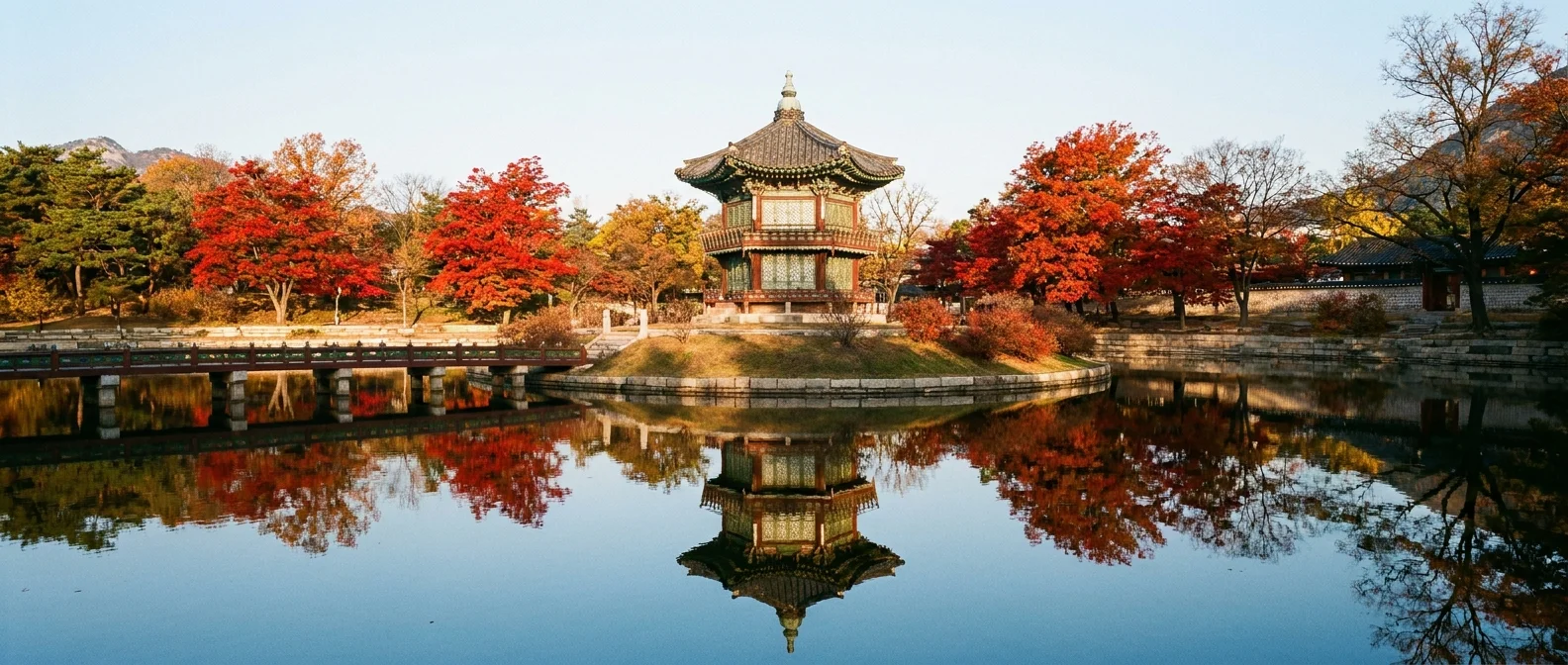
The window for experiencing the perfect Seoul Autumn Foliage Itinerary is notoriously narrow, often lasting only 10 to 14 days between late October and early November. Every traveler wants to know how to enjoy the peak fall colors while avoiding overwhelming weekend crowds. This guide provides a practical day-by-day plan that combines visits to Seoul’s […]
The Sapporo Snow Festival, known locally as Yuki Matsuri, stands as Hokkaido’s premier winter event. Every February, the festival transforms the city into a spectacular gallery of massive ice and snow sculptures, attracting over 2 million visitors. For travelers, attending this event requires careful logistical planning. Hotel prices can rise significantly, sometimes reaching 400 percent […]