
Solar Maximum 2027: Last Chance for Peak Tromsø Aurora
Disclosure: To help support our website, some of the links below are affiliate links. This means that if you choose to make a purchase, we will earn a commission at no additional cost to you.
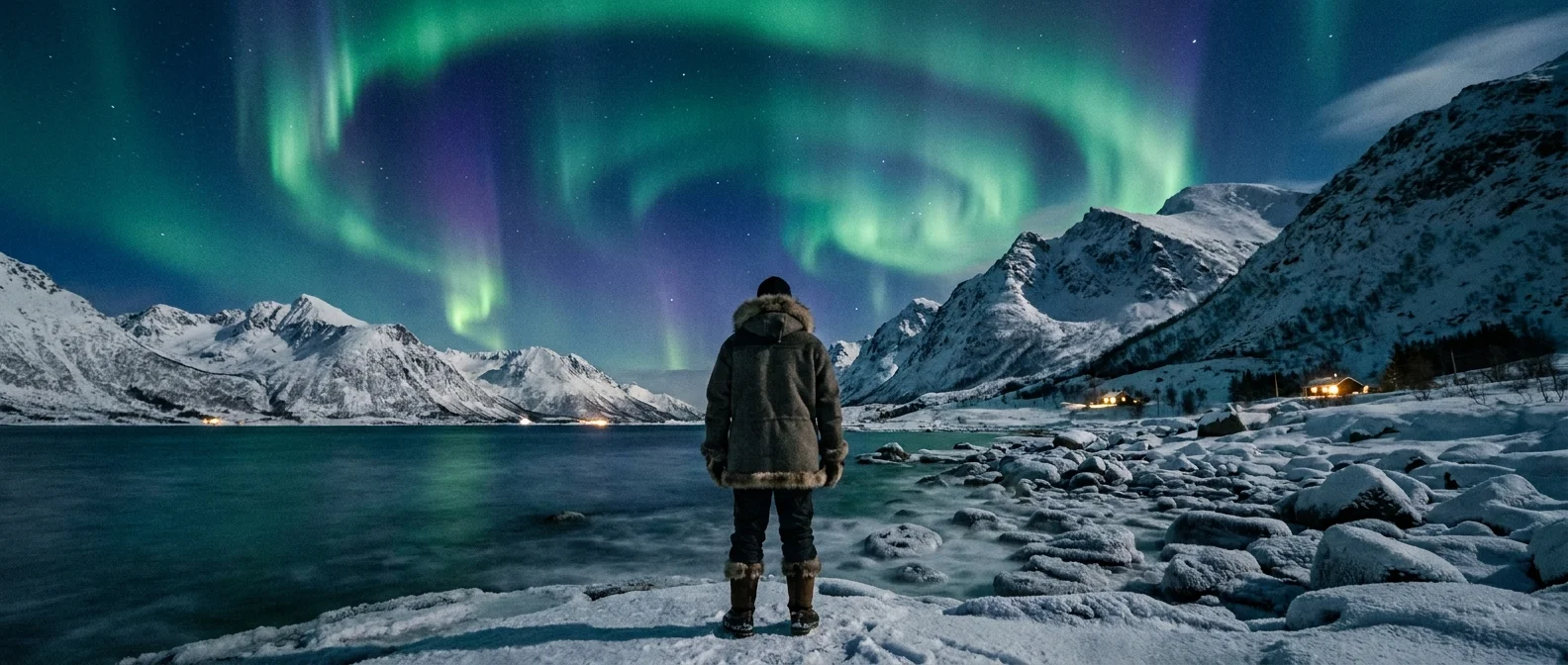
Table Of Contents
The winter of 2026/2027 marks a potentially exciting period for Northern Lights enthusiasts. As Solar Cycle 25 moves beyond its predicted peak, aurora activity can still produce spectacular displays, although its intensity varies with solar conditions. For travelers, Peak Tromsø Aurora offers an opportunity to plan an Arctic adventure around favorable viewing conditions and the region’s long winter nights. The key question is not simply whether you will see the lights, but how to position yourself in Norway’s Arctic capital for the best possible experience.
This Tromsø Northern Lights Guide 2027 provides a practical blueprint for navigating the Polar Night, preparing for temperatures that can reach -25°C during inland excursions, and finding promising aurora-viewing locations away from city lights. You’ll also learn how to plan flexible aurora chases, choose suitable winter clothing, and allow enough nights to improve your chances of witnessing this remarkable natural phenomenon.
Quick Answer
- The Best Window: February 2027 offers the perfect intersection of Solar Maximum activity, returning daylight for sightseeing, and statistically clearer skies.
- Expected Conditions: Coastal temperatures average -2°C to -5°C, but inland aurora “chases” frequently plummet to -25°C.
- The Main Friction: “Black ice” on sidewalks and rapid battery depletion in extreme cold.
- Booking Note: Small-group photography tours and Sentrum hotels require booking at least 3 to 4 months in advance for the 2027 peak.
| Month | Avg. Temp (High/Low) | Daylight Hours | Crowd Level | Aurora Probability |
|---|---|---|---|---|
| December | -1°C / -5°C | 0 (Polar Night) | Very High | High (but cloudy) |
| January | -2°C / -6°C | 0 to 3 hours | Medium | Very High |
| February | -2°C / -7°C | 6 to 9 hours | High | Peak (Solar Max) |
The 2027 Solar Maximum: Why Timing is Everything
The 2026/2027 season is the Solar Maximum, the period of greatest solar activity in the Sun’s 11-year cycle. This means more frequent Coronal Mass Ejections (CMEs) and more intense, multi-colored displays. During this phase, the Sun’s magnetic field flips, leading to an increase in solar flares that send charged particles toward Earth’s atmosphere. When these particles collide with gases in the thermosphere, they create the light show known as the Aurora Borealis.
Understanding Solar Cycle 25 and the Kp myth
Many guides obsess over the Kp Index, which is a scale from 0 to 9 used to characterize the magnitude of geomagnetic storms. However, Tromsø sits directly under the Aurora Oval, a permanent ring of light that circles the Earth’s magnetic poles. The fact is that even at Kp 0 or 1, you can see spectacular overhead shows in this region. The reality is that the real enemy isn’t low solar activity: it is cloud cover.
The 2027 advantage is significant. During the Solar Maximum, the lights are often strong enough to “burn through” thin clouds or haze that would otherwise obscure them in weaker years. This increases your statistical “hit rate” on nights with sub-optimal weather. When using a Tromsø Northern Lights Guide 2027, remember that a Kp 5 forecast during a Solar Max is a different beast than a Kp 5 during a Solar Minimum. The displays are more likely to feature purples, reds, and yellows, which require higher energy particles to penetrate deeper into the atmosphere.
Polar Night vs. February daylight
Choosing between the deep winter and the early spring depends on your tolerance for darkness and your interest in daytime activities. The Polar Night, which runs from December 1 to January 15, is a period when the sun never rises above the horizon. You do not experience total pitch-black darkness for 24 hours. Instead, you get 3 to 4 hours of “Blue Hour” twilight between 10:00 and 14:00. This period is ethereal for photography as the city lights reflect off the snow against a deep cobalt sky. This is the peak of tTromsø’spolar night daylight hours, and it provides a unique backdrop for Tromsø polar night activities like dog sledding or visiting the Arctic Cathedral.
By late February, the environment shifts. You gain 7 to 9 hours of light, which allows for extensive daytime fjord tours before the aurora hunt begins in the evening. The sun finally clears the surrounding peaks, providing the first warmth of the year. For most travelers, February is the superior choice because the weather is statistically more stable, and the “Solar Max” activity remains at its peak.
Navigating the Arctic: Neighborhoods and the "Tromsø Shuffle"
Tromsø is not a single contiguous block. It is split between an island (Tromsøya), the mainland (Tromsdalen), and the rugged whale island (Kvaløya). Understanding these zones is essential for managing your daily logistics and ensuring you are not stranded when the buses stop running.
Sentrum and Tromsdalen: The logistical heart
Sentrum is the commercial core located on the eastern side of Tromsøya. You should stay here if you want easy access to tour departures, which primarily congregate at Kirkegata or near the large hotels like the Radisson Blu. For dining, visit Bardus Bistro for Reindeer Carpaccio or Ølhallen, the city’s oldest pub, which features 72 taps of Norwegian craft beer.
Across the bridge lies Tromsdalen on the mainland. This area is home to the Arctic Cathedral and the Fjellheisen cable car. To maximize your time, catch the 14:00 cable car to the top of Mount Storsteinen. This allows you to see the city transition from the blue twilight into the night. The friction here is the ice. While sidewalks in the very center of Sentrum are heated by underground pipes, elsewhere, “Black Ice” is a major hazard. You must master the “Tromsø Shuffle,” which involves keeping your weight forward over your lead foot and taking shorter steps to avoid a fall.
Kvaløya and Hamna: The dark sky escapes
Kvaløya is located 20 minutes west of the city center. It offers dramatic fjords and steep mountains that block out the city’s light pollution. If you want a local dining experience, eat fresh Skrei (Arctic Cod) at Ersfjordbotn Brygge while looking out over the water.
Hamna is a hidden residential gem on the north-west side of the main island. It faces the open sea and is one of the best places to see the lights without leaving the island. For a cost-effective DIY aurora view, take the Line 42 bus to Ersfjordbotn. For the price of a 40 NOK bus ticket, you can reach a world-class viewing spot at the head of a fjord. This is a viable alternative to expensive tours if the sky is clear and the solar activity is high.
Transit Mechanics and Survival Logistics
Norway is effectively a cashless society. You will find that even the smallest hot dog stand or public toilet accepts contactless payments. The transit system is entirely digital, and trying to use cash will lead to significant friction.
Mastering the Troms Billett app
To move around efficiently, you must use the Troms Billett app for all local buses, specifically Lines 42 and 26, which serve the main tourist sites. A 7-day pass costs approximately 600 NOK and is the most economical choice for a Tromsøwinter travel itinerary.
The most common mistake is buying tickets on board from the driver. This costs significantly more than the app price, and many drivers simply do not accept cash at all. For planning your routes, use the companion app Troms Reise, which provides real-time GPS tracking of every bus in the fleet. For the airport connection, the Flybussen (125 NOK) is the easiest option with heavy luggage, as it stops directly at major hotels. However, the City Bus (Line 40 or 42) is only 40 NOK if you are willing to walk 5 minutes to the stop located behind the airport car park.
Extreme cold and tech management
While the city of Tromsø is warmed by the Gulf Stream and stays around -5°C, aurora “chase” tours often head inland to the Finnish border near Kilpisjärvi. In these areas, the temperature frequently hits -25°C. This level of cold requires a different approach to your electronics.
Phones will die instantly at -15°C because the chemical reactions in the lithium-ion batteries slow down. You must keep your phone in an internal pocket against your skin to ensure your bus app and maps are accessible. For those focusing on Tromsø northern lights photography gear, camera management is equally vital. When moving from -20°C outside into a warm tour bus, your lenses will fog instantly. This moisture can seep into the internal optics and cause permanent damage. The solution is to seal your camera in a large Ziploc bag before you enter the bus. This allows the equipment to warm up slowly inside the bag, preventing condensation from forming on the glass. This is a non-negotiable step for anyone using high-end gear in Tromsø’s extreme cold weather conditions.
How to Dress for Tromsø Winter
The humidity of the coast combined with the dry, biting cold of the inland tundra requires a specific layering strategy. If you dress for a standard ski resort, you will likely be under-prepared for a 4-hour aurora chase where you are standing still on frozen ground.
The three-layer system
When considering how to dress for Tromsø winter or what to wear in Tromsø, the three-layer system is the standard.
1. Base Layer: A 200gsm or higher Merino wool top and bottom is mandatory. You must avoid cotton at all costs. If you sweat during a hike or while walking up to a viewpoint, cotton will hold that moisture and freeze against your skin.
2. Mid Layer: A heavy fleece or a thick wool sweater provides the necessary insulation.
3. Outer Layer: A windproof and waterproof shell is essential. While most professional tours provide heavy “Thermal Suits,” you still need your own high-quality layers underneath to stay warm during the transit and setup phases.
Footwear and traction
The ground is your biggest heat sink. You need insulated, waterproof boots with thick rubber soles to create a thermal barrier from the frozen pavement. When looking for the best boots for Tromsø Northern Lights, ensure they are at least one size too large. This allows you to wear thick wool socks without restricting blood flow, which is the fastest way to get frostbite.
Additionally, you must purchase “Broddar” (traction cleats) immediately upon arrival. You can find these at local pharmacies like Apotek 1 or supermarkets like Eurospar. These metal-studded rubber grips stretch over your boots and are the only way to navigate the icy hills of the city safely.
Mistakes First-Timers Make
1. Obsessing over the Kp Index: Many travelers stay in their hotel because the Kp forecast is “2,” only to miss a massive overhead display. If the sky is clear, you should be outside. The Aurora Oval ensures activity even during low geomagnetic storms.
2. Booking Tours Late: Waiting until you arrive in Tromsø to book a “Small Group Chase” is a mistake during the Solar Maximum. These tours use 15-seater vans that can move faster and reach clear skies more efficiently than large buses. They will sell out months in advance for the 2027 peak.
3. Underestimating the Tromsø Shuffle: Walking with a normal gait on the icy slopes of the city often leads to injury. Buy your cleats on Day 1 and practice walking with a slight forward lean.
4. Relying on Phone Photos: While modern smartphones are improving, they struggle with the low light of the aurora. You should use a tripod and a dedicated “Night Mode” or manual setting with at least a 3-second exposure to capture the movement and color accurately.
Related FAQs
February 2027 is the ideal window. You benefit from the Solar Maximum peak and have a higher statistical chance of clear skies compared to the heavy snowfall months of December and January. The returning sun also provides enough light for daytime exploration.
In the city center, temperatures typically range from -2°C to -8°C. However, professional aurora tours often drive 2 to 3 hours inland toward the Finnish border to find clear weather. In these locations, temperatures can drop to -25°C or lower with wind chill.
Yes. For the 2027 Solar Maximum, demand will be at an all-time high. Small-group tours (8 to 12 people) offer the best experience and often sell out 3 to 4 months in advance. Large bus tours have more availability but are less mobile in changing weather.
From January 1 to January 15, there is zero direct sunlight during the Polar Night. You will experience 3 to 4 hours of “civil twilight” (a deep blue glow) between 10:00 and 14:00. By the end of January, the sun begins to rise briefly above the horizon.
Professional “chase” tours are mobile for this reason. They use real-time satellite data to drive up to 3 hours away, sometimes crossing the border into Finland or Sweden, to find a gap in the cloud cover. This mobility is why a guided tour is often more successful than staying in a stationary cabin.
Closing
The 2027 Solar Maximum represents the final peak of this decade’s aurora activity. To secure your spot, your next action should be to monitor hotel availability in Tromsø Sentrum for February 2027 and download the Troms Billett app to familiarize yourself with the Arctic transit zones. This window will not open again for another eleven years, making the 2026/2027 season the definitive time for an Arctic expedition.

The winter of 2026/2027 marks a potentially exciting period for Northern Lights enthusiasts. As Solar Cycle 25 moves beyond its predicted peak, aurora activity can still produce spectacular displays, although its intensity varies with solar conditions. For travelers, Peak Tromsø Aurora offers an opportunity to plan an Arctic adventure around favorable viewing conditions and the […]
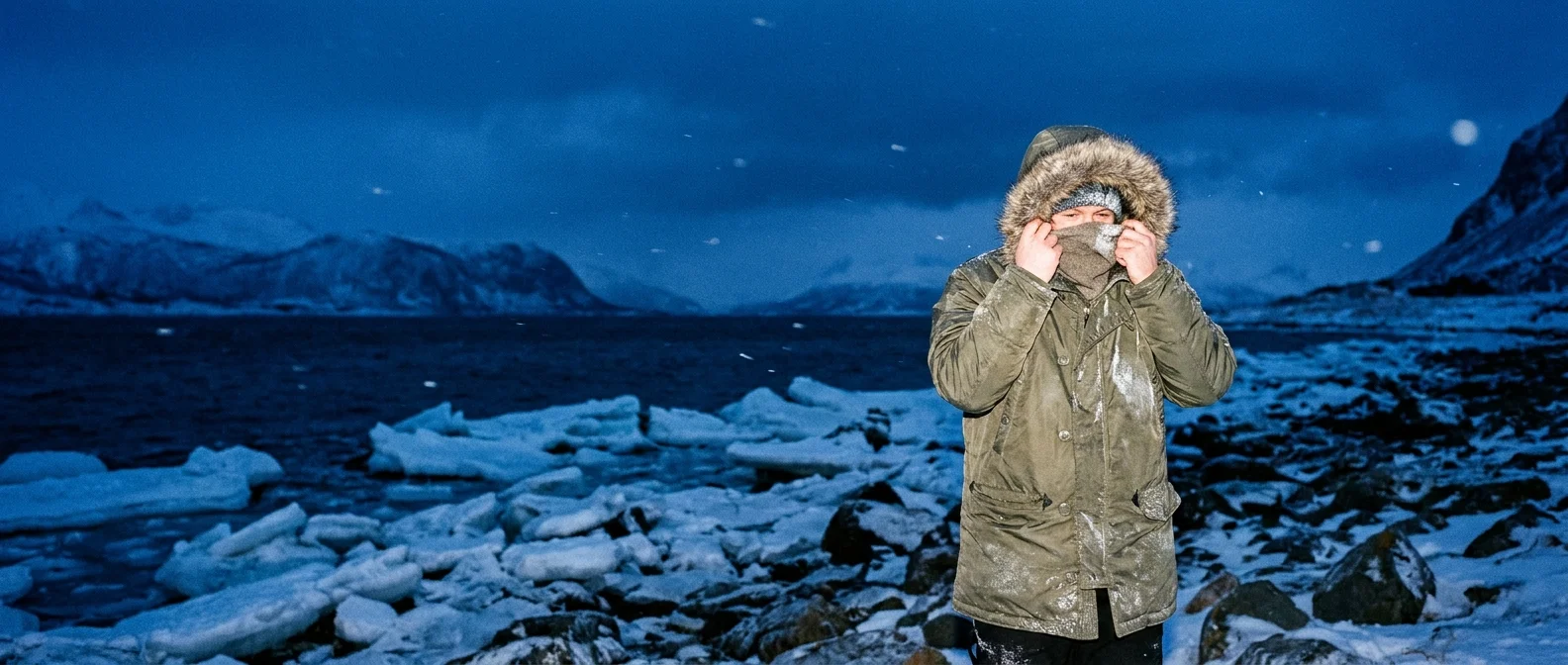
As the sun dips below the horizon during the Polar Night, travelers heading to Northern Norway face a unique challenge: staying warm through prolonged exposure to freezing temperatures. During a four-hour stationary Aurora vigil, inland temperatures can drop to -25°C, making ordinary winter clothing inadequate. This Tromsø Winter Packing List helps you move beyond everyday […]
The upcoming season of The White Lotus has sparked global interest in Thailand’s luxurious resorts and stunning coastal escapes. However, finding the best quiet beaches in Phuket requires looking beyond the neon lights, busy nightlife, and crowds of Patong. The growing popularity of White Lotus Thailand has encouraged travelers to seek secluded, sustainable boutique hotels […]