
Kyoto Winter Packing List: Beating Temple Feet
Disclosure: To help support our website, some of the links below are affiliate links. This means that if you choose to make a purchase, we will earn a commission at no additional cost to you.
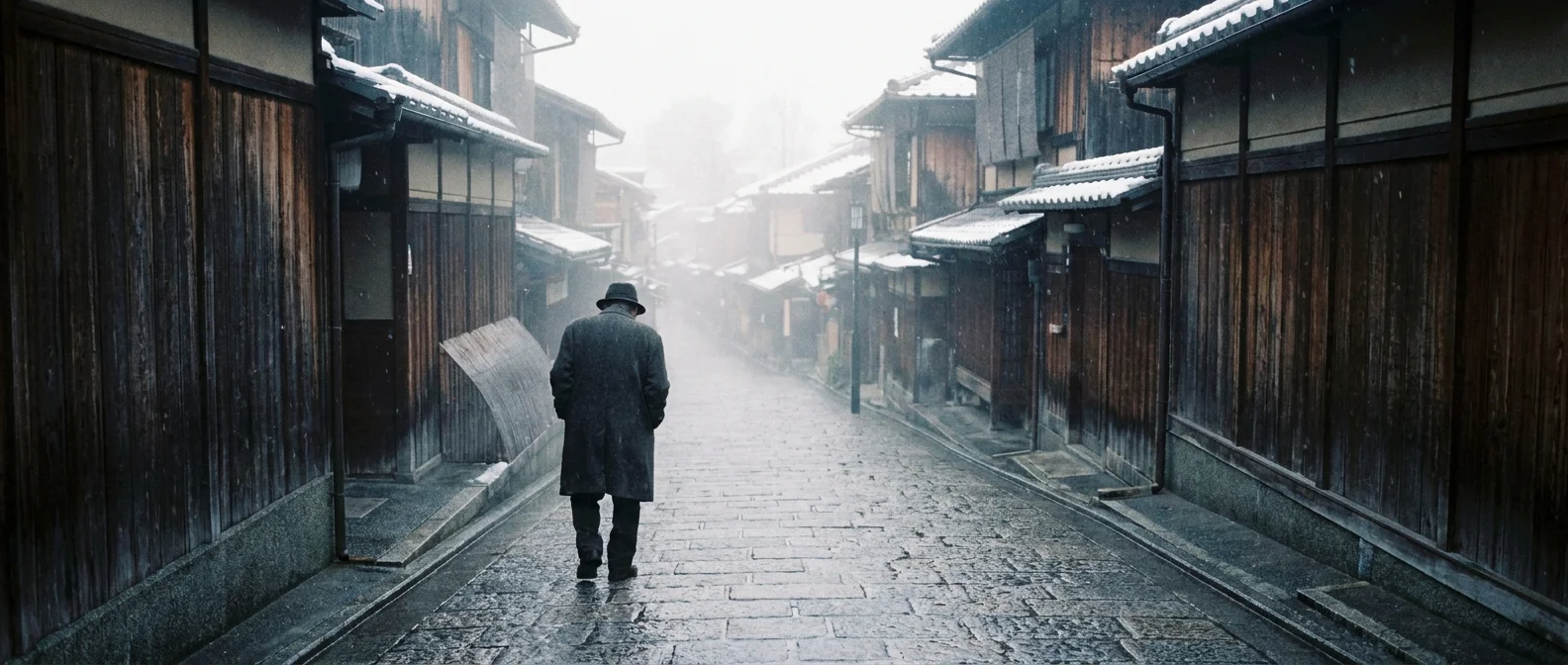
Table Of Contents
The “Quiet Kyoto” window between December and February offers a sensory contrast that makes winter travel in Japan truly memorable. Cold northern winds sweep through the ancient streets, while steam rises from hot springs and traditional Japanese baths. Although many travelers ask how they can explore Kyoto without the cherry blossom crowds, winter brings its own challenges, from freezing temperatures to chilly temple interiors and long walks across stone pathways.
This Kyoto winter travel itinerary helps you explore the city’s most iconic winter landscapes while staying warm, comfortable, and relaxed.
Temperatures often hover around 5°C, so you should prepare for cold mornings, chilly evenings, and occasional rain or snow. Historic wooden temples can feel especially cold because their traditional architecture offers limited insulation, making warm socks, thermal layers, and comfortable walking shoes essential. To balance sightseeing with relaxation, plan visits to famous temples during daylight hours, enjoy steaming bowls of traditional Yudofu (tofu hot pot), and unwind in a Japanese onsen when your schedule allows.
Rather than rushing between attractions, build your itinerary around Kyoto’s peaceful winter atmosphere. Explore quiet temple gardens, admire seasonal scenery, sample comforting local dishes, and leave time for warm café breaks. This guide also covers practical packing advice, transport planning, and strategies for avoiding unnecessary travel stress. With thoughtful preparation, you can experience Kyoto’s cultural treasures, embrace the beauty of winter, and enjoy a comfortable journey without the intense crowds of peak cherry blossom season.
Quick Answer
- The Best Window: Late January to mid-February offers the lowest hotel rates and the thinnest crowds.
- Expected Conditions: Daytime highs of 5°C to 9°C (41°F to 48°F): dry, sunny, but with piercing winds.
- The Main Friction: “Temple Feet”, the requirement to remove shoes in unheated, wooden-floored temples.
- Booking Note: High-end Arashiyama ryokans require 3 to 4 months’ lead time for winter weekends.
| Month | Avg. Temp (Day/Night) | Crowd Level | Best For… |
|---|---|---|---|
| December | 9°C / 2°C | High (Early) | Late autumn colors and illuminations |
| January | 5°C / -1°C | Medium | Hatsumode (New Year) and snowy shrines |
| February | 6°C / 0°C | Low | Plum blossoms and the quietest temples |
The "Temple Feet" Strategy: What to Wear in Kyoto in Winter
The most significant logistical hurdle in Kyoto isn’t the transit: it is the floors. Traditional temples require shoe removal, and the ancient wood acts as a heat sink, draining body warmth instantly. When considering what to wear in Kyoto in winter, you must prioritize a “heat-trap” base layer. Use ultra-warm thermal tops and leggings that wick moisture while retaining heat. Because you will transition from freezing outdoor gardens to overheated buses and department stores, a heavy parka is often less effective than a medium-weight down jacket paired with a windproof shell. Humidity is low in winter, leading to dry skin and static: choose natural fibers or anti-static treated synthetics.
Solving the “Frozen Sole” Effect
The secret to staying warm while visiting Kyoto temples lies in your hosiery. Standard cotton socks are insufficient. You need heavy-duty merino wool socks with a looped cushion interior. Since you will be taking your shoes off 5 to 10 times a day, avoid complex lacing systems. Ensure socks are clean and hole-free: showing toes or worn heels is a major etiquette faux pas in sacred spaces. If you are prone to cold, consider wearing a thin liner sock under a thick wool outer layer. This creates an additional air pocket for insulation against the frigid temple floorboards.
Footwear for the “Temple Trek”
Kyoto is a walking city where 20,000 steps a day is the norm. The best waterproof walking boots for Japan are those that are slip-on or have side-zips. You need moisture resistance for the occasional slushy snow and a supportive sole for the gravel paths of the Philosopher’s Path. Stone paths in Higashiyama can be icy: look for soles with high-friction rubber or specialized winter grips. Avoid heavy, clunky hiking boots that are difficult to remove at temple entrances. A sleek, waterproof Chelsea boot or a technical slip-on sneaker with a weather-resistant membrane is the professional choice for this terrain.
Zone-by-Zone Winter Geography: From Higashiyama to the Mountains
Kyoto’s geography dictates your warmth. The city center is a basin, but the northern districts are significantly colder due to higher elevation and proximity to the Kitayama mountains.
Higashiyama: The Cultural Spine
This is the heart of “Old Kyoto.” A Higashiyama winter walking route should start at Kiyomizu-dera at 8:00 AM to avoid the 1:00 PM bottleneck. After touring the temple, walk down Sannenzaka and Ninenzaka. These stone-paved slopes are lined with wooden buildings that look particularly striking under a winter sky. Warm up with Yudofu (simmered tofu) near Nanzen-ji, a winter staple that provides internal heat. The boiling broth and soft tofu are specifically designed to combat the damp cold of the temple district.
Arashiyama and the Western Retreat
Home to the Bamboo Grove and Tenryu-ji, Arashiyama is several degrees cooler than the city center. In winter, the bamboo takes on a muted, silver-green hue. The crowds are thinner, but the wind off the Oi River is sharp. The Kyoto winter illuminations guide notes that the Bamboo Grove is only lit at night during the “Hanatouro” festival in mid-December. Outside of this window, the area is dark by 5:00 PM. Plan your visit for the morning to catch the low winter sun filtering through the stalks, then retreat to a local cafe for matcha and warm sweets.
Kurama and Kibune: The Mountain Escape
For those seeking kinkakuji in the snow, the northern mountains are your best bet for actual accumulation. Take the Eizan Electric Railway from Demachiyanagi Station to Kurama for a winter hike. The trail between Kurama-dera and Kibune-jinja is often dusted with snow, requiring sturdy footwear with good traction. Try Botan Nabe (Wild Boar Hotpot) here: it is a local winter specialty designed for mountain temperatures. The rich miso broth and fatty meat provide the calories needed for a two-hour mountain trek in sub-zero conditions.
The 3-Day Kyoto Winter Travel Itinerary
A realistic winter plan accounts for shorter daylight (sunset at 4:45 PM) and the need for frequent “thaw-out” stops in heated spaces.
Day 1: The Golden Pavilion and Zen Gardens
- 8:00 AM: Kinkaku-ji (The Golden Pavilion). If it has snowed overnight, this is the highest priority. The gold leaf against white snow is the definitive winter image of Kyoto.
- 10:30 AM: Ryoan-ji. The rock garden is stark and beautiful in the winter light. The lack of foliage allows the geometry of the stones to take center stage.
1:00 PM: Nishijin District. Explore the weaver’s district and eat miso-glazed Ichimonji-ya Wasuke dango* near Imamiya Shrine. This shop has been serving warm grilled mochi for over 1,000 years.
- 4:00 PM: Kitano Tenmangu. If visiting in February, the plum blossoms here begin to bloom even in the snow.
This Kyoto winter travel itinerary focuses on the northern basin where snow is most likely to linger.
Day 2: The Gates and the Market
- 8:00 AM: Fushimi Inari. The orange torii gates pop against the grey winter sky. The climb to the summit keeps your core temperature high.
- 11:00 AM: Nishiki Market. Arrive as stalls open to avoid the noon crush. The covered market provides a welcome break from the wind.
- 3:00 PM: Gion and Kawaramachi. Walk the geisha district as the lanterns begin to glow. The Kyoto travel congestion forecast is generally low here in winter, except during the New Year period.
6:00 PM: Pontocho Alley. Choose a small restaurant for mizutaki* (chicken hotpot) to end the day.
Day 3: Thermal Waters and Mountain Air
- 9:00 AM: Arashiyama Bamboo Grove and Tenryu-ji. The garden at Tenryu-ji is designed to be viewed from the covered veranda, protecting you from the elements.
- 1:00 PM: Visit a Kyoto winter onsen. While Kurama Onsen is currently undergoing renovations, Tenzan-no-yu in Arashiyama offers authentic thermal waters pumped from 1,200 meters underground.
- 4:00 PM: Togetsukyo Bridge. Watch the sunset over the mountains before taking the Randen tram back toward the city center.
Transit Mechanics: Navigating the Cold
Winter transit in Kyoto requires a strategy to bypass the slow, unheated bus queues that can form at major hubs like Kyoto Station.
The JR Pass vs. Local Cards
When comparing the Japan Rail Pass vs. individual tickets in Kyoto, the JR Pass is rarely worth it for a Kyoto-only trip. Use an ICOCA or Suica card for “tap-and-go” convenience on the subway, which is faster and warmer than the bus network. The Kyoto City Subway (Karasuma and Tozai lines) is deep underground and stays consistently warm. A one-day subway pass costs 800 JPY and pays for itself in three rides. The JR Pass is not valid on the green Kyoto City Bus network or the private subway lines.
The Kyoto Winter Itinerary with Japan Rail Pass
If you are using a Kyoto winter itinerary with the Japan Rail Pass, maximize it by taking the JR Sagano Line to Arashiyama and the JR Nara Line to Fushimi Inari. For airport access, the JR Haruka Express is the gold standard, connecting Kansai International Airport (KIX) to Kyoto Station in 75 minutes. When booking Kyoto Hotels, choose a property with convenient access to Kyoto Station or major train lines to simplify winter travel. Use “Hands-Free Travel” counters at Kyoto Station to ship luggage to your hotel: buses have no room for suitcases, and dragging bags through slushy streets is a poor start to the trip.
Money, Etiquette, and the "Quiet Rule"
Kyoto in winter is a place of hushed tones and specific social expectations. The city feels more formal when the crowds dissipate.
Cash is King at Temples
While department stores like Takashimaya and Daimaru take credit cards, temples are strictly cash-only for entry fees (500 to 1,000 JPY). Small ramen shops often use cash-only ticket machines. Tipping is non-existent and can be seen as confusing or rude. Keep a coin purse handy for the 100 and 500 JPY coins you will receive as change.
The Quiet Rule and Tattoo Etiquette
Kyoto buses and trains are remarkably silent: phone calls are a major faux pas. If visiting an onsen, remember that traditional sento like Funaoka are usually tattoo-friendly, but larger resorts may require covers. To answer how to avoid cold temple feet in Kyoto: carry a spare pair of thick socks in your day bag specifically for temple interiors. Change into them just before entering the temple hall to ensure they are dry and provide maximum insulation.
Mistakes First-Timers Make
1. Relying on Google Maps Bus Timings: Winter traffic and boarding queues can add 20+ minutes to any journey. The fix: Use the Subway (Karasuma/Tozai lines) whenever possible to bypass street-level congestion.
2. Wearing Lace-Up Boots: You will remove your shoes constantly. The fix: Wear slip-ons or boots with side zippers to avoid holding up the queue at temple entrances.
3. Ignoring the New Year Shutdown: While temples are open Jan 1 to 3, many independent boutiques and restaurants close. The fix: Plan to eat at department store “Depachika” or hotel restaurants during these three days.
4. Carrying Luggage on Buses: Kyoto City Buses are narrow and often packed. The fix: Use the Takkyubin (luggage forwarding) service from the airport or Kyoto Station to send bags directly to your hotel. It usually costs around 2,000 JPY per bag and is worth every yen.
Related FAQs
It snows occasionally, but it rarely sticks for more than a few hours in the city center. However, the northern mountains (Kurama and Ohara) see more consistent snow. If you want the “Kinkaku-ji in the snow” look, you must be ready to move the moment the first flake falls in January or February. The snow usually melts by noon.
Prioritize a three-layer system: a moisture-wicking thermal base, an insulating mid-layer (like a fleece or wool sweater), and a windproof outer shell. Most importantly, pack high-quality merino wool socks and slip-on waterproof boots. A small thermos for hot tea and a reusable tote bag for your shoes are also highly recommended.
Yes, temples and shrines are not only open but are at their busiest from January 1 to 3. This is a culturally vibrant time to visit, but expect massive crowds at Fushimi Inari and Yasaka Shrine. Note that while temples are open, many small shops and restaurants will close for the holiday.
February is often the coldest month, with daytime highs around 6°C (43°F) and nighttime lows dropping to 0°C (32°F). The air is very dry, and the wind coming off the mountains can make it feel significantly colder than the thermometer suggests.
Yes, in almost every historic temple hall or machiya (traditional townhouse). You will be walking on polished wood or tatami mats. This is why high-quality, hole-free socks are the most important item on your packing list to prevent “Temple Feet.” Some temples provide plastic bags for your shoes, while others have open cubbies at the entrance.
Traditional neighborhood sento (public baths) like the historic Funaoka Onsen are generally tattoo-friendly. However, larger “Super Sentos” and high-end ryokans may ask you to cover tattoos with waterproof bandages. Always check the specific facility’s policy online before traveling.
With your thermal layers packed and your transit card loaded, you are ready to experience the quietest, most contemplative version of Japan’s ancient capital. Your next step is to check the official tourism boards for the specific “Special Night Opening” dates that align with your winter visit.

The ephemeral beauty of Sakura, or cherry blossoms, transforms Kyoto into one of the world’s most competitive accommodation markets for roughly fourteen days each spring. For spring 2027, Kyoto’s cherry blossoms should reach peak bloom between late March and early April, although changing weather conditions may shift the exact dates. While the blossoms attract visitors […]
The “Quiet Kyoto” window between December and February offers a sensory contrast that makes winter travel in Japan truly memorable. Cold northern winds sweep through the ancient streets, while steam rises from hot springs and traditional Japanese baths. Although many travelers ask how they can explore Kyoto without the cherry blossom crowds, winter brings its […]
The allure of the Kyoto cherry blossom season is timeless, but the logistics of securing a traditional stay are increasingly cutthroat. For travelers planning a Kyoto Ryokan Spring getaway and a Kyoto cherry blossom itinerary for 2027, the most critical booking date isn’t in spring; it is in October 2026. This guide answers the most […]