
How to Book a Kyoto Ryokan for Spring 2027 Peak
Disclosure: To help support our website, some of the links below are affiliate links. This means that if you choose to make a purchase, we will earn a commission at no additional cost to you.
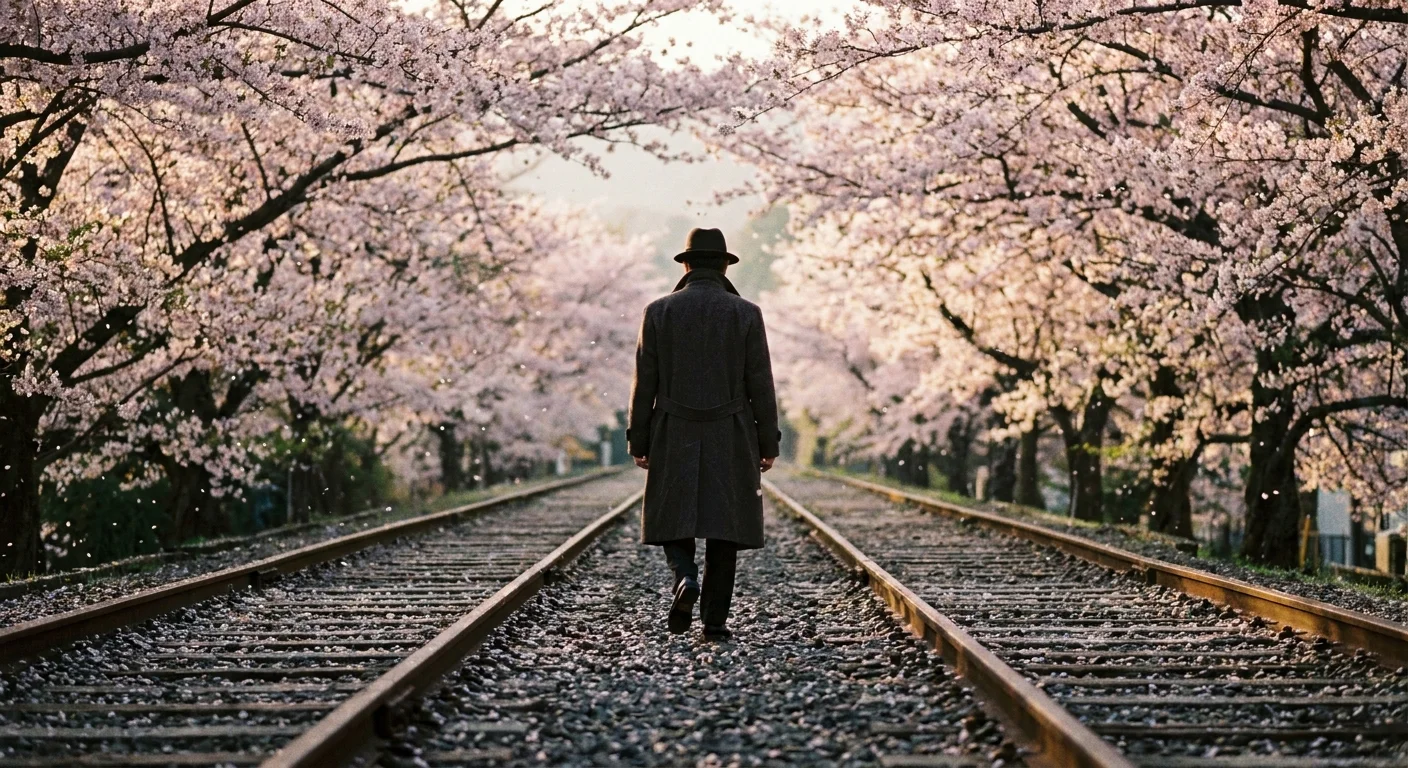
Table Of Contents
- Quick Answer
- Kyoto Spring 2027: At-a-Glance Planning Table
- The Six-Month Lock-in: Kyoto Ryokan Early Booking Strategy
- Zone-by-Zone: Where to Stay for the 2027 Sakura Peak
- Navigating the 2027 Kyoto Travel Congestion Forecast
- Transit Mechanics: Moving Beyond the Gridlock
- Weather Realities and The Spring Kyoto Packing List
- Mistakes First-Timers Make
- Related FAQs
- Closing
The allure of the Kyoto cherry blossom season is timeless, but the logistics of securing a traditional stay are increasingly cutthroat. For travelers planning a Kyoto Ryokan Spring getaway and a Kyoto cherry blossom itinerary for 2027, the most critical booking date isn’t in spring; it is in October 2026. This guide answers the most pressing question for visitors: how can you secure an authentic ryokan stay before popular properties sell out? We will break down the Six-Month Lock-In rule, the reality of 2027 visitor congestion, and the specific transit strategies you need to navigate the city when the cherry blossoms reach their peak. You’ll also discover practical booking tips to help you choose a traditional Japanese inn, compare locations, and enjoy Kyoto’s spring beauty with less travel stress.
Quick Answer
- The Booking Window: High-end Ryokans typically open reservations exactly 6 months out. For late March 2027, you must book in late September or October 2026.
- Peak Dates: Expect Mankai (full bloom) between March 28 and April 4, 2027.
- The Main Friction: Extreme pedestrian and bus congestion. Walking and subways are your primary tools for survival.
- Booking Note: Ryokan rates during Sakura peak can be 3x higher than standard winter rates. Expect to pay 50,000 to 120,000 JPY (approximately 330 to 800 USD) per night for premium locations.
Kyoto Spring 2027: At-a-Glance Planning Table
| Month | Avg. Temp (Day/Night) | Crowd Level | Best For |
|---|---|---|---|
| Early March | 13°C / 3°C | Moderate | Plum blossoms and early-bird Ryokan deals. |
| Late March | 16°C / 6°C | Extreme | Peak Sakura (Kaika to Mankai) and night illuminations. |
| Early April | 18°C / 8°C | Extreme | Sakura Blizzard (falling petals) and Philosopher’s Path. |
| Mid April | 20°C / 10°C | High | Late-blooming trees in Northern Kyoto (Kita-ku). |
The Six-Month Lock-in: Kyoto Ryokan Early Booking Strategy
October 2026 is the make-or-break month for a Kyoto ryokan early booking. Most traditional inns, particularly those in the Gion or Higashiyama districts, operate on a strict 180-day release schedule. If you attempt to book in January 2027 for an April stay, you will likely find only business hotels near the station or properties with significant transit drawbacks.
When to book a Kyoto ryokan for spring depends on the specific property’s reservation system. High-tier ryokans like Hiiragiya or Tawaraya often prioritize repeat guests (Okaeri) before opening remaining rooms to the public. For the general traveler, the window usually opens at midnight Japan Standard Time on the first day of the month, six months prior to arrival.
There is a distinct friction between direct and platform booking. Western sites like Expedia or Booking often lag behind direct ryokan websites by 24 to 48 hours. In the context of Sakura season, this is a fatal delay. By the time the inventory syncs to a global platform, the rooms are often already claimed by those booking directly on the ryokan’s proprietary engine or Japanese-language sites like Jalan or Rakuten Travel.
The deposit reality for 2027 is stringent. Because demand is guaranteed, many high-end stays require 100 percent pre-payment at the time of booking. Cancellation policies are equally rigid, often imposing a 30 percent penalty if cancelled 30 days out, escalating to 100 percent within seven days of arrival. Verify these terms locally before travel, as they are strictly enforced during the peak cherry blossom window.
Zone-by-Zone: Where to Stay for the 2027 Sakura Peak
Choosing a neighborhood in Kyoto determines whether you spend your trip walking through blossoms or sitting on a stationary bus.
Higashiyama (The Southern Temple Belt)
This area is the heart of the Higashiyama cherry blossom route. Staying here allows you to reach Kiyomizu-dera by its 6:00 AM opening. By 9:00 AM, the Sannenzaka and Ninenzaka slopes are impassable due to crowds. If you stay within Higashiyama, you can experience the stone-paved streets in the blue hour before the tour buses arrive from Osaka and Nagoya.
Arashiyama (The Western Outskirt)
Arashiyama is famous for the Togetsukyo Bridge and the Bamboo Grove. Staying here is a strategic move to beat the 15-minute JR Sagano Line rush from Kyoto Station. It also places you first in line for the Sagano Scenic Railway (Torokko), which requires tickets booked exactly one month in advance. Arashiyama becomes a bottleneck by noon, so an overnight stay is the only way to see the Tenryu-ji gardens in relative silence.
Gion and Kawaramachi
This is the primary hub for Kyoto cherry blossom evening illuminations. Staying near the Kamo River puts you within walking distance of the Shirakawa Canal and Pontocho Alley. This is the best area for those prioritizing Kaiseki Ryori (traditional multi-course meals) for dinner, as you can walk back to your ryokan without relying on the overtaxed taxi supply.
Kita-ku (The Northern Escape)
For those seeking a reprieve from the density, Kita-ku offers a different pace. Daitoku-ji is a massive temple complex that remains surprisingly quiet compared to Kinkaku-ji. This area is excellent for experiencing Shojin Ryori (Buddhist vegetarian cuisine) at Izusen. The cherry blossoms here, particularly the weeping varieties at Kamigamo Shrine, often bloom a few days later than those in the city center, making it a viable backup if you arrive late in the season.
Navigating the 2027 Kyoto Travel Congestion Forecast
The Kyoto travel congestion forecast for 2027 predicts record-high visitor numbers. To manage this, you must adopt the 6:00 AM rule. Arriving at Fushimi Inari or the Arashiyama Bamboo Grove by 6:30 AM is no longer a “pro-tip”: it is a requirement for anyone wishing to see the sites rather than the backs of other tourists. By 8:30 AM, these locations transition into a human conveyor belt.
When considering how to avoid crowds in Kyoto spring, look to the Keage Incline. While the Philosopher’s Path is the most famous walking route, it is narrow and becomes claustrophobic by mid-morning. The Keage Incline, an old inclined plane railroad lined with cherry trees, offers more physical space and better photography angles at sunrise.
Domestic travel patterns also influence the crowds. Tuesday through Thursday typically sees a slight dip in volume as day-trippers from neighboring prefectures are at work. Friday through Monday is the peak of the peak. If your itinerary allows, schedule your most popular sites (like Kinkaku-ji or Kiyomizu-dera) for a Wednesday morning.
Transit Mechanics: Moving Beyond the Gridlock
The most common mistake in Kyoto is the bus trap. The city’s bus network is extensive, but it shares the road with private cars and taxis. During Sakura season, a bus journey that usually takes 15 minutes can easily take 60 minutes. The Karasuma (North-South) and Tozai (East-West) subway lines are your primary tools for bypassing gridlock.
For payment, use an IC card like ICOCA or Suica. These can be added to Apple or Google Wallets for seamless “tap and go” entry. While many passes exist, the Kyoto Subway & Bus One-Day Pass (1,100 JPY) is often the only one that provides genuine value, provided you use the subway for the bulk of your distance and the bus only for the final mile.
Is the JR Pass worth it for Kyoto? Following the 2023 price hike, a 7-day National JR Pass now costs 50,000 JPY. A round-trip Shinkansen ticket from Tokyo to Kyoto is approximately 28,000 JPY. Unless you are traveling to three or more distant cities (such as Hiroshima, Kanazawa, and Tokyo) within a week, the JR Pass is no longer financially viable. Most travelers are better off buying individual Shinkansen tickets and using an IC card for local transit.
Luggage logistics are a major friction point. Kyoto City Buses have a “No Large Luggage” rule that is strictly enforced during peak seasons to leave room for passengers. If you are arriving from Kansai Airport (KIX) or Tokyo, use Takkyubin (luggage forwarding). For roughly 2,500 JPY per bag, your luggage will be delivered from your previous hotel or the airport directly to your Kyoto ryokan, allowing you to navigate the subways unencumbered.
Weather Realities and The Spring Kyoto Packing List
Kyoto in spring follows the Sankon-shito pattern: a cycle of three cold days followed by four warm days. Temperatures fluctuate between 13°C (55°F) and 18°C (64°F) during the day, but can drop to 3°C (37°F) at night. This variability makes a spring Kyoto packing list more complex than a summer one.
Temple etiquette dictates your footwear choices. You will be removing your shoes multiple times a day to enter temple halls and ryokan dining rooms. The best walking shoes for Kyoto temples are those that are broken in for 15,000 steps a day but can be slipped on and off without fumbling with laces. Bring thick, clean socks, as temple floors are made of cold wood or stone and you will be walking on them frequently.
Evening illuminations at temples like Kodai-ji or To-ji are a highlight of the season, but they require preparation for the evening chill. Standing in line for 45 minutes in 5°C weather requires layers. Uniqlo’s Heattech base layers are a local staple for a reason: they provide warmth without bulk, fitting easily under a standard trench coat or light wool jacket.
The Kyoto sakura season dates are never guaranteed, but the historical average for Kaika (first bloom) is March 24, with Mankai (full bloom) occurring roughly one week later. If your visit falls in early April, prepare for the “Sakura Blizzard” (Hana-fubuki), where petals fall like snow. This often coincides with spring rains, so a compact, sturdy umbrella is essential.
Mistakes First-Timers Make
The Osaka commute fallacy is the most frequent error. Travelers stay in Osaka to save 15,000 JPY on lodging, thinking the 30-minute Special Rapid train makes it an easy commute. However, by the time you reach Kyoto Station and transfer to a bus or local line, you have lost the 6:00 AM crowd-free window. The cost of the commute and the loss of early-morning access usually outweigh the hotel savings.
Bus over-reliance is another common pitfall. Taking the bus to Kiyomizu-dera at 10:00 AM results in sitting in traffic for 45 minutes for a distance you could have walked in 20. Always check the subway map first. If a site is within a 15-minute walk of a Tozai or Karasuma line station, take the train.
Geisha chasing in Gion is not only disrespectful but increasingly illegal. Private alleys in the Gion district have strictly enforced photography bans with fines of 10,000 JPY. Do not pursue Maiko or Geiko for photos. If you wish to see them, book a performance at Gion Corner or a private dinner through your ryokan.
Finally, the JR Pass waste. Many travelers buy a 7-day pass out of habit. Unless your 2027 itinerary includes a long-distance loop (e.g., Tokyo to Kyoto to Hiroshima to Kanazawa and back to Tokyo), it is almost certainly cheaper to buy individual tickets. Use a calculator like the JR Fare Calculator to verify your specific route before purchasing.
Related FAQs
While nature is unpredictable, historical data suggests Kaika (first bloom) around March 24 and Mankai (full bloom) around April 1. Plan your stay between March 27 and April 5 for the highest probability of seeing the peak.
A ryokan is an experience, not just a room. If you value the Kaiseki dinner, the communal bath (onsen or sento style), and the traditional tatami aesthetic, it is worth the premium. If you prefer to eat at different restaurants every night and want a gym or a desk, a high-end Western hotel like the Park Hyatt or Ritz-Carlton Kyoto may be more suitable.
It is colder than most expect. Daytime highs of 15°C feel pleasant in the sun, but the temperature drops sharply to 4°C or 5°C as soon as the sun sets. Layers are mandatory.
The only reliable method is the 6:30 AM rule. Visit the most famous sites (Arashiyama, Fushimi Inari, Kiyomizu-dera) before 8:00 AM. After that, retreat to lesser-known temples in Northern Kyoto or the Ohara district.
Yes. Kimono rental is a major industry in Kyoto and is welcomed by locals as a form of cultural appreciation, provided you wear it respectfully and follow the rules of the rental shop. It is a common way to experience the Higashiyama district.
Almost none. Following the 1995 sarin gas attacks and general waste management policies, public bins were removed. You are expected to carry your trash back to your hotel or ryokan. Carry a small plastic bag in your daypack for this purpose.
Closing
With your ryokan secured and your transit strategy set, the final step is monitoring the 2027 bloom forecasts, which begin releasing in January 2027. Your next action: mark October 1, 2026, on your calendar to initiate your booking sequence. Securing the right base in Kyoto is the difference between a trip spent in transit and a trip spent under the canopy.

The ephemeral beauty of Sakura, or cherry blossoms, transforms Kyoto into one of the world’s most competitive accommodation markets for roughly fourteen days each spring. For spring 2027, Kyoto’s cherry blossoms should reach peak bloom between late March and early April, although changing weather conditions may shift the exact dates. While the blossoms attract visitors […]
The “Quiet Kyoto” window between December and February offers a sensory contrast that makes winter travel in Japan truly memorable. Cold northern winds sweep through the ancient streets, while steam rises from hot springs and traditional Japanese baths. Although many travelers ask how they can explore Kyoto without the cherry blossom crowds, winter brings its […]
The allure of the Kyoto cherry blossom season is timeless, but the logistics of securing a traditional stay are increasingly cutthroat. For travelers planning a Kyoto Ryokan Spring getaway and a Kyoto cherry blossom itinerary for 2027, the most critical booking date isn’t in spring; it is in October 2026. This guide answers the most […]