
How to Plan a Zero-Stress Road Trip with Kids
Disclosure: To help support our website, some of the links below are affiliate links. This means that if you choose to make a purchase, we will earn a commission at no additional cost to you.

Table Of Contents
- Why Road Trips with Kids Feel Stressful (And How to Fix It)
- Pre-Trip Planning: The Calm Starts Before You Drive
- Packing for Peace, Not Just Convenience
- Designing Your "Car Zen" Environment
- Keeping Kids Busy (Without Screens All the Time)
- Preventing Sensory Overload
- How to Entertain a Child on a Long Car Ride
- Age Matters: What Parents Should Know
- On-the-Road Calm Strategies
- Common Mistakes Parents Make on Vacation
- Is It Worth It to Travel with Kids?
- The "Soft Landing": Transitioning Back to Normal
- Related FAQs
- Conclusion
A road trip with kids doesn’t have to mean chaos, constant stops, or exhaustion. With proper planning, a positive mindset, and routines, family road trips can become calm, memorable, and even relaxing. This guide breaks down exactly how to plan a zero-stress road trip with kids, covering preparation, entertainment, packing, and realistic expectations—without overplanning or pressure.
This cluster also supports our central pillar, the Relax Travel Guide, by focusing on family-friendly, calm travel strategies.
Why Road Trips with Kids Feel Stressful (And How to Fix It)
Parents often feel overwhelmed because:
- Kids have shorter attention spans
- Routines change suddenly
- Parents try to “control” the trip instead of designing it for flexibility
The solution isn’t perfection—it’s intentional planning with margin.
Research from the Family Travel Association shows that families who plan flexible itineraries experience 30–40% less travel-related stress than those who over-schedule.
Pre-Trip Planning: The Calm Starts Before You Drive
Set Expectations (For Kids AND Parents)
Before the trip:
- Explain how long the drive is (use landmarks, not hours)
- Share 2–3 exciting highlights
- Normalize boredom (“It’s okay to feel bored sometimes”)
This mirrors the intention-setting approach discussed in
Use the “Top 3 Rule” for Stops
Instead of planning every stop:
- Choose three meaningful stops per day, max
- Everything else stays optional
This prevents:
- Rushing
- Meltdowns
- Parent frustration
Packing for Peace, Not Just Convenience
What to Pack for a Road Trip with Kids
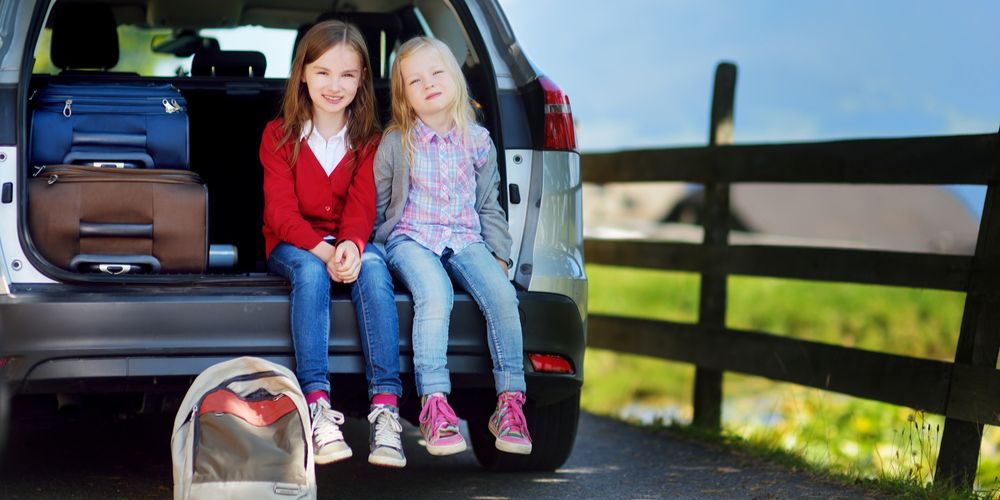
Focus on comfort + engagement, not excess:
Essentials:
- Snacks (protein + familiar favorites)
- Refillable water bottles
- Comfort items (blanket, pillow, toy)
- Wet wipes & hand sanitizer
- Change of clothes (easy access)
Calm extras:
- Audiobooks or kid podcasts
- Coloring kits or reusable sticker books
- Neck pillows for naps
Overpacking increases stress. Thoughtful packing reduces it.
Designing Your "Car Zen" Environment
A cluttered car leads to a cluttered mind. Organize your vehicle to minimize friction:
- The “Reach” Zones: Keep essentials (wipes, snacks, water) in a seatback organizer within the child’s reach to avoid “Mom/Dad, I need…” interruptions.
- The Designated Trash Spot: Use a leak-proof car bin. Visual clutter (wrappers, empty bottles) increases parental stress.
- Temperature & Light Control: Use sunshades for back windows. Overheating is a major cause of toddler meltdowns that parents often overlook.
Keeping Kids Busy (Without Screens All the Time)
How to Keep Kids Busy During Travel
Rotate activities every 30–60 minutes:
- Car games (I Spy, License Plate Game)
- Storytelling (each person adds a sentence)
- Audio stories or calm music
- Drawing or journaling (yes—even for kids)
This approach supports attention regulation, not constant stimulation.
Preventing Sensory Overload
Road trips provide a lot of visual and auditory stimulation. Sometimes, kids need a “Sensory Reset”:
- Audio Boundaries: Provide noise-canceling headphones so kids can enter their own quiet world.
- Visual Breaks: If the scenery is moving too fast, encourage a “blindfold game” or a nap to give their eyes a break from the constant motion.
- The “Quiet Bag”: A bag with tactile toys (fidgets, soft fabrics, playdough) that helps ground them when they feel restless.
How to Entertain a Child on a Long Car Ride
- Introduce new activities slowly
- Save “special toys” for mid-trip boredom
- Use surprise snacks or games as resets
Avoid relying only on screens—they often increase irritability later.
Age Matters: What Parents Should Know
What Is the Hardest Age to Travel with a Child?
Most parents report ages 2–4 as the most challenging due to:
- Limited communication
- Emotional regulation is still developing
- Nap disruptions
This doesn’t mean avoid travel—it means adjust expectations.
What Age Is the Best Time to Travel with Kids?
- 5–7 years: Curious, adaptable, and communicative
- 8–12 years: Best for learning, memory-making, and calm trips
Each age can be enjoyable with the proper structure.
At What Age Do Kids Enjoy Traveling?
Kids often start actively enjoying travel around age 4–5, when:
- They can anticipate experiences
- Participate in planning
- Express preferences
On-the-Road Calm Strategies
Build in “Boredom Breaks”
Not every moment needs entertainment.
- Let kids look out the window.
- Encourage quiet time
- Normalize stillness
⚡️ Traveling Alone? These Places Are Calm and Safe
Food & Mood Connection
Hungry kids = stressed parents.
- Offer small snacks regularly.
- Avoid sugar-heavy foods early in the drive
Hydration matters more than parents realize
Common Mistakes Parents Make on Vacation
- Overplanning every hour
- Driving too long without breaks
- Ignoring emotional fatigue
- Expecting kids to behave like adults
A calm road trip accepts imperfection as part of the journey.
Is It Worth It to Travel with Kids?
Yes—when approached correctly.
Family travel:
- Builds emotional bonds
- Teaches adaptability
- Creates lifelong memories
The goal isn’t a perfect trip—it’s a connected one.
The "Soft Landing": Transitioning Back to Normal
The stress of a road trip often peaks the day after you get home.
- The Buffer Day: If possible, return on a Saturday so Sunday is a “Nothing Day” at home to reset routines.
- Unpack Instantly (The 15-Minute Rule): Set a timer for 15 minutes to clear out the car. Removing the physical evidence of the journey helps the family transition back to a calm home environment.
Related FAQs
Most children begin actively enjoying travel around ages 4–5.
Use audiobooks, games, drawing kits, surprise activities, and structured quiet time.
Overplanning, skipping breaks, ignoring fatigue, and setting unrealistic expectations.
Snacks, water, comfort items, activity kits, wipes, and spare clothes are essential.
Yes. Traveling with kids builds emotional connection, flexibility, and shared family memories.
Rotate activities, limit screen dependency, and include interactive games, stories, and quiet time.
Many parents find ages 5–12 ideal, as children are curious, adaptable, and communicative.
Ages 2–4 are often the hardest due to emotional regulation and routine disruptions.
Kids can listen to audiobooks, play simple car games, draw, and journal, watch scenery, and enjoy music or podcasts designed for children.
Conclusion
A zero-stress road trip with kids isn’t about control—it’s about designing for calm. When parents plan with flexibility, intention, and empathy, family road trips become joyful, grounding experiences instead of stressful marathons.


As the first frost settles over the Danube, the “First Light” window for 2026 holiday planning officially opens. For travelers seeking the quintessential European Advent experience, finding the right Vienna Christmas Market Hotels is just as important as choosing which market to visit or where to enjoy the best Glühwein. Booking early helps you secure […]

The decision to escape the Northern Hemisphere winter for the high sun and high value of the South African summer is a strategic one. From January to March 2027, the city enters its golden window, offering consistent heat and a favorable exchange rate for international arrivals. However, the logistical reality of the city requires more […]

As the North American winter approaches, Costa Rica’s northwest enters a critical booking period known as the “Dry Season Inventory Lock.” For affluent travelers planning a Guanacaste 7-day itinerary, securing the right accommodation becomes a priority, as the region’s most exclusive boutique eco-lodges, many featuring fewer than 20 villas, can reach 80 percent occupancy for […]