
How to Stay Calm While Traveling
Disclosure: To help support our website, some of the links below are affiliate links. This means that if you choose to make a purchase, we will earn a commission at no additional cost to you.
Table Of Contents
- Start with a Calm Travel Mindset
- Create a Relaxing Travel Routine
- Stay Calm in Airports, Stations, and Busy Terminals
- Calmness During Flights, Trains, or Long Bus Rides
- How to Stay Calm During Delays or Uncertainty
- Stay Calm at Your Destination
- Calm Travel for Different Traveler Types
- Quick Techniques to Stay Calm Instantly
- Common Mistakes Travelers Make (And How to Avoid Them)
- Related FAQs
- When to Seek Deeper Support
Introduction: Why Staying Calm While Traveling Matters
Travel can be exciting, but it can also trigger anxiety, stress, exhaustion, and sensory overload. Whether you’re flying for the first time or taking regular trips, maintaining calmness directly affects the quality of your journey. Studies show that travelers who follow relaxation routines experience 35% less stress and report smoother, more enjoyable travel experiences.
This guide explains how to stay calm while traveling using practical routines, mindful habits, and simple strategies. These methods work for solo travelers, families, couples, and even nervous first-time travelers.
📌 For a deeper guide on stress-free travel, explore our Relax Travel Guide.
Start with a Calm Travel Mindset
Practice Micro-Mindfulness before Leaving
Instead of rushing, take two minutes to breathe deeply. Slow breathing lowers your heart rate and sends signals of calmness to your nervous system. Stand still, inhale for 4 seconds, hold for 2, and exhale for 6.
Visualize a Smooth Journey
Visualization reduces anxiety by preparing your brain for expected situations. Spend one minute imagining:
- A smooth check-in experience
- Friendly staff
- Quiet seating areas
- Arriving safely and peacefully
This primes your mind for calmness throughout the trip.
Avoid Consuming Stress Before Travel
Turn off negative news, work notifications, and stressful conversations. What you consume mentally influences your emotional state.
☀️ If you’re planning a journey by yourself, find the most tranquil spots in Traveling Alone? These Places Are Calm and Safe.
Create a Relaxing Travel Routine
Pack Early and Pack Light
A considerable percentage of travel stress comes from overpacking. Pack one day before leaving, use packing cubes, and carry only essentials. A lighter bag = a lighter mind.
Pro tip: Use the “5-category calm pack method”:
- Clothes
- Toiletries
- Tech
- Documents
- Comfort items (earplugs, eye mask, neck pillow)
Set a Calm Pre-Departure Schedule
Give yourself buffer time:
- Leave home 15–20 minutes early
- Drink water
- Listen to calm music
- Stay offline until you reach the airport or station
Use Travel Apps to Reduce Stress
Apps that support calm travel include:
- Headspace (meditation)
- Calm (relaxation music)
- TripIt (organized itinerary)
Flight Aware (live flight tracking)
Stay Calm in Airports, Stations, and Busy Terminals
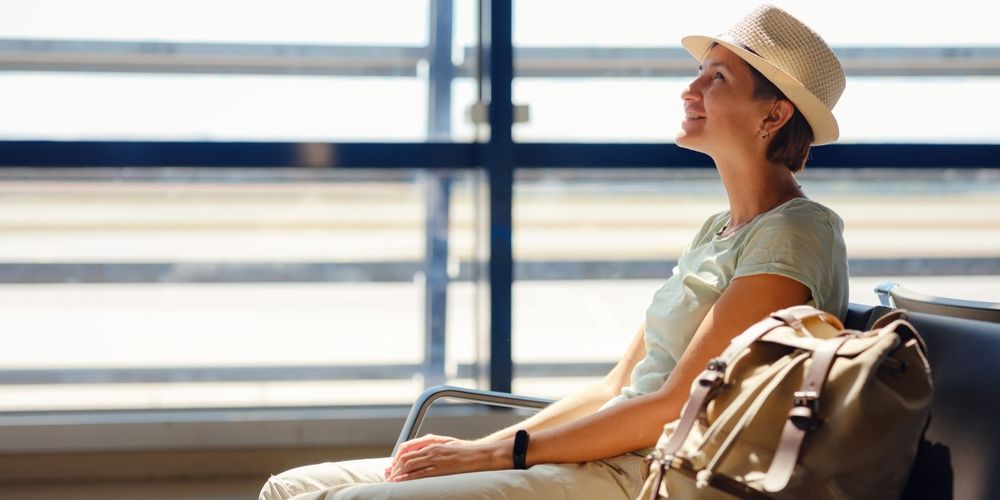
Choose the Calm Zone
Airports often have quieter areas:
- Near prayer rooms
- Premium lounges
- Empty gates
- Wellness zones
Sitting in calmer environments reduces sensory overload.
Use Noise-Canceling Earbuds
Noise and announcements trigger stress. Noise-canceling earbuds create a personal calm bubble — especially helpful for nervous travelers.
Carry a Comfort Kit
A mini comfort kit keeps anxiety low:
- Hydrating mist
- Peppermint gum
- Lip balm
- Stress ball
- Hydration sachets
- Soothing essential oil roll-on (lavender or chamomile)
Calmness During Flights, Trains, or Long Bus Rides
Choose the Right Seat
Your seat can determine your entire mood.
- Aisle seats = more freedom
- Window seats = peaceful views
- Front sections = less movement
Practice the 10-3-10 Relaxation Rule
This routine reduces anxiety during takeoff or long rides:
- 10 seconds of deep breathing
- 3 minutes of grounding
- 10 minutes of calming music or a podcast
Stay Hydrated and Eat Light
Dehydration increases irritability and anxiety. Drink water every hour and eat light meals.
Focused Help for Nervous Flyers
While the tips above are generally helpful, high anxiety requires targeted strategies.
- Inform the Cabin Crew: As soon as you board, politely let the flight attendant know you are an anxious or nervous flyer. They are trained to offer reassurance and may discreetly check on you, which often provides excellent comfort.
- Know the Safest Statistics: Challenge your fear with facts. Air travel is statistically one of the safest modes of transportation. Remind yourself that the sound of landing gear is typical, and turbulence—while uncomfortable—is simply shifting air currents that commercial planes are engineered to withstand.
- Choose the Anti–Turbulence Seat: If turbulence is your trigger, aim for a seat over the wing (typically the mid-section of the plane). This area is closest to the plane’s center of gravity and experiences the least movement.
- Use Visual Anchors: When anxiety spikes, avoid staring blankly. Instead, focus on a stable, minor point, such as the edge of the seat in front of you or the design on a curtain. This grounds your visual input in something safe and unchanging.
How to Stay Calm During Delays or Uncertainty
Accept What You Can’t Control
Delays are often unavoidable. Instead of focusing on the negative, switch to acceptance mode. Remind yourself:
“Delays are temporary. My calm is permanent.”
Use Delay Time for Micro-Relaxation
- Stretch your body
- Walk around quietly
- Listen to slow music
- Read something uplifting
Have a Backup Plan
Knowing you have alternatives automatically reduces stress. Store backup hotel details, routes, and emergency contacts in your phone.
🔥 To find destinations where your relationship can breathe in peace, visit Couple’s Escapes Where Silence Says Everything.
Stay Calm at Your Destination
Choose Stay Options That Support Calmness
Book accommodations with:
- Balcony or view
- Quiet surroundings
- Supportive amenities (spa, meditation area, gym)
Your room environment shapes your emotional experience.
Follow a Morning Grounding Routine
Even while traveling, do this quick grounding routine:
- Drink warm water
- Stretch for 3 minutes
- Write a short journal note
- Take five calm breaths
Don’t Rush the Itinerary
- Overplanned trips = stress.
- Flexible trips = freedom.
- Limit your daily plan to 3 crucial activities.
Calm Travel for Different Traveler Types
For Solo Travelers
Solo travel already supports calmness, but add:
- Evening reflection walks
- Journaling
- Low-noise cafés
For Couples
Calmness improves connection.
Do quiet activities together:
- Spa sessions
- Sunset watching
- Nature walks
For Families with Kids
Kids mirror your energy. Stay calm using:
- Snack packs
- Travel games
- Pre-trip expectations
Quick Techniques to Stay Calm Instantly
Use these during stressful moments:
- Box breathing (4–4–4–4 pattern)
- Grounding (name 5 things you see, 4 you hear, 3 you feel…)
- Hand warm-cold contrast (reduces anxiety fast)
- Slow walking for 90 seconds
Instant Reset: Hijacking Your Nervous System
Use these techniques during high-stress moments to rapidly interrupt the panic cycle and bring your focus back to the present.
- Box breathing (4–4–4–4 Pattern): Inhale for 4, hold for 4, exhale for 4, pause for 4. This rhythm is clinically proven to regulate the vagus nerve, which controls heart rate and digestion.
- The Cold Water Contrast: During a panic attack or intense anxiety, rapidly apply a cold object (a chilled can of soda, a bottle of water, or an ice pack) to the back of your neck or on your wrists. The sudden temperature change forces your nervous system to focus on the sensation rather than the anxiety.
- Grounding (The 5-4-3-2-1 Rule): This highly effective method forces you to anchor your mind in your physical surroundings:
- 5 things you see (e.g., the pattern on the seat, a cloud).
- 4 things you feel (e.g., the pressure of your feet on the floor, your shirt on your shoulder).
- 3 things you hear (e.g., the sound of the engine, the person breathing nearby).
- 2 things you smell (e.g., your hand lotion, coffee).
- 1 thing you taste (e.g., chewing gum, sour candy).
- Use a Sensory Shock (Sour/Mint): Carry strong mints or very sour candy. Putting one in your mouth during a high-anxiety moment provides an intense taste distraction that pulls the mind away from intrusive, racing thoughts.
Common Mistakes Travelers Make (And How to Avoid Them)
- Rushing everything
- Checking work emails
- Overplanning the trip
- Ignoring hydration
- Skipping meals
- Carrying too many bags
- Ignoring sleep
Avoiding these instantly keeps your mood calm.
Related FAQs
Choose the right seat, practice breathing exercises, stay hydrated, and keep engaging but relaxing content on your device.
Yes. Even 2–3 minutes of mindfulness lowers heart rate and reduces anxiety.
They follow routines, stay organized, pick peaceful destinations, and avoid overplanning.
Step into a quiet area, hydrate, stretch lightly, and give yourself five minutes to decompress.
Use slow breathing, grounding, and calm music. Avoid caffeine and focus on your senses to stabilize your mind.
When to Seek Deeper Support
While these tips help manage general travel stress, it is essential to recognize when anxiety requires professional intervention. Travel should be enjoyable, and if your anxiety is consistently preventing you from traveling or causing extreme distress, consider these resources:
- Consult Your Doctor: If you find yourself consistently relying on alcohol, or if you experience severe physical symptoms (e.g., chronic nausea, dizziness, and insomnia) before or during trips, consult your general practitioner. They may recommend short-term, mild anti-anxiety medication for the duration of your flight.
- Cognitive Behavioral Therapy (CBT): CBT is highly effective in managing travel-related phobias (like the fear of flying). A therapist can provide you with proven, personalized tools to challenge the root causes of your anxious thoughts.
- Specialized Courses: Many airlines and independent groups offer Fear of Flying courses that combine education on aircraft operation with psychological support in a controlled, safe group setting.

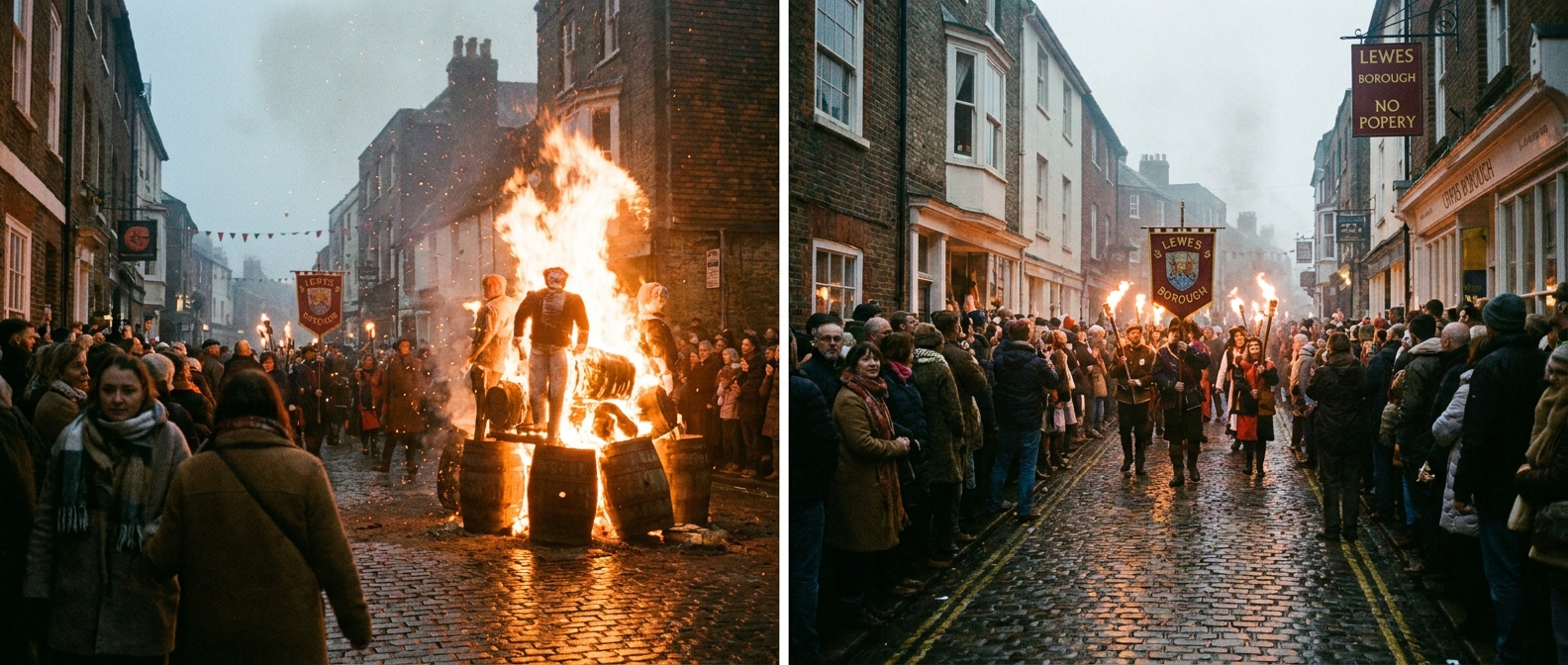
As the sun sets over the Sussex Downs or the London skyline this November, the temperature will drop sharply, but the heat from towering pyres and flaming torches will be intense. The single question every traveler asks is: how do I stay warm enough to stand on a damp pavement for six hours without melting […]
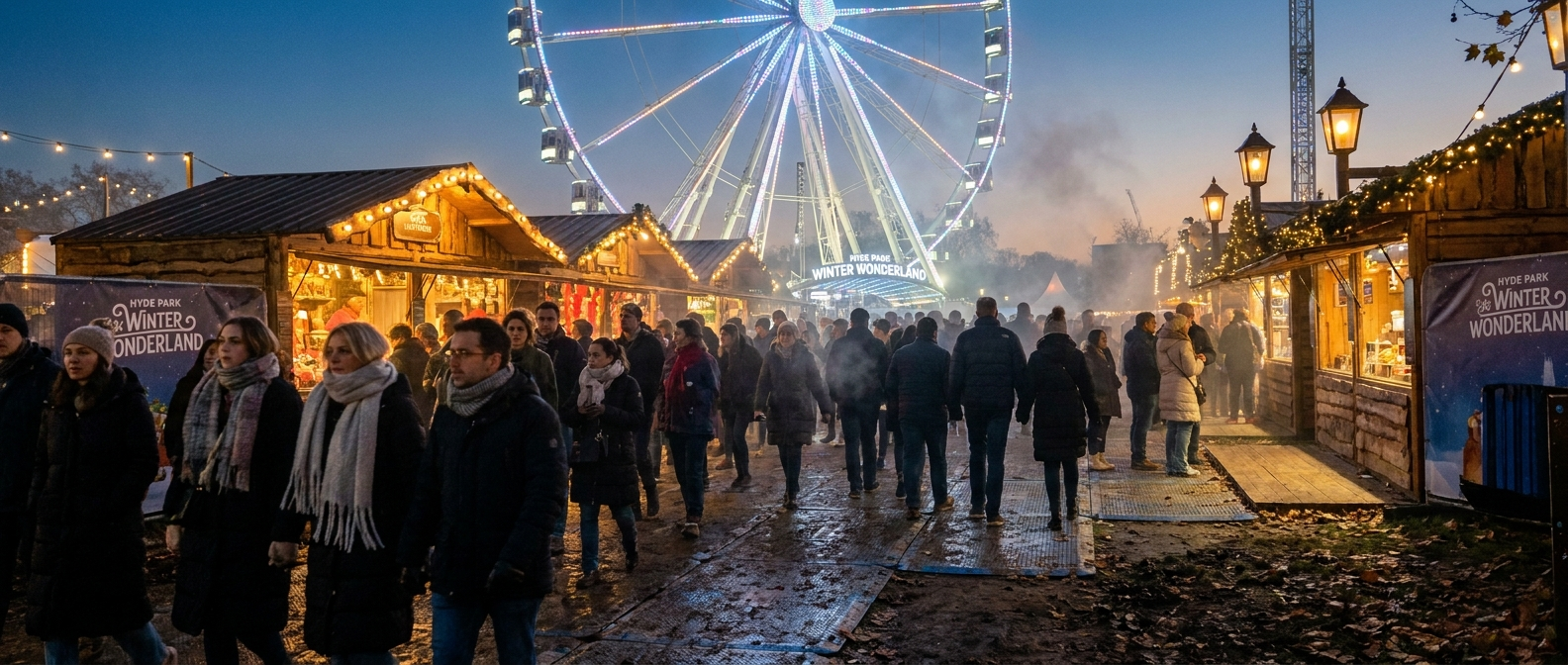
Hyde Park’s festive transformation creates one of London’s most anticipated seasonal experiences, but understanding Winter Wonderland Tickets 2026 can mean the difference between a smooth evening and unnecessary gate delays. Whether you are looking for free-entry options or planning to book tickets for specific attractions, you need to understand the ticketing system before popular dates […]
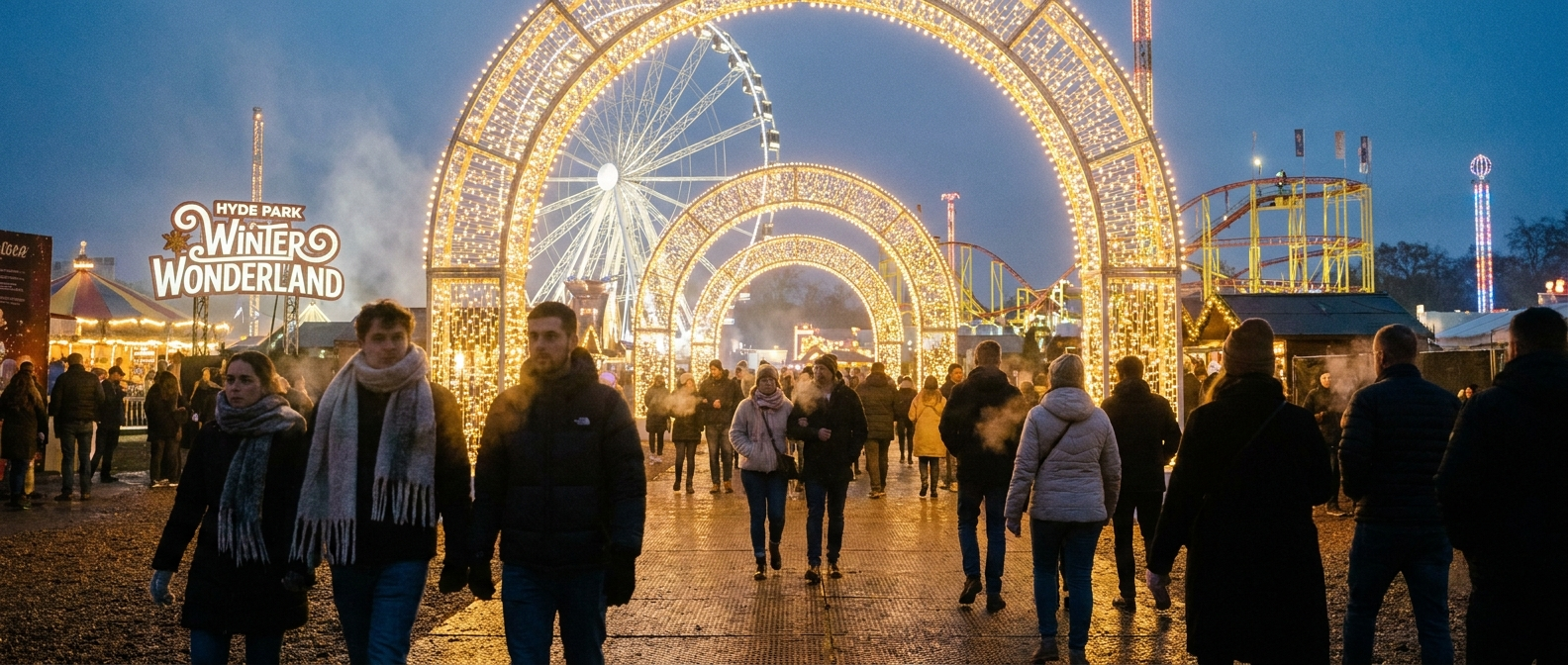
The 2026 season at Hyde Park Winter Wonderland 2026 brings a highly structured approach to entry, attractions, and visitor planning. For many visitors, the main question is no longer simply when to go, but how to plan the day efficiently while managing entry costs, queues, and peak-time crowds. With a wide range of festive attractions, […]