
Guy Fawkes Night Outfit Ideas – What to Wear November
Disclosure: To help support our website, some of the links below are affiliate links. This means that if you choose to make a purchase, we will earn a commission at no additional cost to you.
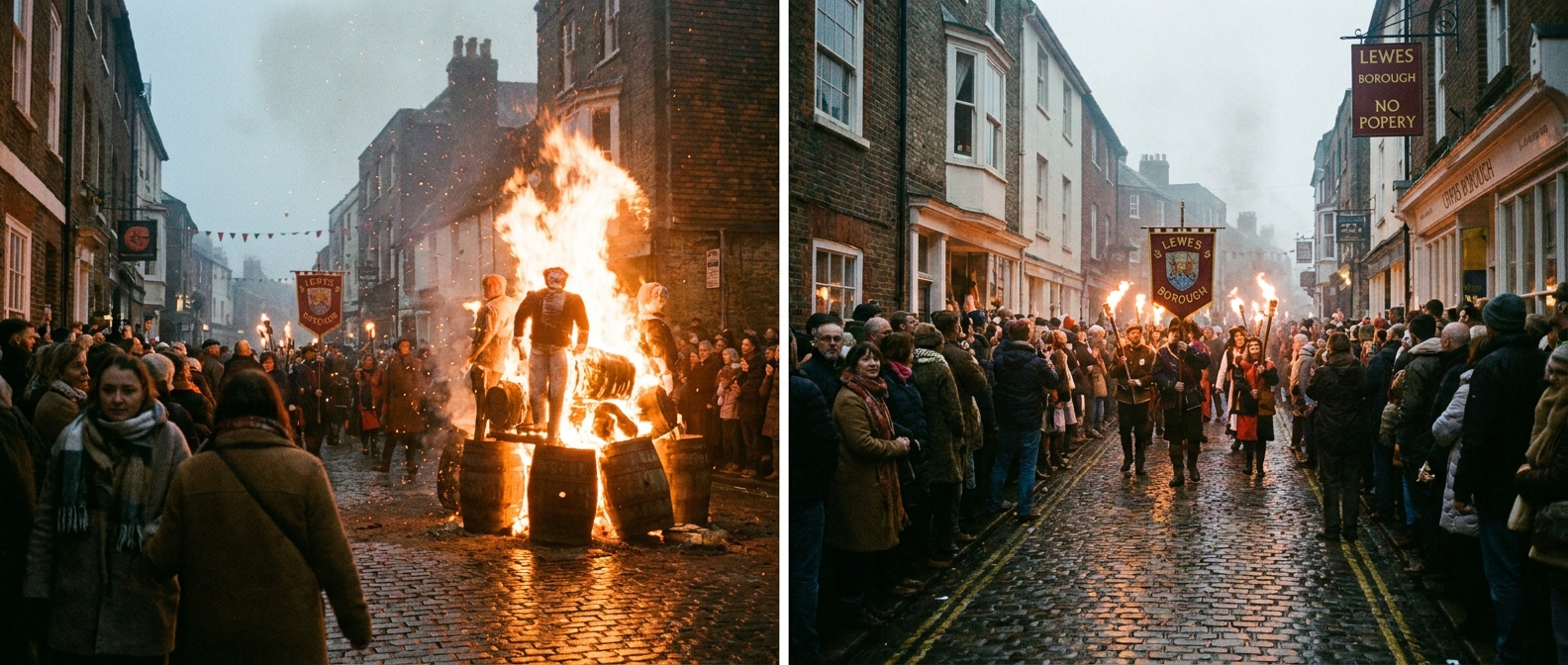
Table Of Contents
- Quick Answer
- The "Ember-Proof" Wardrobe: UK November Travel Packing
- Regional Logistics: Lewes, London, and Beyond
- Complete Guy Fawkes Night Outfit Budget Breakdown
- Complete Outfit By Budget Level
- Complete Trip Cost Breakdown
- Complete Outfit Combinations - 5 Ready-To-Wear Examples
- Timing, Crowds, and the "Crush" Strategy
- Traditional Sustenance: What to Eat and Drink
- Mistakes First-Timers Make
- Related FAQs
- Closing
As the sun sets over the Sussex Downs or the London skyline this November, the temperature will drop sharply, but the heat from towering pyres and flaming torches will be intense. The single question every traveler asks is: how do I stay warm enough to stand on a damp pavement for six hours without melting my favorite coat? This guide provides the ultimate Guy Fawkes Night outfit ideas and logistical strategy, ensuring you survive the “mizzle” and the embers while navigating the UK’s most chaotic autumn tradition. We will cover everything from the “Ember-Proof” wardrobe to the specific transit lockdowns in Lewes and the ticketed gates of London.
The British tradition of Bonfire Night, or Guy Fawkes Night, is not a standard fireworks display. In towns like Lewes or Battle, it is a visceral, sensory experience involving thousands of flaming torches, black powder explosions, and massive crowds packed into medieval streets. In London, organizers stage a high-production spectacle in exposed parks, where biting winds can make the night feel even colder. Navigating these events requires a balance of thermal efficiency and material safety. If you wear the wrong gear, you risk either shivering for hours or, worse, sustaining damage to your clothing from stray sparks.
Quick Answer
- The Best Window: November 5th is the traditional date, but if it falls on a Sunday, many events, especially in Sussex, move to Saturday the 4th.
- Expected Conditions: Damp and cold. Expect 2°C to 6°C (35°F to 43°F) at night with 80% or higher humidity and frequent mist.
- The Main Friction: Floating embers and “bangers” (firecrackers). Do not wear expensive synthetic puffer jackets: they will melt.
- Booking Note: Major London displays like Ally Pally or Battersea require tickets 4 to 6 weeks in advance. Lewes is free for street processions but requires local tickets for the fire sites.
| Event Location | Typical Night Temp | Crowd Level | Best For |
|---|---|---|---|
| Lewes, East Sussex | 3°C – 5°C | Extreme | Historic processions and intense atmosphere |
| Alexandra Palace, London | 2°C – 4°C | High | Panoramic city views and festival vibes |
| Ottery St Mary, Devon | 4°C – 6°C | High (Physical) | High-adrenaline flaming barrel running |
| Battle, East Sussex | 3°C – 5°C | Moderate | Traditional, community-focused torchlight |
| Edenbridge, Kent | 4°C – 6°C | Moderate | Quirky celebrity effigies and easier navigation |
The "Ember-Proof" Wardrobe: UK November Travel Packing
Standing near a 30-foot bonfire or a procession of 3,000 torches requires a specific approach to UK November travel packing. The primary danger is not just the cold: it is the “ember hazard” where hot ash can ruin modern technical gear.
The Natural Fiber Rule
Avoid high-end synthetic puffer jackets, such as those made of thin nylon or polyester, as your outer layer. Floating embers from torches and bonfires will melt tiny holes in these materials instantly. Instead, opt for natural fibers like heavy wool coats, thick denim, or waxed cotton. A classic waxed cotton jacket, such as those made by Barbour, is a staple for a reason: the material is naturally flame-retardant and will not disintegrate if a spark lands on you. Heavy wool overcoats or pea coats are also excellent choices, providing both warmth and safety. If you must wear a synthetic layer for warmth, ensure it is worn as a mid-layer underneath a protective natural-fiber shell.
Layering for the “Standing Chill”
The “standing chill” occurs when you remain stationary on cold pavement for four to five hours. To combat this, you need the best thermal base layers for UK winter, specifically Merino wool or high-performance synthetics that wick moisture. This prevents “sweat-chill” during the walk to the site from turning into a deep freeze once you stop moving. A common mistake is wearing a single heavy coat over a T-shirt. Instead, use a three-layer system: a Merino base layer, a heavy wool sweater or fleece mid-layer, and your ember-resistant outer shell. This traps air between the layers, providing much better insulation than a single thick garment. Remember that humidity in the UK often exceeds 80% in November, which makes the air feel much colder than the thermometer suggests.
Footwear for Mud and Cobbles
Whether you are on the steep medieval hills of Lewes or the muddy fields of Alexandra Palace, footwear is critical. Wear sturdy, waterproof leather boots with thick soles to insulate your feet from the freezing ground. The cold often travels from the pavement through the soles of your shoes, so a thicker lug sole is preferable to a thin fashion boot. Avoid canvas sneakers or suede, which will be ruined by the “mizzle” (a combination of mist and drizzle) and the inevitable mud of a British field. If you are attending the Ottery St Mary tar barrels, footwear with excellent grip is mandatory, as you will need to move quickly on potentially slick or uneven surfaces.
Regional Logistics: Lewes, London, and Beyond
Navigating the geography of Bonfire Night is as much about transit as it is about the event itself. Each zone has a distinct atmosphere and specific entry requirements that can frustrate the unprepared traveler.
The Lewes Lockdown and Sussex Coast
Known as the “Bonfire Capital” of the world, Lewes features six different bonfire societies marching through narrow streets with flaming crosses and effigies. However, the “Lewes Lockdown” is a major hurdle for visitors. To discourage overcrowding, Southern Rail typically closes Lewes, Glynde, and Falmer stations from 5:00 PM on November 5th. Trains will not stop at these stations, and no tickets will be sold for travel to them.
To learn how to get to Lewes from Brighton during this period, you must use the Brighton & Hove Buses “Bonfire” shuttles, which run from the Old Steine and other designated points. These buses are frequent but will be very crowded. Alternatively, you must arrive in Lewes before 3:00 PM and plan to stay until the early hours of the morning. Walking from Brighton to Lewes is not recommended as the A27 is a high-speed road and the pedestrian paths are unlit and often muddy. The Lewes Bonfire Night guide for smart travelers always suggests booking a taxi months in advance or securing a local Brighton-based shuttle ticket.
London’s Ticketed Displays
If you are looking for London Bonfire Night tickets, you must act early. Events like Alexandra Palace, known locally as “Ally Pally,” and Battersea Park are strictly pre-booked and sell out weeks in advance. Ally Pally is a hilltop site, meaning the wind chill is significantly higher than at street level. While the views of the London skyline are unobstructed, the exposure to the wind requires an extra layer, such as a windproof scarf and thermal hat.
To reach these sites, use the Piccadilly Line to Wood Green for Alexandra Palace, followed by a shuttle bus or a steep walk uphill. For Battersea, the Northern Line extension to Battersea Power Station is the most direct route. Unlike the Sussex events, London displays are more contained and follow a strict timetable, making them better for families or those who prefer a structured evening. Are London Bonfire Night displays free? Generally, no. While some smaller local parks may have free entry, all the major, high-quality displays now require a paid ticket, usually ranging from £10 to £18.
Ottery St Mary and the Tar Barrels
This is the most physically demanding event in the UK autumn calendar. In this Devon town, locals run through the streets with flaming, tar-soaked barrels on their backs. This is not a “stand and watch” event: you must be prepared to move quickly when the barrel-runners approach. The Ottery St Mary tar barrels experience requires high-grip boots and a lack of claustrophobia. Road closures here are absolute by 3:00 PM, and the town becomes a pedestrian-only zone. If you are driving, you must use the designated park-and-ride sites, as parking within the town is non-existent on the night. Wear clothes you do not mind getting slightly dirty, as the smell of tar and smoke will permeate everything.
Complete Guy Fawkes Night Outfit Budget Breakdown
Planning your outfit requires understanding the full cost of getting properly equipped for the event.
Outfit Costs – Individual Items
Base layers (Merino wool)
- Quality Merino base layer top: £35-60
- Quality Merino base layer leggings: £40-70
- Total base layers: £75-130
Mid-layer (Wool sweater)
- Heavy wool sweater or fleece: £40-80
- Budget alternative (Primark/M&S): £20-35
- Quality wool (Aran/cable knit): £60-100
Outer layer (Natural fiber)
- Waxed cotton jacket (Barbour-style): £150-300
- Heavy wool coat: £80-150
- Wool overcoat or pea coat: £100-200
- Budget alternative (denim jacket): £30-50
Footwear (Waterproof boots)
- Quality leather hiking boots: £100-180
- Budget waterproof boots: £50-80
- Expensive hiking boots: £150-250
Accessories
- Windproof hat/beanie: £15-40
- Waterproof gloves: £15-30
- Thermal scarf: £20-40
- Thermal socks (3 pairs): £25-45
- Hand warmers (chemical): £3-8
- Total accessories: £78-163
Complete Outfit By Budget Level
BUDGET OUTFIT (Under £200 total)
- Base layers (budget Merino): £40-60
- Mid-layer (Primark sweater): £20
- Outer layer (denim jacket or budget wool): £30-50
- Boots (budget waterproof): £50-80
- Accessories (basic): £30-50
- TOTAL: £170-260
MID-RANGE OUTFIT (£300-500)
- Base layers (quality Merino): £75-130
- Mid-layer (good wool sweater): £60-80
- Outer layer (wool coat): £100-150
- Boots (quality hiking boots): £100-150
- Accessories (quality): £60-100
- TOTAL: £395-610
PREMIUM OUTFIT (£600+)
- Base layers (premium Merino): £100-150
- Mid-layer (Aran/cable knit): £80-120
- Outer layer (Barbour waxed cotton): £250-350
- Boots (premium hiking boots): £180-250
- Accessories (quality thermal): £100-150
- TOTAL: £710-1,020
Complete Trip Cost Breakdown
LEWES (2-night trip)
- Outfit (mid-range): £400-600
- Accommodation (hotel): £80-150/night = £160-300
- Transport (train/bus shuttles): £50-80
- Food/drink: £50-80/day = £100-160
- Charity donations: £20-30
- TOTAL: £730-1,250 per person
LONDON (Same-day visit)
- Outfit (mid-range): £400-600
- Transport (Tube/ticket): £15-25
- Event ticket: £15-20
- Food/drink: £40-60
- TOTAL: £470-705 per person
OTTERY ST MARY (Day trip)
- Outfit (mid-range): £400-600
- Transport (train to Exeter + bus): £30-50
- Free entry to event: £0
- Food/drink: £30-50
- TOTAL: £460-700 per person
Outfit Item Prioritization (If Budget Limited)
Must-have (non-negotiable):
- Base layers (thermal): £50-100
- Outer layer (natural fiber): £80-150
- Waterproof boots: £50-100
- Hat/gloves: £30-50
Nice-to-have:
- Premium wool sweater: £60-100
- Quality accessories: £50-80
Can skip:
- Expensive Barbour jacket (budget wool coat works)
- Premium hiking boots (budget waterproof OK)
- Multiple pairs of thermal socks (1-2 pairs fine)
Shopping Guide – Where To Buy Outfit Items
Budget (£100-300):
- Primark (base layers, sweaters, accessories)
- Marks & Spencer (boots, sweaters, base layers)
- Sports Direct (thermal wear, boots)
- ASOS (affordable outerwear, boots)
Mid-range (£300-600):
- John Lewis (quality Merino, sweaters, boots)
- Regent Street shops (various mid-range brands)
- Outdoor retailers (hiking boots, technical layers)
- Selfridges sale section
Premium (£600+):
- Barbour (waxed cotton jackets)
- Harrods (luxury knitwear)
- Liberty London (designer outerwear)
- Standalone outdoor shops (high-end boots)
Cost-Saving Tips
✅ Save £50-100:
- Use an existing heavy sweater instead of buying a new one
- Borrow quality boots from a friend
- Buy gloves/hat from budget retailers
- Reuse thermal layers from winter sports
✅ Save £100-200:
- Skip premium brand jacket (budget wool coat works)
- Use existing waterproof jacket (non-synthetic) if available
- Buy outlet/sale items (John Lewis sale, end-of-season)
- Share accommodation with friends (reduce per-person cost)
✅ Save £300+:
- Day trip instead of overnight (no hotel cost)
- Don’t buy new if you have ANY suitable items
- Borrow outfit pieces from friends
- Thrift shops for vintage wool coats (£20-40)
Complete Outfit Combinations - 5 Ready-To-Wear Examples
Here are 5 complete outfit combinations for different events and budgets.
Outfit #1: Lewes Traditional (Mid-RANGE, £400-500)
- For: Lewes processions (6+ hours standing)
- Temperature: 3-5°C (37-41°F)
- Budget: £400-500
Complete outfit:
- Base layer: Merino wool long-sleeve (£50)
- Base layer: Merino wool leggings (£60)
- Mid-layer: Heavy wool sweater, cable-knit (£70)
- Outer layer: Wool overcoat, dark navy (£150)
- Footwear: Waterproof leather hiking boots (£120)
- Hat: Wool beanie, windproof (£20)
- Gloves: Waterproof insulated (£25)
- Scarf: Thermal wool (£30)
- Socks: Thick wool, 3 pairs (£30)
- Total: £555
Where to buy:
- Merino: Aldi (seasonal), John Lewis
- Sweater: M&S, John Lewis
- Coat: Marks & Spencer, Debenhams sale
- Boots: Sports Direct, Go Outdoors
- Accessories: Accessorize, John Lewis
Why this works:
- Wool coat withstands sparks
- Layering prevents “standing chill”
- Proper boots for cobblestones
- All natural fibers (ember-safe)
Outfit #2: London Hilltop (Ally Pally) – Premium, £700-900
- For: Alexandra Palace (windy hilltop, 3-4 hours standing)
- Temperature: 2-4°C (36-39°F) + wind chill
- Budget: £700-900
Complete outfit:
- Base layer: Premium Merino top (£80)
- Base layer: Premium Merino leggings (£90)
- Mid-layer: Aran cable-knit sweater (£100)
- Outer layer: Waxed cotton Barbour jacket (£250)
- Footwear: Premium hiking boots (£180)
- Hat: Merino wool thermal beanie (£35)
- Gloves: Touchscreen-compatible thermal (£40)
- Scarf: Windproof neck gaiter (£35)
- Hand warmers: Chemical packs (£8)
- Socks: Merino wool, 3 pairs (£45)
- Total: £863
Where to buy:
- Barbour: Barbour stores, John Lewis
- Premium Merino: Smartwool (online), outdoor shops
- Sweater: Liberty London, Harrods
- Boots: Go Outdoors, Cotswold Outdoor
- Accessories: John Lewis, outdoor retailers
Why this works:
- Barbour resists wind + sparks
- Premium thermal for windy hilltop
- Waterproof boots for muddy fields
- All ember-safe materials
Outfit #3: Ottery Budget Thrills (Tar BARRELS – Under £250)
- For: Ottery St Mary tar barrels (active, intense, 2-3 hours moving)
- Temperature: 4-6°C (39-43°F)
- Budget: Under £250 (clothes you don’t mind getting dirty)
Complete outfit:
- Base layer: Budget Merino (Primark/M&S): £30
- Mid-layer: Old thick sweater (own): £0
- Outer layer: Budget denim or wool jacket (charity shop): £15-25
- Footwear: Sturdy old boots (own or budget): £40-60
- Hat: Wool beanie (own or budget): £10
- Gloves: Budget leather (Primark): £8
- Scarf: Old heavy scarf (own): £0
- Socks: Wool blend, 2 pairs (own + budget): £15
- Total: £118-160
Where to buy:
- Base layer: Primark, Sports Direct
- Outer layer: Charity shops, Vinted, Depop
- Footwear: Sports Direct, Payless
- Accessories: Primark, Superdrug
Why this works:
- Budget-appropriate (you’ll get dirty)
- Still natural fibers (leather, wool)
- You don’t mind tar/smoke damage
- Active event = need mobility over warmth
Outfit #4: Battle Family Friendly (Moderate, £300-400)
- For: Battle Abbey torchlight (families, 4-5 hours, gentler)
- Temperature: 3-5°C (37-41°F)
- Budget: £300-400
Complete outfit:
- Base layer: Mid-range Merino (£40)
- Base layer: Merino leggings (£50)
- Mid-layer: Wool sweater from high street (£45)
- Outer layer: Wool coat (M&S/Next): £80-120
- Footwear: Waterproof boots (M&S): £70-90
- Hat: Wool hat (Accessorize): £15
- Gloves: Thermal gloves (John Lewis): £20
- Scarf: Wool scarf (budget): £15
- Socks: Thermal wool, 2 pairs (£20)
- Total: £355-425
Where to buy:
- Most items: John Lewis, M&S, Next
- Boots: Clarks, Dune
- Budget-friendly for mid-range
Why this works:
- Balanced comfort/cost
- Ember-safe (natural fibers)
- Family-appropriate (not too intense)
- Good for 4-5 hours of standing
Outfit #5: Student Budget Hack (Under £150, Reusing Items)
- For: Any event (if you have existing winter items)
- Temperature: Any
- Budget: Under £150 (shopping only for gaps)
What to reuse:
- Heavy winter coat (own): £0
- Winter sweater (own): £0
- Wool scarf (own): £0
- Old jeans/leggings (own): £0
What to buy to fill gaps:
- Merino base layer (budget): £30
- Waterproof gloves (budget): £15
- Thermal socks (2 pairs): £20
- Beanie hat (budget): £12
- Insoles for boots (to insulate feet): £8
- Hand warmers (chemical): £5
- Total: £90
Where to buy:
- Primark (base layer, gloves)
- Sports Direct (everything)
- Poundland (hand warmers, hat)
- ASOS (budget Merino)
Why this works:
- Minimal spend
- Reuse what you have
- Fill critical gaps only
- Still effective if existing coat is wool/natural fiber
Timing, Crowds, and the "Crush" Strategy
Success on Bonfire Night depends on your arrival time and your ability to handle dense crowds. British crowds are generally polite, but the sheer volume of people in narrow spaces can be overwhelming.
The 2:00 PM Arrival Rule
To secure a viewing spot in Lewes or Ottery, you should arrive by 2:00 PM. Processions typically begin around 5:30 PM, with the “Grand Processions” occurring at 8:00 PM and the fires lit at 9:30 PM. Arriving late often means being stuck behind road closures or being unable to reach the town center. Sunset in the UK during early November is around 4:30 PM, meaning most of the event occurs in total darkness. Arriving early allows you to scout the geography of the town, locate the public toilets, and identify your exit routes before the streets become impassable.
Procession Etiquette and Safety
Never cross the “procession line,” which is the gap between the crowd and the torchbearers. The torches are often made of hessian soaked in paraffin and drop hot wax and embers. Do not pick up discarded torches: they remain hot enough to cause third-degree burns for several minutes after the flame is extinguished. In Lewes, it is best to pick one society and stay in their designated zone. Moving between “fire sites” (the fields where the actual bonfires are located) once the processions start is nearly impossible due to the crowd density. Pickpockets often target “crush” moments when the crowd is moving slowly through narrow gaps, so wear a crossbody bag under your coat rather than a backpack.
Traditional Sustenance: What to Eat and Drink
Food is a central part of the ritual, providing the sugar and heat necessary to endure the long night. Street food in the UK has improved significantly, but Bonfire Night remains a time for traditional, heavy fare.
Regional Specialties: Parkin and Toffee
Look for Bonfire Night traditional food like Parkin Cake. This is a Northern English ginger cake made with oatmeal and black treacle, giving it a dense, sticky texture that is perfect for cold nights. You will also find Lewes Bonfire Toffee, which is a hard, dark treacle ginger toffee. These items are designed to be high-energy and warming. In Ottery St Mary and other West Country events, the go-to is a hot pork bap with heavy apple sauce and stuffing, served from local street stalls. These are usually the fastest way to get hot food without waiting in a long restaurant queue.
The Beverage Queue Strategy
Queues for mulled wine, cider, or hot chocolate can exceed 40 minutes at peak times. To avoid this, carry an insulated travel mug to keep your own hot drinks warm throughout the evening. Note that while London is largely cashless, rural Sussex and Devon stalls often suffer from failing 4G and 5G networks due to the high density of people using the same cell towers. Always carry physical cash in small denominations for food, drink, and the charity collections. Bonfire societies are registered charities, and “collectors” in costume will expect coins or small notes in their buckets.
Mistakes First-Timers Make
1. The Puffer Jacket Pitfall: Wearing an expensive nylon down jacket.
- The Consequence: You will leave the event with permanent melt holes from floating embers.
- The Fix: Wear a wool or waxed cotton outer layer that can withstand sparks.
2. The Lewes Train Myth: Assuming you can take a train to Lewes on the night of the 5th.
- The Consequence: You will be stranded in Brighton or at a closed station like Falmer.
- The Fix: Use the dedicated bus shuttles or arrive in town before 3:00 PM.
3. The Last Train Gamble: Assuming the last scheduled train will wait for the fireworks to end.
- The Consequence: Trains are often cancelled or diverted for “safety protocols” due to overcrowding.
- The Fix: Have a backup plan, such as a pre-booked local stay, and leave the site 30 minutes before the finale.
4. The “Cute” Outfit Choice: Prioritizing fashion over function with light scarves and trench coats.
- The Consequence: Shivering for four hours and smelling like woodsmoke for a week.
- The Fix: Embrace the “British Countryside” aesthetic with heavy knits and thermal layers.
Related FAQs
The best outfit consists of natural fibers to prevent melting from embers. Wear a base layer of Merino wool, a thick sweater, and an outer layer of wool or waxed cotton. Pair this with waterproof leather boots and warm accessories like a hat and gloves. Avoid any thin synthetic materials like nylon or polyester.
Temperatures typically range between 2°C and 6°C (35°F to 43°F). However, the high humidity often makes it feel much colder. Expect damp conditions, mist, or drizzle, which can make standing still for long periods very uncomfortable without proper insulation.
Yes, almost all major London displays, including Battersea Park and Alexandra Palace, are now ticket-only. These tickets do not usually sell at the gate and must be purchased online several weeks in advance. Smaller local displays may be free, but they lack the scale of the major events.
Traditional foods include Parkin (a ginger and treacle cake), bonfire toffee, jacket potatoes wrapped in foil, and hot sausages or pork baps. These foods are designed to be eaten by hand and provide quick energy and warmth.
Because the train station closes at 5:00 PM, the best way to get to Lewes is via the special bus shuttles from Brighton or by arriving before 3:00 PM via train. Driving is not recommended as almost all roads into the town are closed to non-residents from early afternoon.
This is a tradition where locals run through the streets carrying flaming barrels of tar. It is a high-adrenaline event that requires spectators to be very alert. It is much more physically intense than a standard fireworks display and requires sturdy footwear and quick reflexes.
Yes, but layer it over your thermal outfit, not instead of it. Costumes add warmth but don’t replace thermal layers. Use cotton/wool costumes only—synthetic costumes melt from embers. Keep your costume loose enough to move quickly if needed.
Soak in cold water for 24 hours before washing. Woodsmoke smell lingers for weeks—use strong detergent + fabric softener. Dry-clean expensive items instead of washing. Waxed cotton jackets: wipe with a damp cloth, air dry away from heat.
Closing
With your ember-proof layers packed and your transit strategy set, you are ready to experience the UK’s most visceral autumn tradition. Your next step is to check the official Cliffe Bonfire Society or Alexandra Palace websites to confirm this year’s specific start times and ticket availability. Remember that these events are community-run and rely on donations, so keep your small change ready for the charity buckets as you navigate the smoke and fire of a British November.

As the sun sets over the Sussex Downs or the London skyline this November, the temperature will drop sharply, but the heat from towering pyres and flaming torches will be intense. The single question every traveler asks is: how do I stay warm enough to stand on a damp pavement for six hours without melting […]
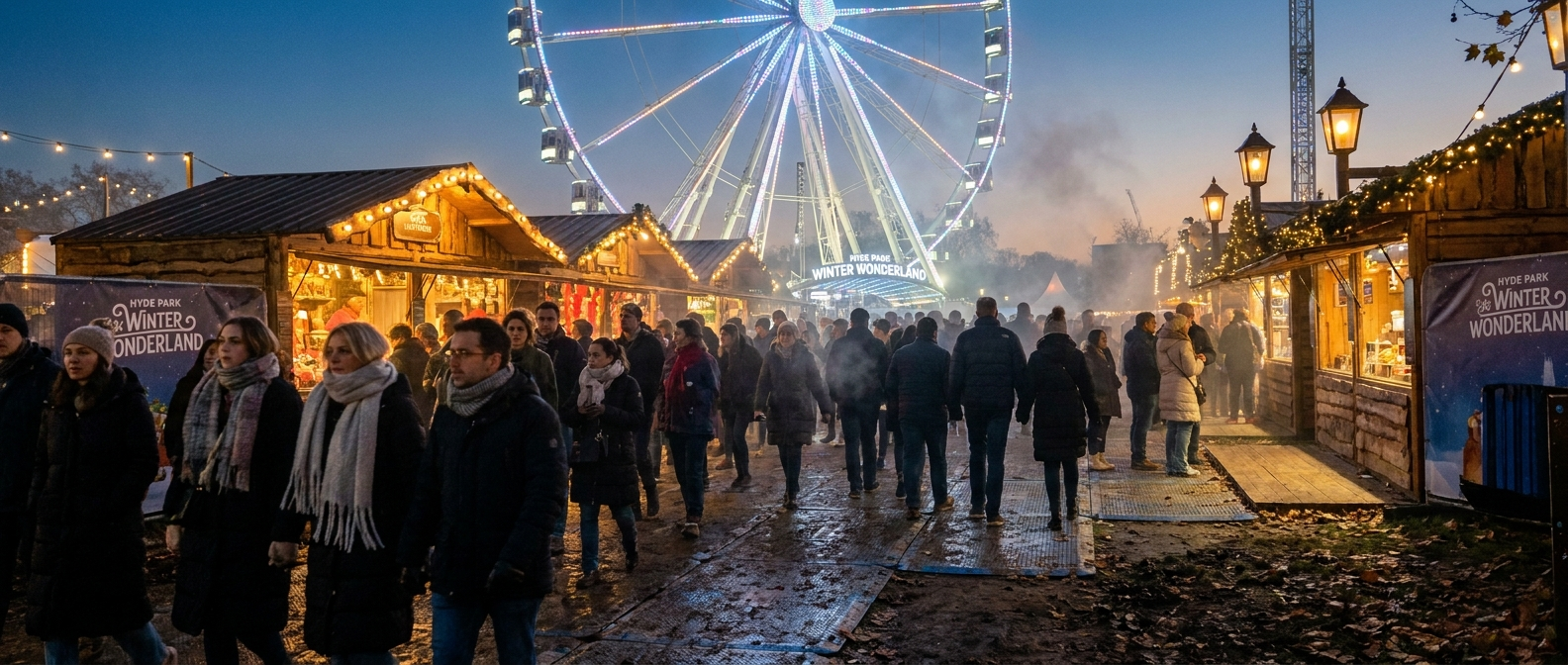
Hyde Park’s festive transformation creates one of London’s most anticipated seasonal experiences, but understanding Winter Wonderland Tickets 2026 can mean the difference between a smooth evening and unnecessary gate delays. Whether you are looking for free-entry options or planning to book tickets for specific attractions, you need to understand the ticketing system before popular dates […]
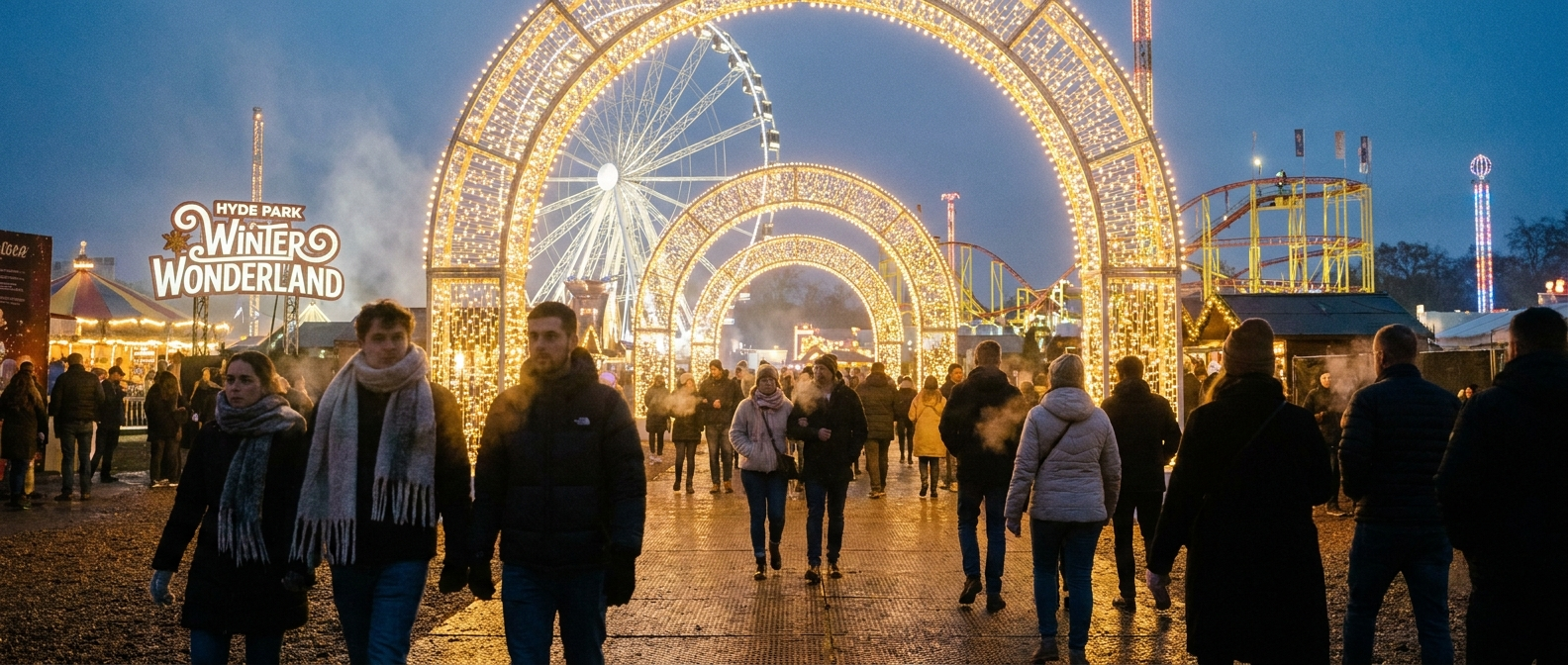
The 2026 season at Hyde Park Winter Wonderland 2026 brings a highly structured approach to entry, attractions, and visitor planning. For many visitors, the main question is no longer simply when to go, but how to plan the day efficiently while managing entry costs, queues, and peak-time crowds. With a wide range of festive attractions, […]