
When to Book Kyoto Hotels for Sakura Season 2027
Disclosure: To help support our website, some of the links below are affiliate links. This means that if you choose to make a purchase, we will earn a commission at no additional cost to you.
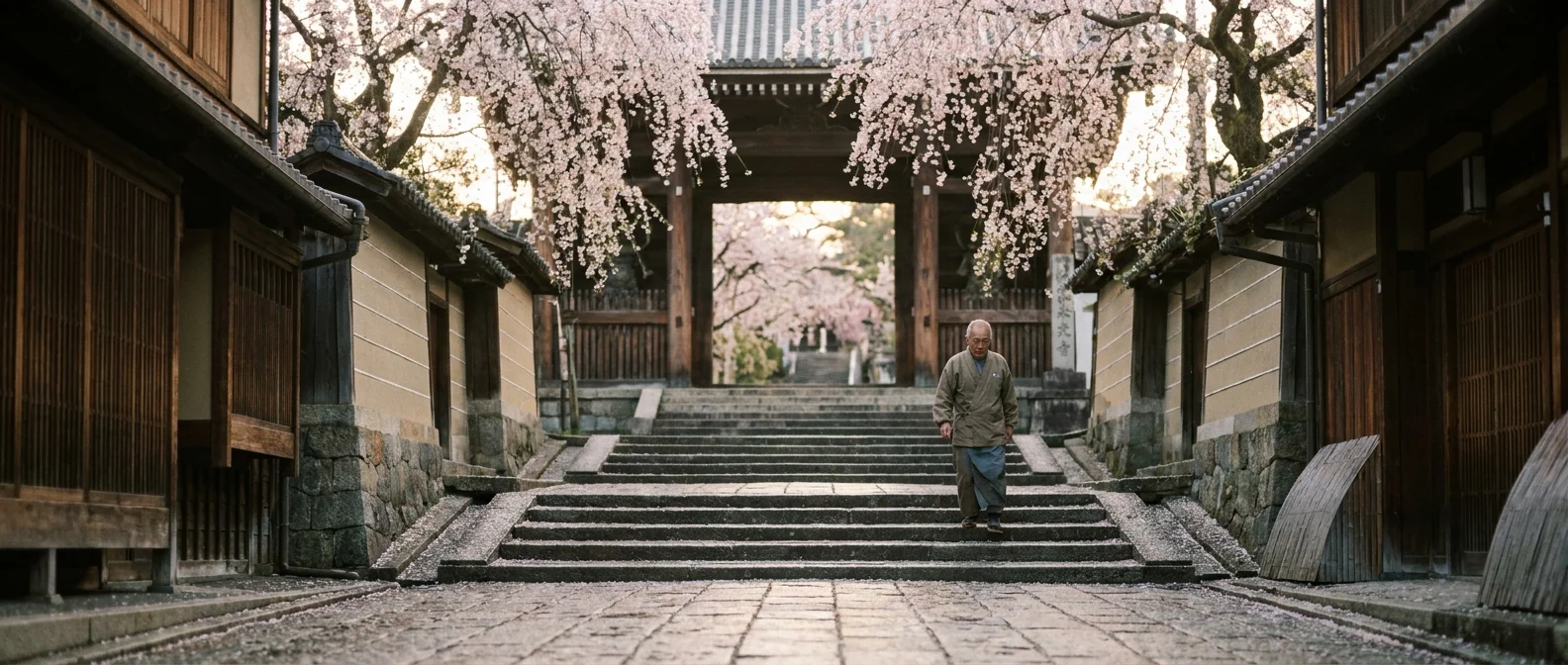
Table Of Contents
- Quick Answer
- The October Booking Cliff: Securing Kyoto Sakura Season Hotels
- Navigating the 2027 Kyoto Travel Congestion Forecast
- Designing the Ultimate Kyoto Cherry Blossom Itinerary 2027
- Weather, Layers, and the "Hana-bie" Phenomenon
- Transit Mechanics: JR Pass vs. Kansai Thru Pass
- Mistakes First-Timers Make
- Related FAQs
- Closing
The 2027 cherry blossom season in Kyoto will attract travelers from around the world, making early accommodation planning essential. As demand rises, standard room rates can increase sharply, and popular hotels may sell out months before the blossoms reach their peak. This guide answers the most important question for spring visitors: when should you book Kyoto hotels for Sakura season to secure a comfortable stay without overspending? We’ll explore the best neighborhoods for accommodation, explain how to compare hotel prices, and outline a practical Kyoto cherry blossom itinerary for 2027. From catching the early-morning light at Kiyomizu-dera to discovering seasonal blooms and quieter corners of Yamashina, you’ll learn how to plan your days around popular attractions and changing weather conditions.
Choosing Kyoto hotels for Sakura season requires more than comparing nightly rates. The city experiences intense demand during peak bloom, so booking early, checking cancellation policies, and considering locations outside the historic center can help you find better options. For example, a business hotel that costs around ¥15,000 per night during a quieter period could become significantly more expensive during cherry blossom season, depending on availability and demand. Booking just a few days earlier can sometimes make a substantial difference, although prices vary by property and travel dates. With the right strategy, you can balance your budget, choose convenient transport connections, and enjoy Kyoto’s famous spring scenery without unnecessary accommodation stress.
Quick Answer
- The Booking Window: Secure your accommodation by October 2026. This is the cliff before dynamic pricing triggers.
- Peak Bloom Window: Historically March 25 to April 7.
- The Main Friction: Extreme bus gridlock. Prioritize the Tozai Subway Line and walking.
- Cost Note: Expect to carry 10,000 JPY in cash daily: many temples and traditional tea houses do not accept cards.
| Feature | Late March | Early April | Mid-April |
|---|---|---|---|
| Avg Temperature | 10°C (50°F) | 14°C (57°F) | 17°C (63°F) |
| Crowd Level | High | Extreme (Mankai) | Moderate (Petal Fall) |
| Best For | Early blooms/Buds | Full bloom photography | Avoiding peak crowds |
| Booking Status | Critical (Book 11mo out) | Critical (Book 11mo out) | High (Book 6mo out) |
The October Booking Cliff: Securing Kyoto Sakura Season Hotels
The 11-month rule is the foundation of Kyoto spring logistics. Most major Japanese hotel chains, such as Mitsui Garden, Sotetsu Fresa Inn, and Hotel Gracery, open their reservation calendars 330 days in advance. High-end ryokans in the Higashiyama district often operate on a six-month window. This creates a staggered inventory release. However, October 2026 represents the final month where a traveler can find standard rates across all categories. Once the calendar turns to November, the remaining rooms are subject to aggressive dynamic pricing algorithms that track the previous year’s sell-out dates.
The Kyoto cherry blossom forecast 2027 is typically released by the Japan Meteorological Corporation in mid-January. This announcement acts as a secondary trigger. Within hours of the forecast publication, any remaining inventory at “early bird” rates is usually claimed. If you wait for the forecast to confirm your dates, you will pay the maximum market rate. The strategy for an early bird ryokan booking is to secure a refundable rate in October 2026 for a ten-day window centered on April 1.
When deciding when to book Kyoto hotels for sakura, consider the location trade-offs. A Higashiyama machiya (traditional townhouse) offers immediate access to the historic streets at 5:30 AM, which is the only time to see the district without thousands of other people. Conversely, hotels in Nakagyo-ku (downtown) or near Kyoto Station provide better transit links to Arashiyama and the Tozai Subway Line. For 2027, the Nakagyo-ku area remains the most efficient base for those who prioritize logistics over the traditional aesthetic. These Kyoto sakura season hotels are often newer, featuring better climate control for the unpredictable spring weather.
Navigating the 2027 Kyoto Travel Congestion Forecast
The Kyoto travel congestion forecast for 2027 indicates that the city will reach peak density between March 28 and April 4. To navigate this, you must adopt the 6:00 AM rule. The tourist wave in Kyoto begins at 9:00 AM when the tour buses arrive from Osaka and Nagoya. By being at the gates of Kiyomizu-dera or Fushimi Inari at 6:00 AM, you secure a three-hour window of relative silence. By 9:30 AM, the stone steps of Sannenzaka become nearly impassable.
The most significant logistical mistake is the bus trap. The #206 bus, which connects Kyoto Station to the Higashiyama sightseeing district, often becomes a stationary sauna during peak bloom. It is common for three full buses to pass a stop without picking up new passengers. To bypass this, use the Tozai Subway Line. Take the train to Keage Station. From there, it is a ten-minute walk to Nanzen-ji and the start of the Philosopher’s Path. This route avoids the gridlocked surface streets entirely.
To discover how to avoid crowds in Kyoto spring, look toward the “Insider Zone” of Yamashina. Located just one stop from Kyoto Station on the JR Biwako Line (190 JPY), the Yamashina Canal offers a landscape where pink cherry blossoms overhang yellow mustard flowers (nanohana). This area remains largely ignored by large tour groups. It provides the same visual impact as the Philosopher’s Path with eighty percent fewer people. This is a primary recommendation for any best crowd-free walking tours Kyoto list.
Designing the Ultimate Kyoto Cherry Blossom Itinerary 2027
A successful Kyoto cherry blossom itinerary for 2027 must balance the two major geographic poles: Higashiyama in the east and Arashiyama in the west. Higashiyama is the heart of the “old Kyoto” aesthetic. Start at 6:00 AM at Kiyomizu-dera (600 JPY). Walk down through Sannenzaka and Ninenzaka toward Yasaka Shrine. Stop at a local convenience store for coffee: most cafes in this area do not open until 10:00 or 11:00 AM. This morning walk allows you to see the weeping cherry trees at Maruyama Park before the “hanami” (flower viewing) parties begin.
Arashiyama requires a different approach. The Togetsukyo Bridge is the focal point, but the real value is found in the northern temples like Adashino Nenbutsu-ji. While the central bamboo grove is crowded by 8:00 AM, the northern temple gardens offer a quiet environment to appreciate the blossoms. For lunch, avoid the main street and seek out Yudofu (boiled tofu) specialty shops in the side streets. A standard Yudofu set costs between 3,000 and 5,000 JPY and provides a necessary break from the sensory overload of the crowds.
The Philosopher’s Path requires a reality check. In every travel brochure, it appears as a peaceful stroll. In reality, it is a human conveyor belt by mid-morning. If you must walk the full path, start at the northern end (Ginkaku-ji) at 7:00 AM and walk south toward Nanzen-ji. This direction moves against the primary flow of tour groups.
Night illuminations are a specific Kyoto tradition. Kodai-ji and To-ji temples offer spectacular light-up events where the trees are reflected in ponds. These events usually start at 6:00 PM and require a separate entry ticket (typically 500 to 1,000 JPY). Be aware that temperatures drop sharply once the sun sets. The queue for To-ji can exceed sixty minutes: arrive thirty minutes before the gates open to minimize your time standing in the cold. These Higashiyama cherry blossom tours at night are essential for photography, but they require significant patience.
Weather, Layers, and the "Hana-bie" Phenomenon
The term Hana-bie translates to “flower-chilling.” It describes the sudden cold snaps that occur in late March and early April when the cherry blossoms are in bloom. While afternoon temperatures can reach a pleasant 17°C (63°F), the mercury often drops to 3°C (37°F) at night or during a sudden spring rain. This phenomenon can actually stall the bloom, extending the season by several days, or it can be accompanied by “Sakura storms” (strong winds and rain) that strip the petals from the trees prematurely.
When considering what to wear in Kyoto in April, think in three distinct layers. A moisture-wicking base layer is necessary for the 15,000 to 20,000 steps you will walk daily. A mid-layer, such as a light wool sweater or a technical fleece, provides insulation. The final layer should be an ultra-light packable down jacket or a windproof shell. This allows you to strip down during the sunny midday hours and bundle up for the night illuminations.
Footwear is the most critical component of your Kyoto spring weather layers. Many of the best viewing spots involve gravel paths, steep stone stairs, and uneven wooden temple floors. You will also be removing your shoes frequently to enter temple halls. Wear broken-in walking shoes with excellent support. Avoid heavy boots: they are difficult to remove and will slow you down in the dense crowds of Higashiyama. If rain is in the forecast, ensure your shoes are water-resistant. A “Sakura storm” can turn the city’s stone paths into slick surfaces, and wet feet will end your day early in the 4°C evening air.
Transit Mechanics: JR Pass vs. Kansai Thru Pass
The JR Pass myth persists despite the massive price hike in late 2023. For a Kyoto-centric trip, a National JR Pass rarely pays off. If you are flying into Kansai International Airport (KIX) and staying in Kyoto for a week, you are better off buying individual tickets or using a regional pass. The JR Haruka Express (3,100 JPY) is the fastest way to get from KIX to Kyoto Station, taking about 75 minutes. Alternatively, the Airport Limousine Bus (2,600 JPY) is a better choice if your hotel is located near the Oike or Shijo areas, as it saves you from navigating the subway with luggage.
The Subway and Bus One-Day Pass costs 1,100 JPY for adults. To break even, you need to take at least five bus rides or four subway rides. In the spring, the subway portion of this pass is its most valuable feature. It allows you to use the Karasuma and Tozai lines to bypass the traffic. For example, going from Kyoto Station to the International Conference Center (near the northern cherry blossom spots) takes 20 minutes by subway but can take over an hour by bus in peak season.
Digital IC cards are the standard for frictionless travel. Physical Suica and Pasmo cards are currently in short supply due to chip shortages, but you can easily load a digital Suica or ICOCA card onto your Apple or Google Wallet. This allows you to tap-and-go on all buses, subways, and even at many convenience stores. You can top up these cards using the credit card linked to your phone, though some international Visa cards have intermittent issues: Mastercard and Amex generally work better for this.
If you are traveling from Tokyo to Kyoto, use the SmartEX app to book your Shinkansen seats. During sakura season, the “oversized luggage” seats and window seats (to see Mt. Fuji) sell out thirty days in advance. The app allows you to link your ticket directly to your digital IC card, meaning you never have to stand in a ticket office queue at the station.
Mistakes First-Timers Make
The 10:00 AM arrival is the single biggest mistake. Many travelers treat Kyoto like a European city where things start late. If you arrive at the Arashiyama Bamboo Grove or the Kiyomizu-dera gates after 9:00 AM, you will experience extreme crowd fatigue. The visual impact of the architecture and the blossoms is lost when you are shoulder-to-shoulder with thousands of others. The fix is simple: be at your first destination by 6:30 AM. You can always return to your hotel for a nap at noon when the crowds are at their peak.
The Gion photo faux pas is a serious issue. Due to tourist harassment of Geiko and Maiko, many private side streets in the Gion district have strictly enforced photography bans. There are signs posted everywhere, and the fine is 10,000 JPY. Stick to the main Hanami-koji street and respect all “No Photography” signage. Never stop a Geiko or Maiko for a photo: they are professionals on their way to work.
Sakura misconduct is another common error. In the excitement of getting the perfect “petal fall” photo, some tourists shake the branches of the trees. This is considered a serious etiquette breach and is highly offensive to locals. The trees are fragile and often hundreds of years old. Observe only: touching the trees is not permitted.
Finally, do not rely on credit cards. While Japan is becoming more digital, Kyoto’s most famous sites remain firmly cash-based. Entrance fees for temples (usually 500 to 1,000 JPY), small traditional noodle shops, and the amulets sold at shrines almost always require physical yen. Always carry at least 10,000 JPY in cash to avoid the frustration of finding a 7-Eleven ATM in the middle of a sightseeing walk.
Related FAQs
The historical average for “Mankai” (full bloom) in Kyoto is between March 27 and April 5. However, this varies by several days each year based on the preceding winter temperatures. You should monitor the Kyoto cherry blossom forecast 2027 starting in January 2027 for the most accurate window.
The 1,100 JPY pass is worth it if you plan to visit at least three disparate areas in one day (e.g., Arashiyama, then Higashiyama, then the Imperial Palace). If you are spending the whole day walking through Higashiyama, you are better off just using a digital IC card for the one or two rides you might actually take.
Yes, by heading to the outskirts. Kamigamo Shrine in the north has sprawling grounds and massive “Saohime” cherry trees with much lower density. The Yamashina Canal is another excellent choice for those looking for a quiet walk.
Expect a range from 3°C (37°F) at night to 17°C (63°F) during the day. This is the definition of Hana-bie: the flower-chilling cold. You must pack layers to stay comfortable as the temperature fluctuates throughout the day.
Use a digital IC card (Suica or ICOCA) for all transit and convenience store purchases. For everything else, particularly temples and traditional restaurants, carry physical yen. Most temples do not accept any form of digital payment.
Closing
As you prepare for the 2027 season, remember that the best views belong to those who move while the city sleeps. The logistics of Kyoto in the spring are unforgiving for those who do not plan. Secure your hotel by October 2026, prioritize the subway over the bus, and embrace the early morning hours. Download the SmartEX app today to monitor Shinkansen seat availability for your arrival and ensure your 2027 journey is defined by the blossoms, not the crowds.

The arrival of mid-November in the United Kingdom transforms medieval streets and historic squares into glowing festive destinations filled with Christmas markets, sparkling lights, and seasonal attractions. For travelers, the challenge is not just choosing where to go but securing advance rail fares and centrally located hotels before December demand pushes prices higher. The main […]
The inventory cliff in Vienna is a common concern during the festive season, as demand for centrally located accommodation rises sharply before the Christmas markets open. If you are planning a trip for November or December 2026, the key question is not just where to stay, but how to find Vienna Christmas Market Hotels that […]
The 2027 cherry blossom season in Kyoto will attract travelers from around the world, making early accommodation planning essential. As demand rises, standard room rates can increase sharply, and popular hotels may sell out months before the blossoms reach their peak. This guide answers the most important question for spring visitors: when should you book […]