
Barcelona Travel Cards and Gaudí Ticket Hacks
Disclosure: To help support our website, some of the links below are affiliate links. This means that if you choose to make a purchase, we will earn a commission at no additional cost to you.
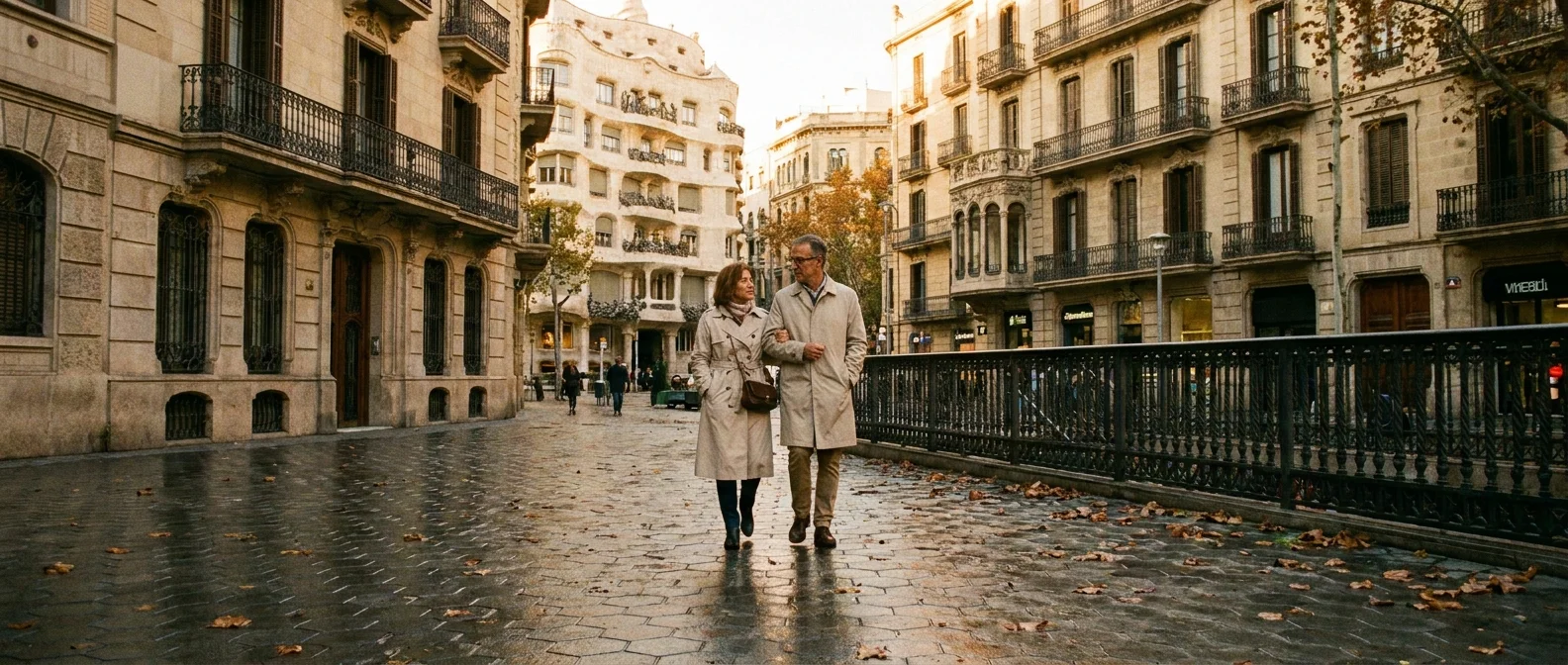
Table Of Contents
- Quick Answer
- At-a-Glance: Barcelona Autumn Planning
- Barcelona October Weather and Packing: Layers and "Gotellades"
- Neighborhood Guide: Eixample Boutique Hotels vs. The Village of Gràcia
- Transit Mechanics: Barcelona Travel Card from Airport to City
- Gaudí Ticket Hacks: Sagrada Família and Park Güell
- Money, Safety, and the "Bird Poop" Scam
- Mistakes First-Timers Make
- Related FAQs
- Closing
The “Post-Diada, Pre-Christmas” period offers a wonderful opportunity to explore Barcelona as summer crowds fade and the city settles into a more relaxed rhythm. As August’s intense humidity gives way to cooler autumn weather, visitors can enjoy the architectural beauty of the Golden Square (Quadrat d’Or), explore the Eixample district, and photograph the city’s modernist facades in softer golden light. This Barcelona Travel Cards guide helps you understand local transport options, compare travel passes, and choose the right ticket for your itinerary.
Whether you plan to visit the Sagrada Família, explore Park Güell, or discover Barcelona’s historic streets, understanding the transit zones and ticket options can help you travel efficiently and manage your budget. Autumn also brings seasonal traditions such as La Castanyada, when local bakeries sell roasted chestnuts and panellets. We’ll explain how to combine public transport with advance attraction bookings, avoid unnecessary queues, and plan your journeys around the city’s main sights. By late October, Barcelona offers a rewarding mix of cultural experiences, seasonal food, and architectural exploration, making it an excellent time to discover the Catalan capital at a comfortable pace.
Quick Answer
- Best Window: Late October for the La Castanyada festival and mild 22°C weather.
- Expected Conditions: Crisp 60% humidity; short, intense “gotellades” (thunderstorms) in October; cooler, clear days in November.
- The Main Friction: Sagrada Família and Park Güell tickets now sell out 7 to 14 days in advance, even in the shoulder season.
- Booking Note: Use the T-mobilitat system for transit: the old T-10 card is defunct.
- Strategic Tip: Book the 16:00 Sagrada Família slot for the sunset “fire effect” through the stained glass.
At-a-Glance: Barcelona Autumn Planning
| Month | Avg High/Low | Crowd Level | Key Event | Best For |
|---|---|---|---|---|
| October | 23°C / 15°C | Moderate | La Castanyada | Outdoor dining and photography |
| November | 17°C / 9°C | Low | Mushroom Harvest | Budget hotels and foodies |
Barcelona October Weather and Packing: Layers and "Gotellades"
The October vs November Shift
Weather in the Catalan capital during this period is defined by a rapid transition. In early October, you will often experience “t-shirt weather” with highs reaching 24°C (75°F). However, the humidity, which stays around 60%, can make the air feel heavier than the thermometer suggests. By mid-November, the temperature drops sharply to 10°C (50°F) in the evenings.
A specific meteorological phenomenon to prepare for is the “gotellades.” These are short, violent bursts of rain that occur when the warm Mediterranean air meets the cooling autumn currents. They rarely last more than an hour, but they can flood the narrow streets of the Gothic Quarter temporarily. Because the city is built largely of stone and lacks central heating in many older apartments, indoor environments often feel cooler than the outdoors. If you are staying in a traditional building, a 17°C day can feel quite chilly once you step inside.
What to Wear in Barcelona in October
When considering what to wear in Barcelona in October, prioritize the “smart-casual” local aesthetic. Barcelona is not a city of athleisure. Locals typically wear leather sneakers, dark denim, and light trench coats or blazers. Flip-flops and zip-off trekking trousers are immediate indicators of a tourist and can make you a target for street scams.
For Barcelona October weather and packing, the scarf is your most important accessory. Even if the day is warm, the temperature drops the moment the sun dips behind the Montjuïc hill. A light wool or cashmere scarf allows you to transition from a sunny afternoon walk to an outdoor dinner at 21:00 without returning to your hotel. Leather shoes are preferable to canvas ones because they handle the “gotellades” puddles better and fit the dress code for Eixample wine bars.
Daylight and Pacing
The clock change occurs on the last Sunday of October. This is a critical logistical detail for your itinerary. Sunset moves from approximately 19:30 to 17:30 overnight. If you have booked Park Güell for the late afternoon to catch the sunset, ensure you check the specific date of the time change. In November, the “golden hour” for photography is much earlier, usually around 16:15. Plan your outdoor architectural tours for the morning to capitalize on the crisp, clear light that follows an October rain shower.
Neighborhood Guide: Eixample Boutique Hotels vs. The Village of Gràcia
Eixample: The Modernist Core
For the self-directed traveler, Eixample boutique hotels are the most strategic choice. This neighborhood was designed in the 19th century as a grid, making it nearly impossible to get lost. It contains the “Quadrat d’Or” (Golden Square), where the highest concentration of modernist buildings, including Casa Batlló and Casa Milà, is located.
In October and November, accommodation rates in Eixample drop by 20 to 30 percent compared to the September peak. Staying here puts you within walking distance of the major transit hubs like Passeig de Gràcia and Catalunya. When comparing Eixample vs Gothic Quarter hotels, Eixample wins on logistics. The streets are wider, safer at night, and the hotels are generally housed in refurbished palatial buildings with higher ceilings and better soundproofing than the cramped quarters of the old city.
Gràcia and Sant Antoni: The Local Alternatives
If you prefer a neighborhood that feels like a Mediterranean village, head north to Gràcia. Accessible via the L3 Metro line (Fontana station), Gràcia was an independent village until the late 19th century. It is characterized by small squares like Plaça de la Revolució, where locals gather for coffee.
Sant Antoni is the current “it” neighborhood for food logistics. Located in the Eixample Esquerra, it centers around the Mercat de Sant Antoni. On Sunday mornings, the market hosts a famous second-hand book and stamp fair. The culture here revolves around the “vermut” (vermouth), traditionally taken at midday with olives and anchovies. It is less polished than the central Eixample but offers a more authentic look at modern Catalan life.
Poblenou and Poble-sec
Poblenou is the choice for those who want proximity to the sea without the chaos of Barceloneta. It has a high density of digital nomad hubs and craft breweries. For food, walk down the Rambla del Poblenou and look for Arros Negre (black rice with squid ink).
Poble-sec, located at the foot of Montjuïc, is famous for Carrer de Blai. This street is lined with “Pincho” bars where small snacks are served on bread with a toothpick. Each pincho usually costs between €1.50 and €2.50. It is the most cost-effective way to eat in the city. Try the Bomba, a spicy meat and potato ball that originated in the nearby fishing districts.
Transit Mechanics: Barcelona Travel Card from Airport to City
Navigating Barcelona Travel Card Zones
The Integrated Fare System in Barcelona can be confusing. For 95 percent of travelers, you only need to worry about Zone 1. This covers the entire city center, the airport, and even some outlying suburbs like Badalona. Do not be upsold on a multi-zone card unless you are planning a day trip to Montserrat or Sitges.
When looking for a Barcelona travel card from the airport, you have three primary choices. The Aerobús (Lines A1 and A2) is the most frequent, leaving every 5 to 10 minutes from both terminals and arriving at Plaça de Catalunya in 35 minutes. It costs €6.75 for a single or €11.65 for a return. However, the Aerobús is not part of the integrated TMB system, so you cannot use your standard metro pass on it. The R2 Nord train is the logistics optimizer’s choice. It leaves from Terminal 2 every 30 minutes and reaches Passeig de Gràcia in 25 minutes. If you arrive at Terminal 1, a free green shuttle bus connects you to the T2 train station.
Barcelona Travel Card vs Hola Barcelona
The debate over Barcelona travel card vs Hola Barcelona depends on your movement volume. The T-casual card costs approximately €12.15 for 10 rides. It is excellent for those who walk a lot. Crucially, the T-casual is non-shareable: if you are a couple, you must buy two separate cards.
The Hola Barcelona card is a timed pass (48, 72, 96, or 120 hours). It includes the €5.50 airport metro supplement, which the T-casual does not. If you plan to use the metro more than four times a day and want to use the L9 Metro from the airport, the Hola Barcelona card is the better value. If you prefer the train or the Aerobús and plan to walk the Eixample grid, stick with the T-casual.
The T-mobilitat System
Barcelona is phasing out cardboard tickets in favor of the T-mobilitat system. This is a rechargeable plastic card or a mobile app. You can purchase a cardboard version of the T-mobilitat at machines for €0.50, which is then rechargeable.
A common mistake is taking the L9 Sud Metro line from the airport. While it is modern, it follows a circuitous route through the southern suburbs and takes nearly 50 minutes to reach the center. Unless your hotel is specifically located near the Fira (trade fair) or in the Collblanc area, the train or Aerobús will save you 20 minutes of transit time.
Gaudí Ticket Hacks: Sagrada Família and Park Güell
How to Get Sagrada Família Tickets
The search for how to get Sagrada Família tickets often ends in disappointment for those who wait until they arrive. For a visit in October or November 2026, you must book through the official app or website at least 14 days in advance. If you want a weekend slot, make it 21 days.
There is no “skip the line” secret other than having a timed entry ticket. To see the basilica at its best, book the 16:00 slot. As the autumn sun begins to set, it hits the orange and red stained glass on the Passion Facade, filling the entire nave with a “fire effect” that is absent in the morning. Conversely, the 09:00 slot offers cool, blue and green tones from the Nativity Facade. Note that the towers may close without notice during the “gotellades” rain for safety: if this happens, you can request a refund for the tower portion of your ticket at the office near the exit.
Park Güell Advance Tickets and Timing
Park Güell advance tickets are mandatory for the “Monumental Zone,” which includes the famous mosaic lizard and the hypostyle room. The park has strictly limited capacity. If you show up without a ticket, you will likely be told the next available slot is four hours away.
The best strategy is an 08:30 arrival. The tour buses usually arrive around 10:00, creating a “tripod forest” at the main terrace. By arriving early, you get 90 minutes of relatively clear views. In autumn, the park provides excellent views of the city’s changing colors, but it is exposed to the wind. Bring that scarf mentioned in the packing section.
Beating the Museum Queues
Many visitors fall into the “free entry” trap. Several museums, including the Picasso Museum and the MNAC (National Art Museum of Catalonia), offer free entry on Thursday afternoons or the first Sunday of the month. Unless you enjoy standing in a 90-minute queue with hundreds of others, avoid these times. Paying €15 for a Tuesday morning slot at the Picasso Museum ensures you can actually see the “Las Meninas” series without being pushed by crowds. For Sagrada Familia, skip-the-line intent: remember that the official “guided tour” tickets often have availability when the “general entry” tickets are sold out. It costs more, but it is a valid backdoor entry method.
Money, Safety, and the "Bird Poop" Scam
How to Avoid Pickpockets in Barcelona
Barcelona has a reputation for petty theft that is statistically earned. The high-risk zones are the L3 Metro line (the green line), Las Ramblas, and the beach at Barceloneta. To stay safe, never put your phone on a restaurant table. Thieves use a “map trick” where they place a large paper map over your phone, ask for directions, and slide the phone away under the map.
The “Bird Poop” scam is particularly prevalent in the autumn. A stranger will approach you, pointing at a white substance on your shoulder or back, claiming a bird has defecated on you. They will offer to help you clean it with a tissue. While they “clean” you, their accomplice or their other hand is emptying your pockets. If anyone approaches you with this claim, keep walking and clean yourself later in a restroom. An anti-theft bag for Barcelona should be worn across the body with the zipper facing your front and, ideally, a locking mechanism on the slider.
Dining Etiquette and Tipping
The local dining schedule is non-negotiable. Lunch is the main meal, served from 14:00 to 16:00. Dinner rarely starts before 21:00. If you find a restaurant full of people at 18:30, you are in a tourist trap.
The Menú del Día is the ultimate budget hack. For €12 to €18, you get a three-course meal including wine and bread. Look for chalkboards in the Eixample or Gràcia that list “Primer Plat,” “Segon Plat,” and “Postres.” Tipping is not mandatory. Locals usually leave the small change or round up to the nearest euro for coffee. For a formal dinner, a 5 percent tip is considered generous.
Cash vs. Card in 2026
Barcelona is 90 percent card-friendly. You can pay for a €1.50 espresso with a contactless card in most places. However, small “Granjas” (traditional milk bars/bakeries) often have a €5 or €10 minimum for card transactions. You will need cash for the La Castanyada street stalls to buy roasted chestnuts (castanyes) and sweet potatoes. Carry small denominations like €5 and €10 notes: many small vendors struggle to change a €50 note.
Mistakes First-Timers Make
1. The T-10 Ghost: Many guidebooks still mention the T-10 card. It no longer exists. If you ask for it at a machine, you will be confused. Buy the T-casual, but remember it cannot be shared between two people: each person needs their own card.
2. The L9 Airport Trap: Taking the L9 Metro to the center. It takes 50 minutes and loops through the suburbs. Take the Aerobús (35 mins) or the R2 Nord train (25 mins) instead. The train is particularly efficient if you are staying near Passeig de Gràcia.
3. The Early Dinner: Showing up for dinner at 19:00. You will eat in an empty restaurant with other tourists. Wait until 21:00 to experience the actual atmosphere and see the locals out.
4. The “Free” Museum Queue: Going to the Picasso Museum on a free Thursday. You will waste 2 hours in line. Pay the entry fee for a Tuesday morning to actually see the art without the stress of the crowds.
Related FAQs
Yes, it is arguably the best month. Temperatures are a mild 22°C, the summer humidity has broken, and the La Castanyada festival offers unique cultural experiences like roasted chestnuts and panellets. The city feels more local as the summer crowds have thinned.
It cools significantly. Highs are 16°C to 18°C, but lows can hit 8°C to 10°C. You will need a proper jacket for evenings, though days are often sunny and crisp. It is a dry cold, which is pleasant for walking.
Absolutely. Even in the “off-season” of November, it sells out 7 to 10 days in advance. In October, aim for 2 to 3 weeks ahead to secure the 16:00 “fire effect” lighting. There are no tickets sold at the door.
For most, the T-casual is best for 10 rides. However, if you want the airport metro included and plan to ride 4 or more times daily, the Hola Barcelona card is more cost-effective. Verify if you will use the Aerobús, as it requires a separate ticket.
The air is pleasant, but the water temperature drops. Most chiringuitos (beach bars) close mid-month. It’s better for a promenade walk in Poblenou than a swim. Locals will have stopped swimming by late September.
It is safe but heavily chlorinated and high in minerals. Most locals use a filter or buy bottled water for taste. If you are sensitive to the taste of chlorine, stick to bottled water for drinking.
Closing
With your transit passes sorted and your Gaudí tickets secured weeks in advance, you are ready to experience Barcelona when it is at its most authentic. The shift in light and the cooling air of the Catalan autumn provide a clarity to the city’s architecture that the summer haze obscures. Your next step is to check the official Sagrada Família ticket office to see if your preferred 2026 dates have opened for booking. Secure those slots early, pack your scarf, and prepare for the 21:00 dinner rush.

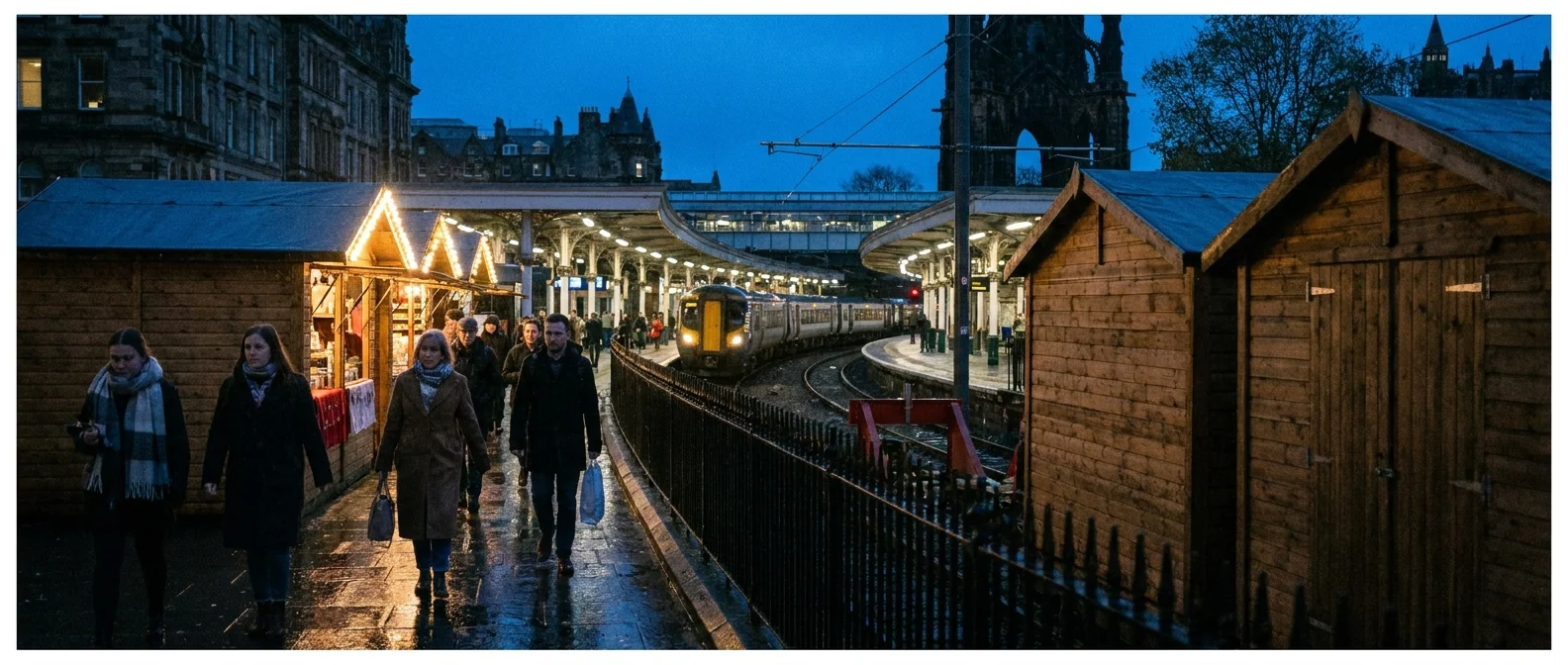
The arrival of mid-November in the United Kingdom transforms medieval streets and historic squares into glowing festive destinations filled with Christmas markets, sparkling lights, and seasonal attractions. For travelers, the challenge is not just choosing where to go but securing advance rail fares and centrally located hotels before December demand pushes prices higher. The main […]
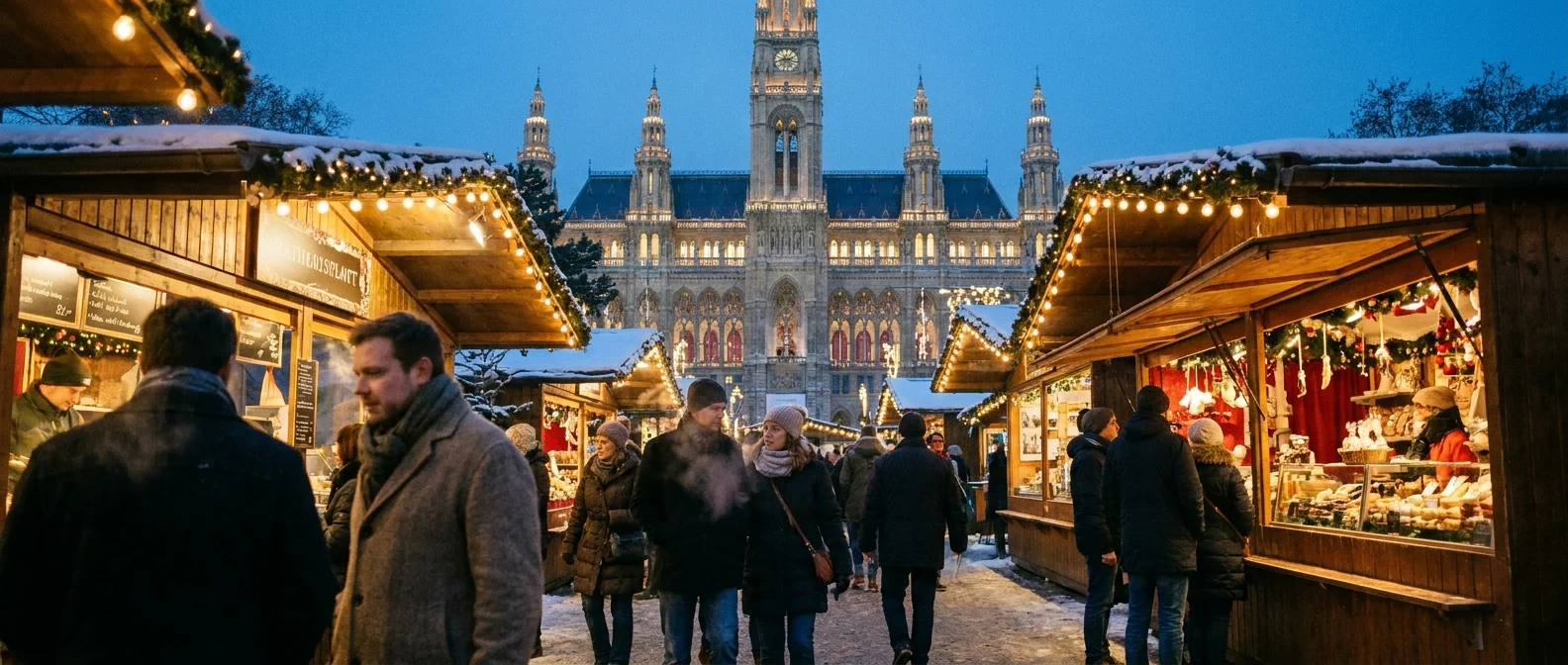
The inventory cliff in Vienna is a common concern during the festive season, as demand for centrally located accommodation rises sharply before the Christmas markets open. If you are planning a trip for November or December 2026, the key question is not just where to stay, but how to find Vienna Christmas Market Hotels that […]
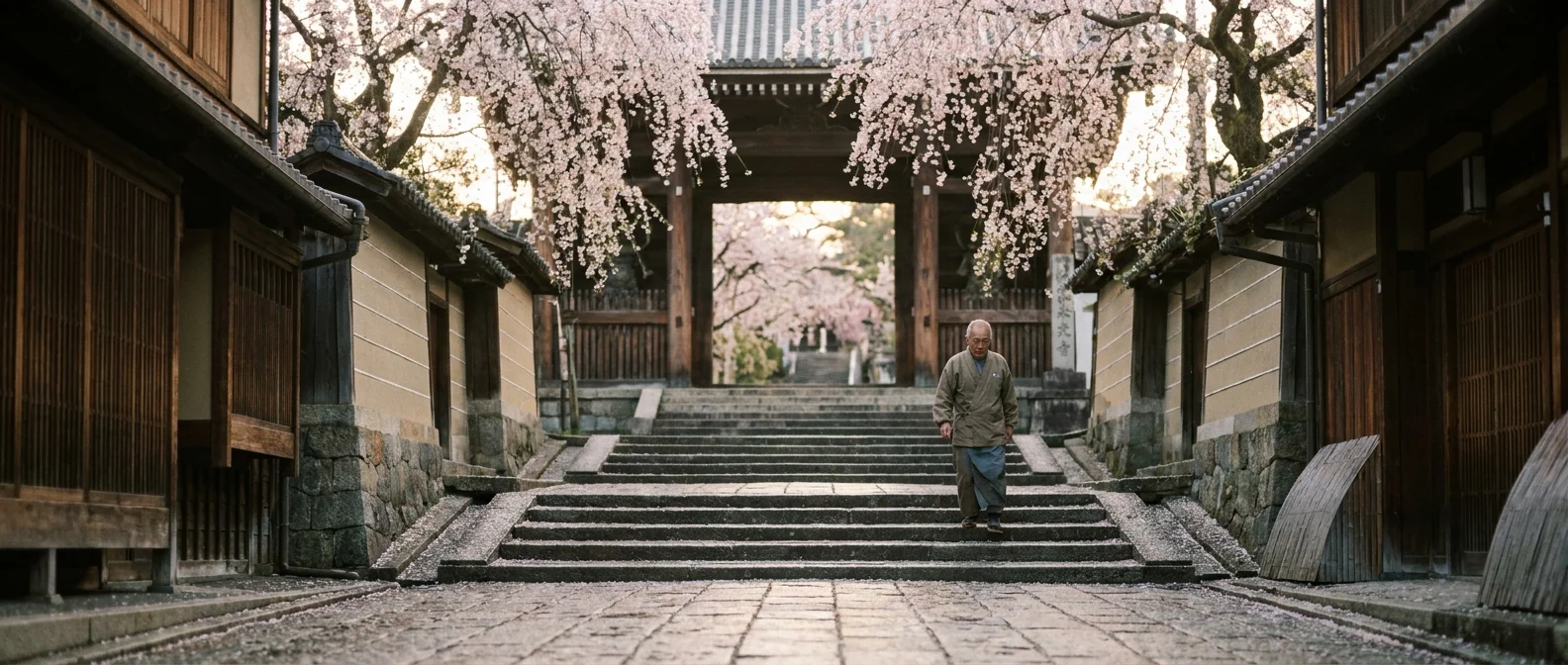
The 2027 cherry blossom season in Kyoto will attract travelers from around the world, making early accommodation planning essential. As demand rises, standard room rates can increase sharply, and popular hotels may sell out months before the blossoms reach their peak. This guide answers the most important question for spring visitors: when should you book […]