
Melbourne Australian Open Logistics: Tram Access, Night Session Outfits & Ticket Hacks
Disclosure: To help support our website, some of the links below are affiliate links. This means that if you choose to make a purchase, we will earn a commission at no additional cost to you.
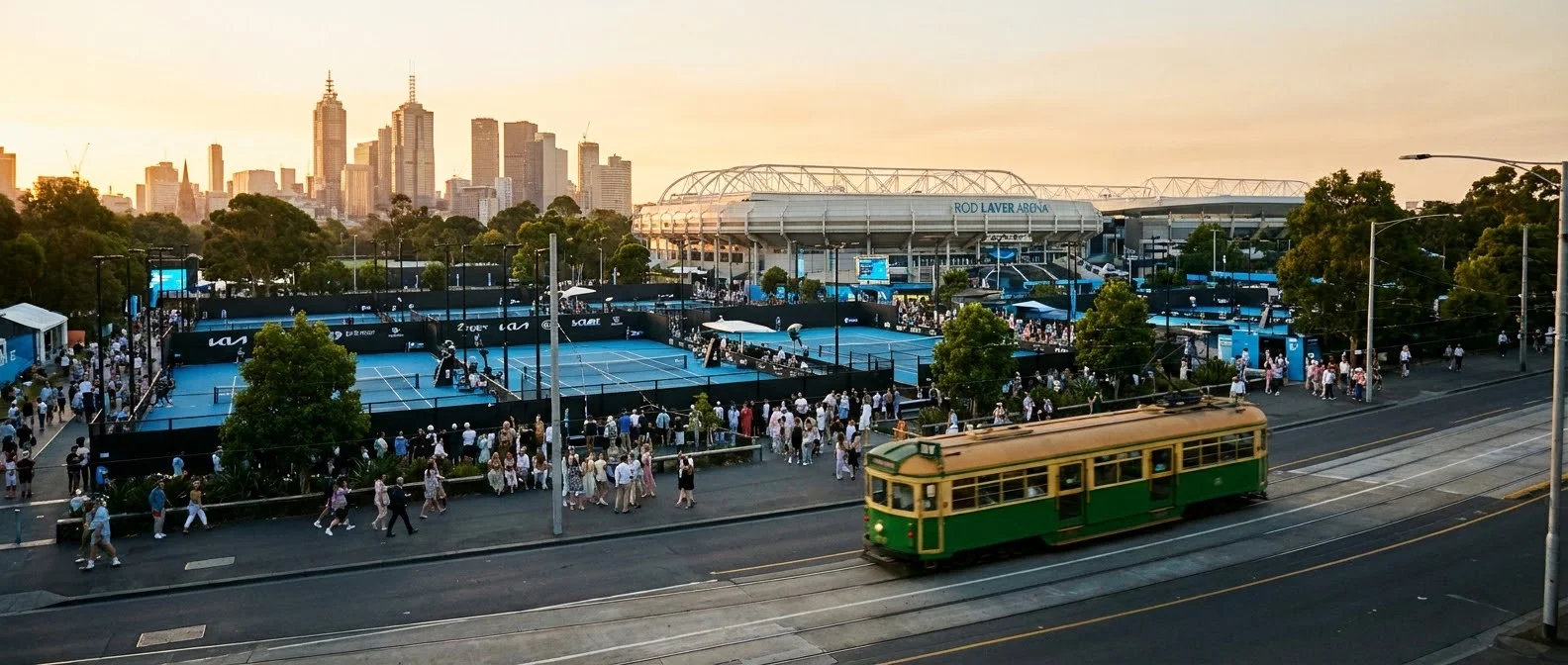
Table Of Contents
- Navigating the Precinct: Tram Access and Transit Logistics
- The Art of Layering: Night Session Outfits and Weather Survival
- Insider Ticket Hacks: Ground Passes, Upgrades, and Practice Courts
- Beyond the Baseline: Pre- and Post-Match Neighborhoods
- Australian Open Ticket Strategy & Value Comparison
- Related FAQs
- Conclusion
Australian Open travel and spectator planning involves more than simply booking tickets and reserving a hotel. The Australian Open is far more than the first Grand Slam of the calendar year; it is a two-week cultural festival that transforms Melbourne into a global sporting destination. Every January, the city becomes an energetic hub of elite athleticism, culinary excellence, live entertainment, and vibrant summer activities. From exploring the sprawling Melbourne Park precinct to managing the notoriously unpredictable Victorian weather, visitors need a well-organized plan to make the most of their experience. Whether you are a seasoned Grand Slam follower or a first-time visitor to Victoria’s capital, creating the perfect trip requires more than just securing a seat. By exploring insider travel guides and destination inspiration, you can discover practical ways to organize your itinerary, choose convenient accommodation, and enjoy the tournament with greater comfort and efficiency.
To experience the Australian Open like a local, you also need to understand the city’s rhythms and transport options. Melbourne’s extensive tram network makes reaching the venue easier, while smart planning helps you avoid busy routes and long queues. You should also prepare for changing temperatures, intense sunshine, and cooler evenings during the tournament’s famous night sessions. This comprehensive guide covers essential travel logistics, spectator tips, transport advice, and practical recommendations to help you enjoy every moment of your Australian Open adventure.
Wimbledon Public Queue Guide: What to Bring, Overnight Camping Rules & Tickets.
Navigating the Precinct: Tram Access and Transit Logistics
Melbourne’s tram network is a point of immense civic pride, and during the Australian Open, the city brilliantly adapts its infrastructure to seamlessly move over 800,000 tennis fans. Understanding this system is your first step toward a frictionless tournament experience.
Normally, Melbourne’s highly convenient Free Tram Zone is restricted to the central business district (CBD) grid. However, during the tournament, this zone is officially extended to encompass the Melbourne Park precinct. This means you can travel from the city center to the stadium gates without tapping a transit card.
The Key Routes:
- Route 70: This is the primary artery for tennis traffic. Fans can board at Flinders Street Station and ride directly to Stop 7B (for Rod Laver Arena and Margaret Court Arena) or Stop 7C (for John Cain Arena and the practice courts).
- Routes 48 & 75: These lines drop fans at Wellington Parade near the Melbourne Cricket Ground (MCG). From here, it is a short, highly scenic walk through the leafy canopy of Yarra Park directly to the tennis precinct.
Navigating a foreign city’s transit and event infrastructure can often feel like a complex puzzle. Much like figuring out Barcelona travel cards and Gaudí ticket access during a European getaway, mastering Melbourne’s digital Myki system and the AO Free Tram Zone is the secret to bypassing the crowds and saving valuable time. If you plan to explore neighborhoods outside the CBD, such as Fitzroy or St Kilda, you will need to purchase a physical Myki card or set up a Mobile Myki on your Android device.
The Scenic Walk Alternative:
For those who prefer to avoid the shoulder-to-shoulder crush of a packed tram, the 15-minute walk from Flinders Street Station is highly recommended. Strolling along the Yarra River through the Birrarung Marr parklands offers stunning views of the city skyline and serves as a peaceful prelude to the roaring crowds of the stadiums.
The Art of Layering: Night Session Outfits and Weather Survival
Melbourne is globally notorious for experiencing “four seasons in one day,” and January is the absolute height of the Australian summer. Packing for the Australian Open requires strategic wardrobe architecture, as conditions will fluctuate wildly between your arrival at noon and your departure at midnight.
Conquering the Daytime Heat:
Daytime temperatures frequently soar between 30°C and 40°C (86°F – 104°F). Because of the ozone layer depletion over the Southern Hemisphere, the Australian sun is incredibly harsh. Your base layer must consist of breathable, moisture-wicking fabrics. Think crisp linen shirts, premium cotton polos, or silk-blend summer dresses. Accessories are non-negotiable: SPF 50+ sunscreen, a wide-brimmed hat (such as a classic Akubra or a woven Panama), and high-quality UV-blocking sunglasses are essential survival tools.
The “Southerly Buster” and the Night Session:
The true test of your packing prowess comes when the sun goes down. Melbourne frequently experiences a weather phenomenon known as the “Southerly Buster”—a sudden, dramatic shift where a cool wind blows in from Port Phillip Bay, plummeting temperatures by 10 to 15 degrees Celsius in a matter of minutes. Night sessions in Rod Laver Arena, which start at 7:00 PM and routinely stretch past midnight, can become surprisingly frigid.
To combat this, the “Night Session Layer” is mandatory. Pack a lightweight cashmere sweater, a tailored denim jacket, or a chic, easily foldable trench coat.
Footwear and Bag Restrictions:
The Melbourne Park precinct is massive. You will be walking miles between outside courts, food villages, and stadium stairs. Premium, comfortable walking sneakers (think Veja, Common Projects, or sleek New Balances) are essential. Heels are highly impractical for the grassy viewing areas of Grand Slam Oval. Furthermore, the AO enforces strict bag limits. Backpacks or totes must be small enough to fit under a stadium seat. Hard coolers, large umbrellas, and oversized luggage are strictly prohibited.
Tour de France Mountain Stage Logistics: Campervan Spots, Closures & Spectator Tips.
Insider Ticket Hacks: Ground Passes, Upgrades, and Practice Courts
Securing the right ticket dictates the rhythm of your entire Australian Open experience. You do not need to spend thousands on VIP stadium seats every day to soak in the world-class tennis.
The Ground Pass Strategy:
During the first week of the tournament, the Ground Pass is arguably the best value ticket in global sports. It grants you access to all the outside courts, where you can sit mere feet away from top-50 players battling through early rounds. Crucially, it also provides unreserved seating access to John Cain Arena. Known affectionately as the “People’s Court,” this arena is famous for its raucous, energetic atmosphere, often hosting local Australian favorites and high-drama five-set thrillers.
The Practice Court Privilege:
A major insider hack is utilizing the Practice Village. Ground pass holders can check the daily practice schedule on the official AO app. This allows you to stand courtside and watch titans of the sport, like Novak Djokovic, Carlos Alcaraz, or Aryna Sabalenka, run through their training drills from just a few feet away.
Strategic Resales and Twilight Tickets:
If you are desperate for a premium Rod Laver Arena night session ticket but balk at the initial prices, patience can pay off. Utilize the official Ticketmaster Fan-to-Fan resale platform. Desperate sellers often drop prices for premium seats 24 to 48 hours before the match. Alternatively, consider the Twilight Ticket. Introduced in recent years, this pass allows entry after 4:00 PM at a reduced rate, perfect for catching the golden hour atmosphere, dining at the pop-up restaurants, and enjoying the live music at Grand Slam Oval.
Beyond the Baseline: Pre- and Post-Match Neighborhoods
The beauty of the Australian Open is its proximity to Melbourne’s vibrant urban core. Unlike the US Open or Wimbledon, which require lengthy commutes from the city center, Melbourne Park is flanked by some of the city’s best culinary and nightlife districts.
Pre-Match in Richmond:
Located just a short walk east of the tennis precinct, the neighborhood of Richmond (specifically Swan Street) is the ultimate pre-match destination. Discerning fans gather here for high-end pub fare at institutions like The Corner Hotel, or for premium, vibrant Southeast Asian dining at Club Chin Chin. The energy here in January is palpable, serving as the perfect launchpad before walking over to the eastern entrances of Melbourne Park.
Post-Match in the CBD and Southbank:
When a night session concludes at 1:00 AM, the night is far from over. A short, illuminated walk across the William Barak Bridge leads you directly back into the CBD. Melbourne is famous for its late-night laneway culture. Celebrate a spectacular five-set victory with bespoke cocktails at hidden speakeasies like Eau De Vie, or enjoy a nightcap on the rooftop terrace of Siglo, overlooking Parliament House.
Cruising the Norwegian Fjords in Late Autumn: Wardrobe, Deck Gear & Excursion Tips.
Australian Open Ticket Strategy & Value Comparison
| Ticket Tier | Best For | Price Range (AUD) | Insider Perk |
|---|---|---|---|
| Ground Pass | Week 1 explorers, atmosphere seekers | $59 – $79 | Unreserved access to John Cain Arena (The “People’s Court”). |
| Twilight Pass | After-work crowds, evening dining | $39 – $49 | Entry after 4 PM; perfect for live music and sunset vibes. |
| Margaret Court Arena | Guaranteed top-tier matches, shade | $95 – $185 | Intimate stadium feel with a retractable roof for heat/rain. |
| Rod Laver Arena (Night) | Grand Slam purists, marquee matchups | $150 – $400+ | The ultimate spectacle; where tennis history is made. |
Related FAQs
Yes. The Australian Open is surprisingly accommodating regarding outside food. You can bring your own snacks and sandwiches, which is a great way to save money. You can also bring refillable water bottles (non-glass), and there are numerous hydration stations scattered throughout the precinct to help you survive the summer heat.
Bags cannot be larger than a standard day backpack (roughly 40cm x 30cm x 30cm). If your bag cannot comfortably fit under a stadium seat, security will require you to cloak it at the entrance for a fee.
Yes, pass-outs are allowed. If you want to leave Melbourne Park to grab dinner in Richmond or escape the peak afternoon heat at your hotel, simply ensure you scan your ticket out at the designated exit gates so it remains valid for re-entry.
Absolutely. The AO features a massive “AO Ballpark” area dedicated to children, complete with water features, zip lines, and interactive tennis games. Kids’ Ground Passes are also heavily discounted (often around $10), making it an accessible family day out.
Conclusion
The Australian Open is the ultimate synthesis of elite international sport, culinary innovation, and infectious summer festival vibes. It is an event that demands stamina, but rewards preparation. By mastering the nuances of the Free Tram Zone, curating a wardrobe that can pivot from scorching afternoons to breezy midnights, and utilizing smart ticketing strategies, your Melbourne tennis experience will be nothing short of a Grand Slam.
Because the city operates at absolute maximum capacity during the last two weeks of January, accommodations and premium dining reservations sell out rapidly. Begin booking your flights and hotels by September or October to ensure your place in the stands when the first serve is struck.

Australian Open travel and spectator planning involves more than simply booking tickets and reserving a hotel. The Australian Open is far more than the first Grand Slam of the calendar year; it is a two-week cultural festival that transforms Melbourne into a global sporting destination. Every January, the city becomes an energetic hub of elite […]
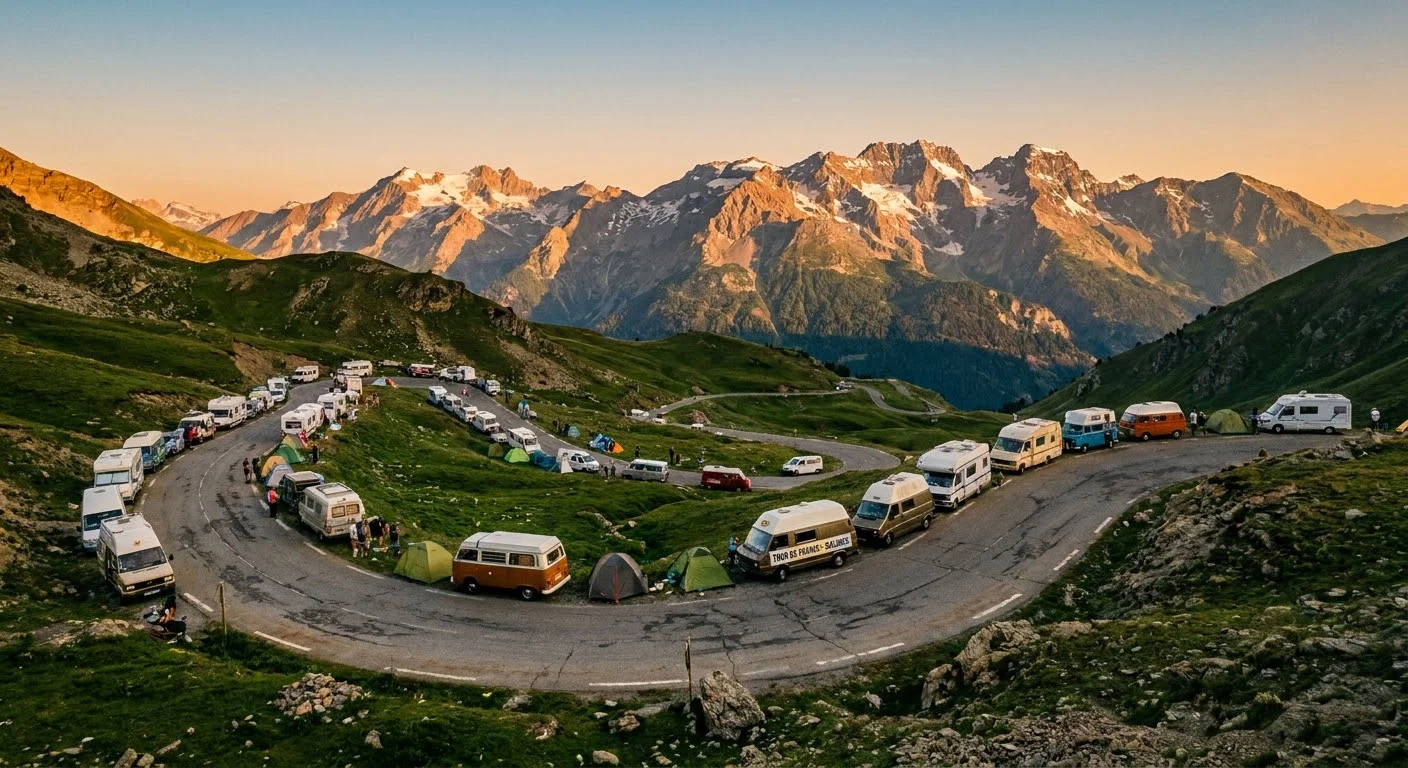
Tour de France spectator planning requires far more than simply showing up on race day. There is no sporting arena in the world quite like the high mountains of the Tour de France. Every July, the jagged peaks of the French Alps and the steep, unforgiving passes of the Pyrenees transform into a sprawling, multi-day […]
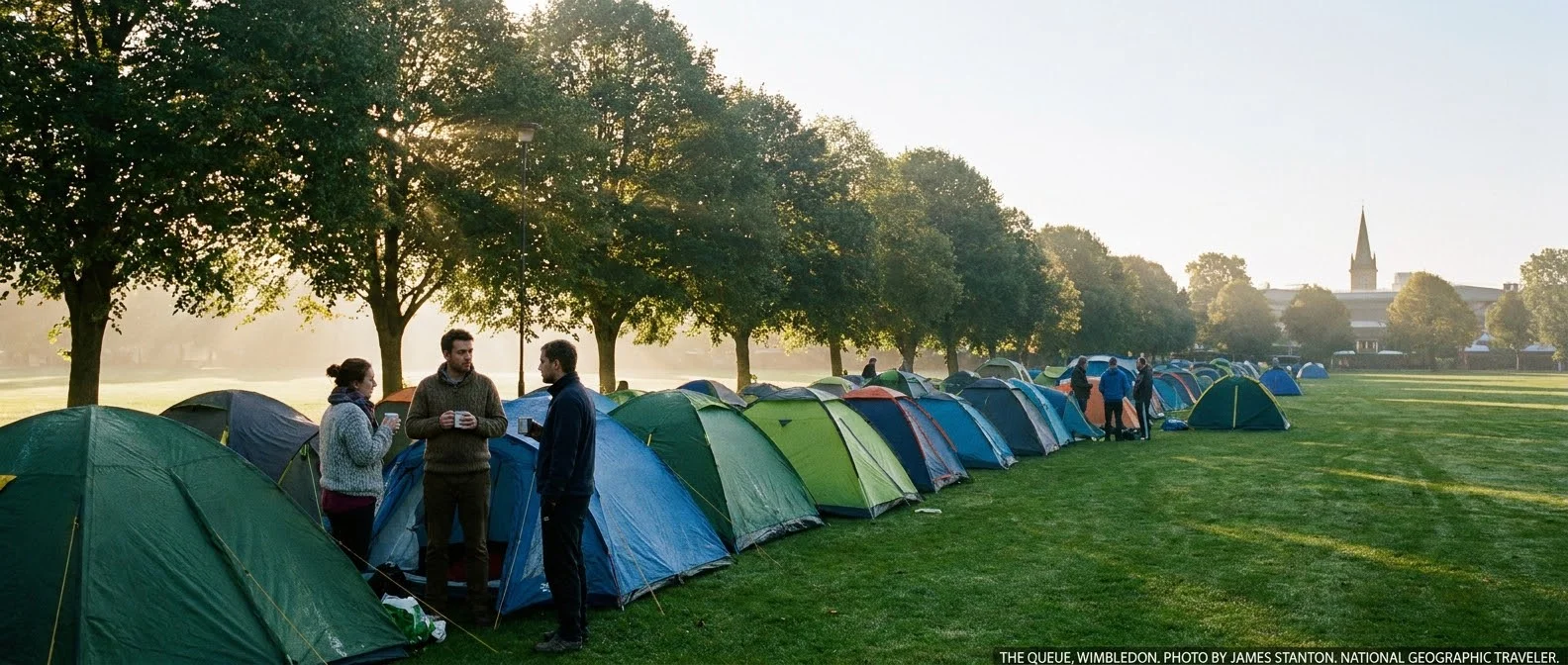
Wimbledon queue guide: overnight camping helps tennis fans prepare for one of the most unique traditions in the sporting world. Every year, tennis enthusiasts, eager travelers, and local visitors head to Wimbledon Park, pitch their tents, and spend the night hoping to secure coveted tickets to the All England Lawn Tennis Club. Understanding the Queue […]